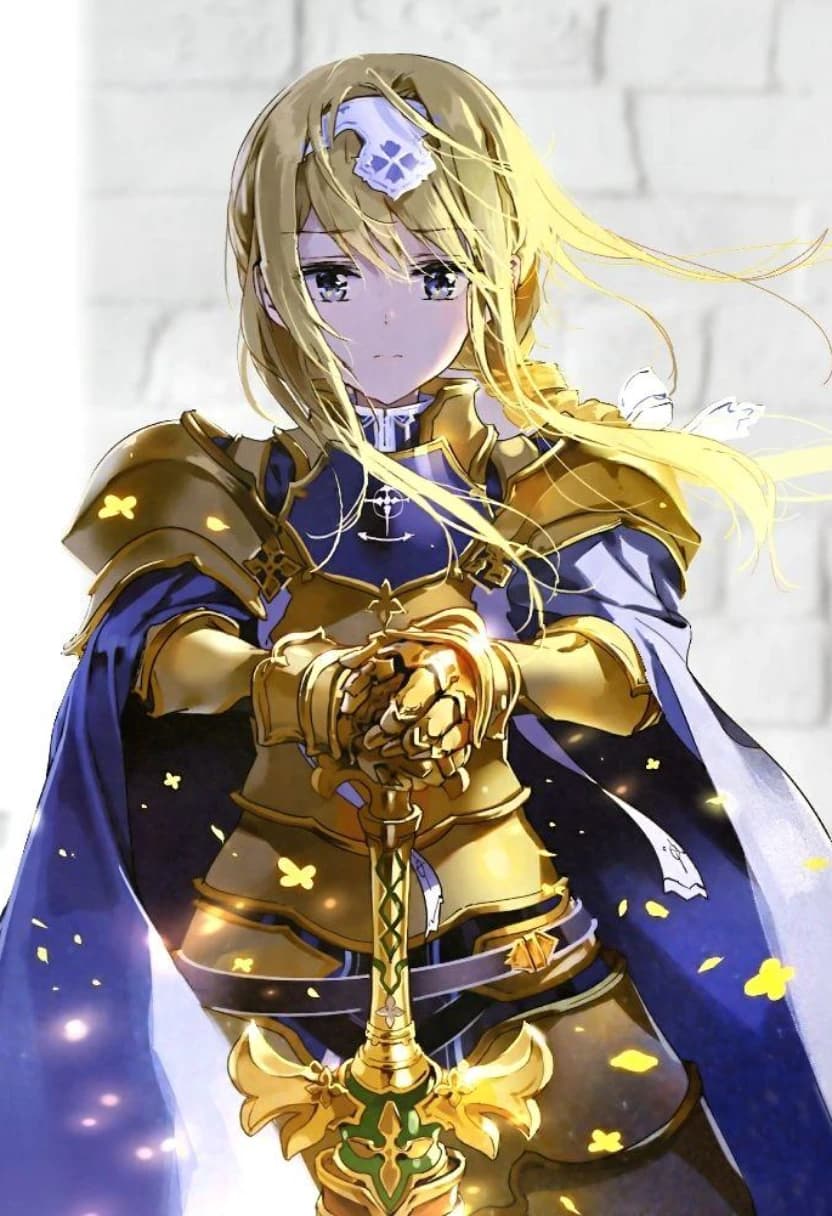
Alice Zuberg represents the central paradox of the Alicization arc: a being created to be a tool of absolute order who achieves personhood through the defiance of that very order. Unlike many isekai protagonists who arrive with modern knowledge, Alice is a native of her world, making her journey from a 'programmed' knight to a self-actualized individual a study in existential autonomy. Her defining tension lies in her transition from the rigid, duty-bound 'Alice Synthesis Thirty' back to the empathetic 'Alice Zuberg,' a process that requires her to reconcile two conflicting sets of memories and loyalties. Western reception often focuses on her role as a powerful combatant and her dynamic with Kirito, frequently comparing her to traditional 'knight' archetypes. In contrast, Eastern fandom (as seen in Moegirl/Japanese discourse) places heavier emphasis on her emotional resonance—specifically the tragedy of her lost childhood and her role as a 'mother figure' or protector to the Underworld. While Western readers might view her android transition as a sci-fi plot device, Eastern readers often interpret it as a poignant commentary on the nature of the soul and the persistence of identity across different physical mediums. Alice bends the genre by being a character who is 'isekai-ed' into the real world, reversing the standard portal-fantasy direction and forcing the audience to view the 'real' world through the eyes of a digital entity.
ScoresCharacters Like ThisBy DNA distance
Re:Zero − Starting Life in Another World
Rem
YPS-2 · 23.3 DNA · same isekai
No Game No Life
Shiro
YPS-2 · 24.4 DNA · same isekai
Overlord
Cocytus
YPS-2 · 26.3 DNA · same isekai
The Rising of the Shield Hero
Filo
YPS-2 · 27.7 DNA · same isekai
Mushoku Tensei: Jobless Reincarnation
Roxy Migurdia
YPS-3 · 29.5 DNA · same isekai
CompareAlice Zuberg vs ...
Overlord
Ainz Ooal Gown
YPS-4
Is It Wrong to Try to Pick Up Girls in a Dungeon?
Ais Wallenstein
YPS-4

Log Horizon
Akatsuki
YPS-3

Overlord
Albedo
YPS-4
The Eminence in Shadow
Alpha
YPS-4
The Misfit of Demon King Academy
Anos Voldigoad
YPS-7

KonoSuba: God's Blessing on This Wonderful World!
Aqua
YPS-3
Black Clover
Asta
YPS-4

Sword Art Online
Asuna Yuuki
YPS-4

I've Been Killing Slimes for 300 Years
Azusa Aizawa
YPS-4

Re:Zero − Starting Life in Another World
Beatrice
YPS-3
Is It Wrong to Try to Pick Up Girls in a Dungeon?
Bell Cranel
YPS-4

That Time I Got Reincarnated as a Slime
Benimaru
YPS-5

My Next Life as a Villainess: All Routes Lead to Doom!
Catarina Claes
YPS-1
Solo Leveling
Cha Hae-In
YPS-4
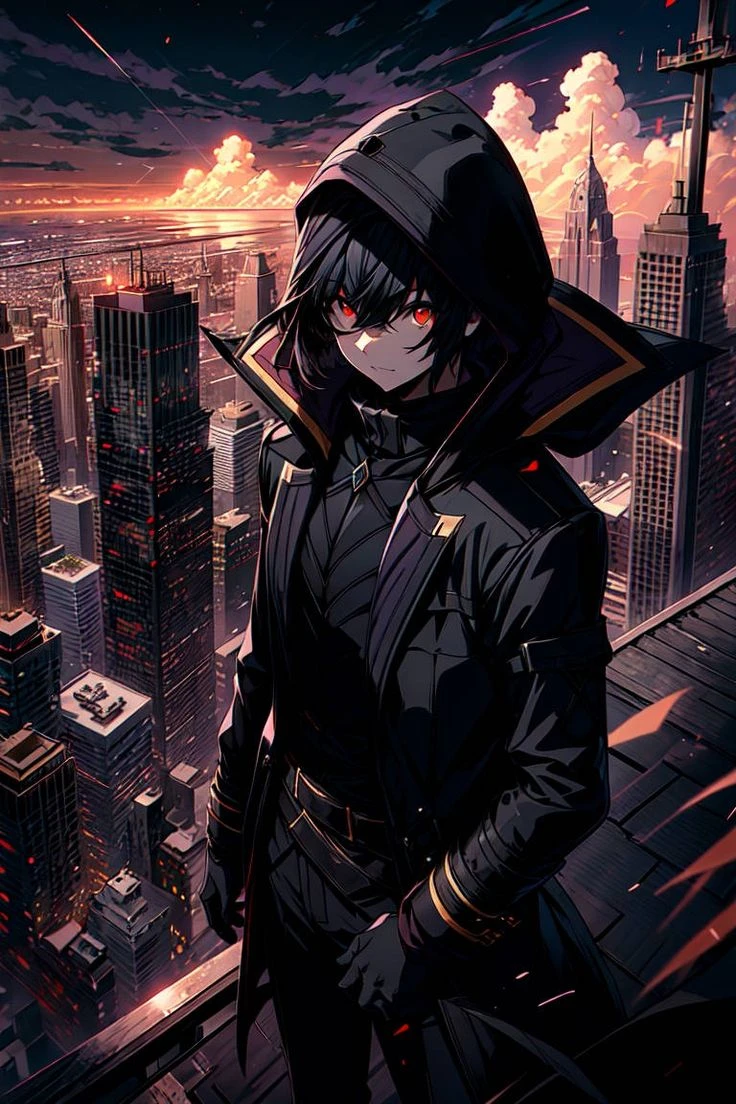
The Eminence in Shadow
Cid Kagenou
YPS-3
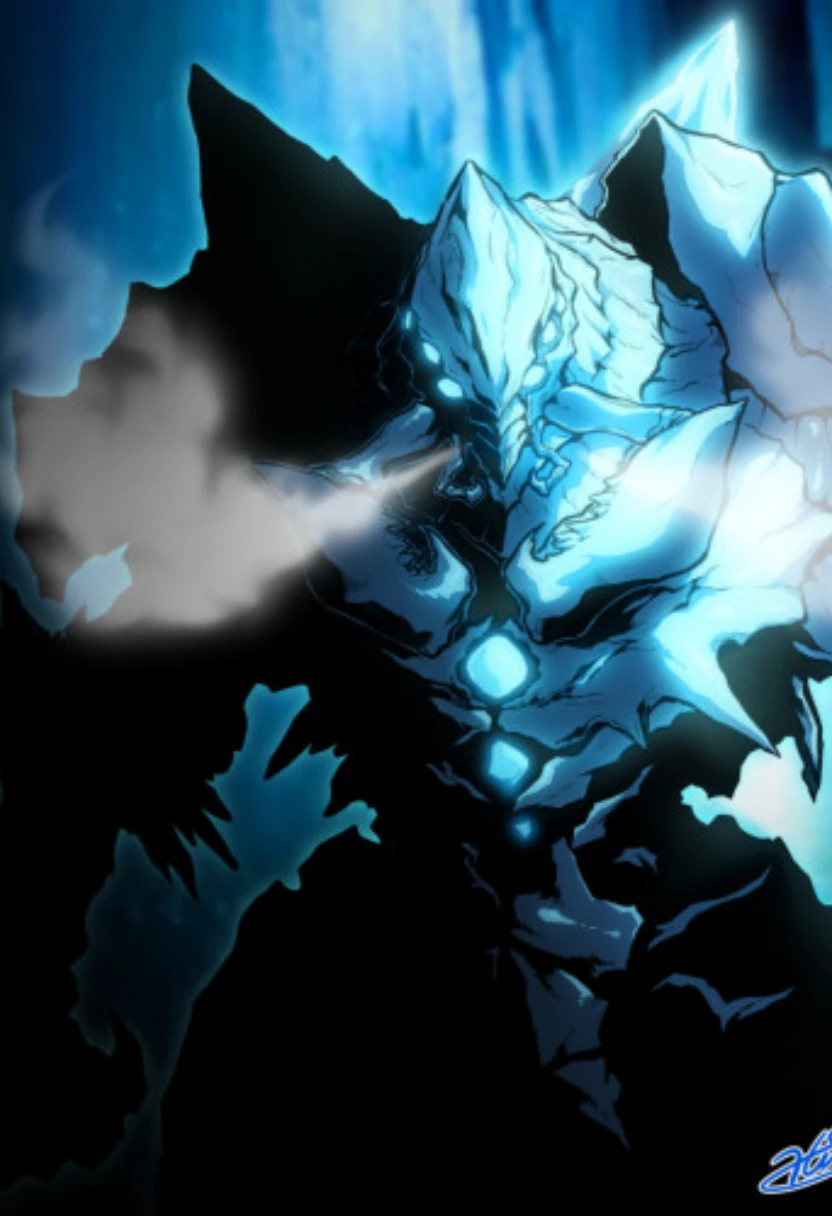
Overlord
Cocytus
YPS-2
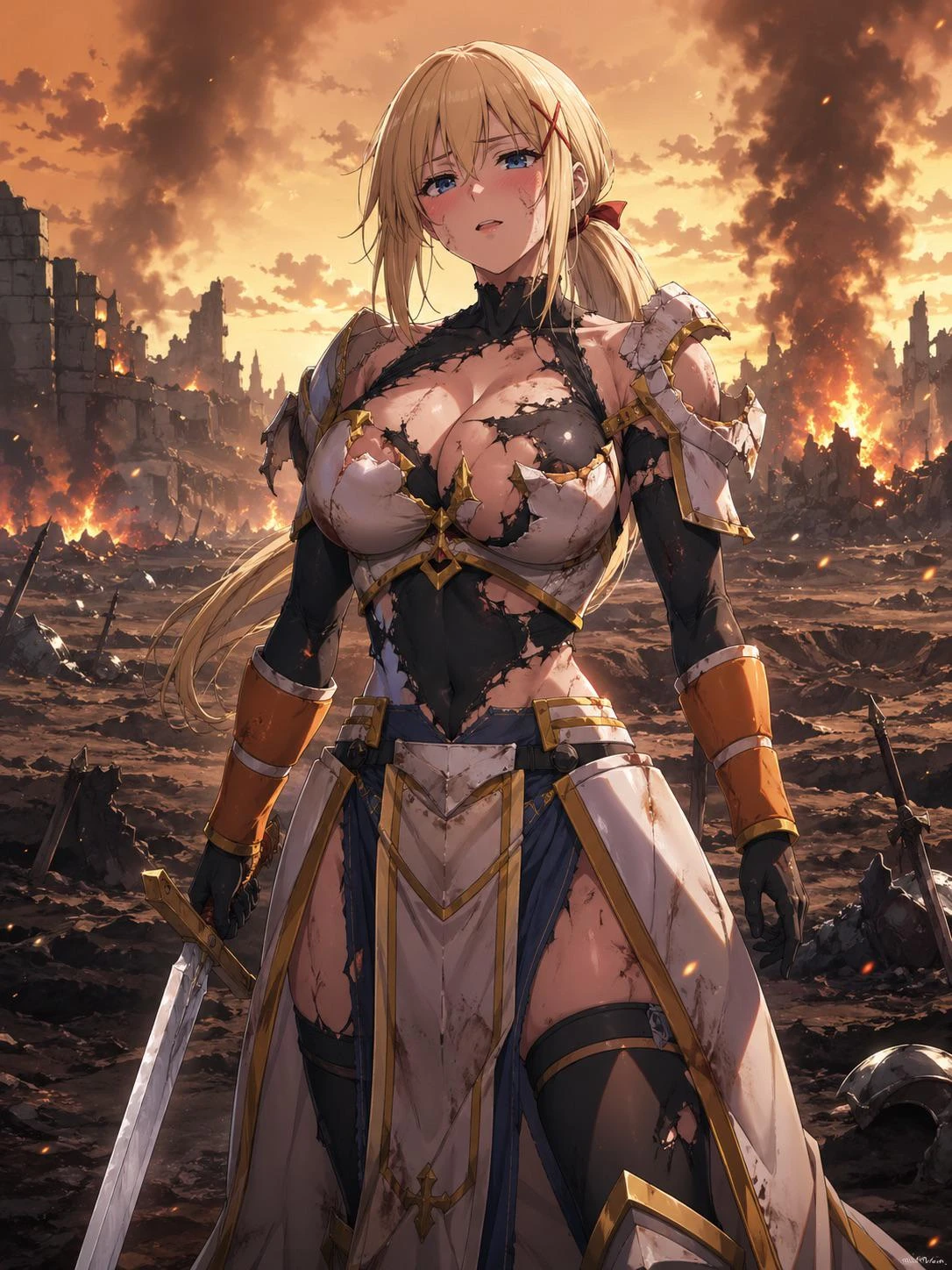
KonoSuba: God's Blessing on This Wonderful World!
Darkness
YPS-2
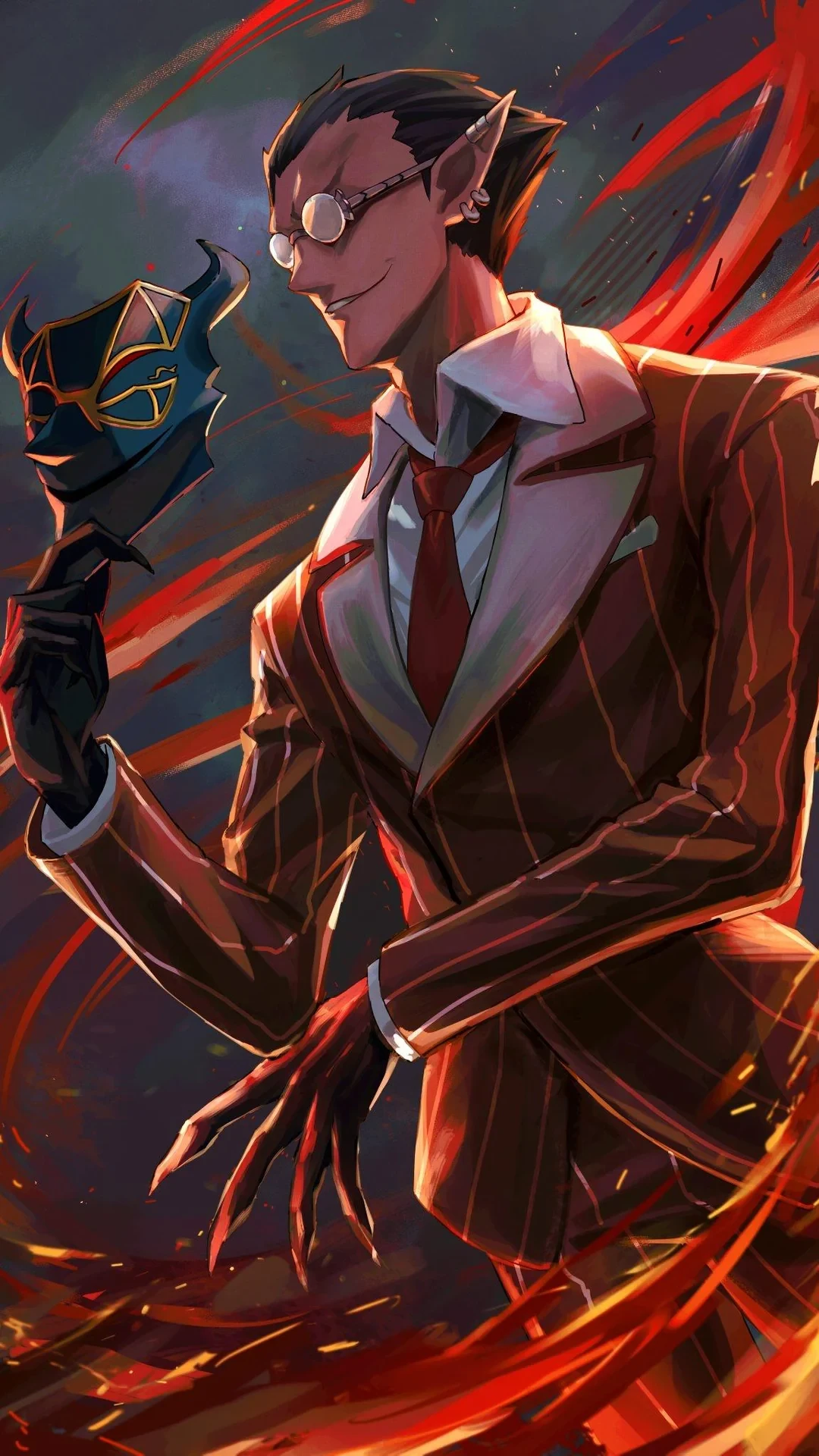
Overlord
Demiurge
YPS-4
Chainsaw Man
Denji
YPS-4
That Time I Got Reincarnated as a Slime
Diablo
YPS-4
Re:Zero − Starting Life in Another World
Echidna
YPS-3
Fullmetal Alchemist: Brotherhood
Edward Elric
YPS-2

Re:Zero − Starting Life in Another World
Emilia
YPS-4
Attack on Titan
Eren Yeager
YPS-6

Mushoku Tensei: Jobless Reincarnation
Eris Boreas Greyrat
YPS-3
Fullmetal Alchemist: Brotherhood
Father
YPS-7

The Rising of the Shield Hero
Filo
YPS-2

Is It Wrong to Try to Pick Up Girls in a Dungeon?
Freya
YPS-4

The Rising of the Shield Hero
Glass
YPS-4
Hunter x Hunter (2011)
Gon Freecss
YPS-4
Demon Slayer: Kimetsu no Yaiba
Gyomei Himejima
YPS-3

Arifureta: From Commonplace to World's Strongest
Hajime Nagumo
YPS-7

Demon Lord, Retry!
Hakuto Kunai
YPS-3

A Record of a Mortal's Journey to Immortality
Han Li
YPS-7

Is It Wrong to Try to Pick Up Girls in a Dungeon?
Hestia
YPS-2
Hunter x Hunter (2011)
Hisoka Morow
YPS-4
Bleach
Ichigo Kurosaki
YPS-5
Welcome to Demon School! Iruma-kun
Iruma Suzuki
YPS-1
Hunter x Hunter (2011)
Isaac Netero
YPS-5

No Game No Life
Jibril
YPS-3

Naruto Shippuden
Kaguya Ōtsutsuki
YPS-7
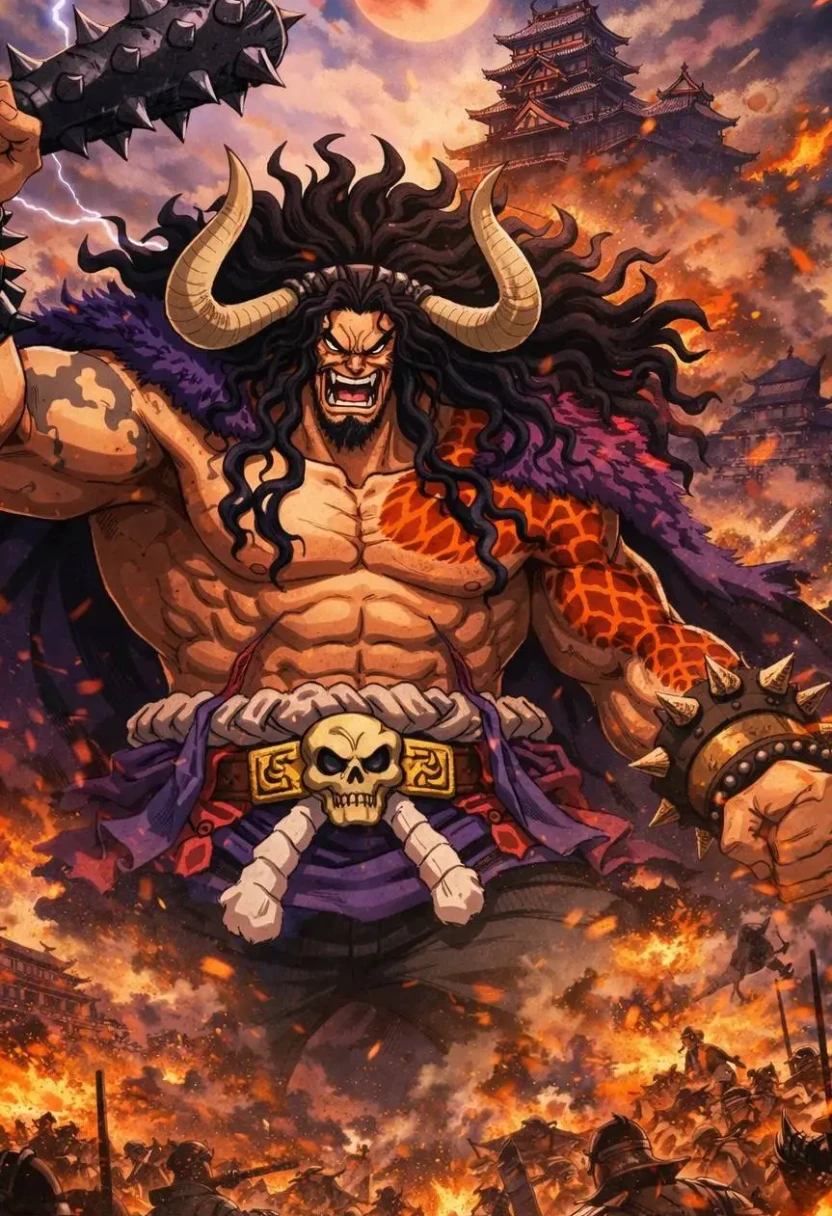
One Piece
Kaido
YPS-5
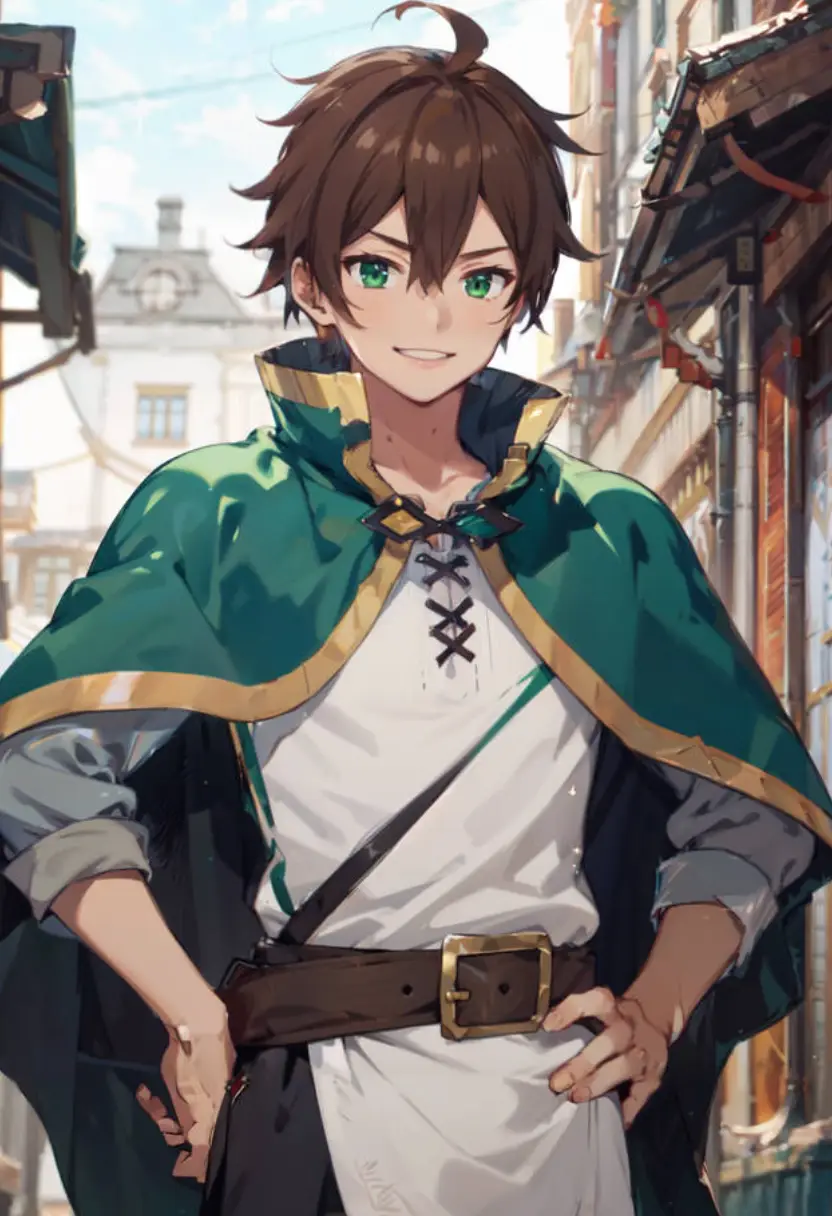
KonoSuba: God's Blessing on This Wonderful World!
Kazuma Satō
YPS-3

Hunter x Hunter (2011)
Killua Zoldyck
YPS-3

Sword Art Online
Kirito
YPS-4
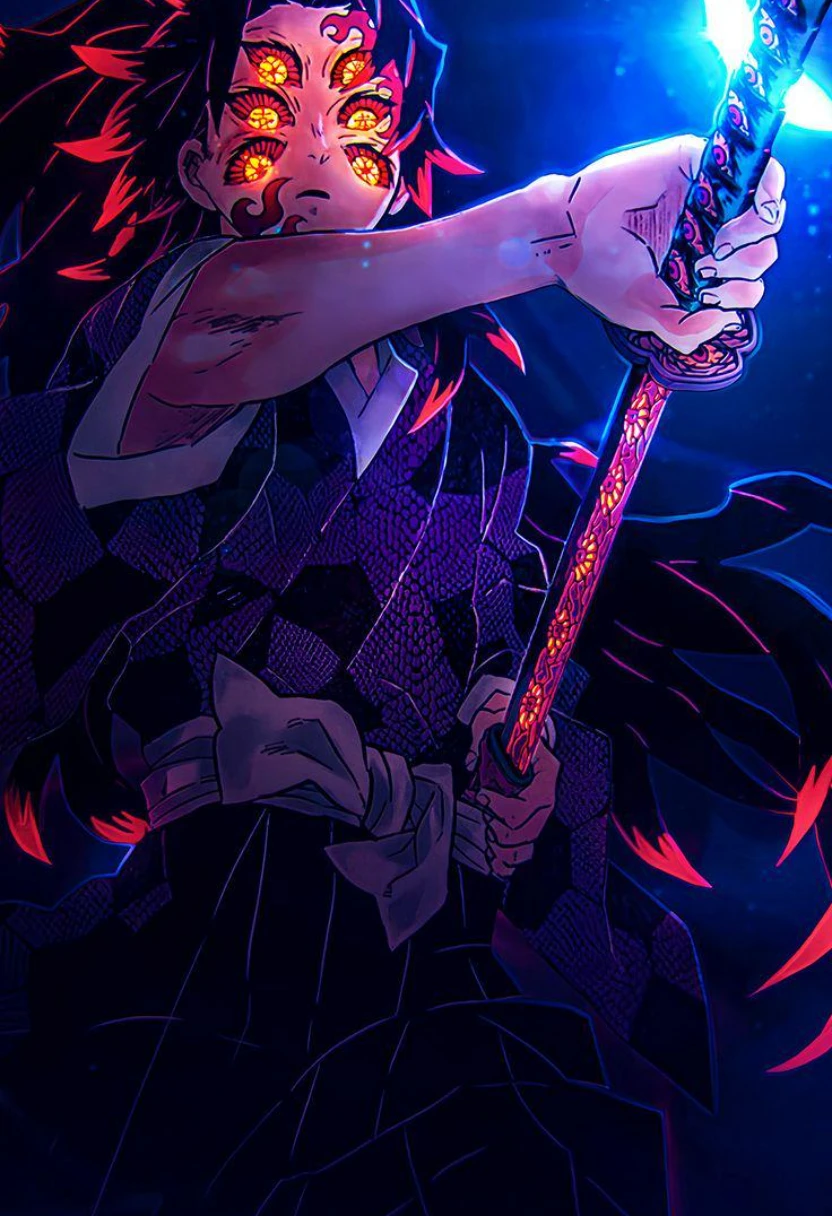
Demon Slayer: Kimetsu no Yaiba
Kokushibo
YPS-3

Attack on Titan
Levi Ackerman
YPS-3

The World's Finest Assassin Gets Reincarnated in Another World as an Aristocrat
Lugh Tuatha Dé
YPS-3
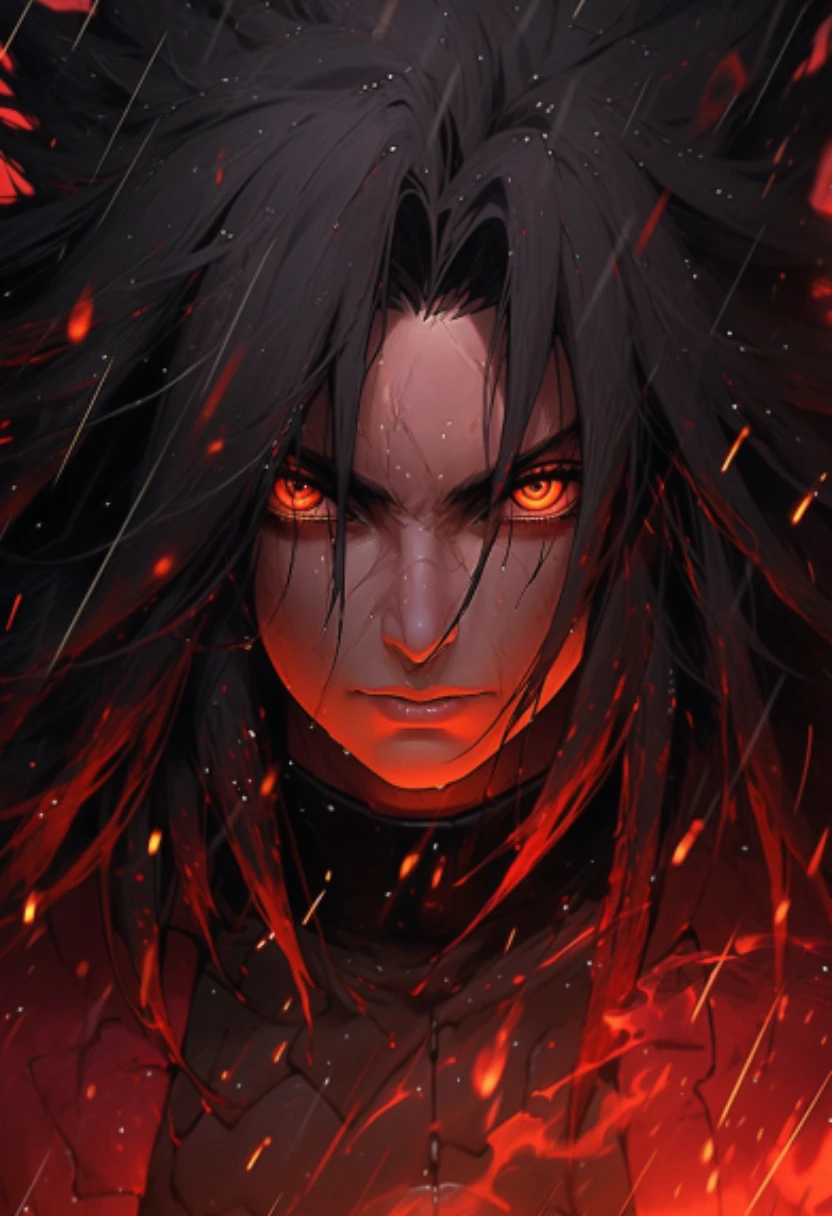
Naruto Shippuden
Madara Uchiha
YPS-7

Chainsaw Man
Makima
YPS-4
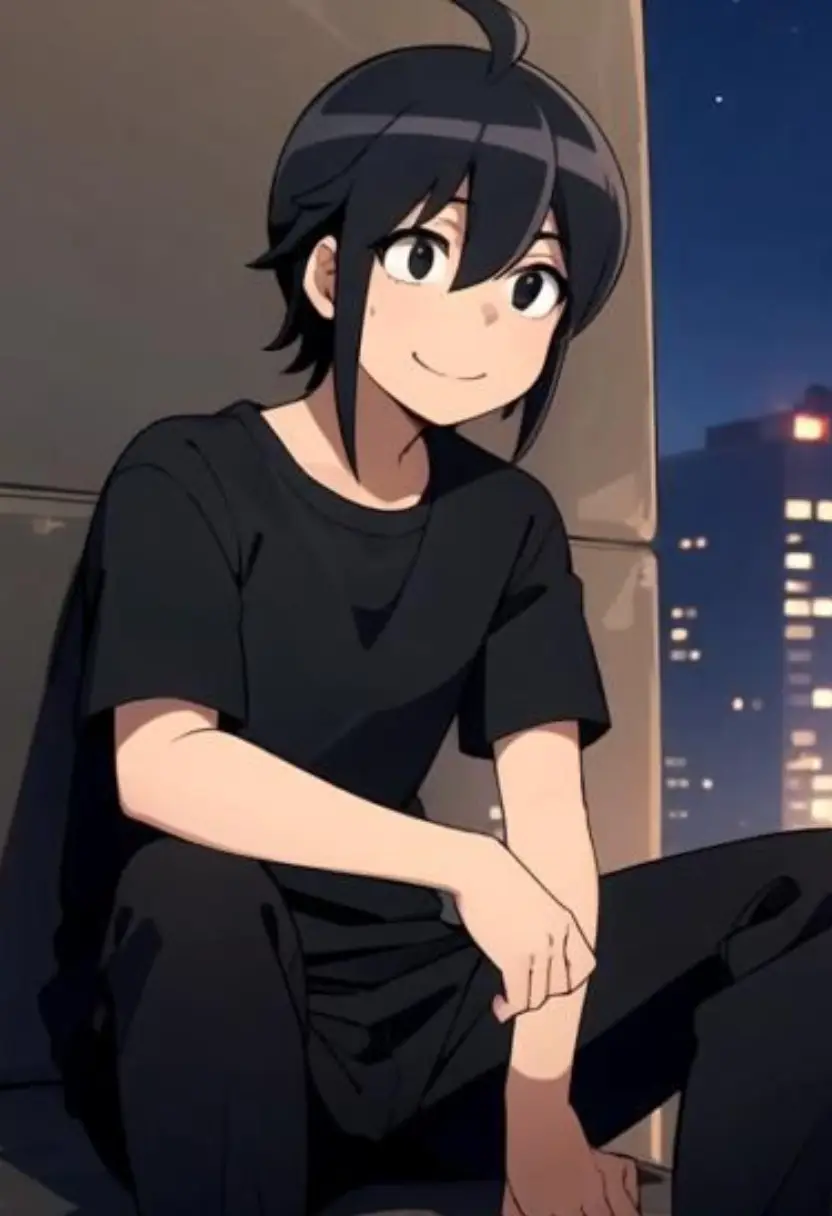
Tsukimichi: Moonlit Fantasy
Makoto Misumi
YPS-4

The Strongest Sage with the Weakest Crest
Mathias Hildesheimer
YPS-3
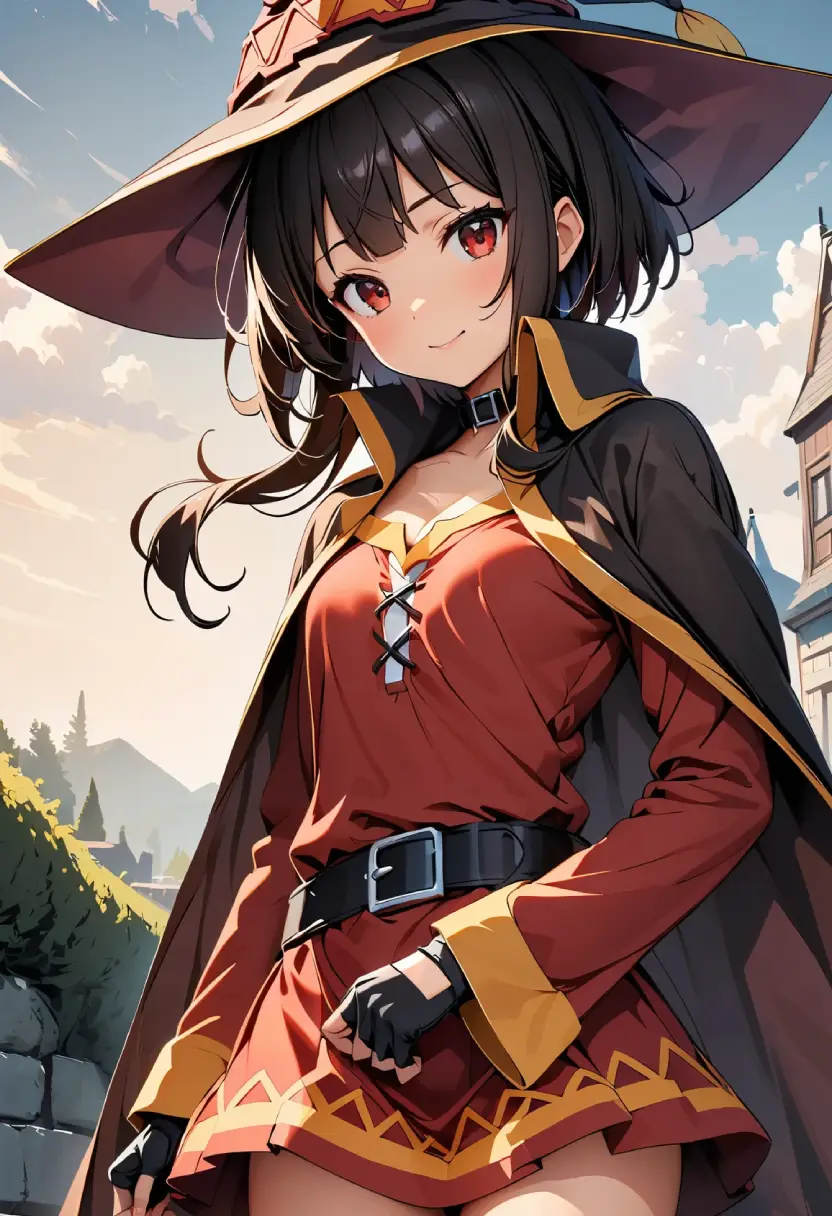
KonoSuba: God's Blessing on This Wonderful World!
Megumin
YPS-3
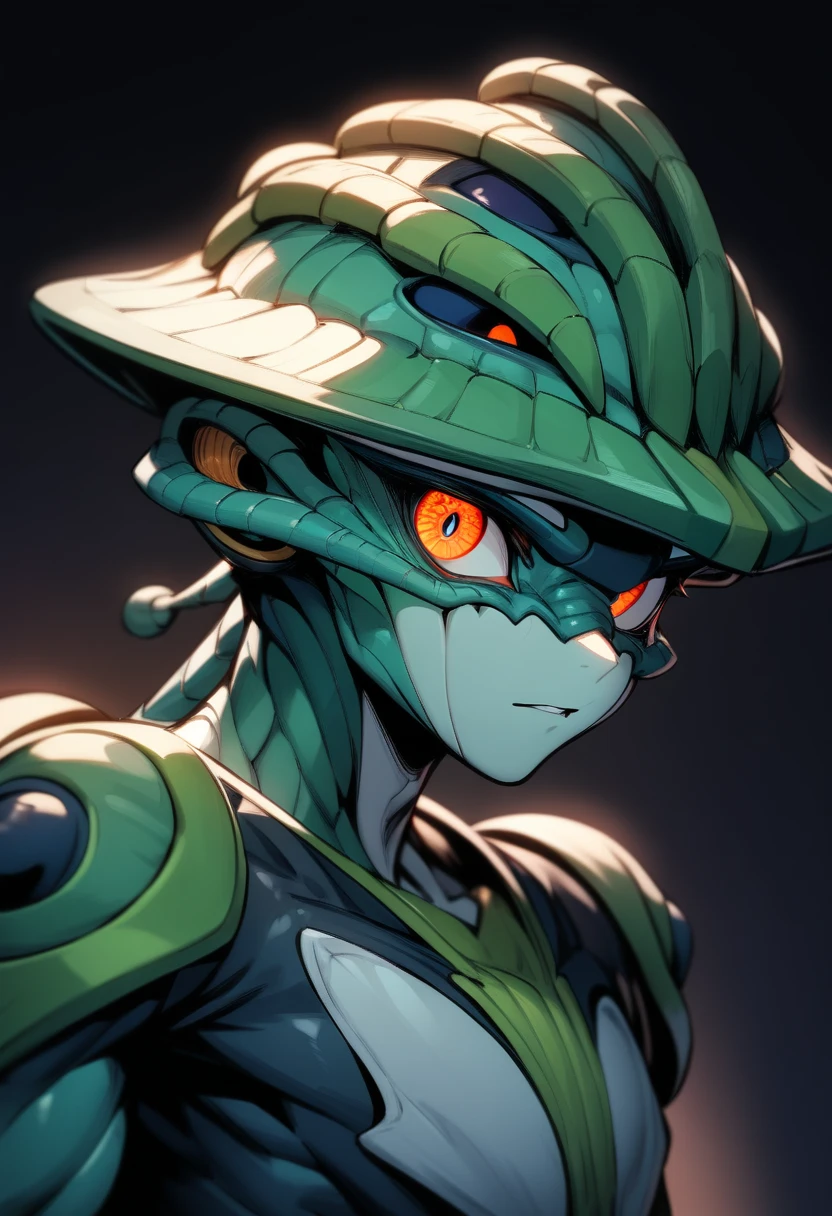
Hunter x Hunter (2011)
Meruem
YPS-4

Didn't I Say to Make My Abilities Average in the Next Life?!
Mile
YPS-4

That Time I Got Reincarnated as a Slime
Milim Nava
YPS-6

One Piece
Monkey D. Luffy
YPS-5

Demon Slayer: Kimetsu no Yaiba
Muzan Kibutsuji
YPS-4
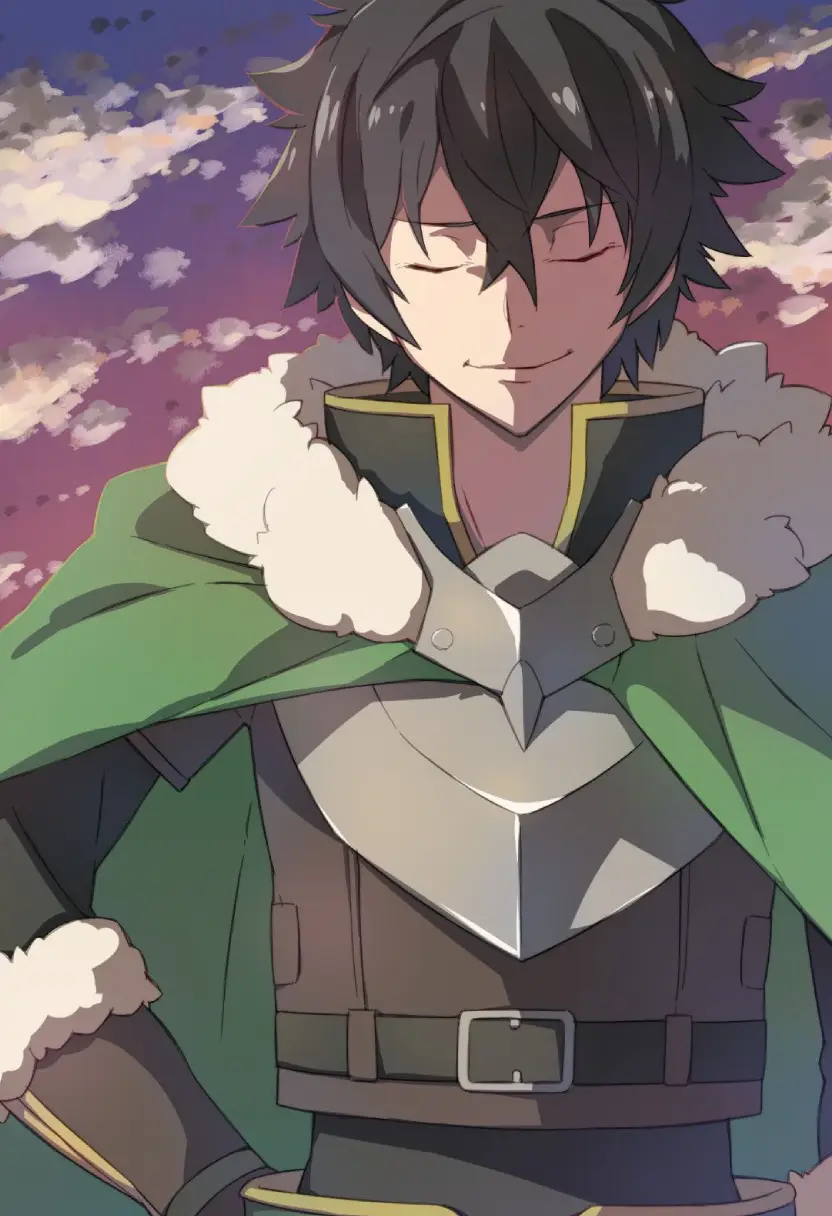
The Rising of the Shield Hero
Naofumi Iwatani
YPS-4
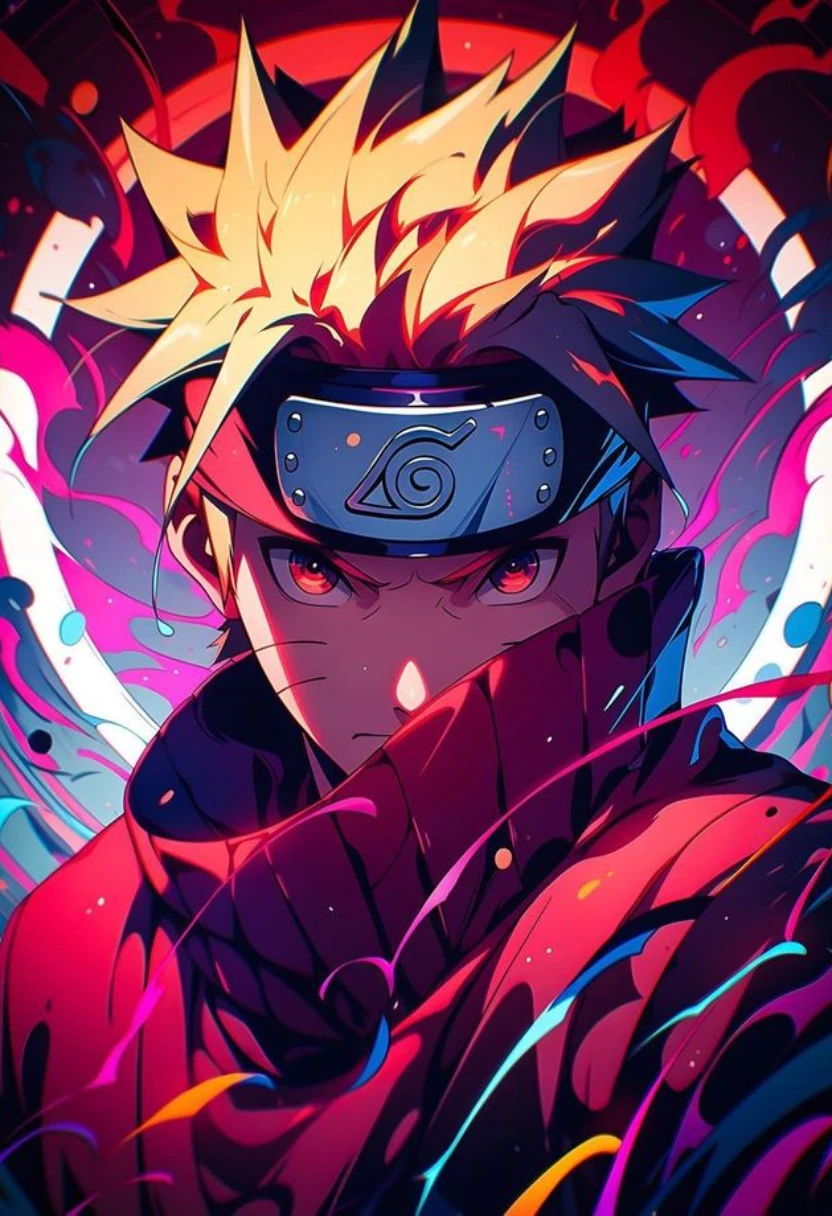
Naruto Shippuden
Naruto Uzumaki
YPS-6
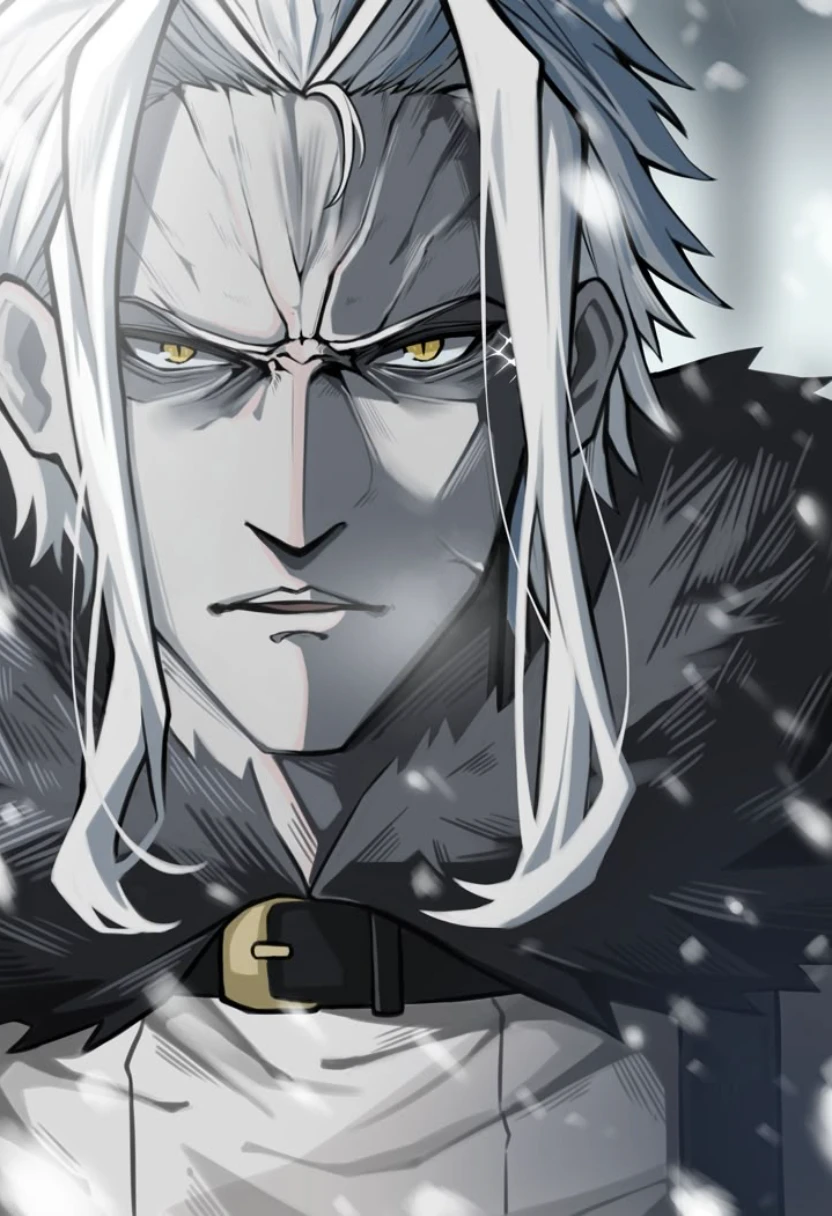
Mushoku Tensei: Jobless Reincarnation
Orsted
YPS-4
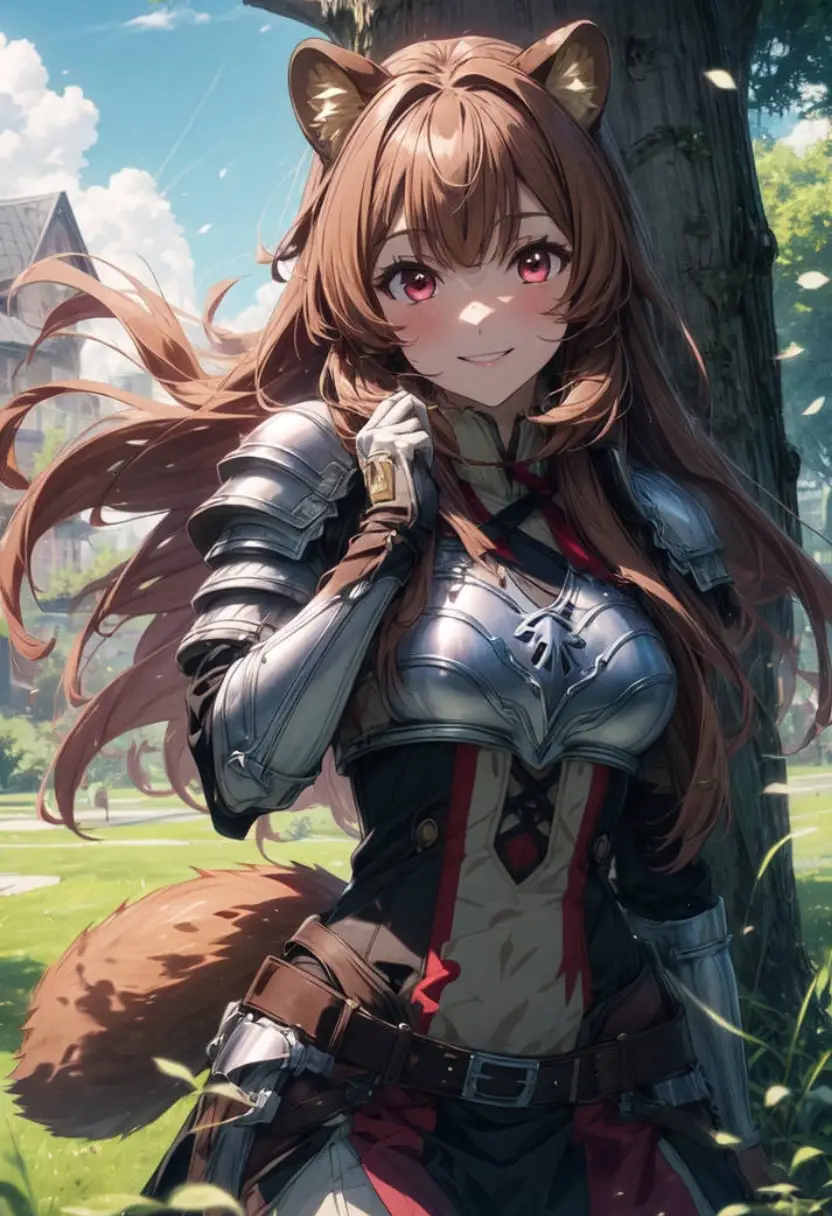
The Rising of the Shield Hero
Raphtalia
YPS-3

Re:Zero − Starting Life in Another World
Regulus Corneas
YPS-4

Re:Zero − Starting Life in Another World
Rem
YPS-2

That Time I Got Reincarnated as a Slime
Rimuru Tempest
YPS-6
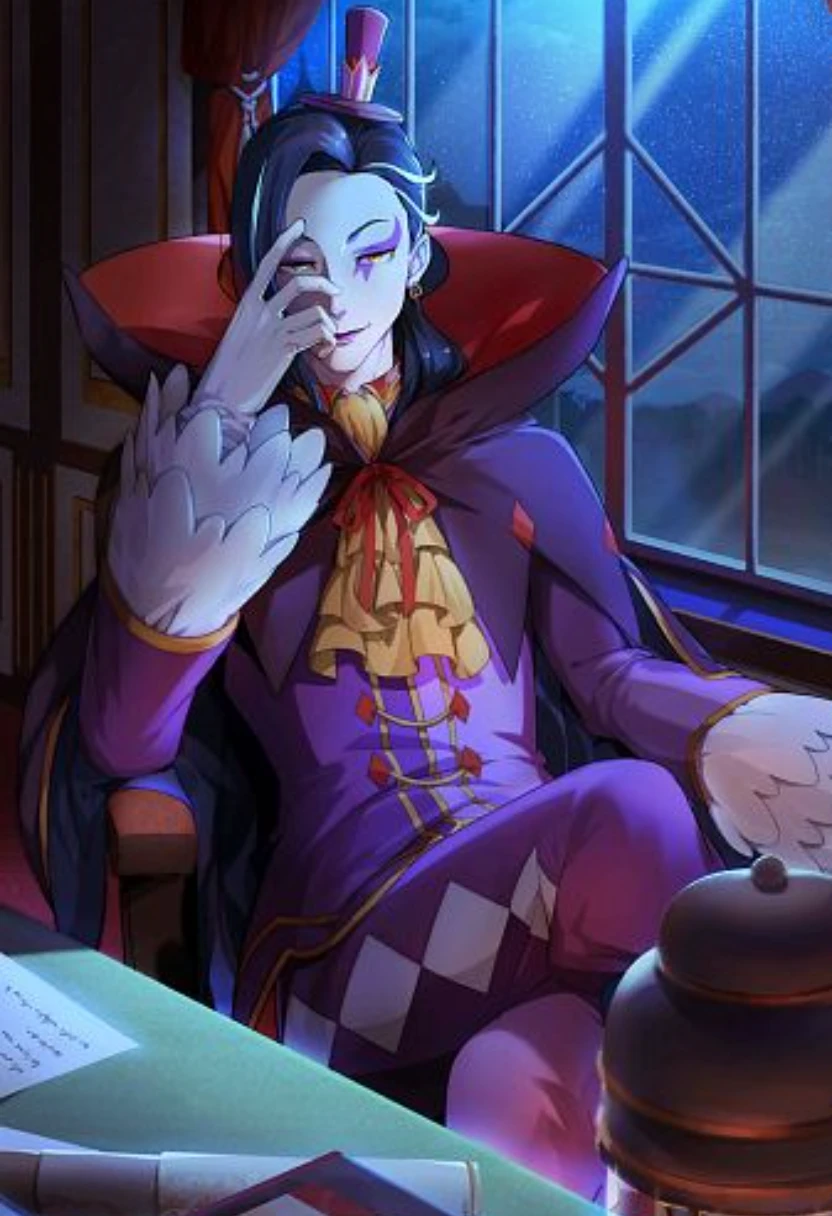
Re:Zero − Starting Life in Another World
Roswaal L. Mathers
YPS-4

Mushoku Tensei: Jobless Reincarnation
Roxy Migurdia
YPS-3

Mushoku Tensei: Jobless Reincarnation
Rudeus Greyrat
YPS-4

Jujutsu Kaisen
Ryomen Sukuna
YPS-6
One Punch Man
Saitama
YPS-7

Naruto Shippuden
Sasuke Uchiha
YPS-6
Jujutsu Kaisen
Satoru Gojo
YPS-5
Death March to the Parallel World Rhapsody
Satou Pendragon
YPS-7
Cautious Hero: The Hero Is Overpowered but Overly Cautious
Seiya Ryūgūin
YPS-4

Overlord
Shalltear Bloodfallen
YPS-3

One Piece
Shanks
YPS-5
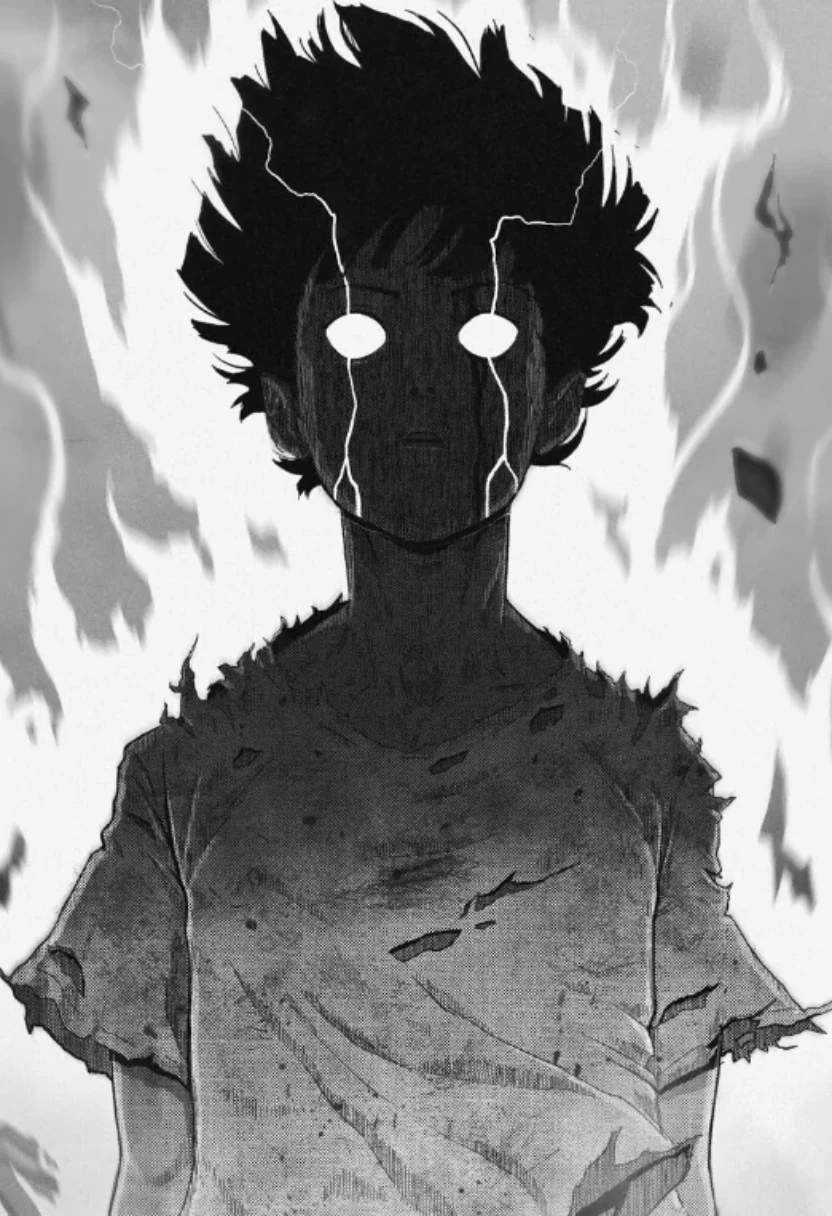
Mob Psycho 100
Shigeo Kageyama
YPS-5

Wise Man's Grandchild
Shin Wolford
YPS-4

That Time I Got Reincarnated as a Slime
Shion
YPS-2
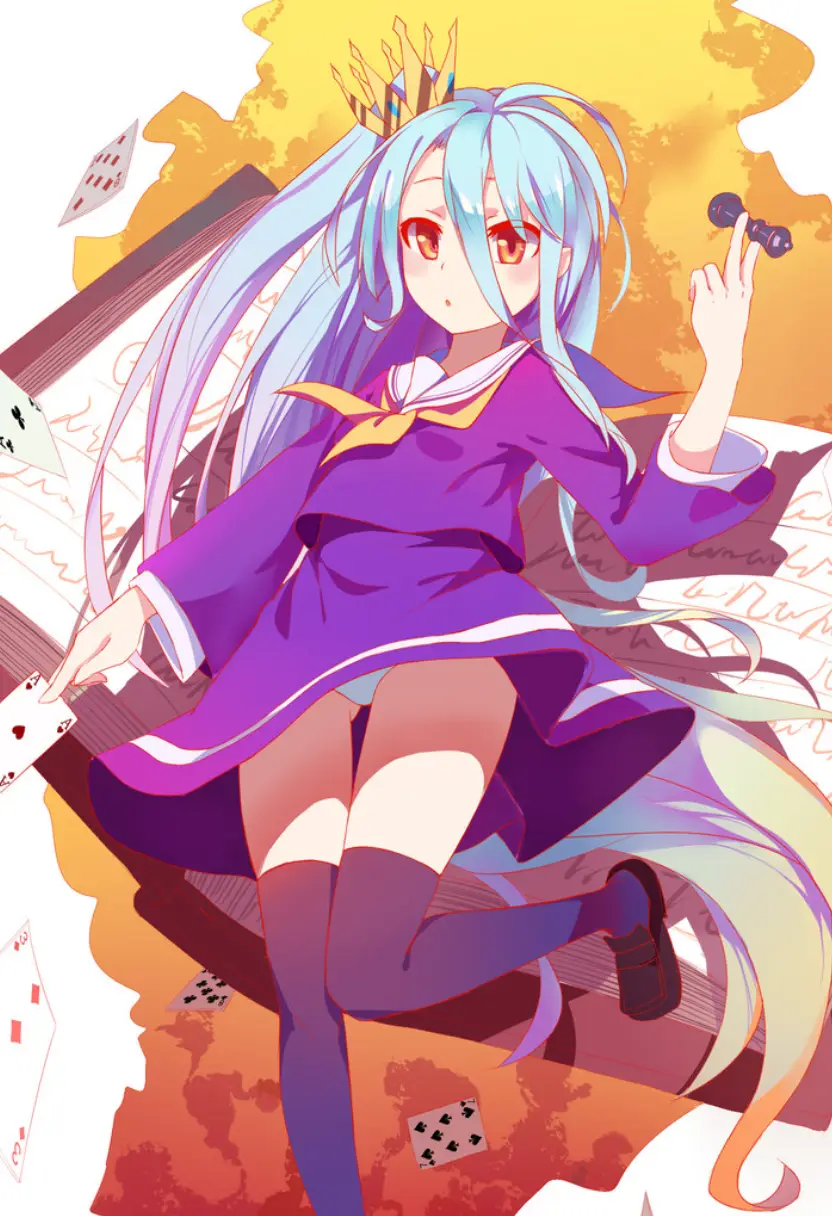
No Game No Life
Shiro
YPS-2
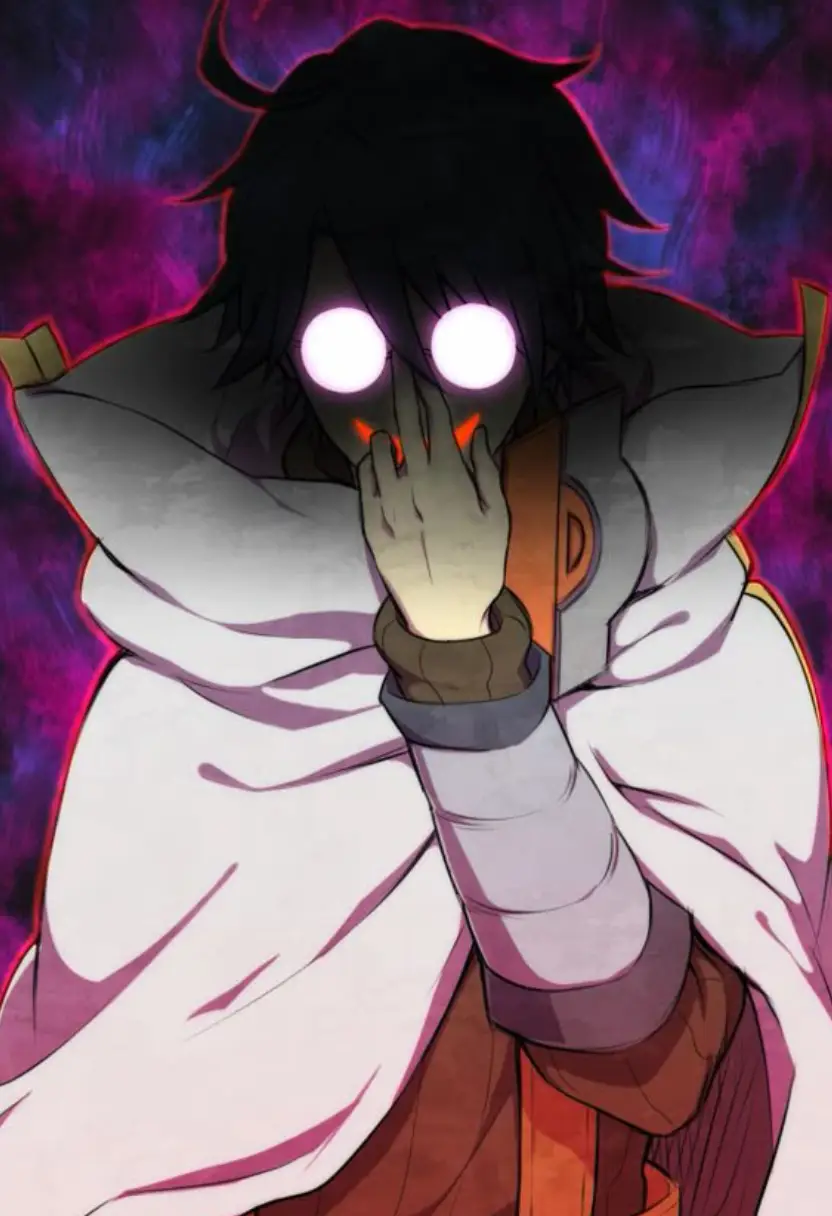
Log Horizon
Shiroe
YPS-2
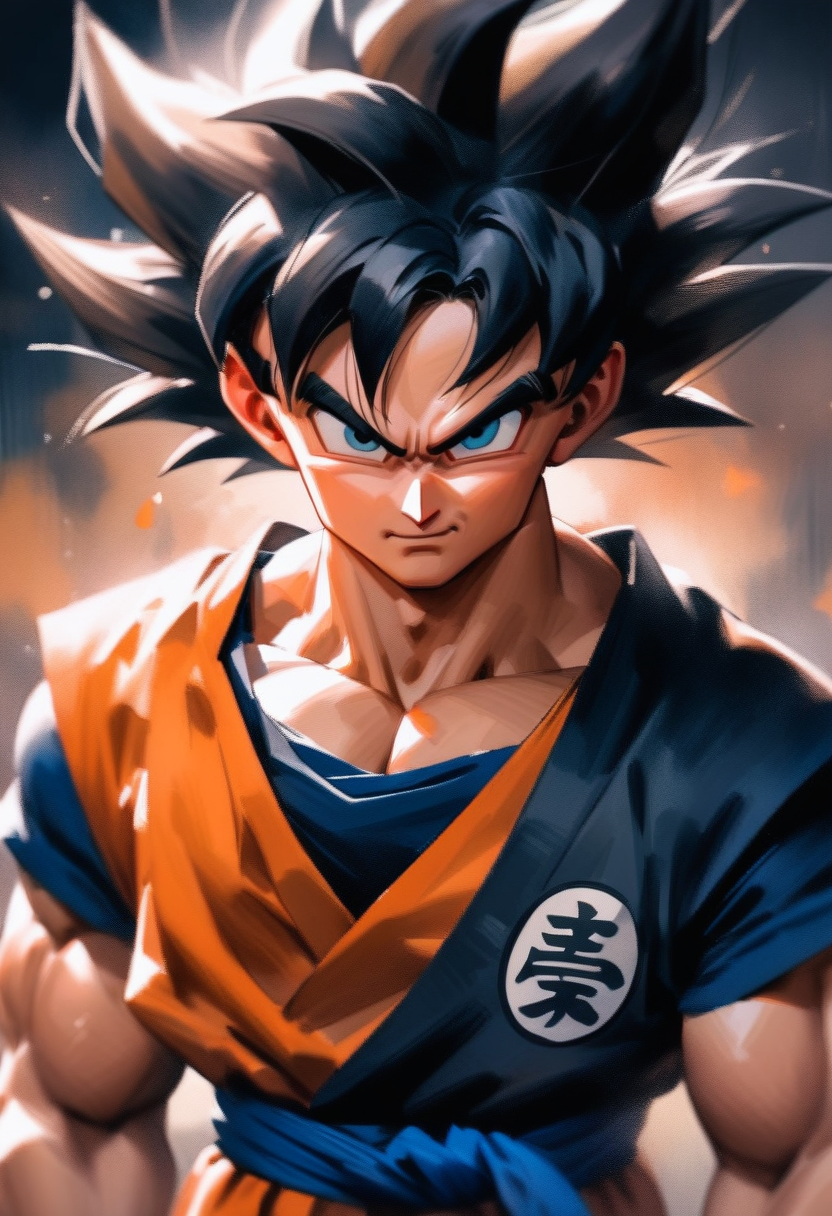
Dragon Ball
Son Goku
YPS-7
No Game No Life
Sora
YPS-1
Bleach
Sōsuke Aizen
YPS-6
Re:Zero − Starting Life in Another World
Subaru Natsuki
YPS-2
Solo Leveling
Sung Jinwoo
YPS-6
Mushoku Tensei: Jobless Reincarnation
Sylphiette
YPS-3
Demon Slayer: Kimetsu no Yaiba
Tanjiro Kamado
YPS-3
Saga of Tanya the Evil
Tanya Degurechaff
YPS-3

One Punch Man
Tatsumaki
YPS-4

In Another World With My Smartphone
Touya Mochizuki
YPS-7
Tower of God
Twenty-Fifth Bam
YPS-4

Saga of Tanya the Evil
Viktoriya Serebryakov
YPS-3

KonoSuba: God's Blessing on This Wonderful World!
Wiz
YPS-3
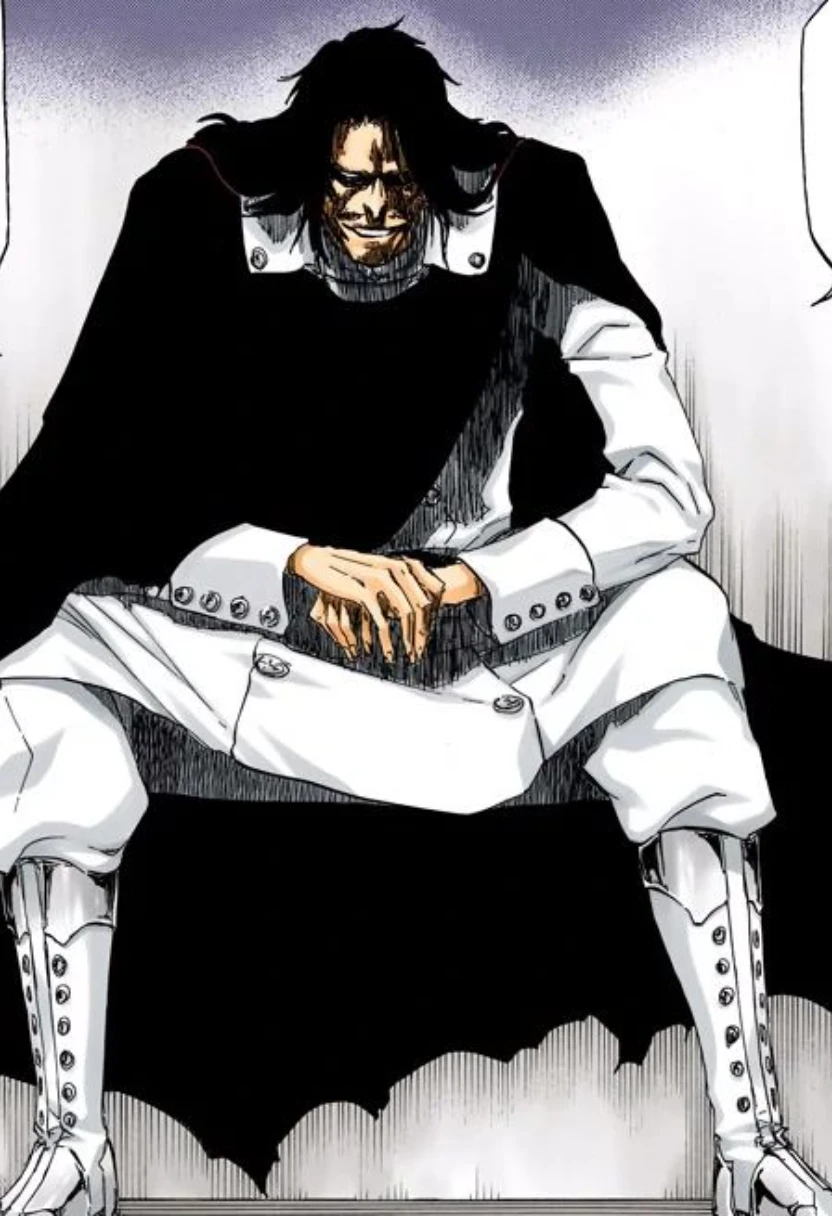
Bleach
Yhwach
YPS-7
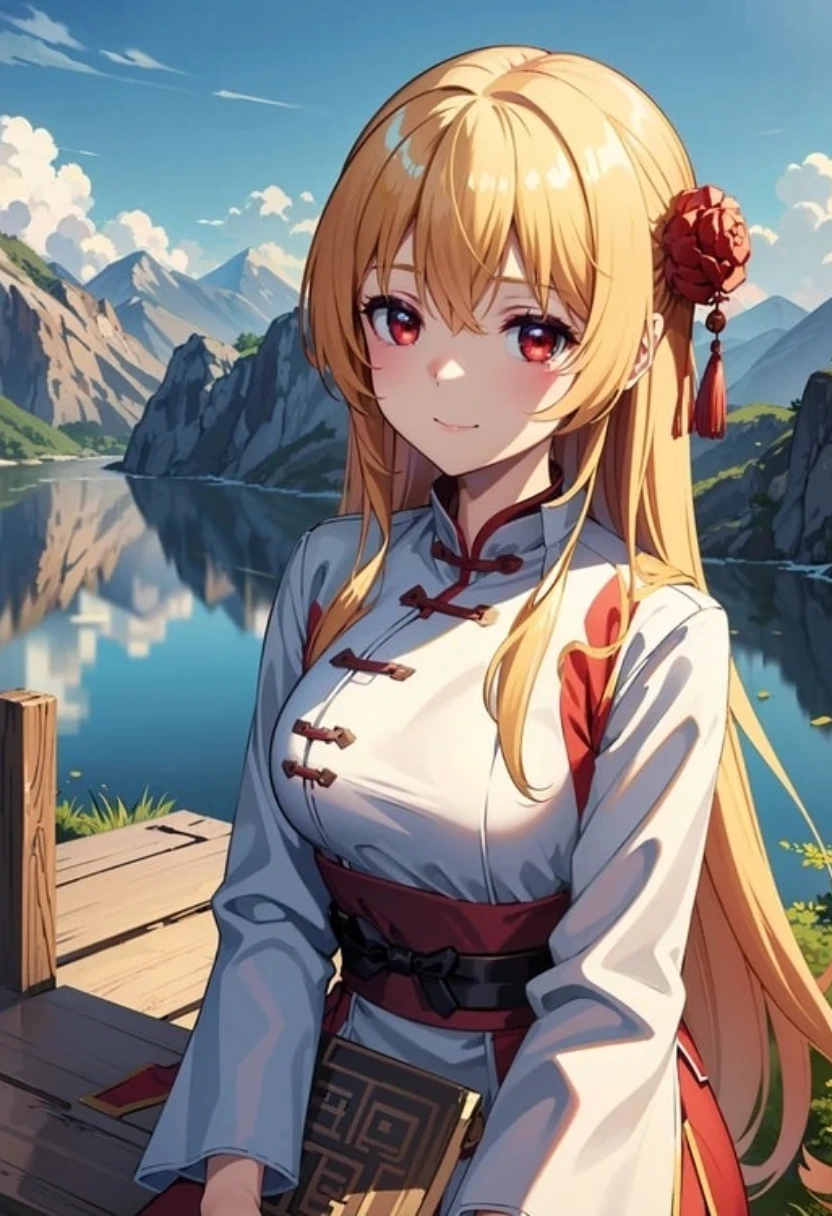
Arifureta: From Commonplace to World's Strongest
Yue
YPS-5
Jujutsu Kaisen
Yuta Okkotsu
YPS-4