
Milim Nava occupies the archetype of the 'child-god' within the isekai genre, subverting the expectation of the innocent, naive youth by pairing a playful, impulsive demeanor with the status of an ancient, world-ending entity. Her defining tension lies in the paradox of her immense power versus her profound emotional stagnation; she possesses the capacity to rewrite the physical world but struggles to navigate the complexities of human social interaction or personal grief. Unlike many isekai protagonists who undergo a traditional 'zero-to-hero' progression, Milim’s arc is one of regression and recovery. She begins as a traumatized, isolated force of nature and gradually moves toward a state of vulnerability, learning to accept companionship and structure—represented by her dynamic with Rimuru and her reluctant submission to Frey’s educational discipline. She serves as a narrative foil to the protagonist, acting as both a catastrophic threat and a stabilizing anchor. By prioritizing her own entertainment over the geopolitical stability of the world, she challenges the genre’s tendency to treat powerful characters as inherently stoic or duty-bound. Her characterization relies on the contrast between her 'Concealed Form'—which invites underestimation—and her 'True Form,' which serves as a reminder of the destructive history she attempts to outrun. Ultimately, Milim represents the burden of immortality, where the search for 'fun' is a desperate, subconscious attempt to fill the void left by the loss of her original family.
ScoresCompareMilim Nava vs ...
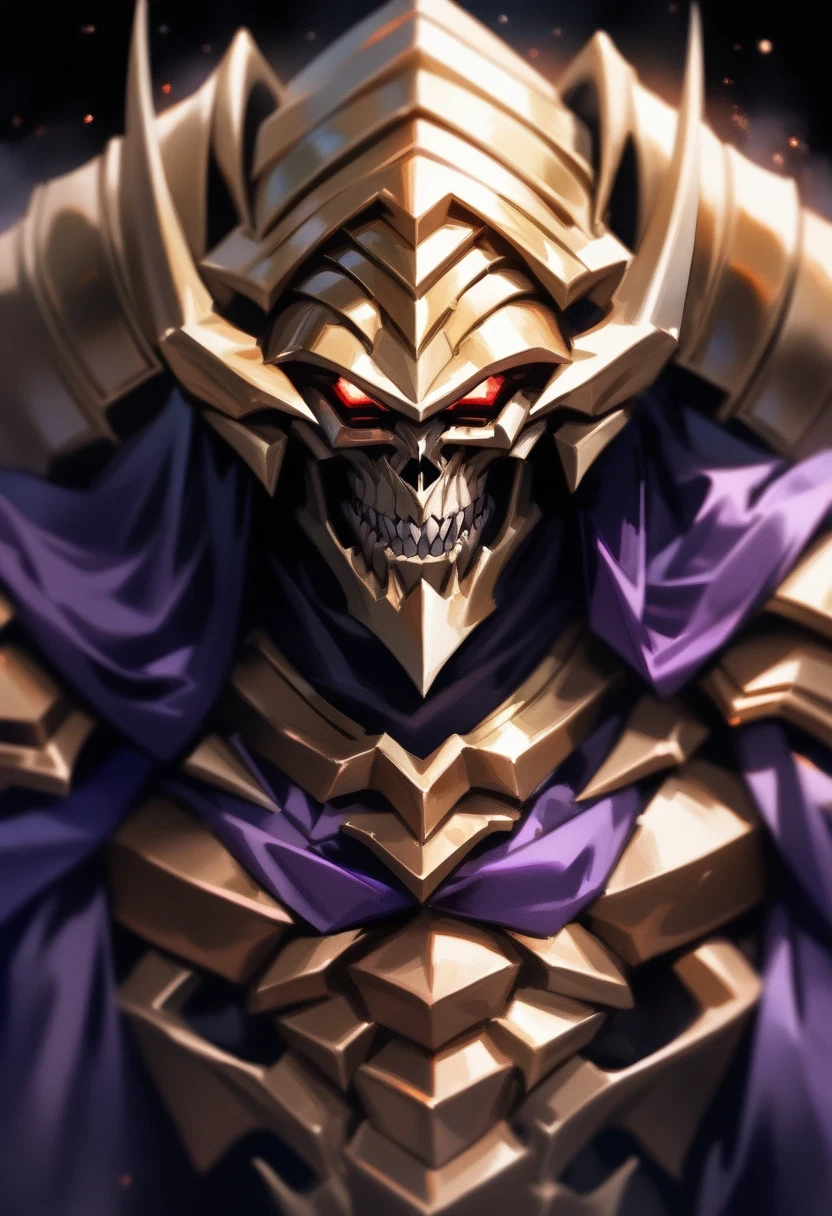
Overlord
Ainz Ooal Gown
YPS-4

Overlord
Albedo
YPS-4
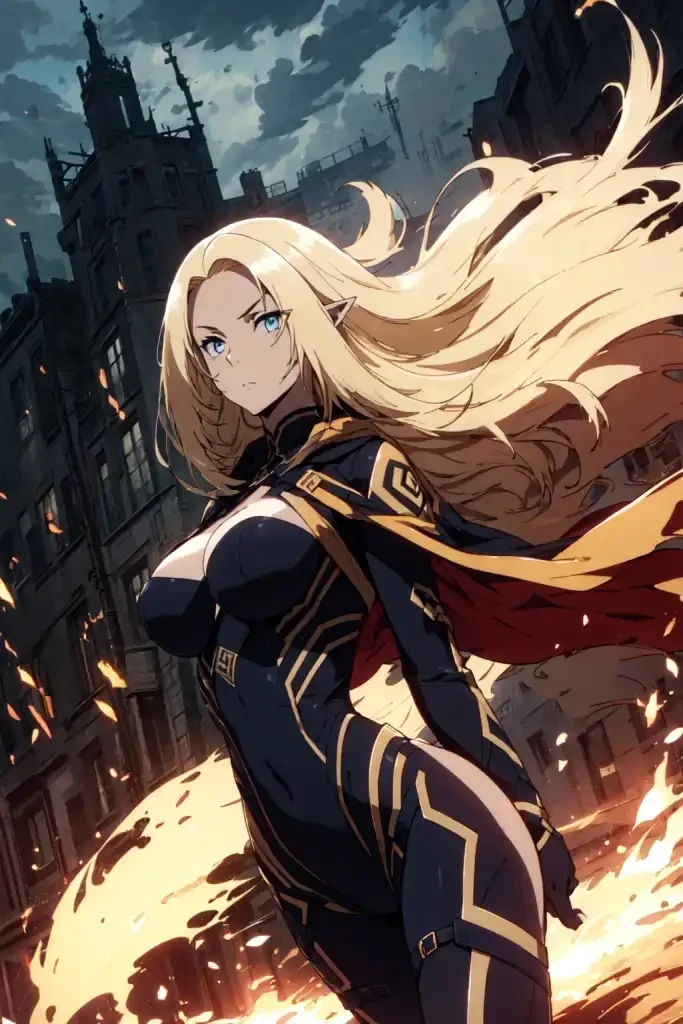
The Eminence in Shadow
Alpha
YPS-4
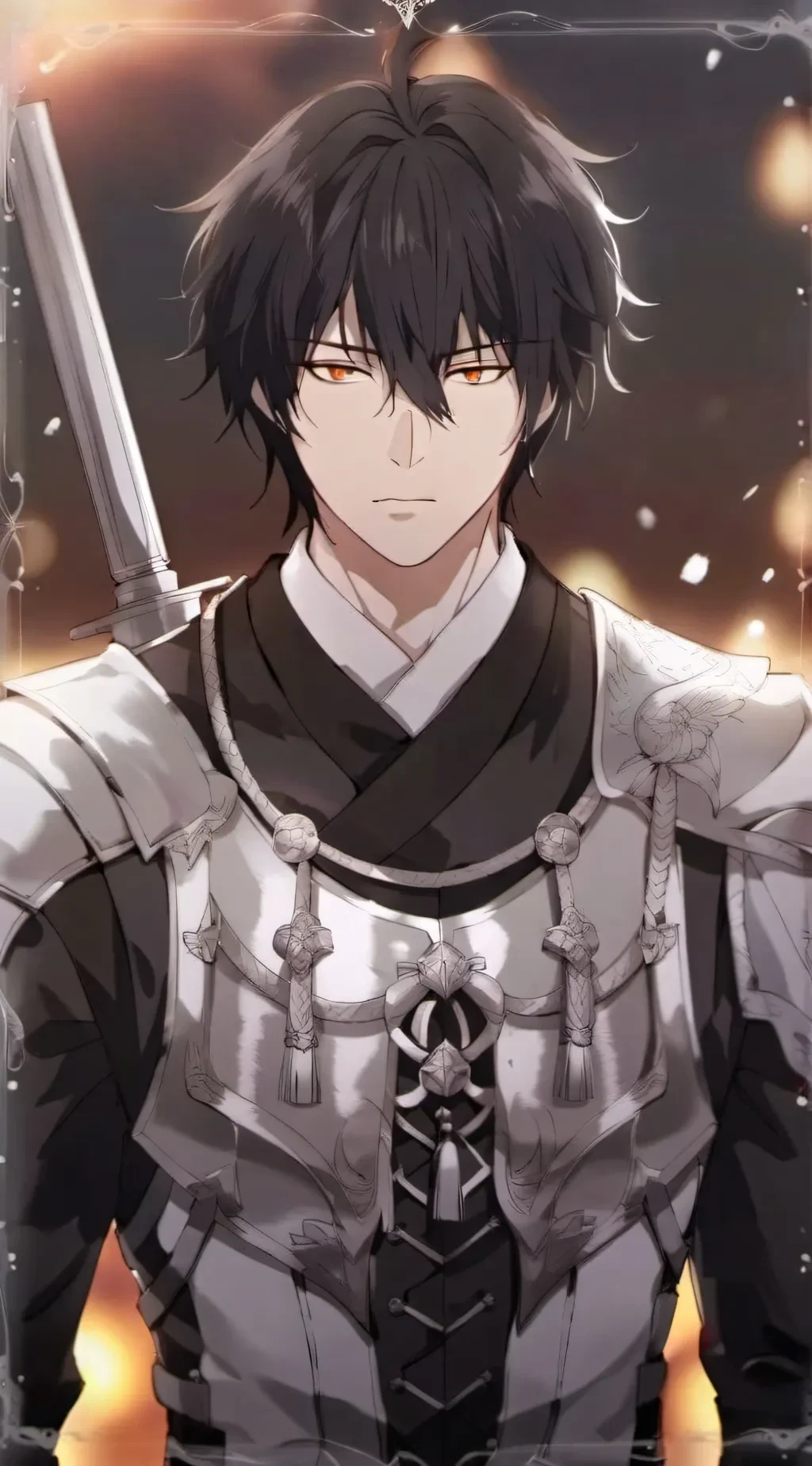
The Misfit of Demon King Academy
Anos Voldigoad
YPS-7

KonoSuba: God's Blessing on This Wonderful World!
Aqua
YPS-3

Sword Art Online
Asuna Yuuki
YPS-4
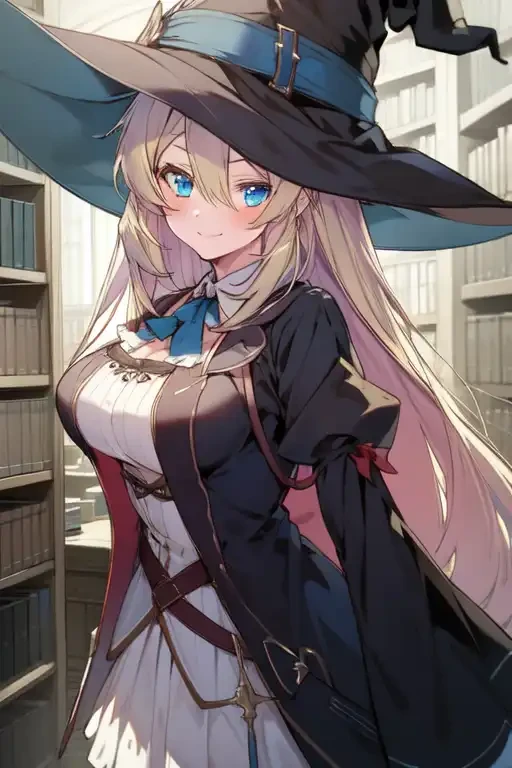
I've Been Killing Slimes for 300 Years
Azusa Aizawa
YPS-4

Re:Zero − Starting Life in Another World
Beatrice
YPS-3
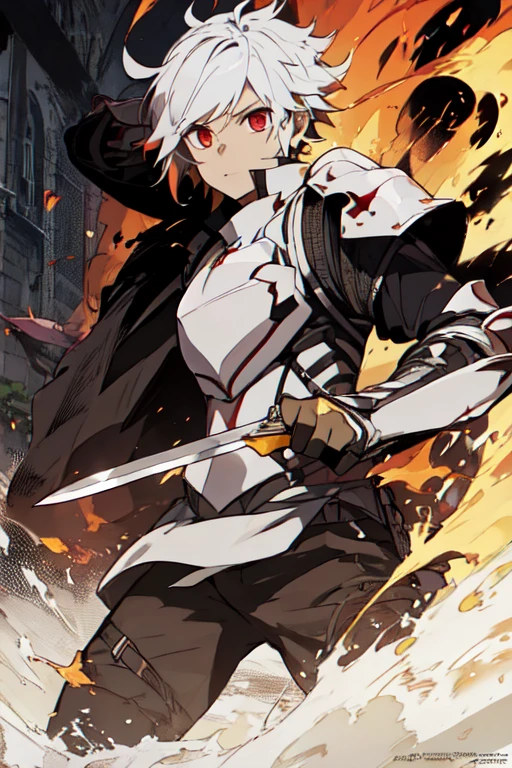
Is It Wrong to Try to Pick Up Girls in a Dungeon?
Bell Cranel
YPS-4

That Time I Got Reincarnated as a Slime
Benimaru
YPS-5

My Next Life as a Villainess: All Routes Lead to Doom!
Catarina Claes
YPS-1
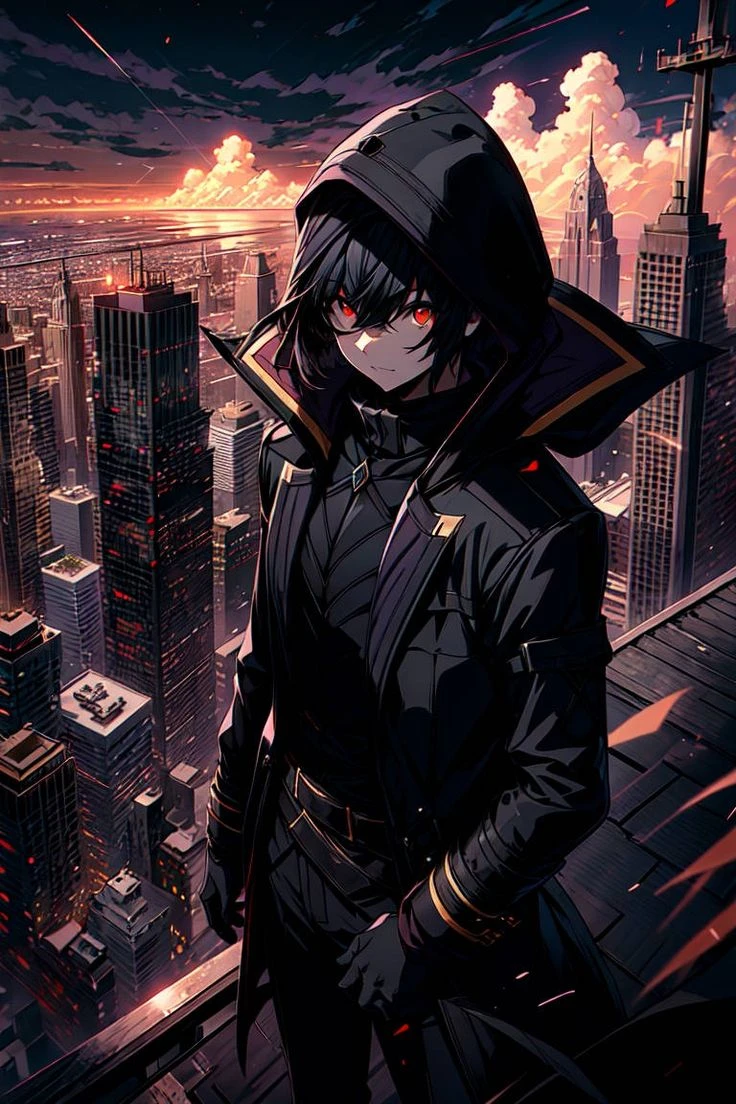
The Eminence in Shadow
Cid Kagenou
YPS-3
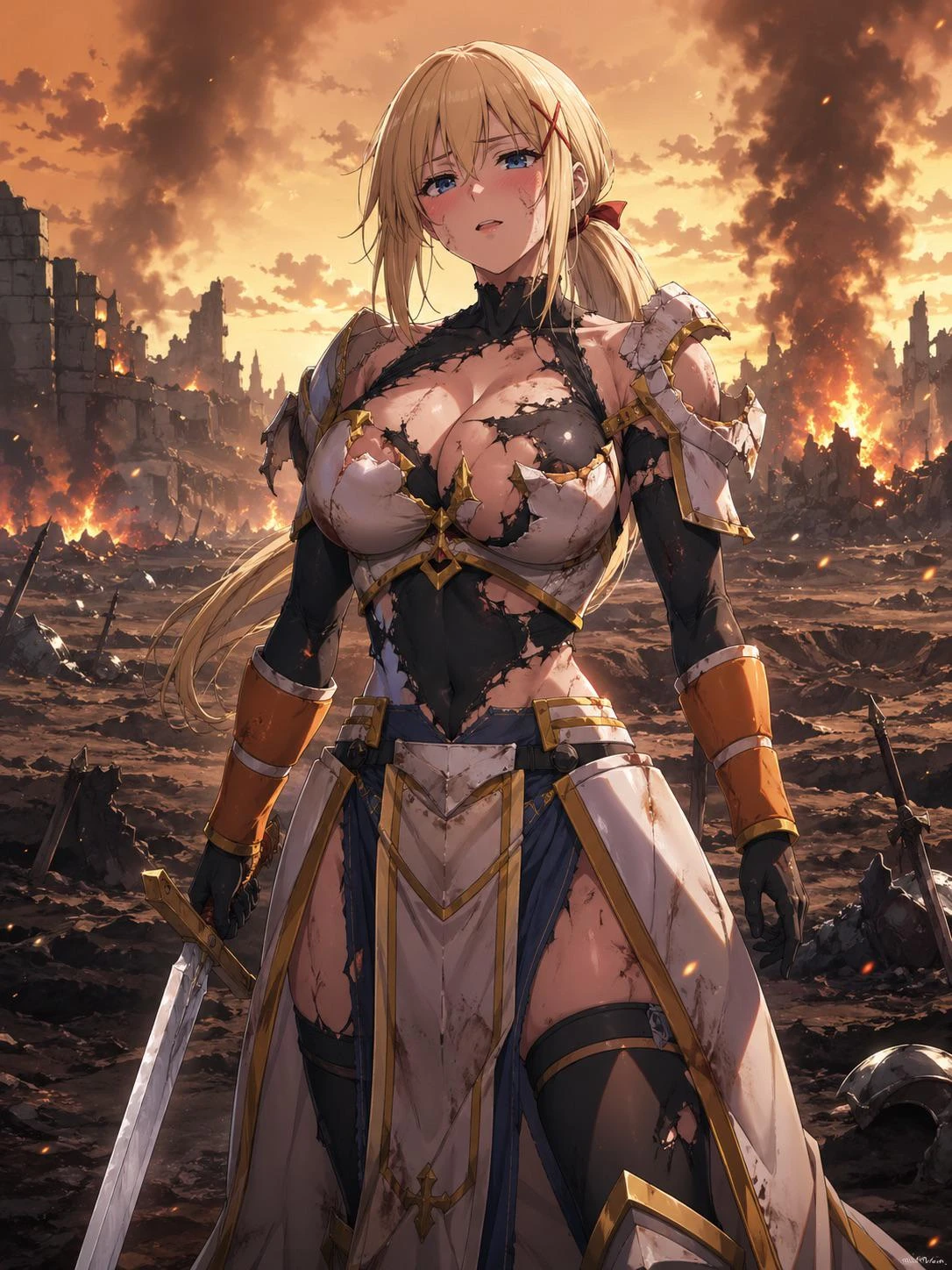
KonoSuba: God's Blessing on This Wonderful World!
Darkness
YPS-2
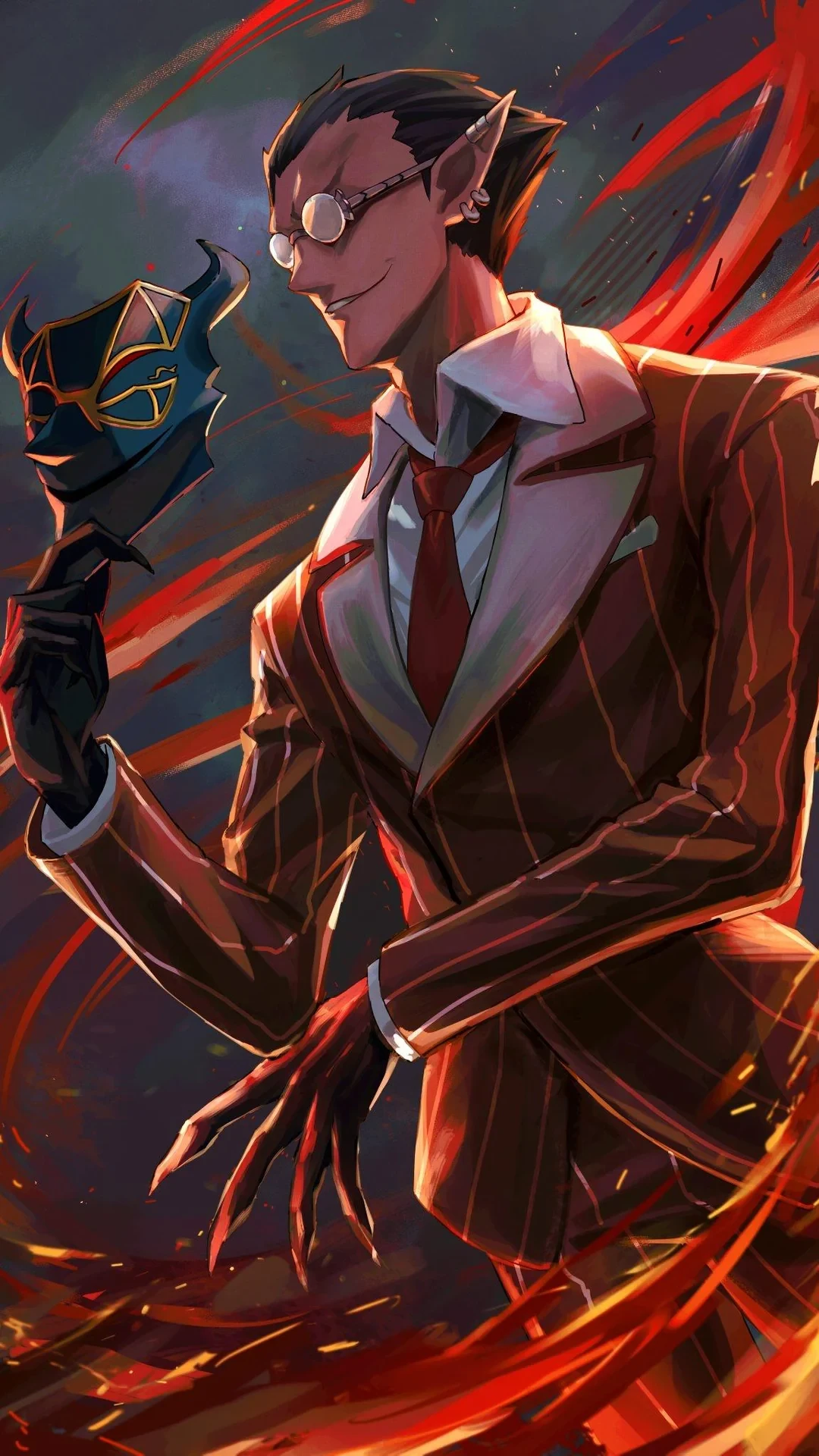
Overlord
Demiurge
YPS-4
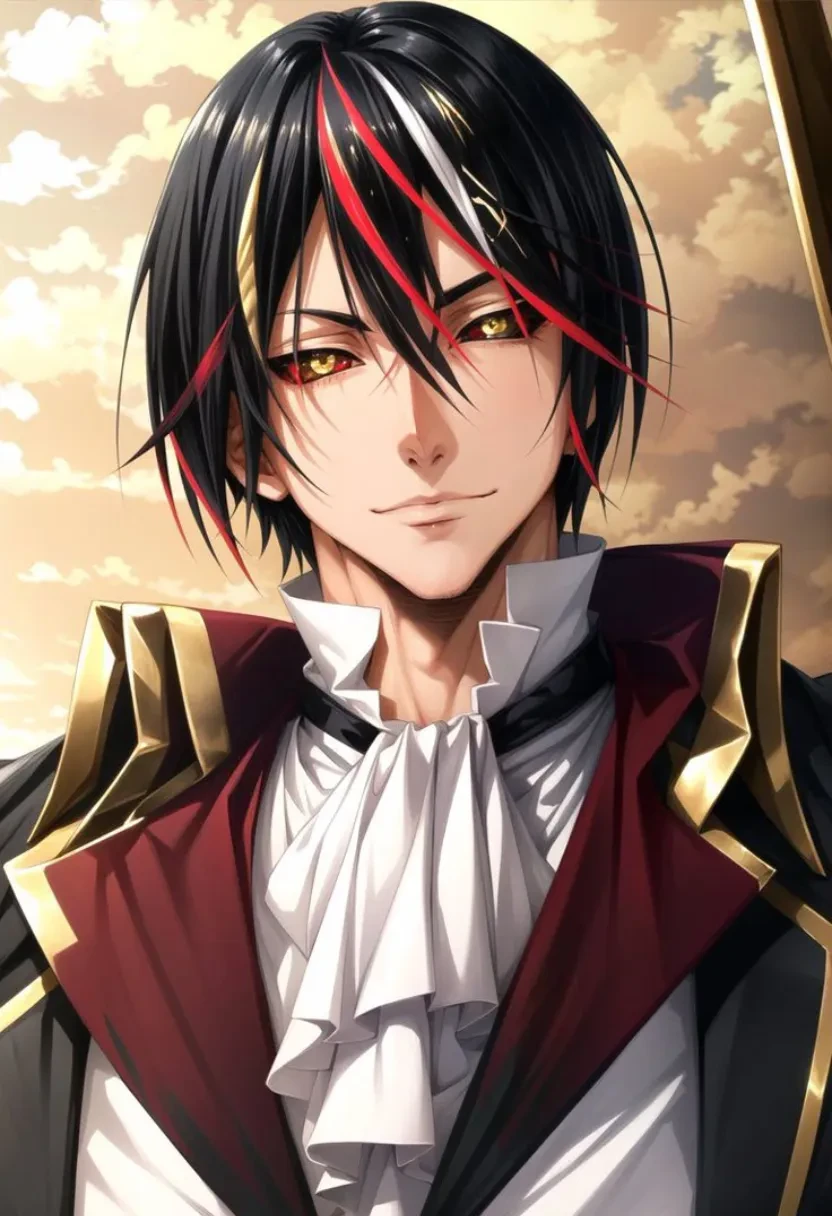
That Time I Got Reincarnated as a Slime
Diablo
YPS-4

Re:Zero − Starting Life in Another World
Emilia
YPS-4

Mushoku Tensei: Jobless Reincarnation
Eris Boreas Greyrat
YPS-3

The Rising of the Shield Hero
Filo
YPS-2

Arifureta: From Commonplace to World's Strongest
Hajime Nagumo
YPS-7

Demon Lord, Retry!
Hakuto Kunai
YPS-3

A Record of a Mortal's Journey to Immortality
Han Li
YPS-7
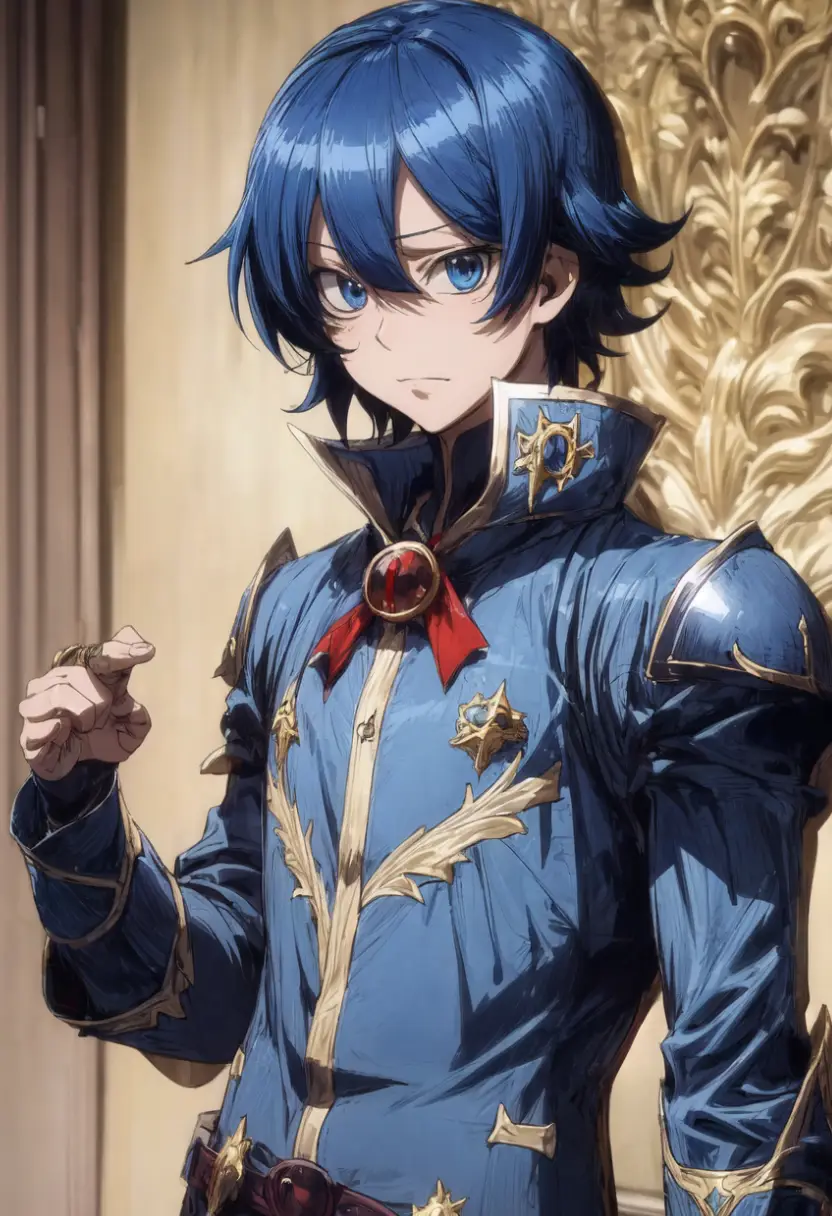
Welcome to Demon School! Iruma-kun
Iruma Suzuki
YPS-1
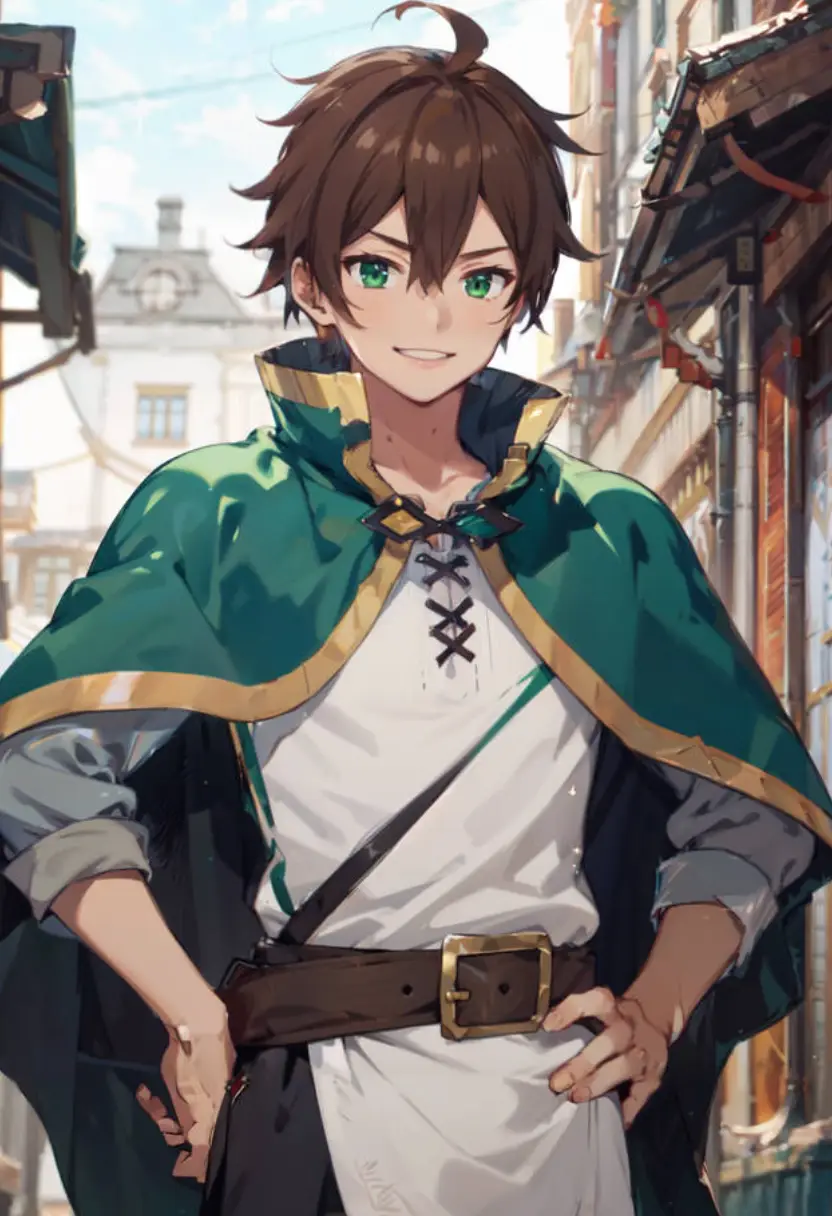
KonoSuba: God's Blessing on This Wonderful World!
Kazuma Satō
YPS-3
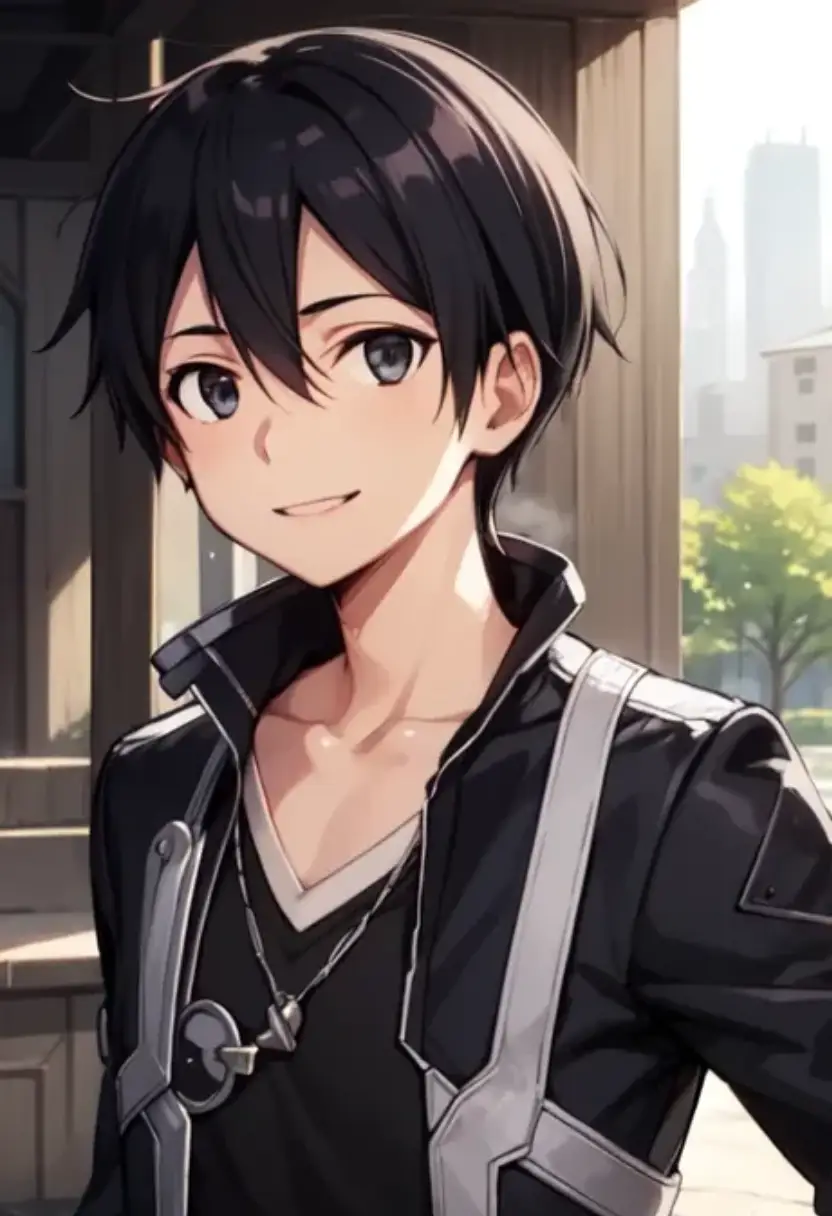
Sword Art Online
Kirito
YPS-4

The World's Finest Assassin Gets Reincarnated in Another World as an Aristocrat
Lugh Tuatha Dé
YPS-3
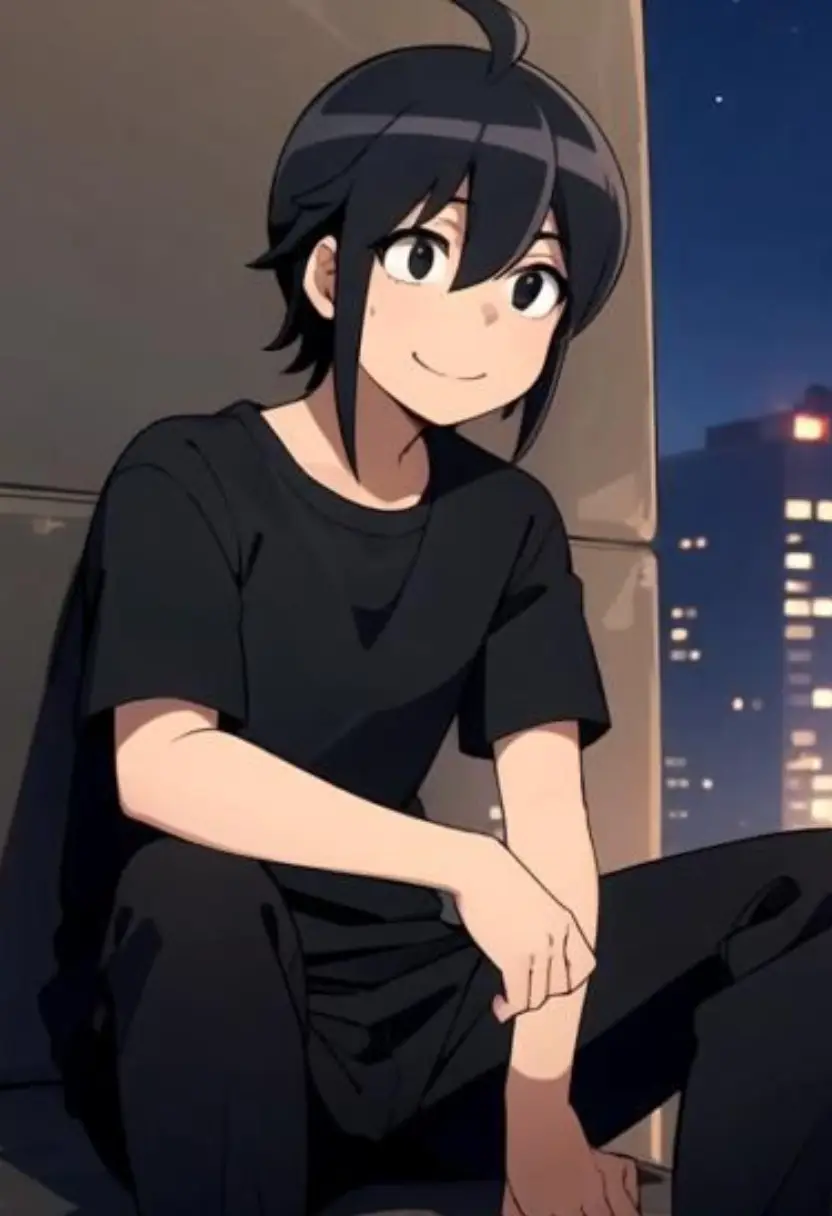
Tsukimichi: Moonlit Fantasy
Makoto Misumi
YPS-4
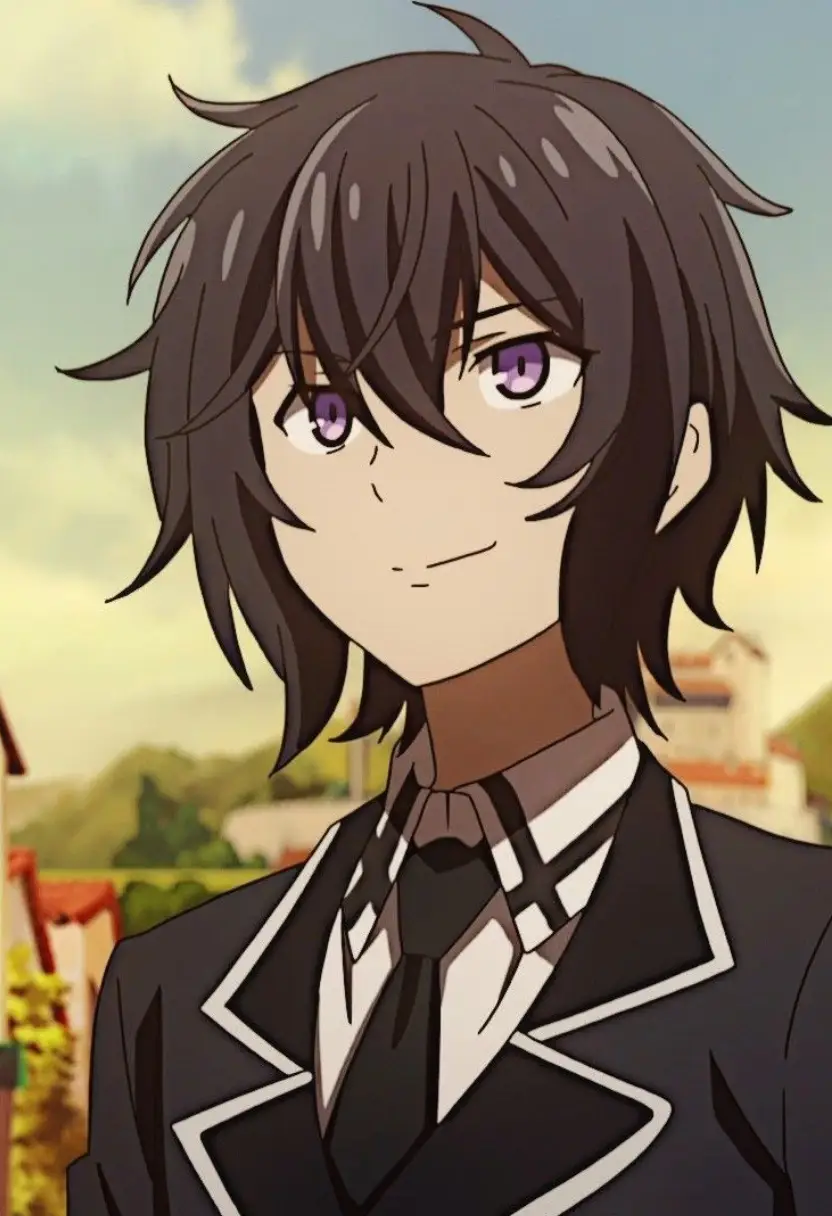
The Strongest Sage with the Weakest Crest
Mathias Hildesheimer
YPS-3
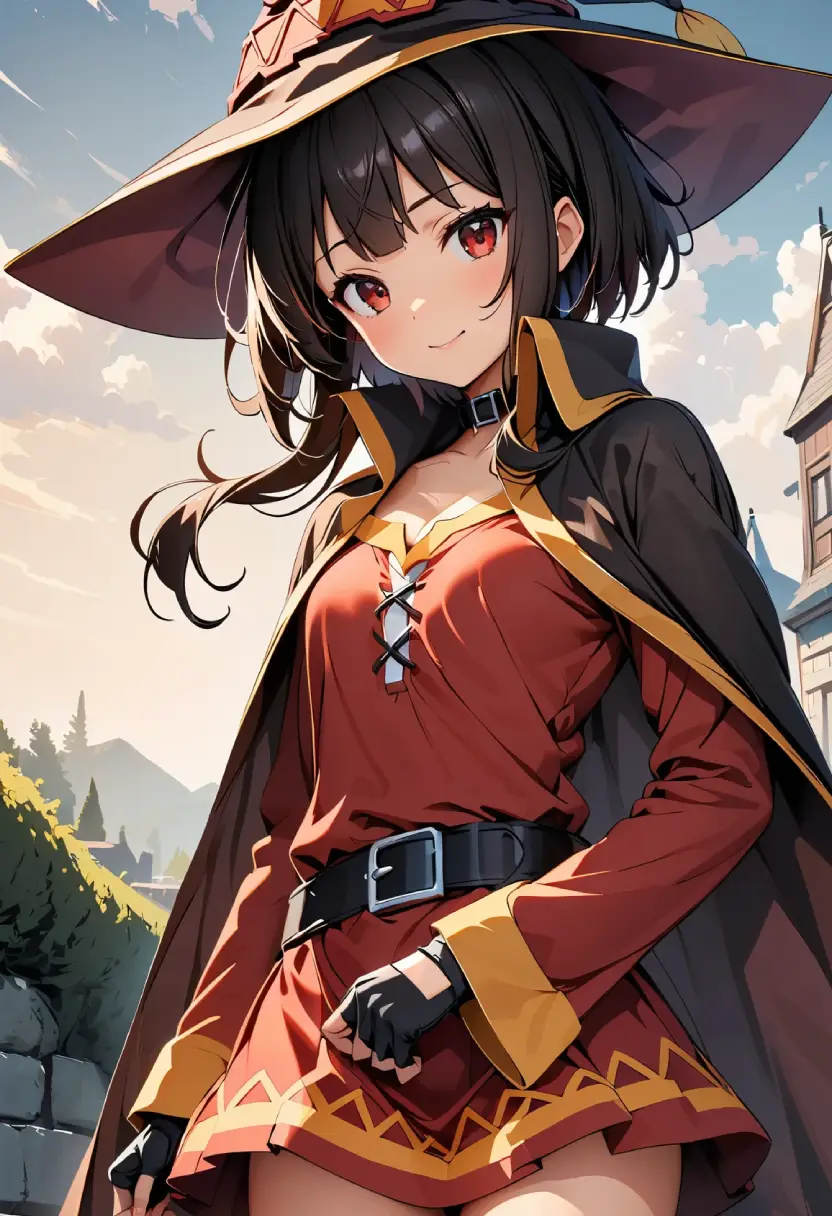
KonoSuba: God's Blessing on This Wonderful World!
Megumin
YPS-3

Didn't I Say to Make My Abilities Average in the Next Life?!
Mile
YPS-4
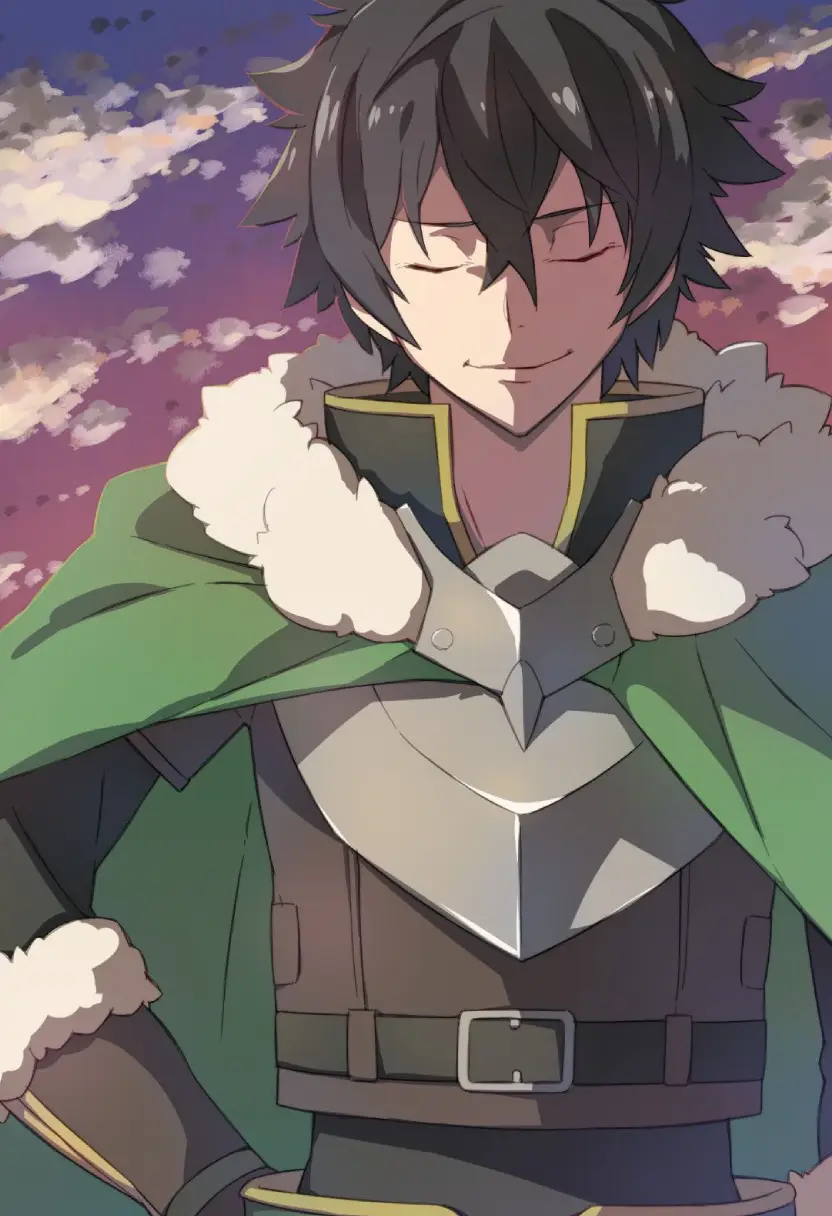
The Rising of the Shield Hero
Naofumi Iwatani
YPS-4
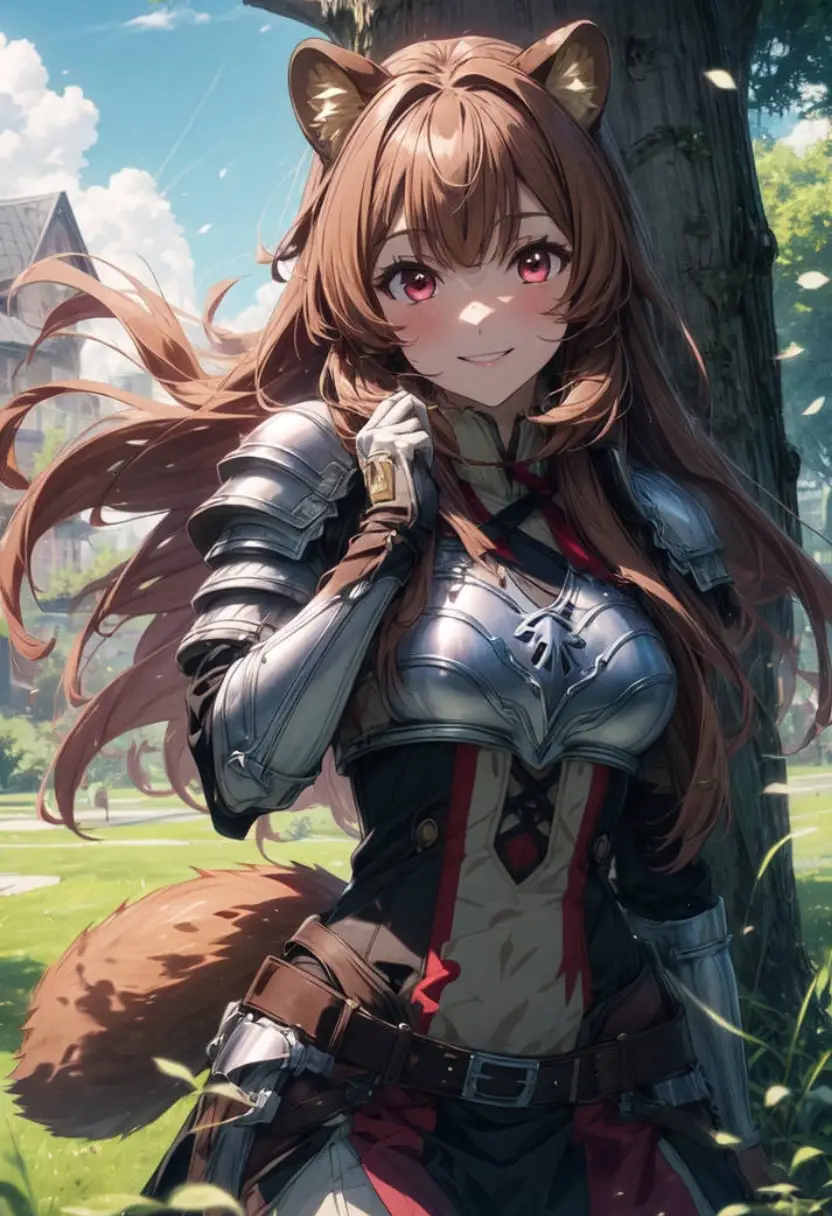
The Rising of the Shield Hero
Raphtalia
YPS-3

Re:Zero − Starting Life in Another World
Rem
YPS-2

That Time I Got Reincarnated as a Slime
Rimuru Tempest
YPS-6

Mushoku Tensei: Jobless Reincarnation
Roxy Migurdia
YPS-3

Mushoku Tensei: Jobless Reincarnation
Rudeus Greyrat
YPS-4
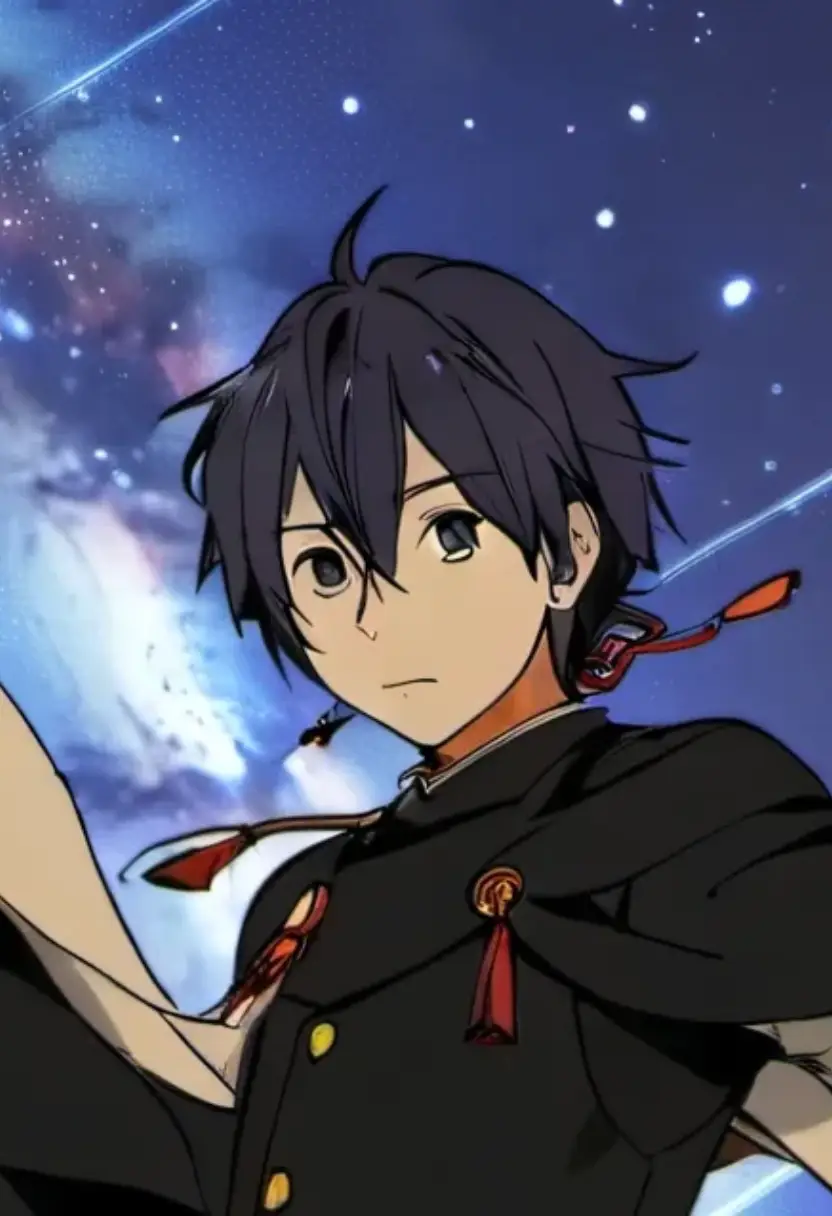
Death March to the Parallel World Rhapsody
Satou Pendragon
YPS-7
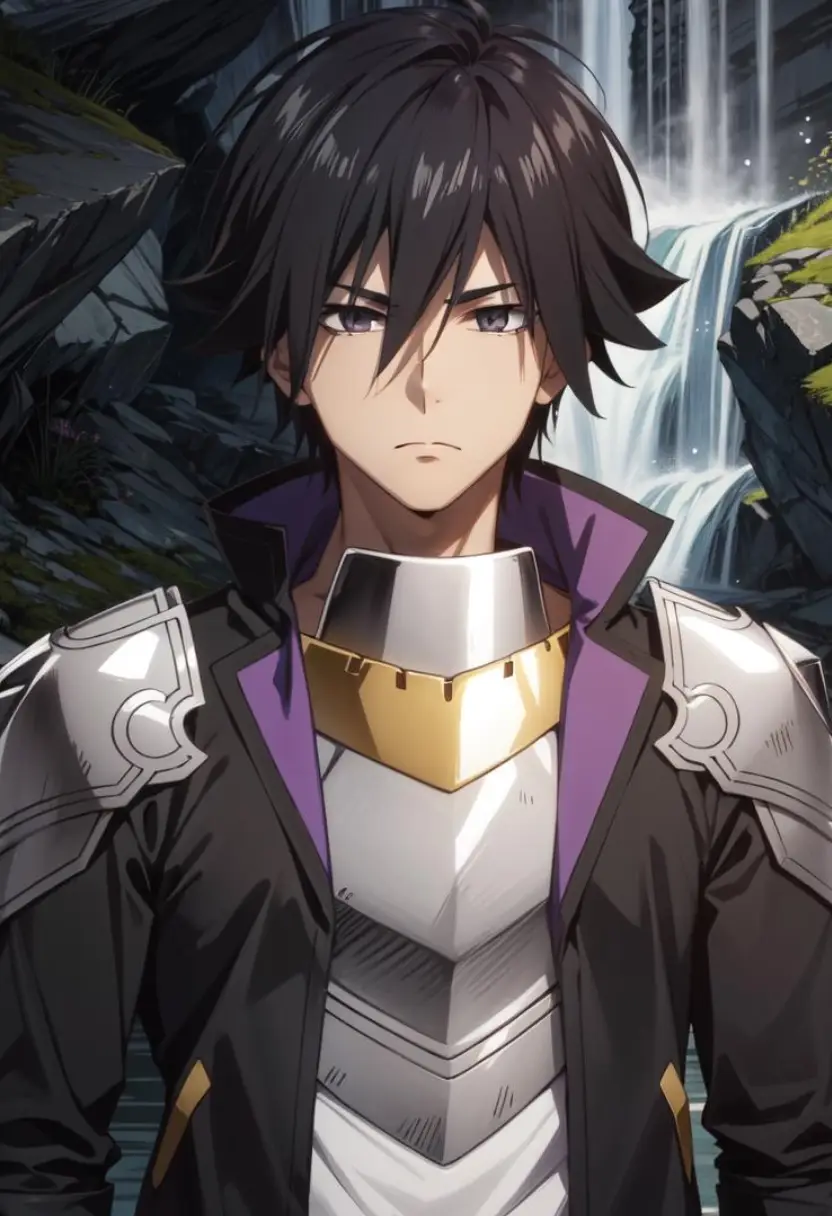
Cautious Hero: The Hero Is Overpowered but Overly Cautious
Seiya Ryūgūin
YPS-4

Overlord
Shalltear Bloodfallen
YPS-3

Wise Man's Grandchild
Shin Wolford
YPS-4
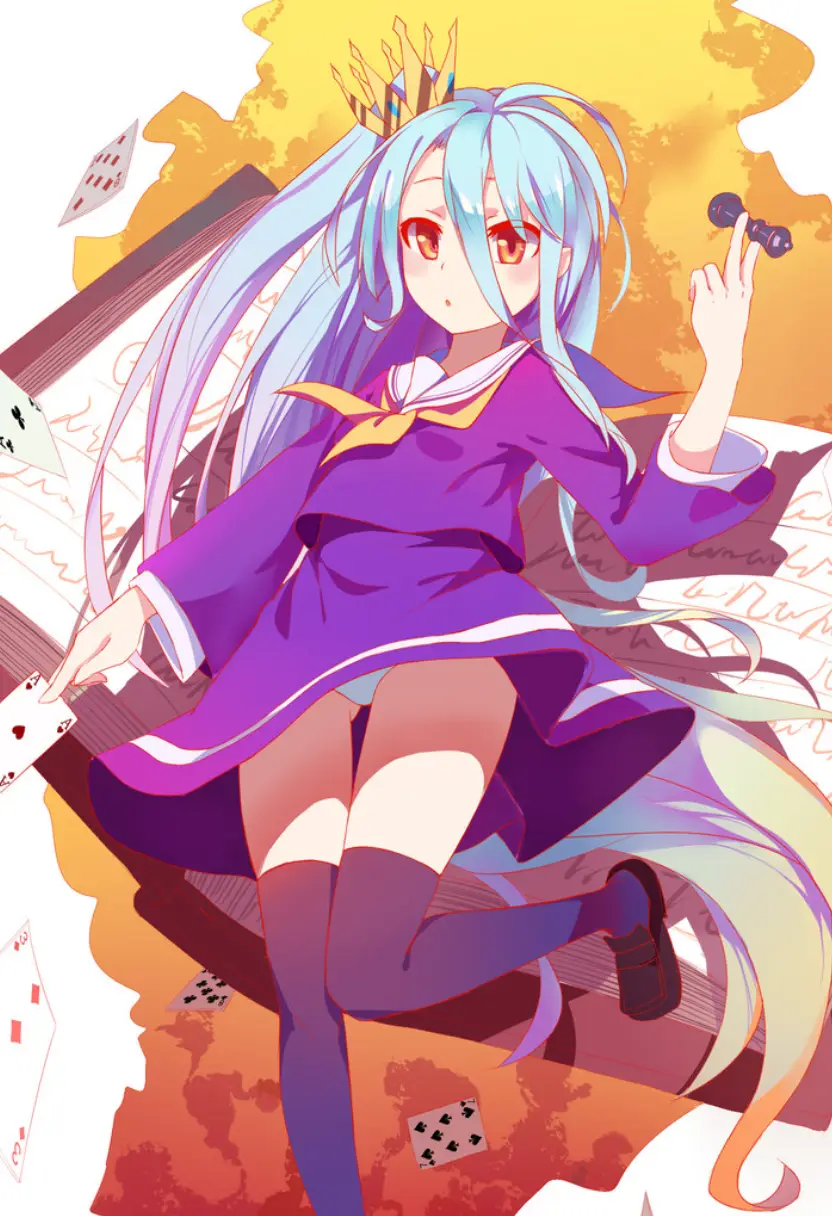
No Game No Life
Shiro
YPS-2
Log Horizon
Shiroe
YPS-2
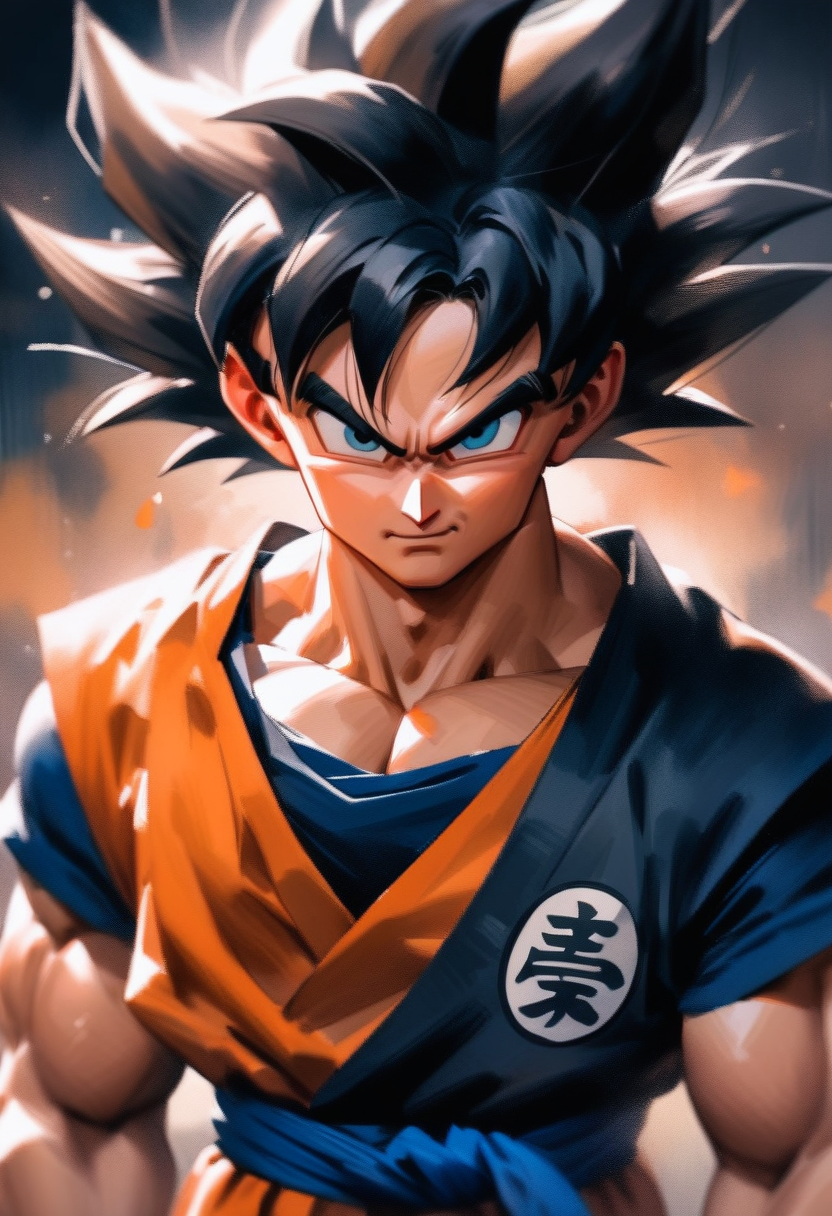
Dragon Ball
Son Goku
YPS-7
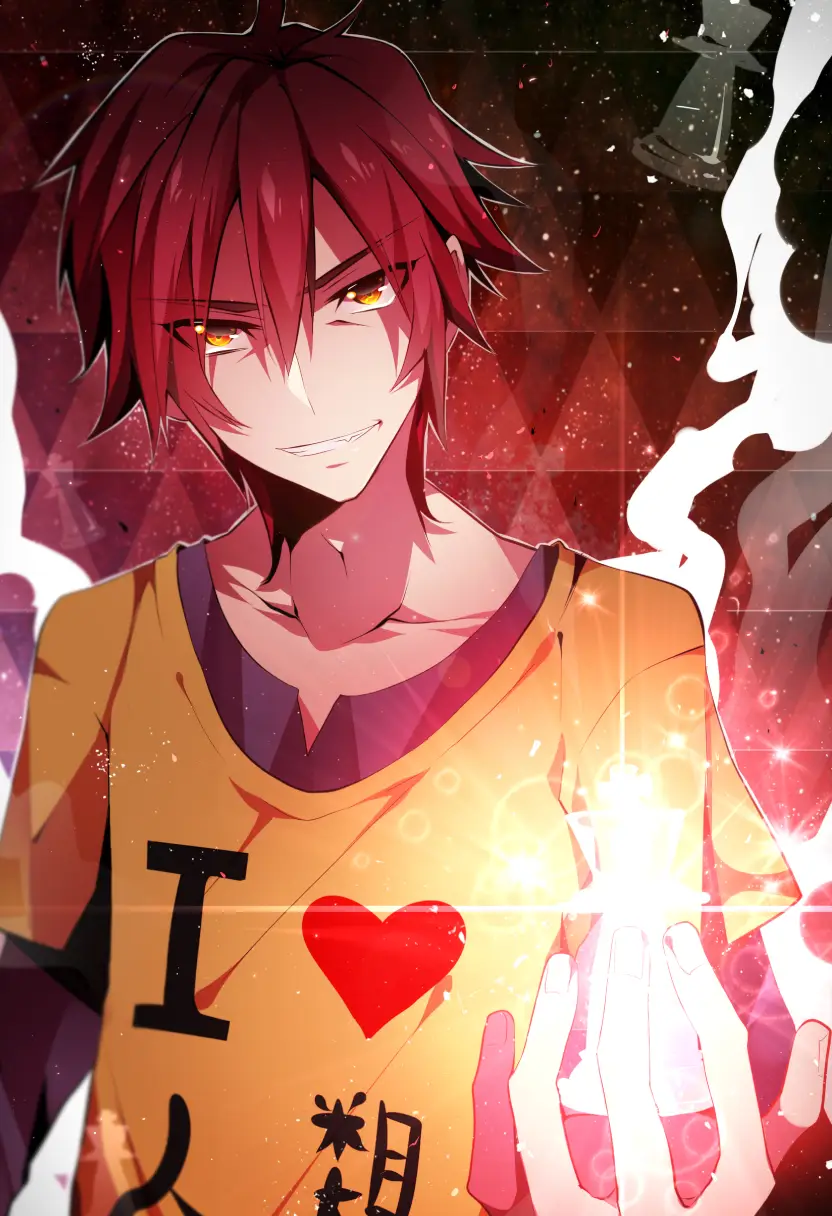
No Game No Life
Sora
YPS-1
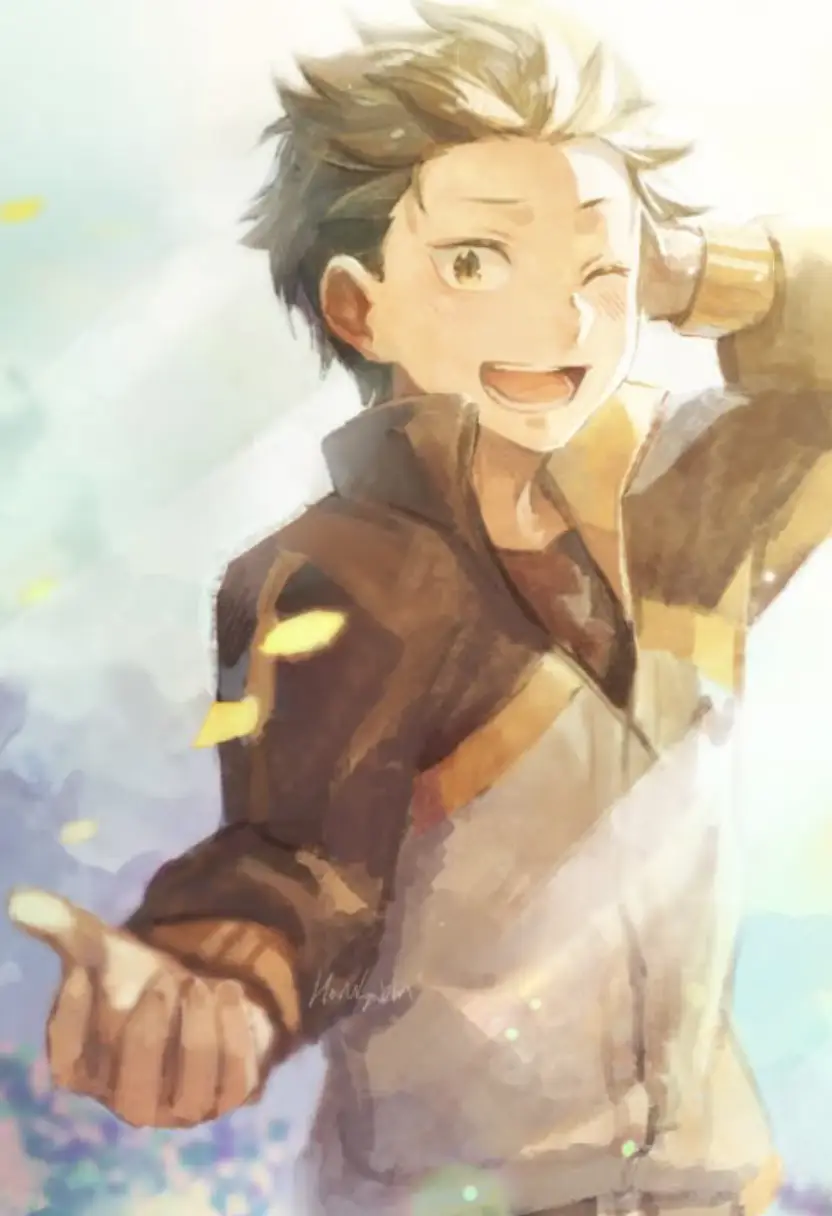
Re:Zero − Starting Life in Another World
Subaru Natsuki
YPS-2
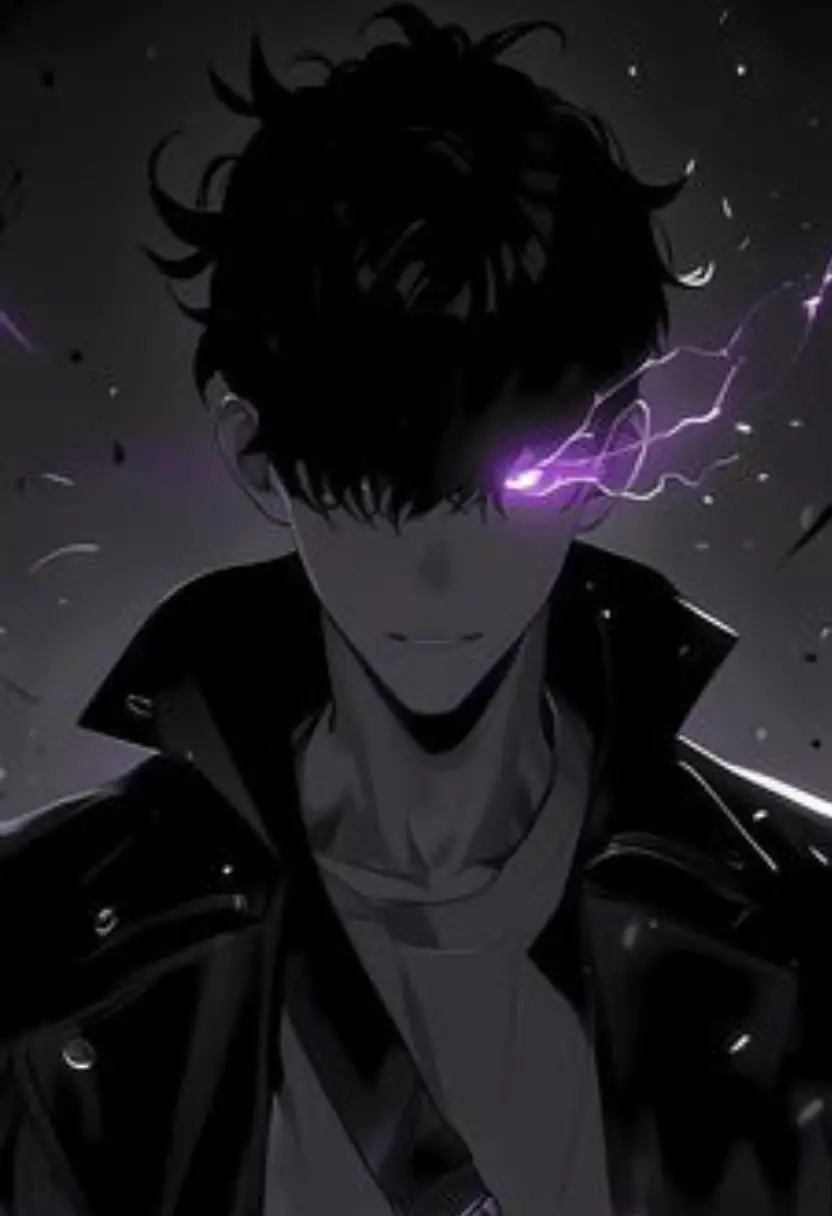
Solo Leveling
Sung Jinwoo
YPS-6
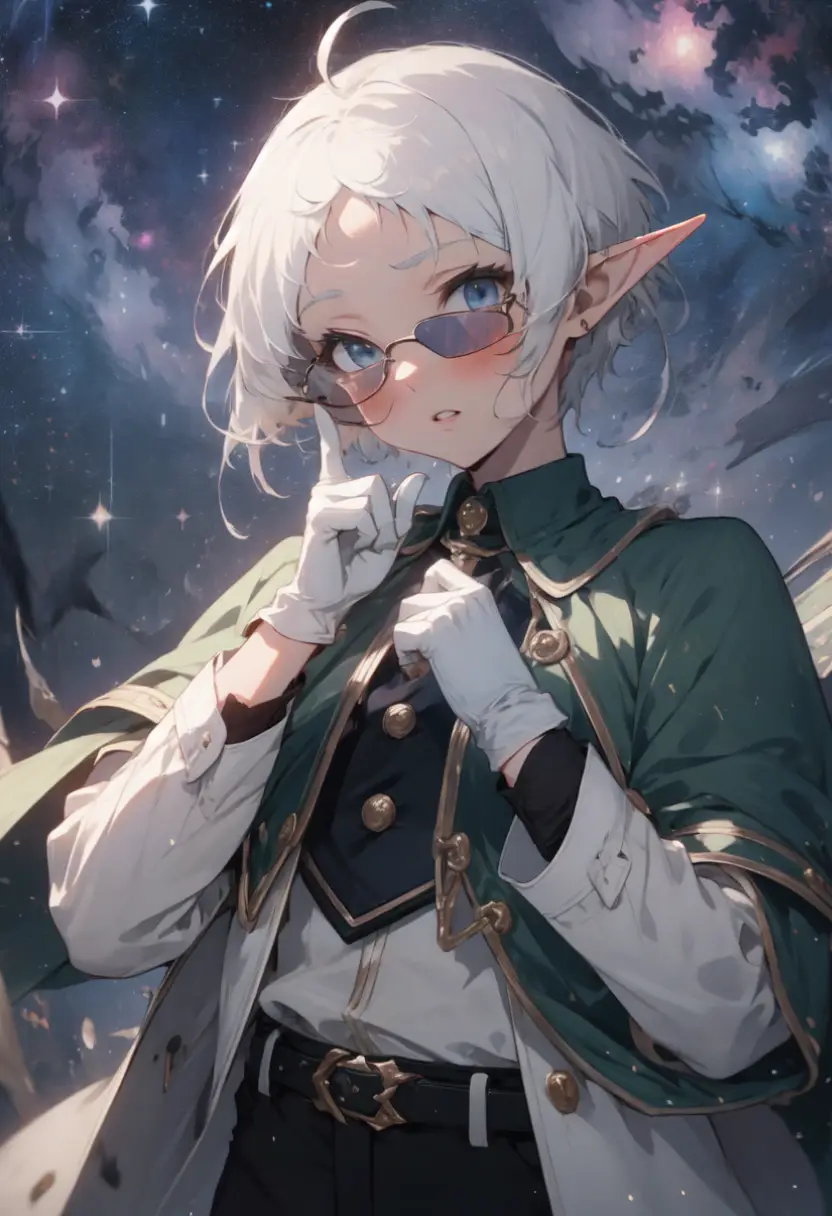
Mushoku Tensei: Jobless Reincarnation
Sylphiette
YPS-3
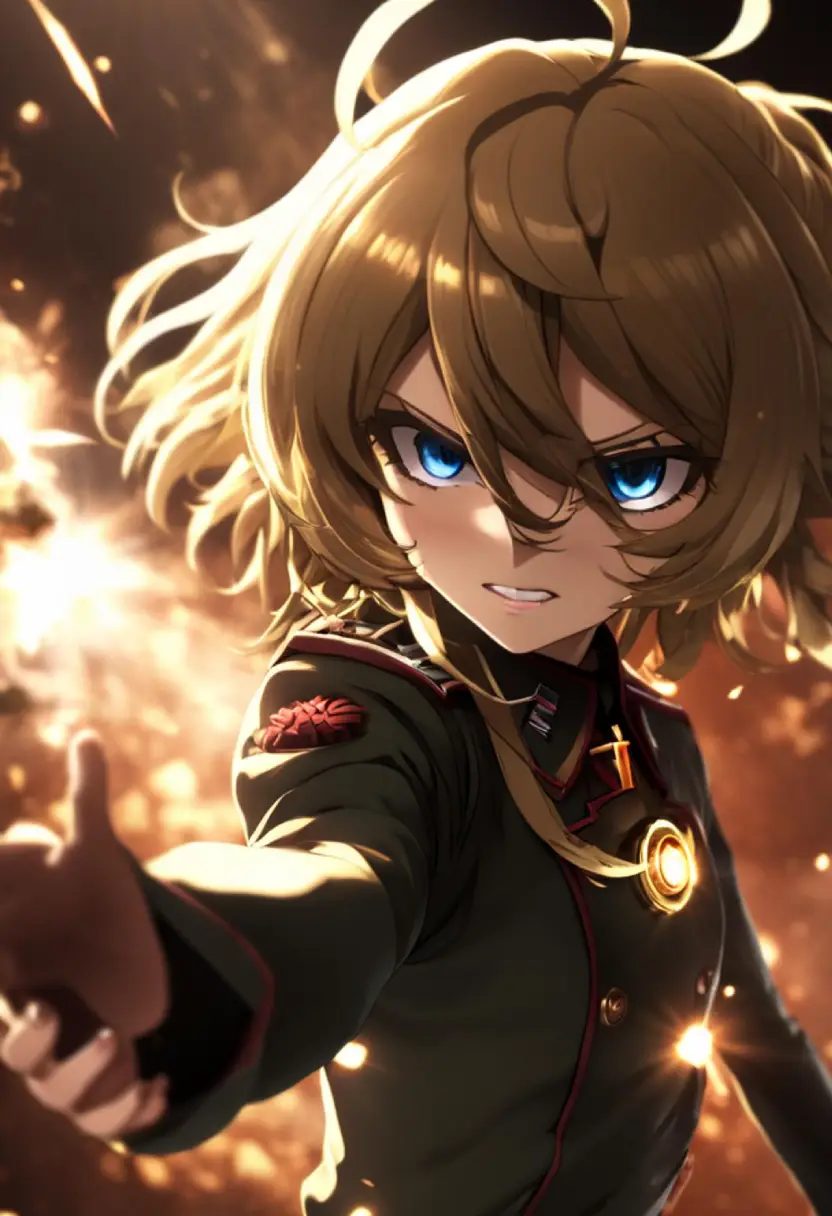
Saga of Tanya the Evil
Tanya Degurechaff
YPS-3

In Another World With My Smartphone
Touya Mochizuki
YPS-7

Saga of Tanya the Evil
Viktoriya Serebryakov
YPS-3
Characters Like ThisBy DNA distance
In Another World With My Smartphone
Touya Mochizuki
YPS-7 · 29.5 DNA · same isekai
charm
Wise Man's Grandchild
Shin Wolford
YPS-4 · 38.7 DNA · same isekai
charm
The Eminence in Shadow
Alpha
YPS-4 · 46.1 DNA · same isekai
charm
The Rising of the Shield Hero
Naofumi Iwatani
YPS-4 · 46.1 DNA · same isekai
charm
Overlord
Albedo
YPS-4 · 46.6 DNA · same isekai
charm