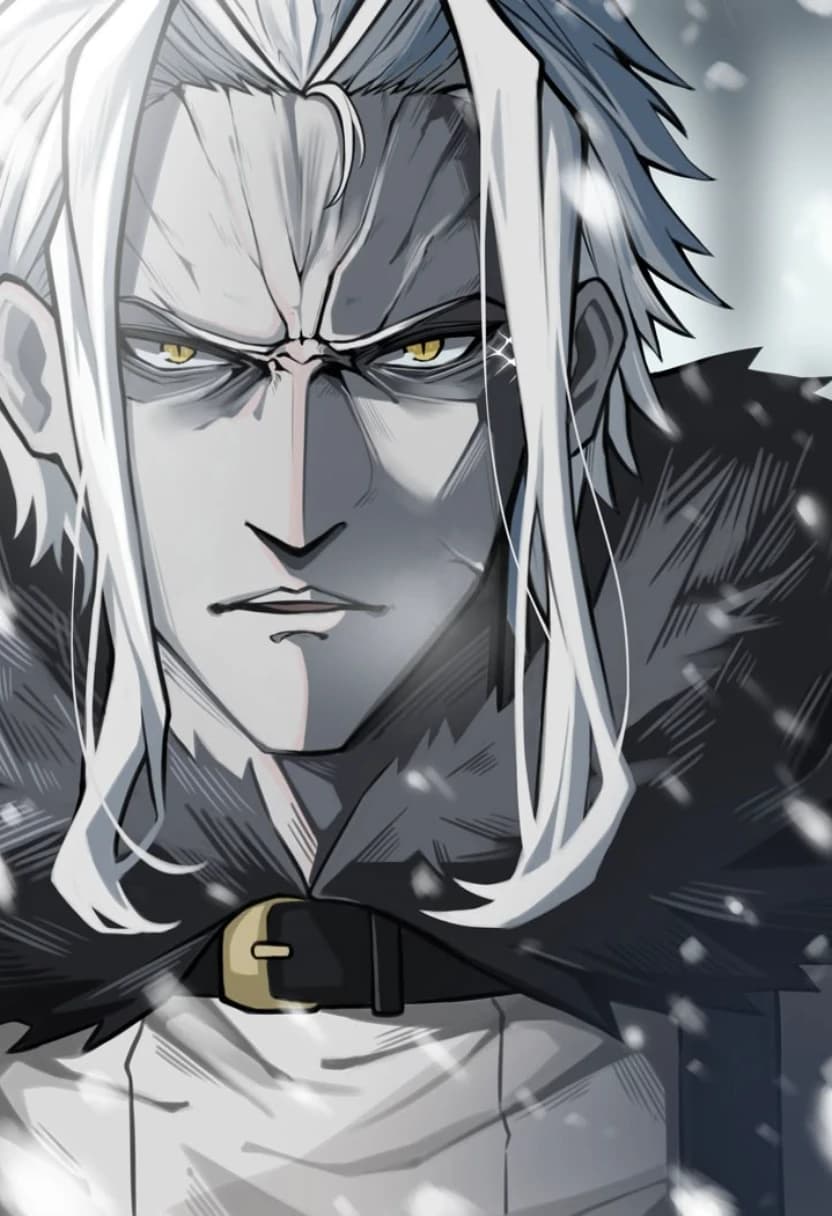
Orsted embodies the paradox of absolute power bound by eternal recurrence—a being so strong that he reshapes history across cycles, yet so isolated that even victory feels hollow. Unlike typical isekai power fantasies, Orsted’s strength is not liberating but imprisoning; his immortality stems from repeated failure to kill Hitogami, forcing him into endless preparation. He breaks genre conventions by being neither a protagonist nor a final boss, but a tragic force operating on a temporal scale beyond human comprehension. His emotional arc centers on yearning for camaraderie—something he explicitly states he wants to believe in—while being cursed to inspire fear. This duality makes him distinctive: a god who strategizes centuries ahead yet finds genuine warmth in playing with Rudeus’s children. Western readings emphasize his role as a power-scale benchmark, while Eastern (ZH) interpretations highlight his emotional repression and paternal tenderness, especially toward Lucy, framing him as a 'lonely elder god' shaped by loss. The gap reflects broader cultural priorities: mechanical power hierarchy vs. emotional resonance. Orsted’s narrative function is less about domination fro
ScoresCharacters Like ThisBy DNA distance
Overlord
Albedo
YPS-4 · 15.1 DNA · same isekai
charm
Re:Zero − Starting Life in Another World
Echidna
YPS-3 · 27.7 DNA · same isekai
charm
Mushoku Tensei: Jobless Reincarnation
Eris Boreas Greyrat
YPS-3 · 27.7 DNA · same isekai
charm
The Eminence in Shadow
Alpha
YPS-4 · 28.3 DNA · same isekai
charm
Re:Zero − Starting Life in Another World
Beatrice
YPS-3 · 30.3 DNA · same isekai
CompareOrsted vs ...
Overlord
Ainz Ooal Gown
YPS-4

Is It Wrong to Try to Pick Up Girls in a Dungeon?
Ais Wallenstein
YPS-4

Log Horizon
Akatsuki
YPS-3

Overlord
Albedo
YPS-4
Sword Art Online
Alice Zuberg
YPS-2
The Eminence in Shadow
Alpha
YPS-4
The Misfit of Demon King Academy
Anos Voldigoad
YPS-7

KonoSuba: God's Blessing on This Wonderful World!
Aqua
YPS-3
Black Clover
Asta
YPS-4

Sword Art Online
Asuna Yuuki
YPS-4

I've Been Killing Slimes for 300 Years
Azusa Aizawa
YPS-4

Re:Zero − Starting Life in Another World
Beatrice
YPS-3
Is It Wrong to Try to Pick Up Girls in a Dungeon?
Bell Cranel
YPS-4

That Time I Got Reincarnated as a Slime
Benimaru
YPS-5

My Next Life as a Villainess: All Routes Lead to Doom!
Catarina Claes
YPS-1

Solo Leveling
Cha Hae-In
YPS-4
The Eminence in Shadow
Cid Kagenou
YPS-3
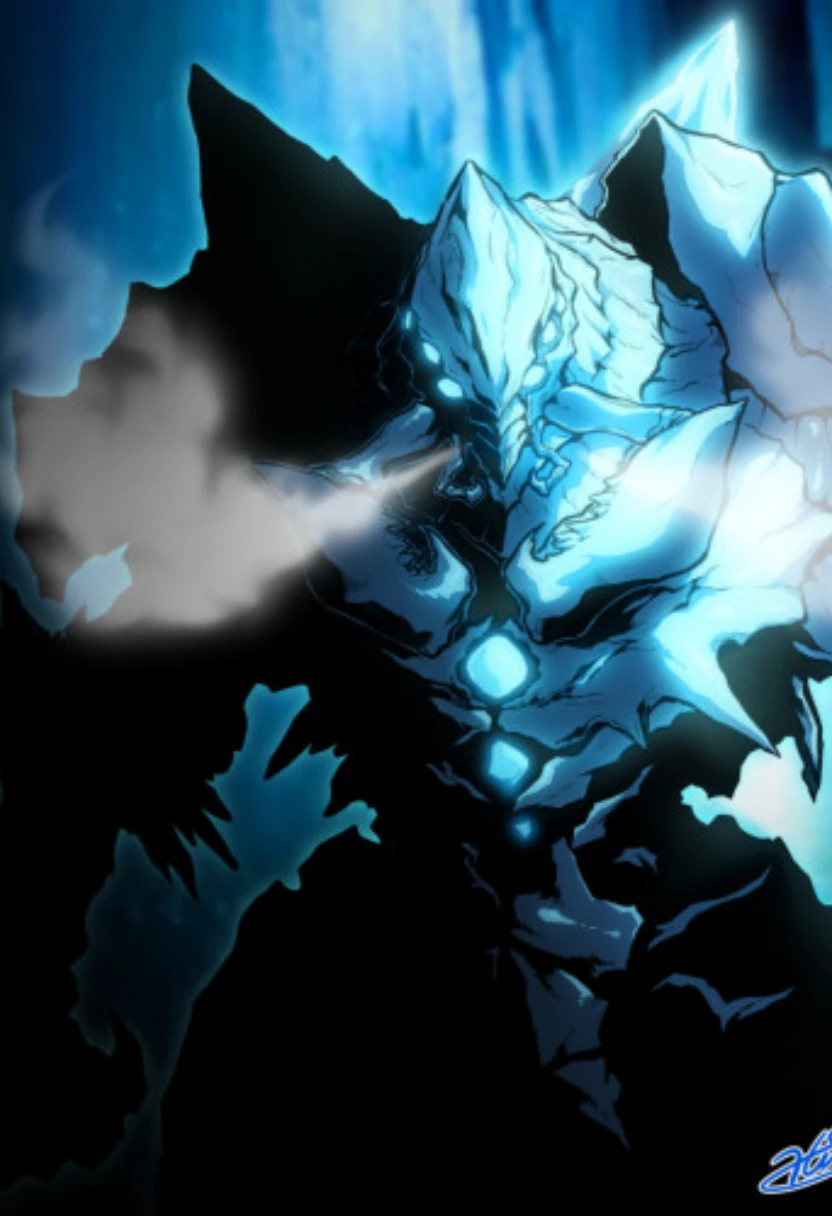
Overlord
Cocytus
YPS-2
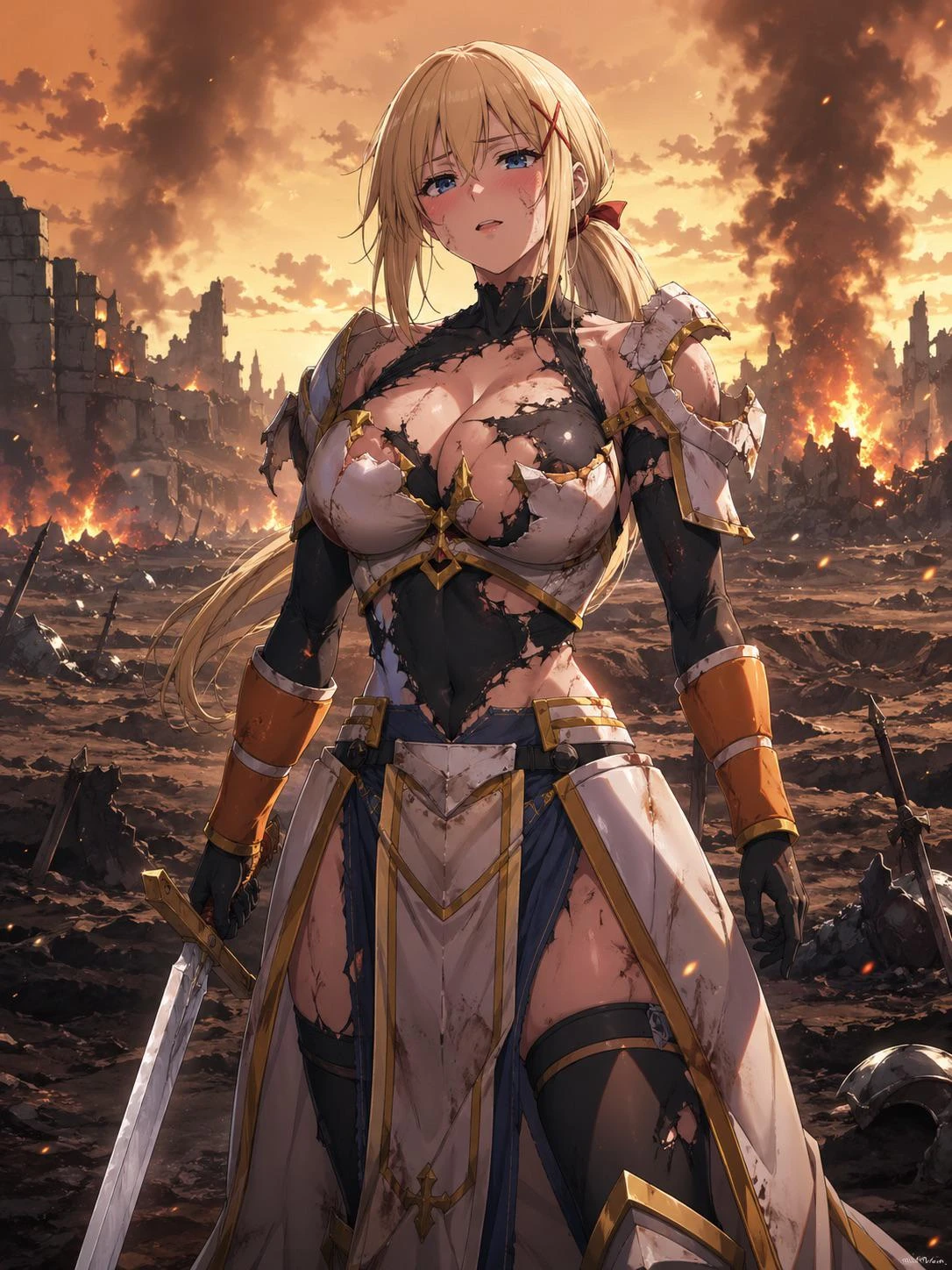
KonoSuba: God's Blessing on This Wonderful World!
Darkness
YPS-2
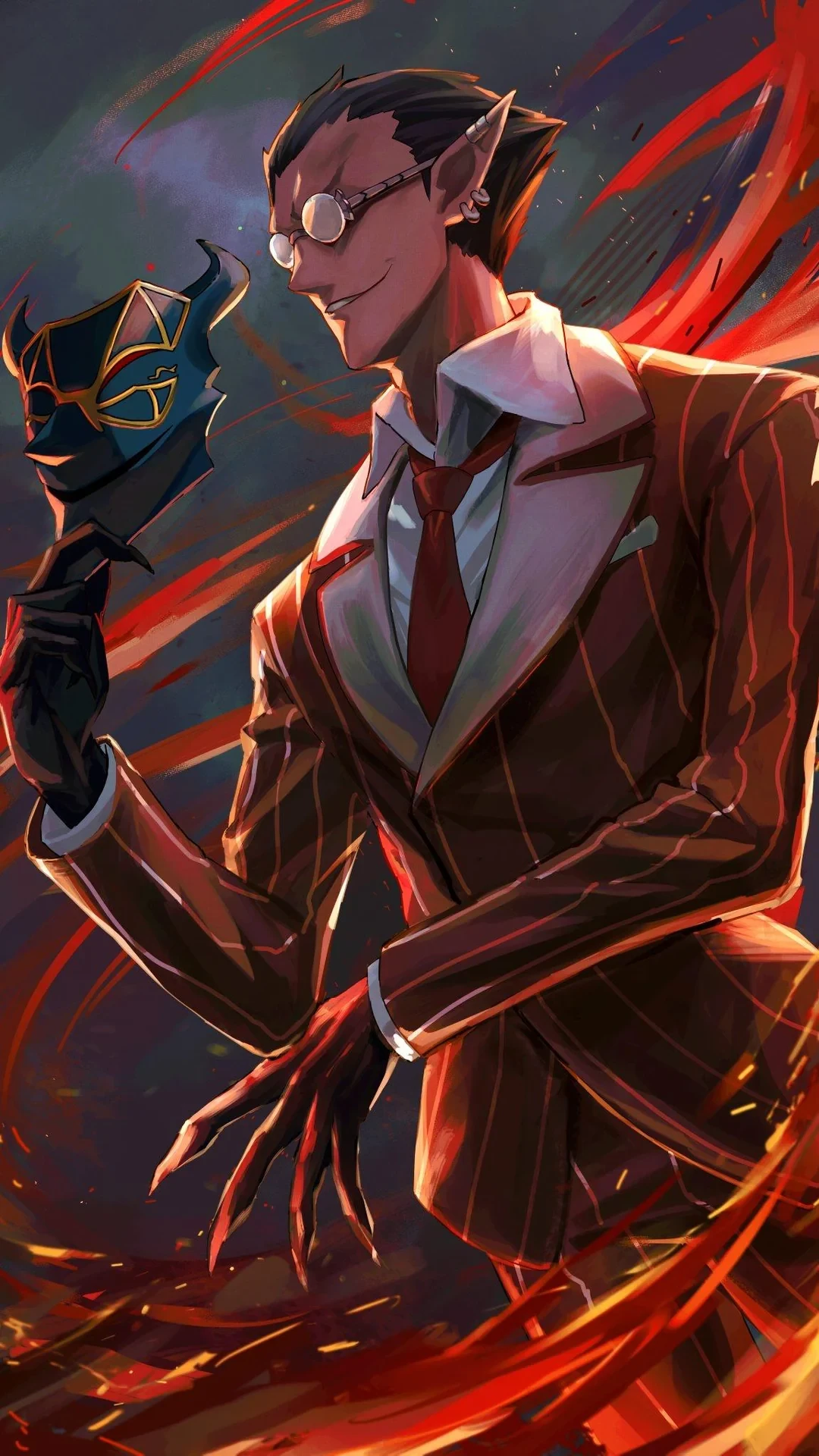
Overlord
Demiurge
YPS-4

Chainsaw Man
Denji
YPS-4

That Time I Got Reincarnated as a Slime
Diablo
YPS-4

Re:Zero − Starting Life in Another World
Echidna
YPS-3

Fullmetal Alchemist: Brotherhood
Edward Elric
YPS-2

Re:Zero − Starting Life in Another World
Emilia
YPS-4
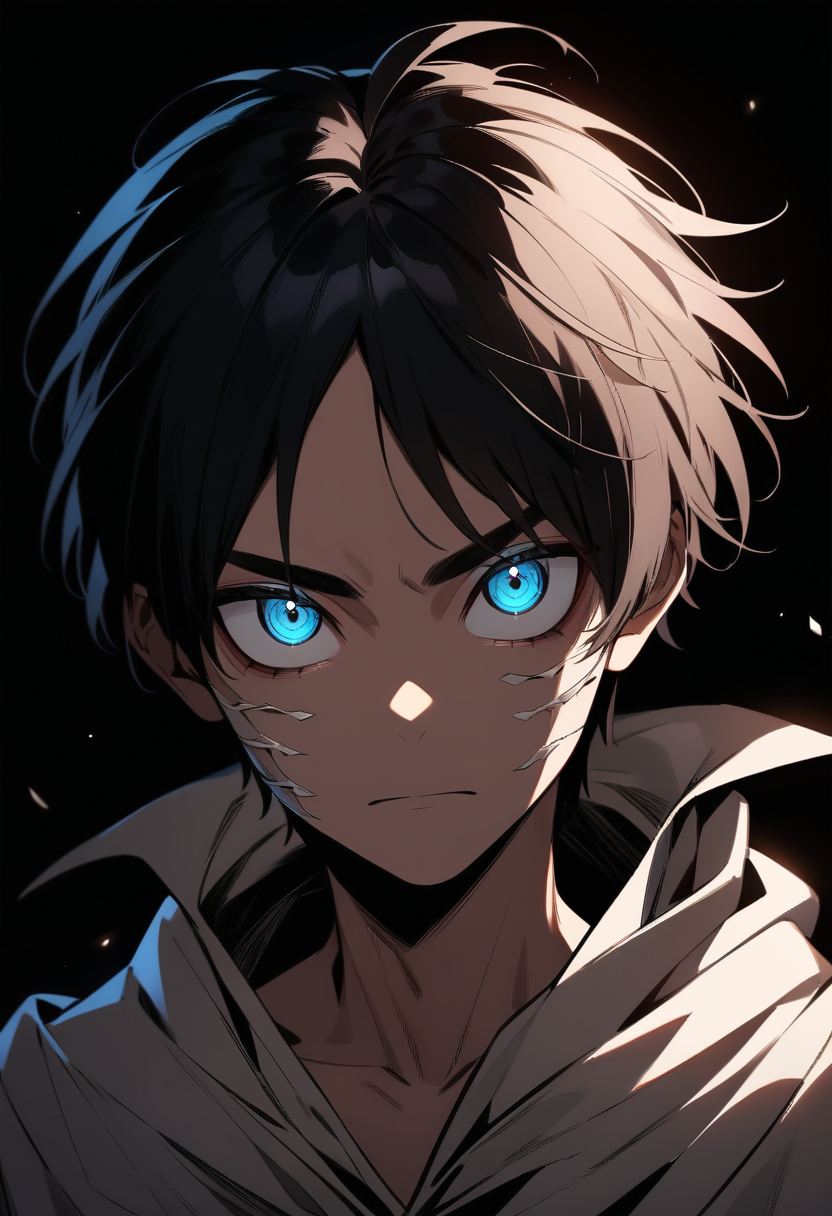
Attack on Titan
Eren Yeager
YPS-6

Mushoku Tensei: Jobless Reincarnation
Eris Boreas Greyrat
YPS-3
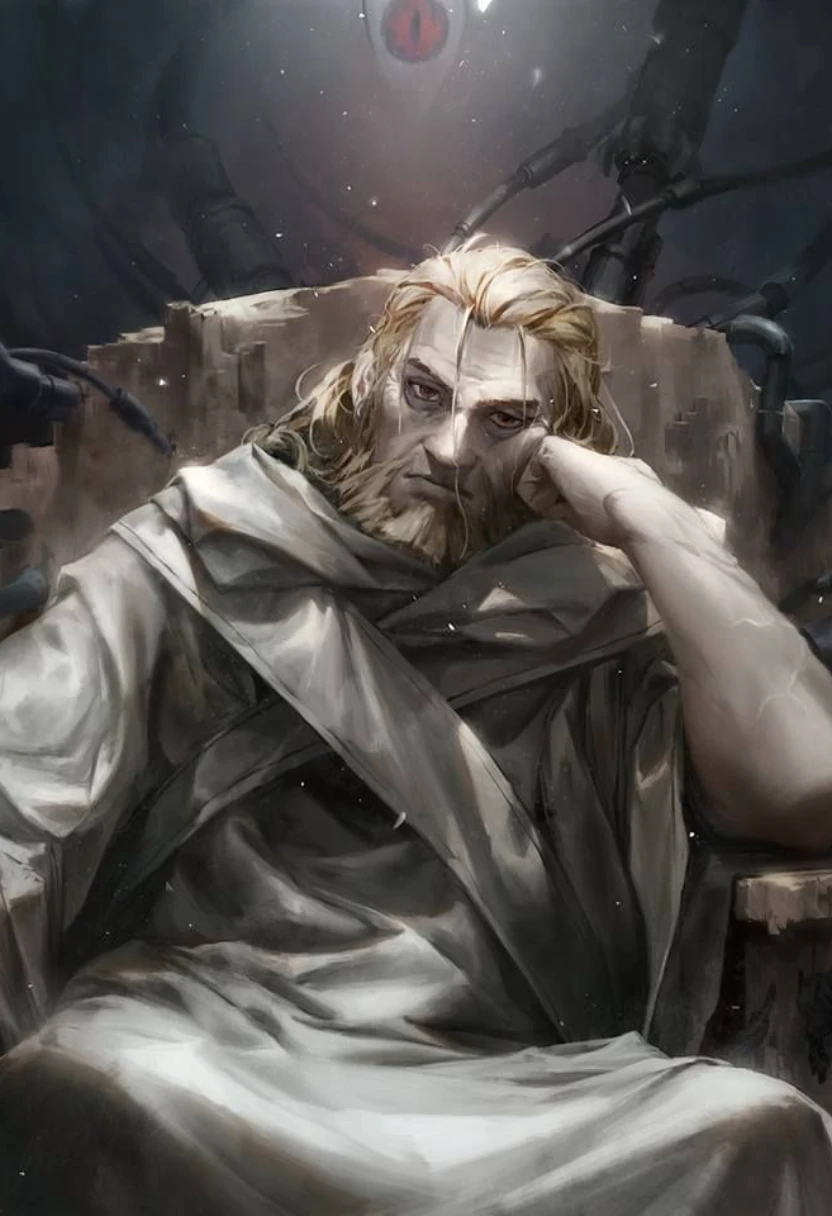
Fullmetal Alchemist: Brotherhood
Father
YPS-7

The Rising of the Shield Hero
Filo
YPS-2

Is It Wrong to Try to Pick Up Girls in a Dungeon?
Freya
YPS-4

The Rising of the Shield Hero
Glass
YPS-4

Hunter x Hunter (2011)
Gon Freecss
YPS-4
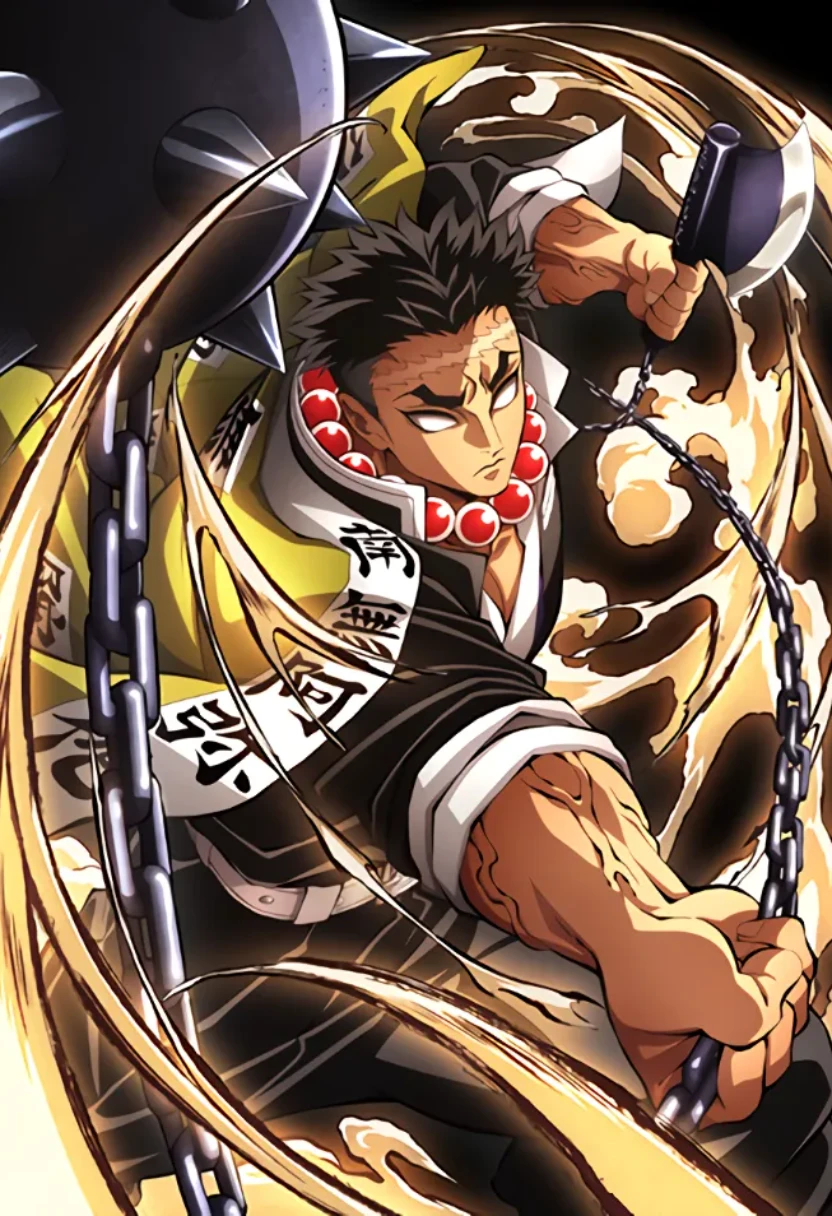
Demon Slayer: Kimetsu no Yaiba
Gyomei Himejima
YPS-3

Arifureta: From Commonplace to World's Strongest
Hajime Nagumo
YPS-7

Demon Lord, Retry!
Hakuto Kunai
YPS-3

A Record of a Mortal's Journey to Immortality
Han Li
YPS-7

Is It Wrong to Try to Pick Up Girls in a Dungeon?
Hestia
YPS-2

Hunter x Hunter (2011)
Hisoka Morow
YPS-4

Bleach
Ichigo Kurosaki
YPS-5

Welcome to Demon School! Iruma-kun
Iruma Suzuki
YPS-1
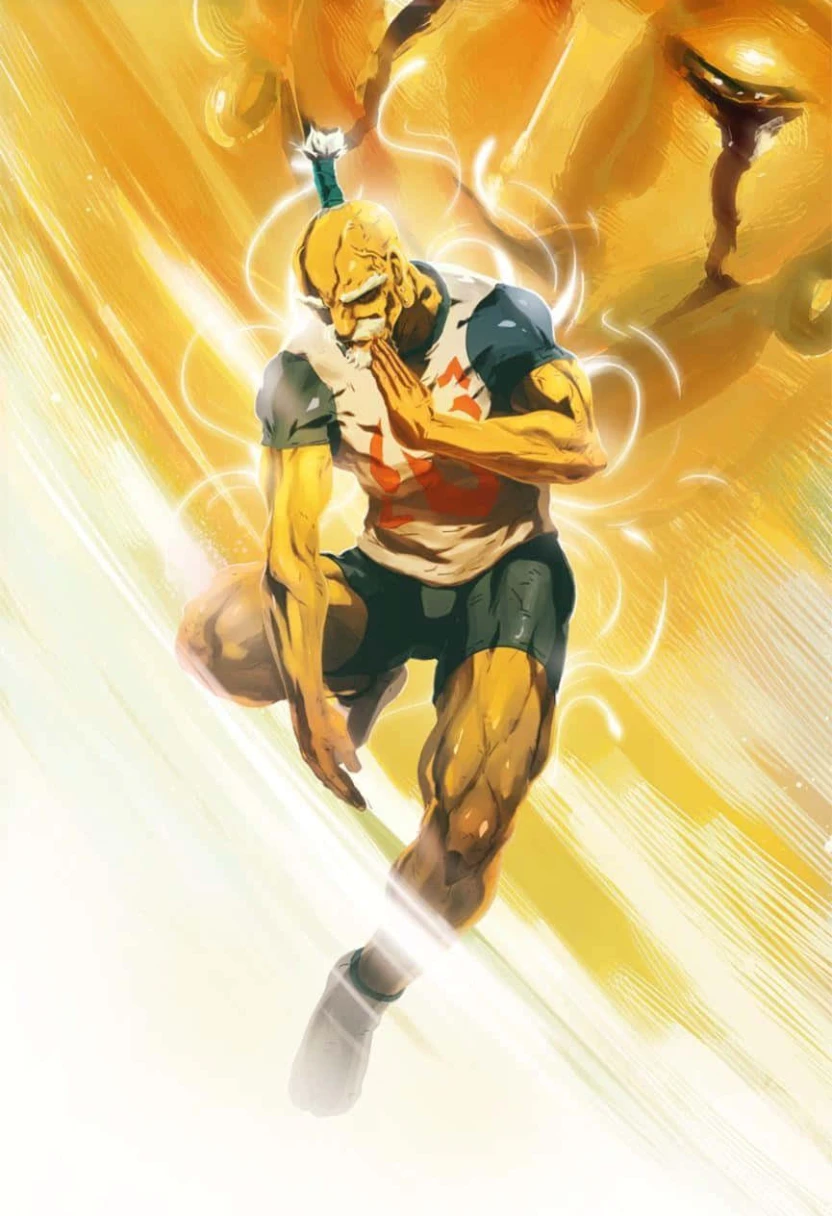
Hunter x Hunter (2011)
Isaac Netero
YPS-5

No Game No Life
Jibril
YPS-3

Naruto Shippuden
Kaguya Ōtsutsuki
YPS-7
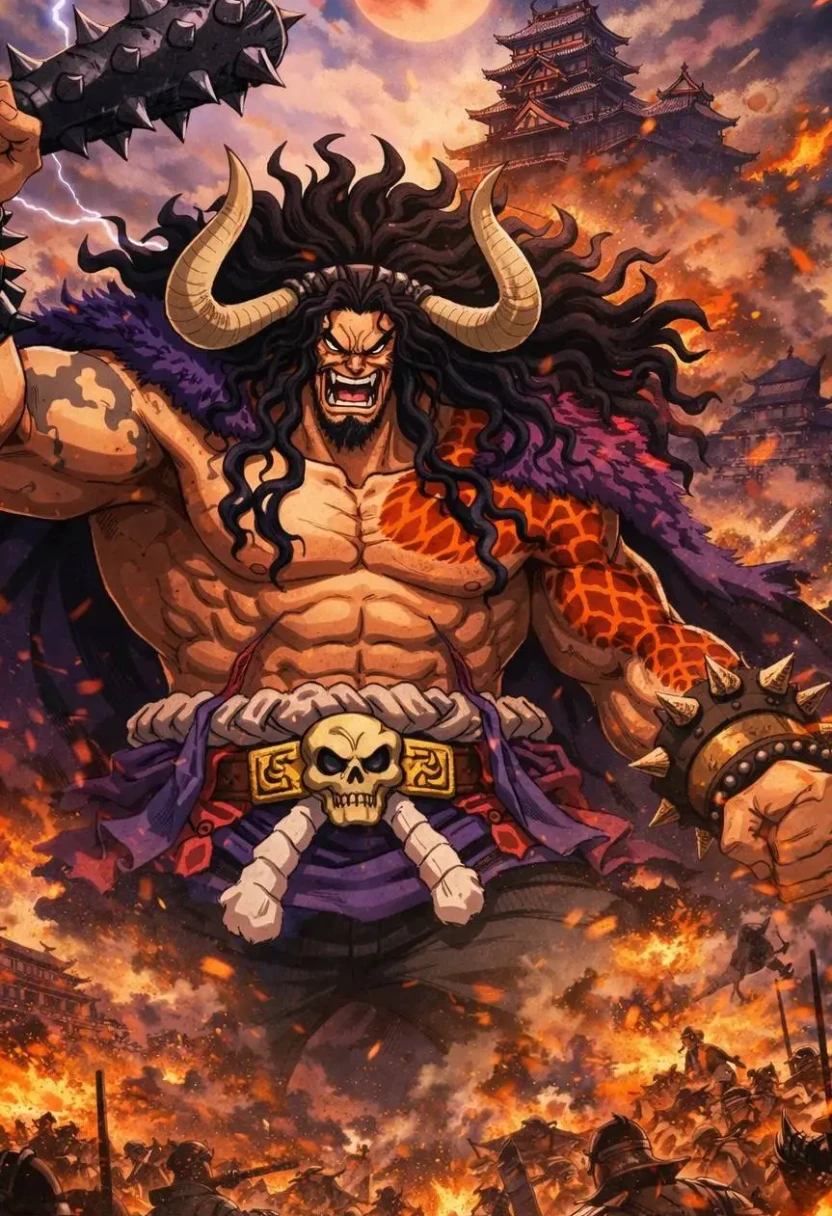
One Piece
Kaido
YPS-5

KonoSuba: God's Blessing on This Wonderful World!
Kazuma Satō
YPS-3

Hunter x Hunter (2011)
Killua Zoldyck
YPS-3

Sword Art Online
Kirito
YPS-4
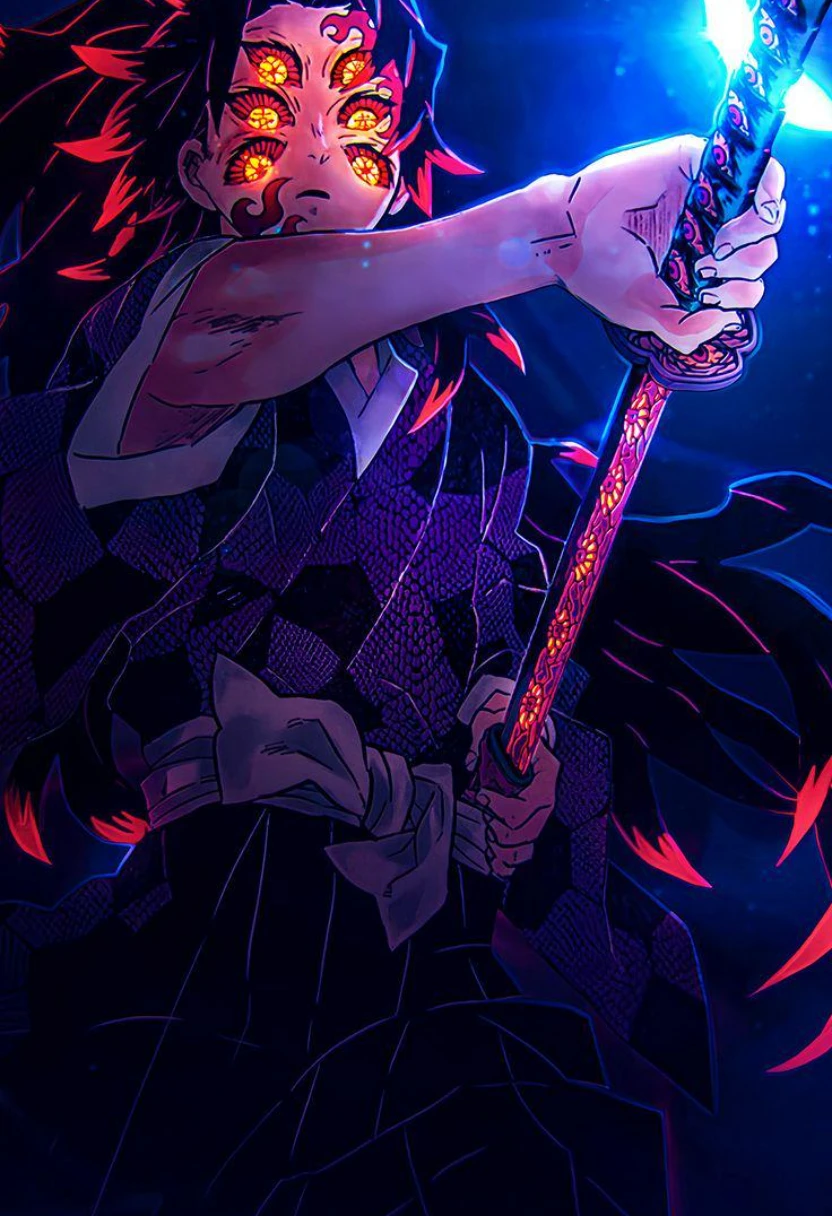
Demon Slayer: Kimetsu no Yaiba
Kokushibo
YPS-3

Attack on Titan
Levi Ackerman
YPS-3

The World's Finest Assassin Gets Reincarnated in Another World as an Aristocrat
Lugh Tuatha Dé
YPS-3

Naruto Shippuden
Madara Uchiha
YPS-7

Chainsaw Man
Makima
YPS-4

Tsukimichi: Moonlit Fantasy
Makoto Misumi
YPS-4

The Strongest Sage with the Weakest Crest
Mathias Hildesheimer
YPS-3
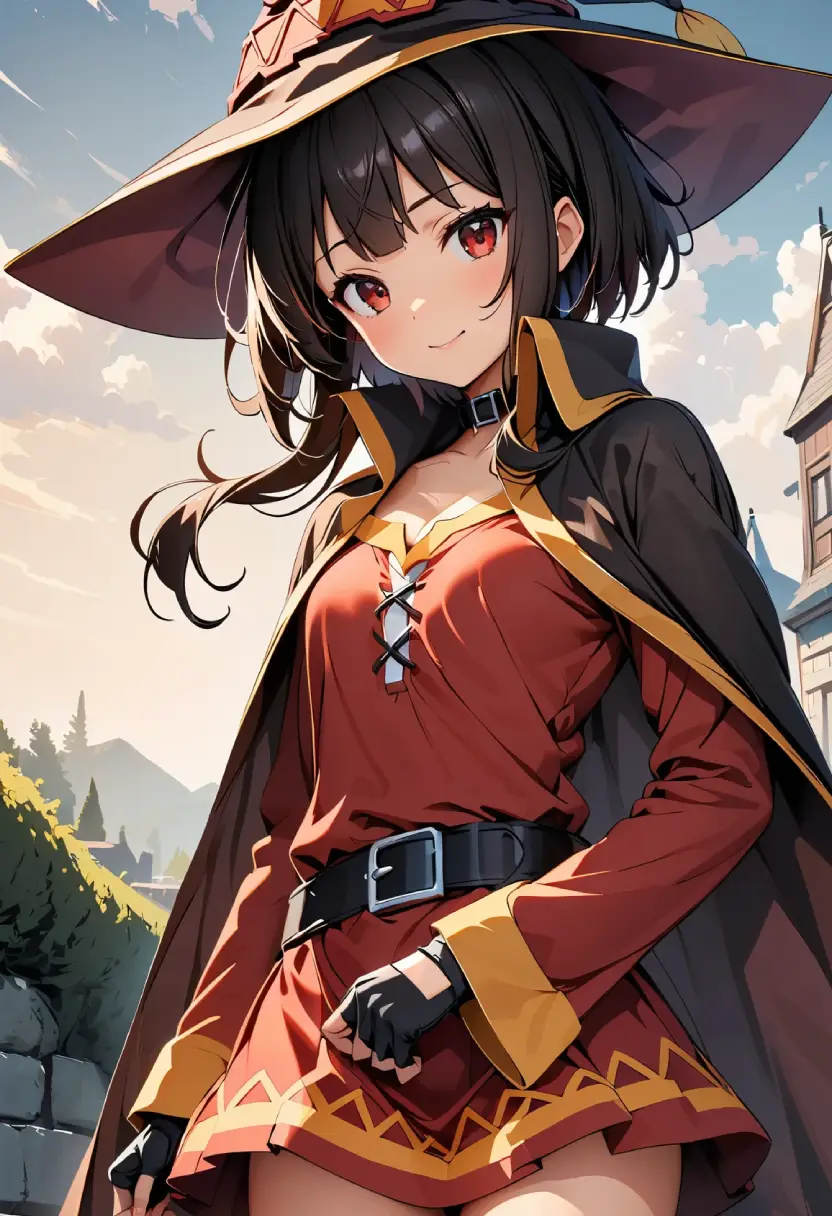
KonoSuba: God's Blessing on This Wonderful World!
Megumin
YPS-3
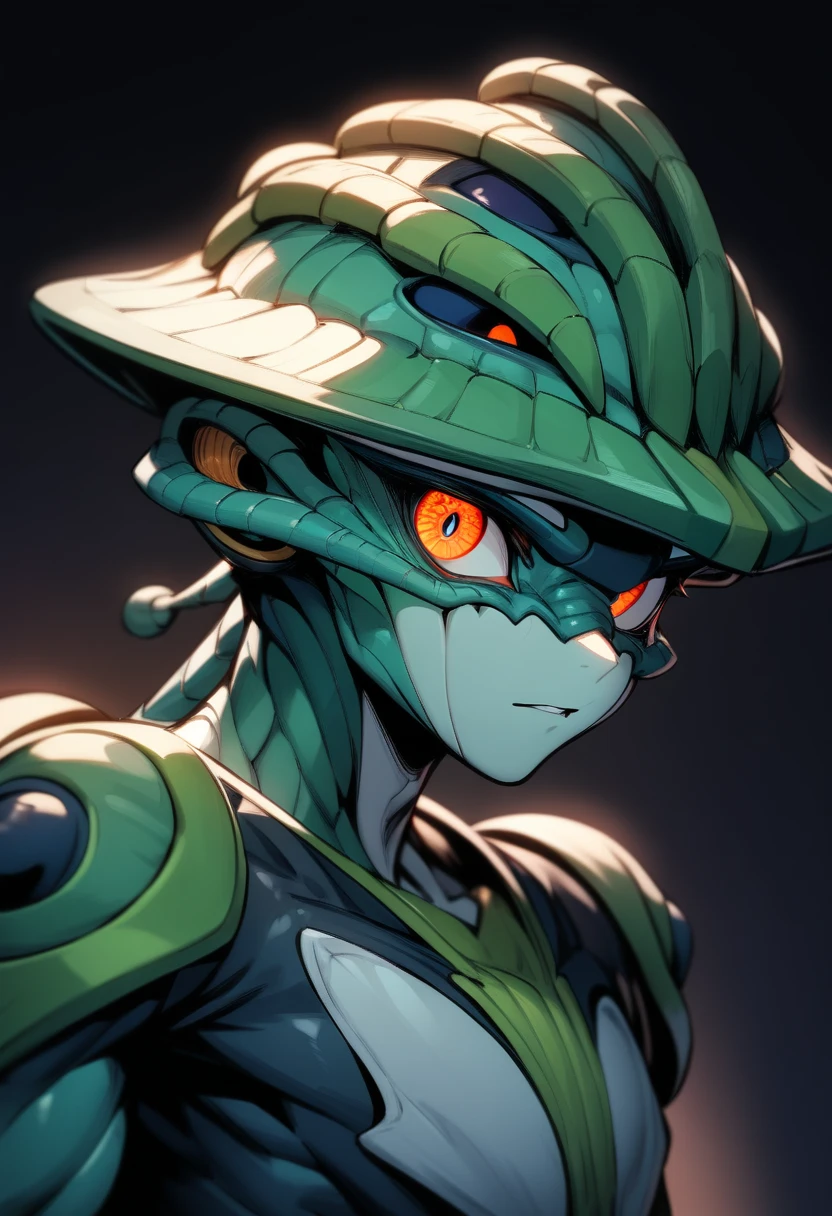
Hunter x Hunter (2011)
Meruem
YPS-4

Didn't I Say to Make My Abilities Average in the Next Life?!
Mile
YPS-4

That Time I Got Reincarnated as a Slime
Milim Nava
YPS-6

One Piece
Monkey D. Luffy
YPS-5

Demon Slayer: Kimetsu no Yaiba
Muzan Kibutsuji
YPS-4

The Rising of the Shield Hero
Naofumi Iwatani
YPS-4

Naruto Shippuden
Naruto Uzumaki
YPS-6
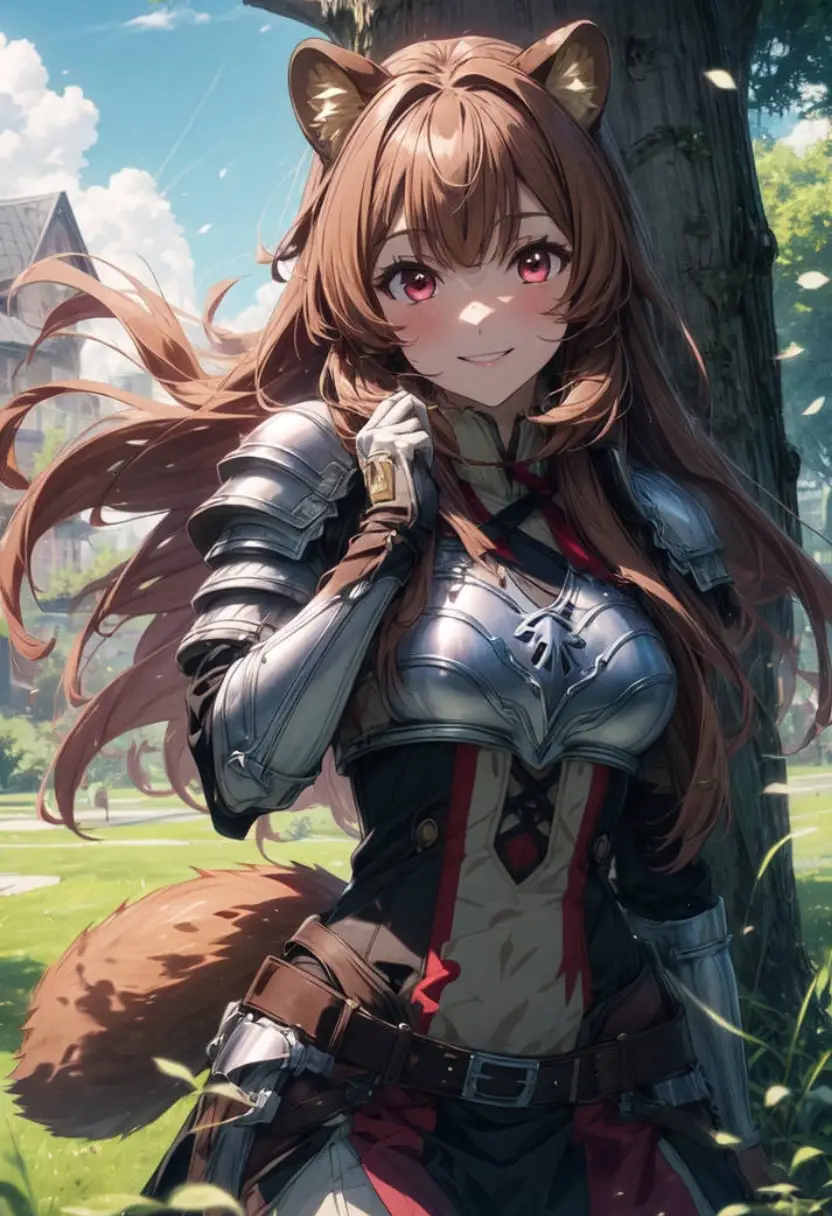
The Rising of the Shield Hero
Raphtalia
YPS-3

Re:Zero − Starting Life in Another World
Regulus Corneas
YPS-4

Re:Zero − Starting Life in Another World
Rem
YPS-2

That Time I Got Reincarnated as a Slime
Rimuru Tempest
YPS-6

Re:Zero − Starting Life in Another World
Roswaal L. Mathers
YPS-4

Mushoku Tensei: Jobless Reincarnation
Roxy Migurdia
YPS-3

Mushoku Tensei: Jobless Reincarnation
Rudeus Greyrat
YPS-4

Jujutsu Kaisen
Ryomen Sukuna
YPS-6
One Punch Man
Saitama
YPS-7

Naruto Shippuden
Sasuke Uchiha
YPS-6
Jujutsu Kaisen
Satoru Gojo
YPS-5

Death March to the Parallel World Rhapsody
Satou Pendragon
YPS-7
Cautious Hero: The Hero Is Overpowered but Overly Cautious
Seiya Ryūgūin
YPS-4

Overlord
Shalltear Bloodfallen
YPS-3

One Piece
Shanks
YPS-5
Mob Psycho 100
Shigeo Kageyama
YPS-5

Wise Man's Grandchild
Shin Wolford
YPS-4

That Time I Got Reincarnated as a Slime
Shion
YPS-2

No Game No Life
Shiro
YPS-2
Log Horizon
Shiroe
YPS-2

Dragon Ball
Son Goku
YPS-7

No Game No Life
Sora
YPS-1
Bleach
Sōsuke Aizen
YPS-6

Re:Zero − Starting Life in Another World
Subaru Natsuki
YPS-2
Solo Leveling
Sung Jinwoo
YPS-6

Mushoku Tensei: Jobless Reincarnation
Sylphiette
YPS-3
Demon Slayer: Kimetsu no Yaiba
Tanjiro Kamado
YPS-3

Saga of Tanya the Evil
Tanya Degurechaff
YPS-3

One Punch Man
Tatsumaki
YPS-4

In Another World With My Smartphone
Touya Mochizuki
YPS-7

Tower of God
Twenty-Fifth Bam
YPS-4

Saga of Tanya the Evil
Viktoriya Serebryakov
YPS-3

KonoSuba: God's Blessing on This Wonderful World!
Wiz
YPS-3
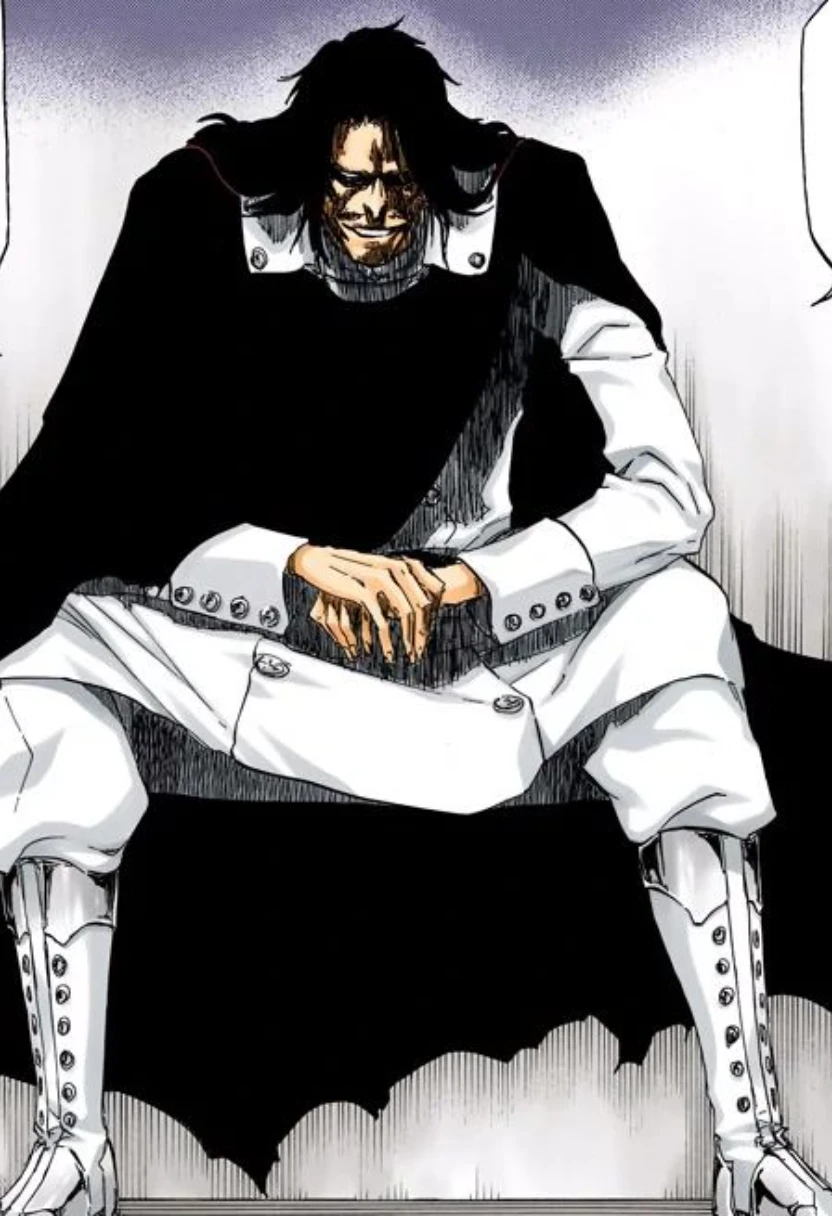
Bleach
Yhwach
YPS-7

Arifureta: From Commonplace to World's Strongest
Yue
YPS-5

Jujutsu Kaisen
Yuta Okkotsu
YPS-4