Tomura Shigaraki serves as the antithesis to the traditional shonen protagonist, representing the 'nihilism of the discarded.' While many isekai or hero-journey characters find purpose through external validation, Shigaraki’s arc is defined by the violent rejection of a society that failed to protect him. His defining tension lies in the paradox of his 'child-adult' nature: he possesses the destructive capacity of a god but remains emotionally tethered to the trauma of his childhood, symbolized by the preserved hands of his deceased family. Unlike Western interpretations that often view him as a standard 'villain-in-training,' Eastern reception—particularly in the Chinese fandom—emphasizes his role as a mirror to Izuku Midoriya. He is frequently analyzed as a manifestation of modern societal decay, reflecting real-world anxieties regarding internet radicalization and the collapse of traditional support structures. His evolution from a petulant, game-obsessed subordinate to a self-actualized 'destruction god' marks a departure from genre tropes where villains are static obstacles; instead, Shigaraki grows in parallel with the hero, forcing the narrative to confront the reality that 'evil' is often a product of systemic neglect rather than innate malice. The gap between his initial status as a 'pawn' and his eventual role as the leader of the Paranormal Liberation Front highlights a shift from individual villainy to a systemic threat, effectively turning the hero's journey on its head.
ScoresCompareViktoriya Serebryakov vs ...
Overlord
Ainz Ooal Gown
YPS-4

Overlord
Albedo
YPS-4
The Eminence in Shadow
Alpha
YPS-4
The Misfit of Demon King Academy
Anos Voldigoad
YPS-7

KonoSuba: God's Blessing on This Wonderful World!
Aqua
YPS-3

Sword Art Online
Asuna Yuuki
YPS-4
I've Been Killing Slimes for 300 Years
Azusa Aizawa
YPS-4

Re:Zero − Starting Life in Another World
Beatrice
YPS-3
Is It Wrong to Try to Pick Up Girls in a Dungeon?
Bell Cranel
YPS-4
That Time I Got Reincarnated as a Slime
Benimaru
YPS-5

My Next Life as a Villainess: All Routes Lead to Doom!
Catarina Claes
YPS-1
The Eminence in Shadow
Cid Kagenou
YPS-3
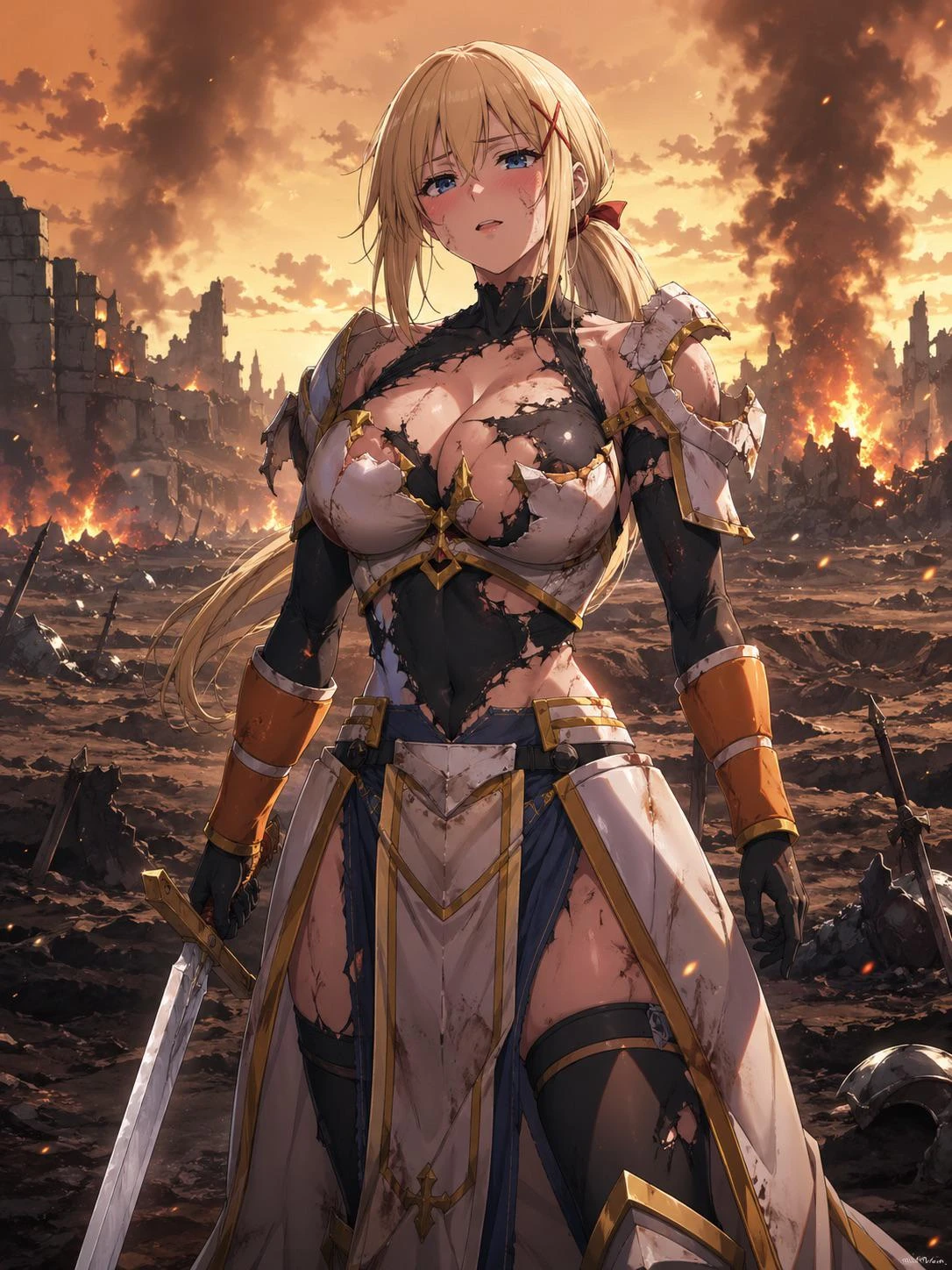
KonoSuba: God's Blessing on This Wonderful World!
Darkness
YPS-2
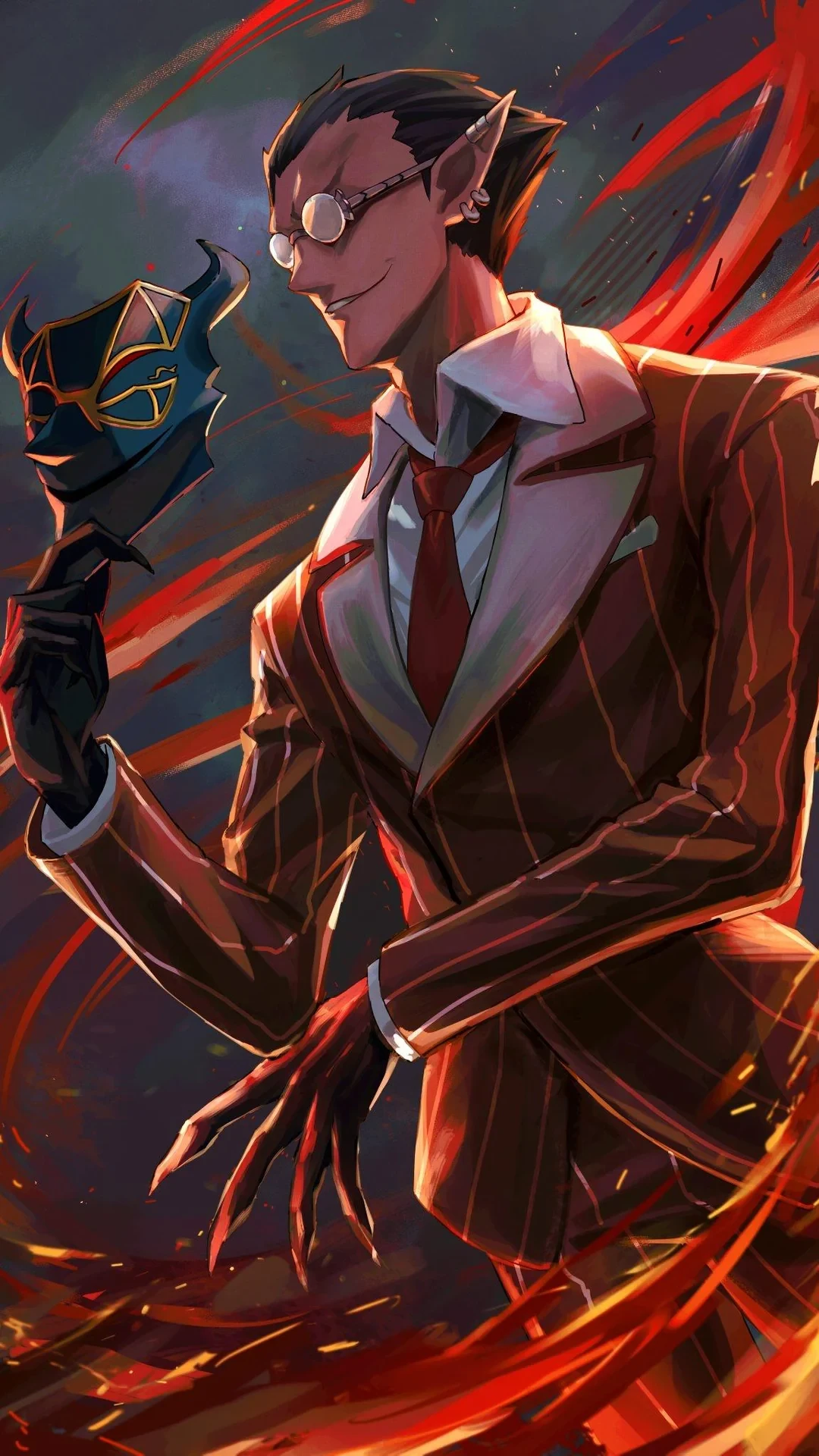
Overlord
Demiurge
YPS-4
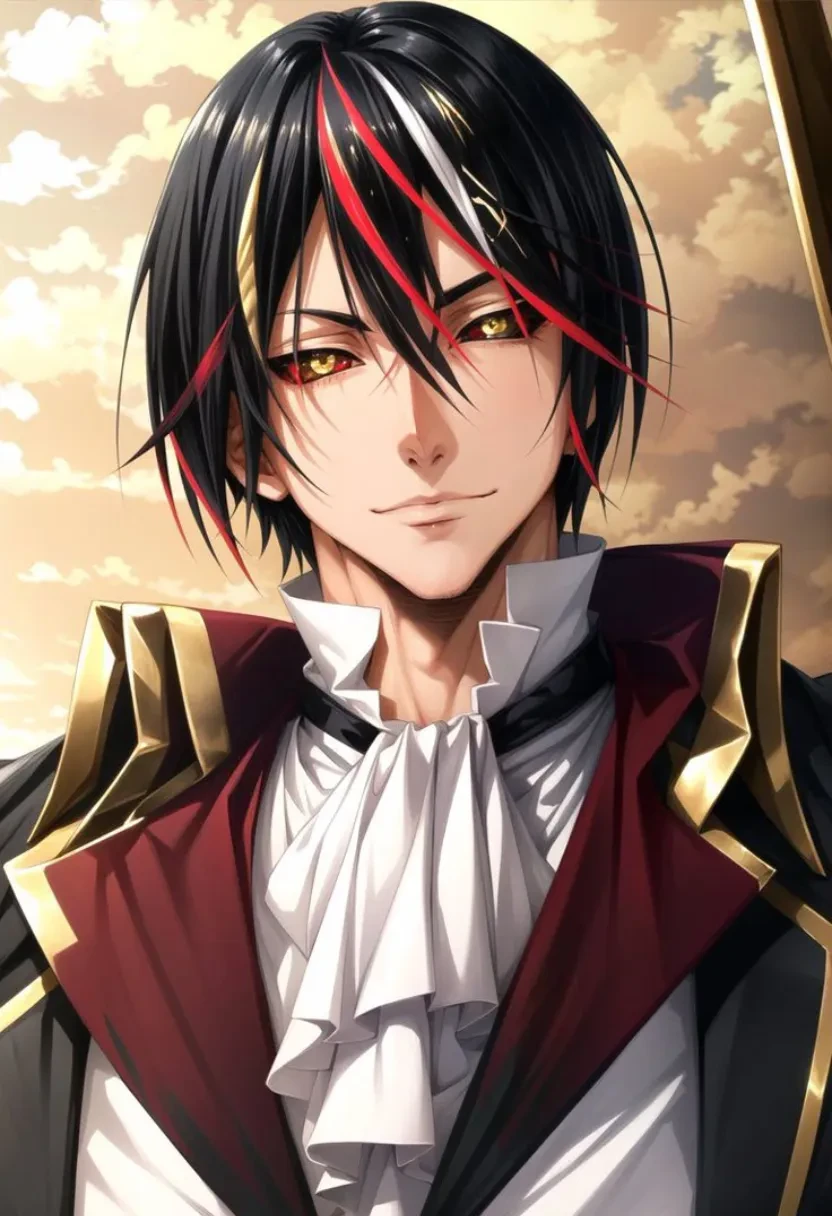
That Time I Got Reincarnated as a Slime
Diablo
YPS-4

Re:Zero − Starting Life in Another World
Emilia
YPS-4
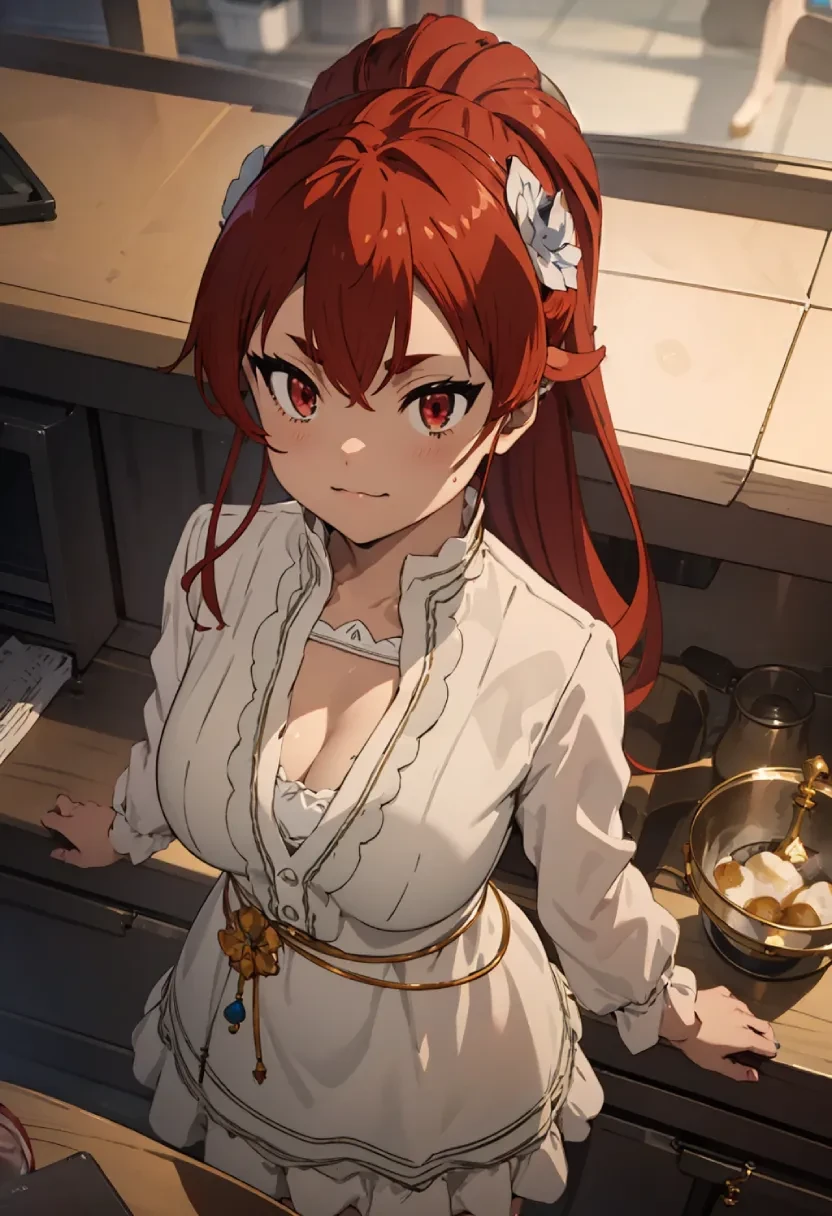
Mushoku Tensei: Jobless Reincarnation
Eris Boreas Greyrat
YPS-3

The Rising of the Shield Hero
Filo
YPS-2

Arifureta: From Commonplace to World's Strongest
Hajime Nagumo
YPS-7

Demon Lord, Retry!
Hakuto Kunai
YPS-3

A Record of a Mortal's Journey to Immortality
Han Li
YPS-7
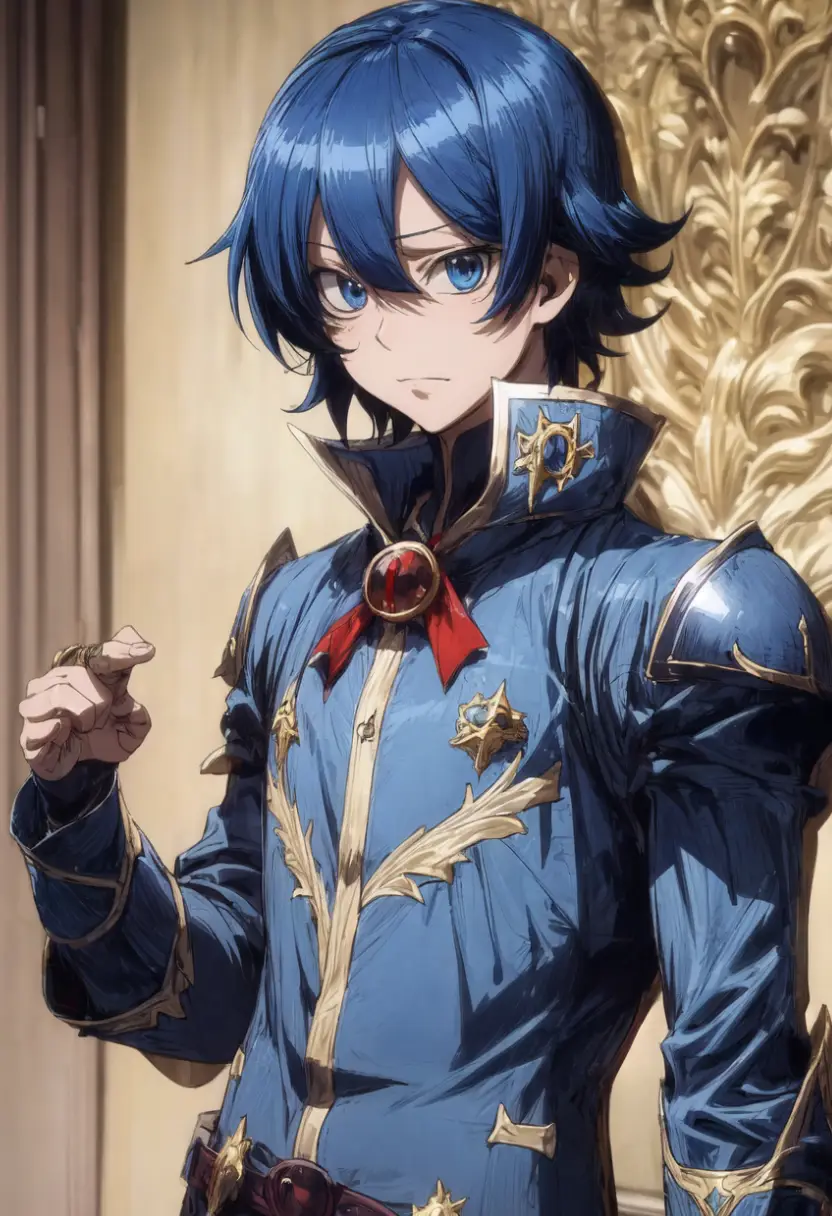
Welcome to Demon School! Iruma-kun
Iruma Suzuki
YPS-1
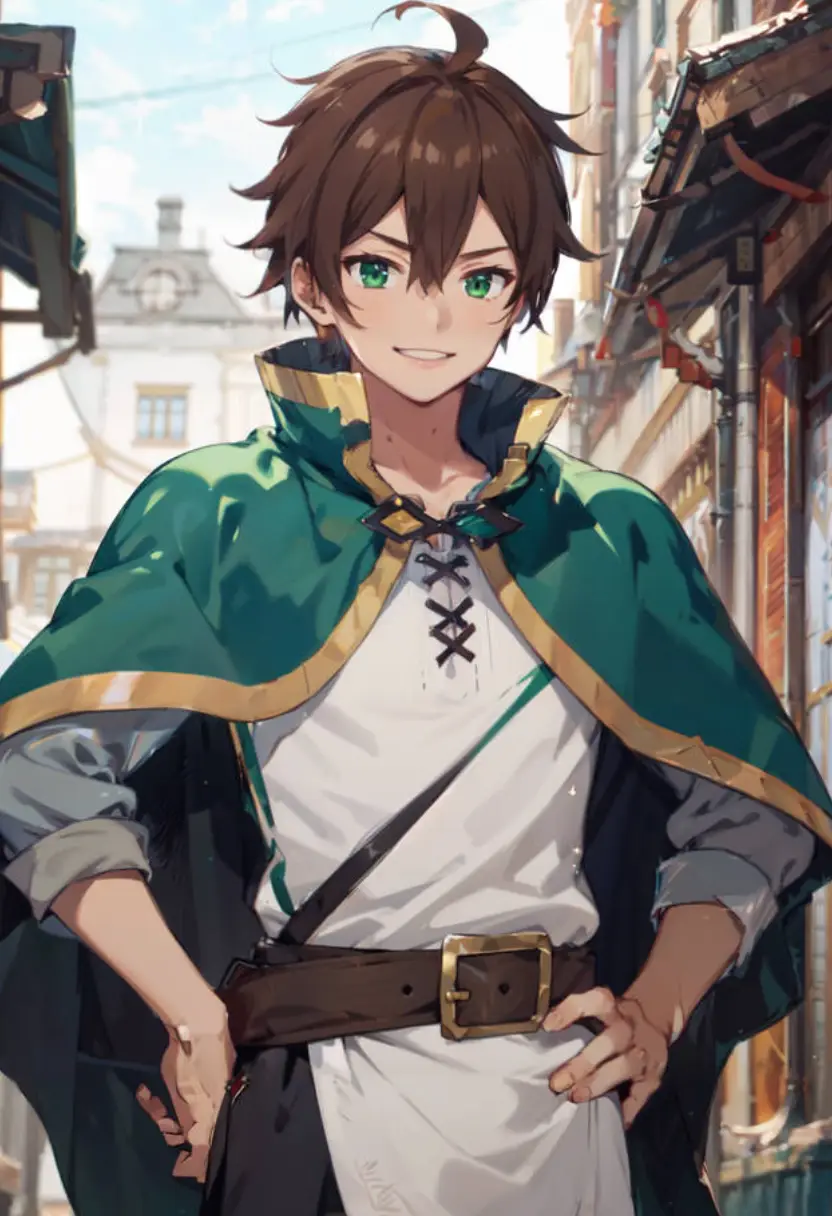
KonoSuba: God's Blessing on This Wonderful World!
Kazuma Satō
YPS-3
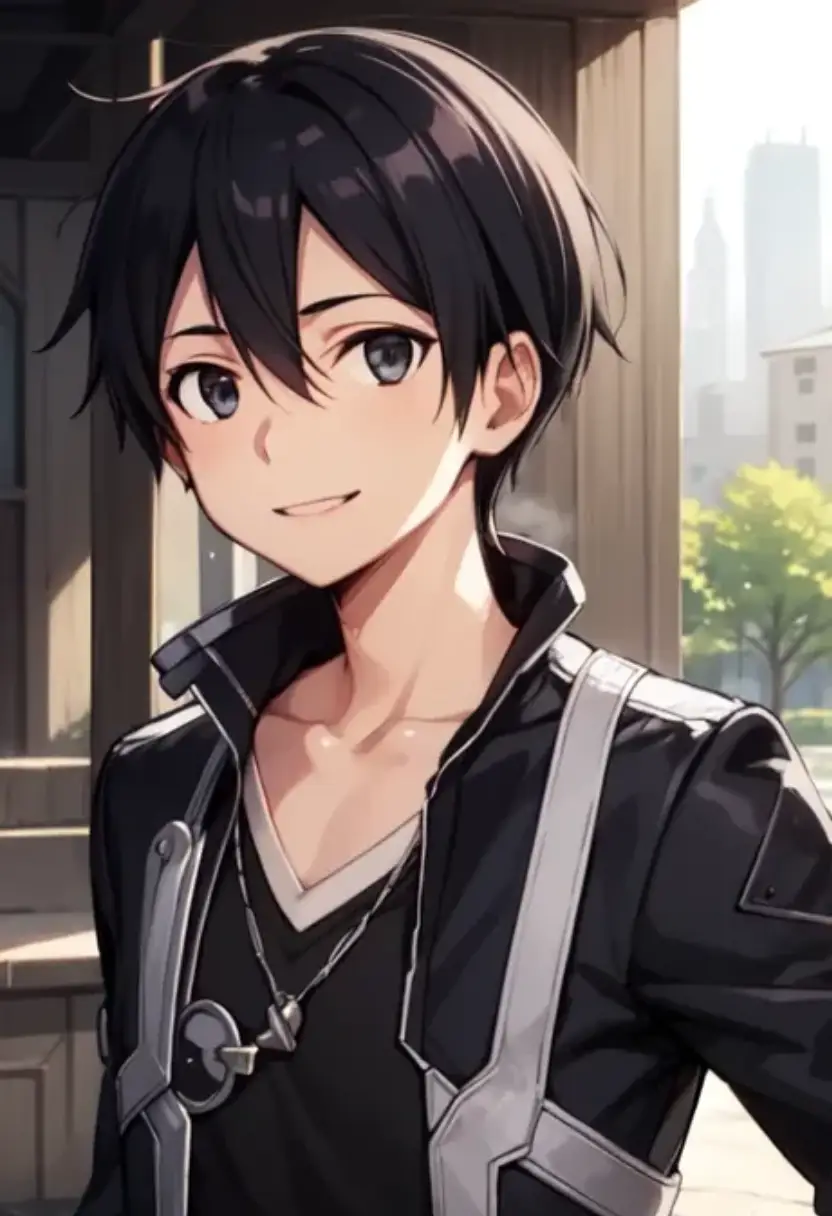
Sword Art Online
Kirito
YPS-4
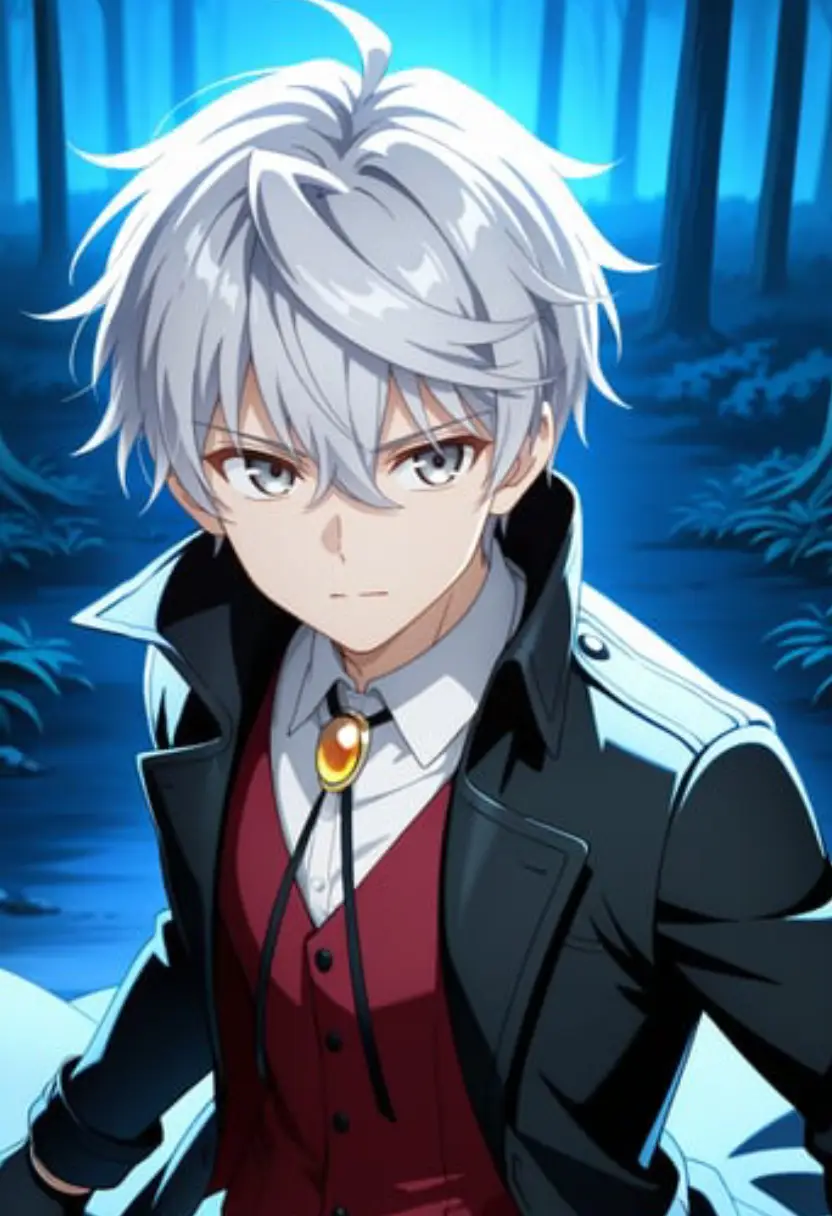
The World's Finest Assassin Gets Reincarnated in Another World as an Aristocrat
Lugh Tuatha Dé
YPS-3
Tsukimichi: Moonlit Fantasy
Makoto Misumi
YPS-4
The Strongest Sage with the Weakest Crest
Mathias Hildesheimer
YPS-3
KonoSuba: God's Blessing on This Wonderful World!
Megumin
YPS-3

Didn't I Say to Make My Abilities Average in the Next Life?!
Mile
YPS-4

That Time I Got Reincarnated as a Slime
Milim Nava
YPS-6
The Rising of the Shield Hero
Naofumi Iwatani
YPS-4
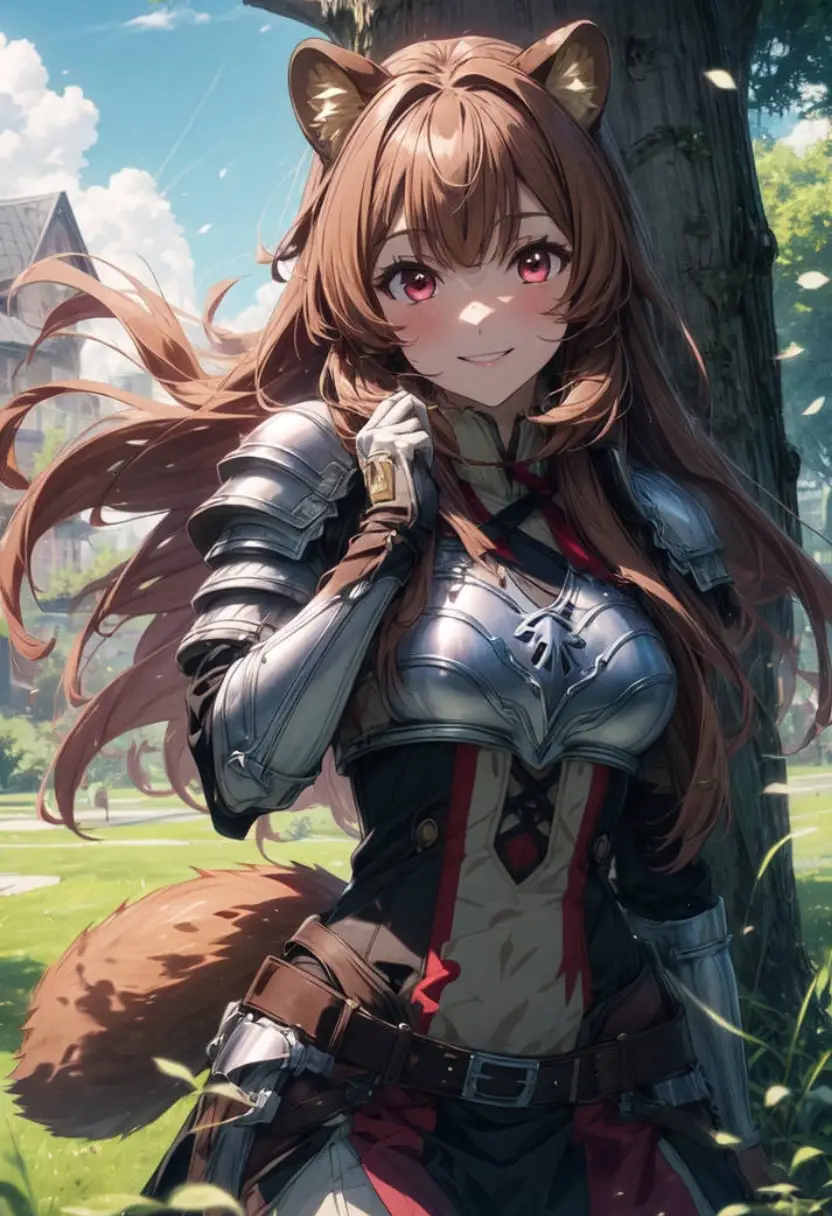
The Rising of the Shield Hero
Raphtalia
YPS-3

Re:Zero − Starting Life in Another World
Rem
YPS-2

That Time I Got Reincarnated as a Slime
Rimuru Tempest
YPS-6

Mushoku Tensei: Jobless Reincarnation
Roxy Migurdia
YPS-3
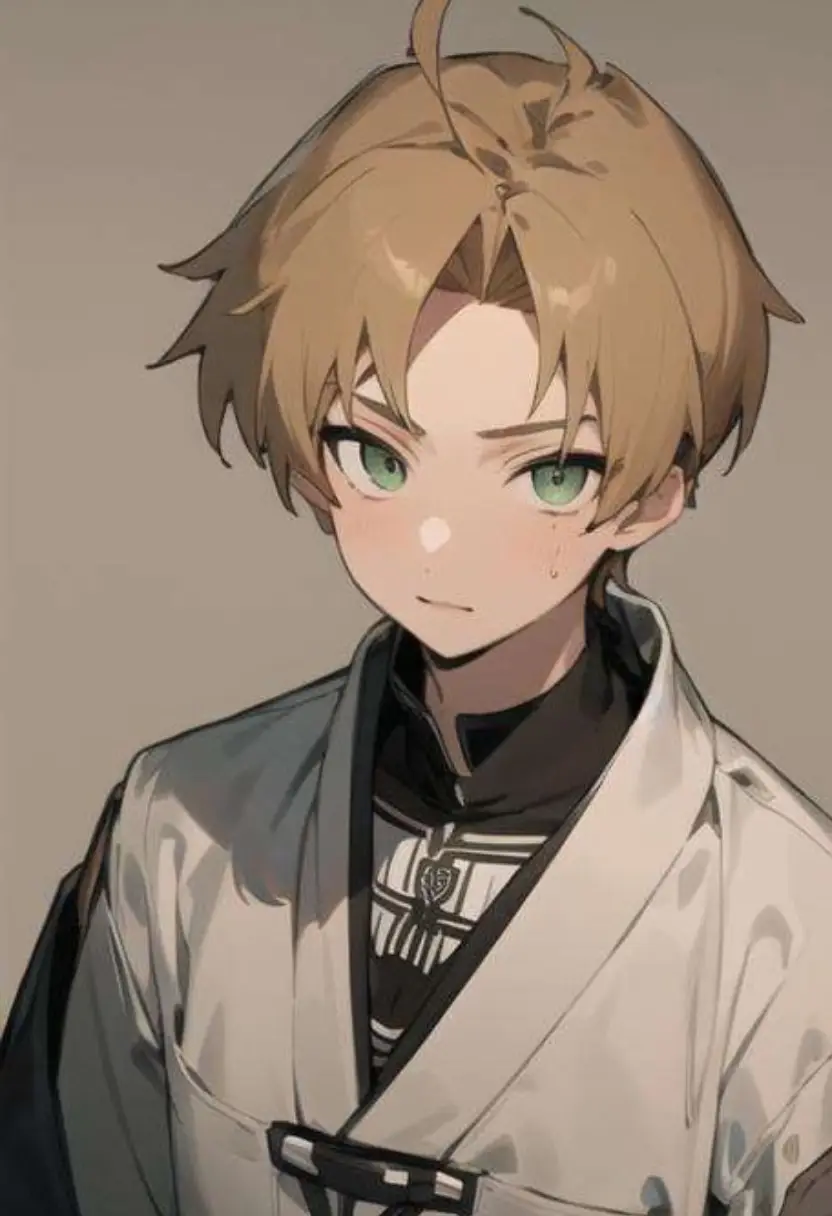
Mushoku Tensei: Jobless Reincarnation
Rudeus Greyrat
YPS-4
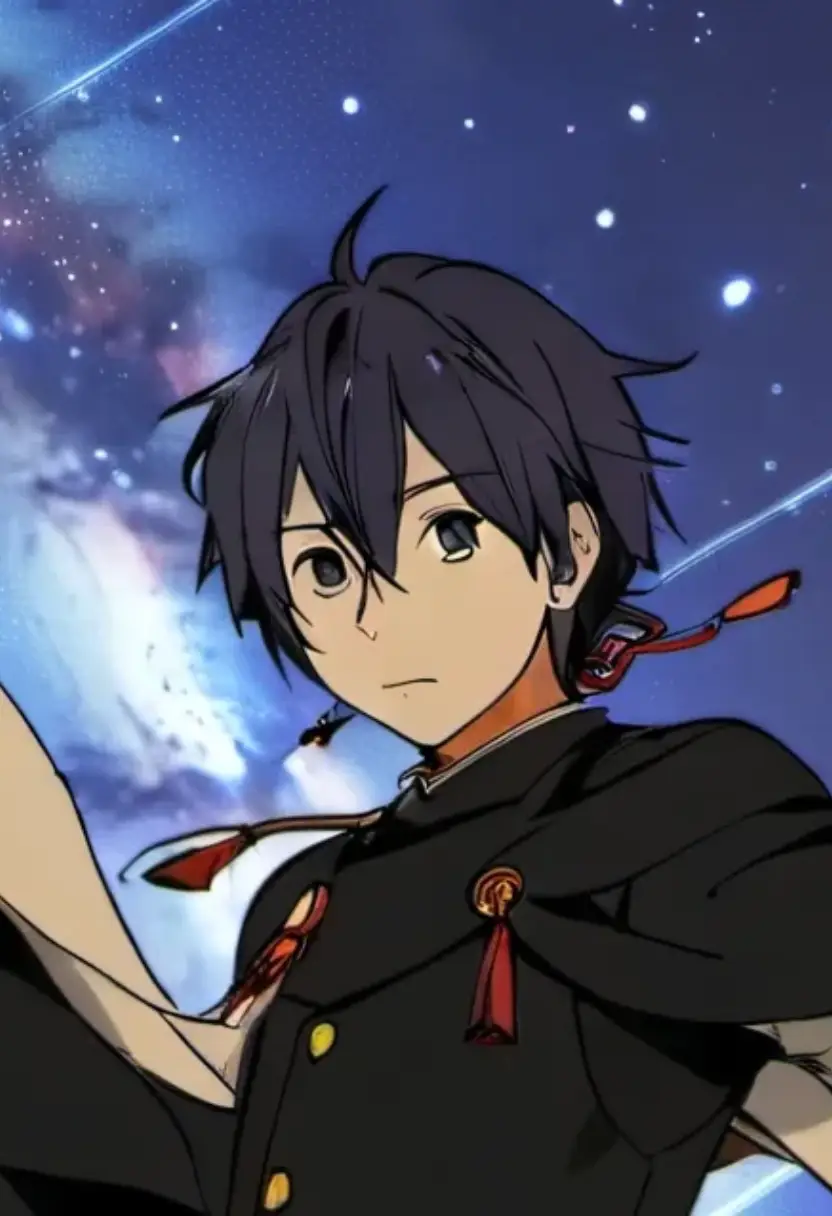
Death March to the Parallel World Rhapsody
Satou Pendragon
YPS-7
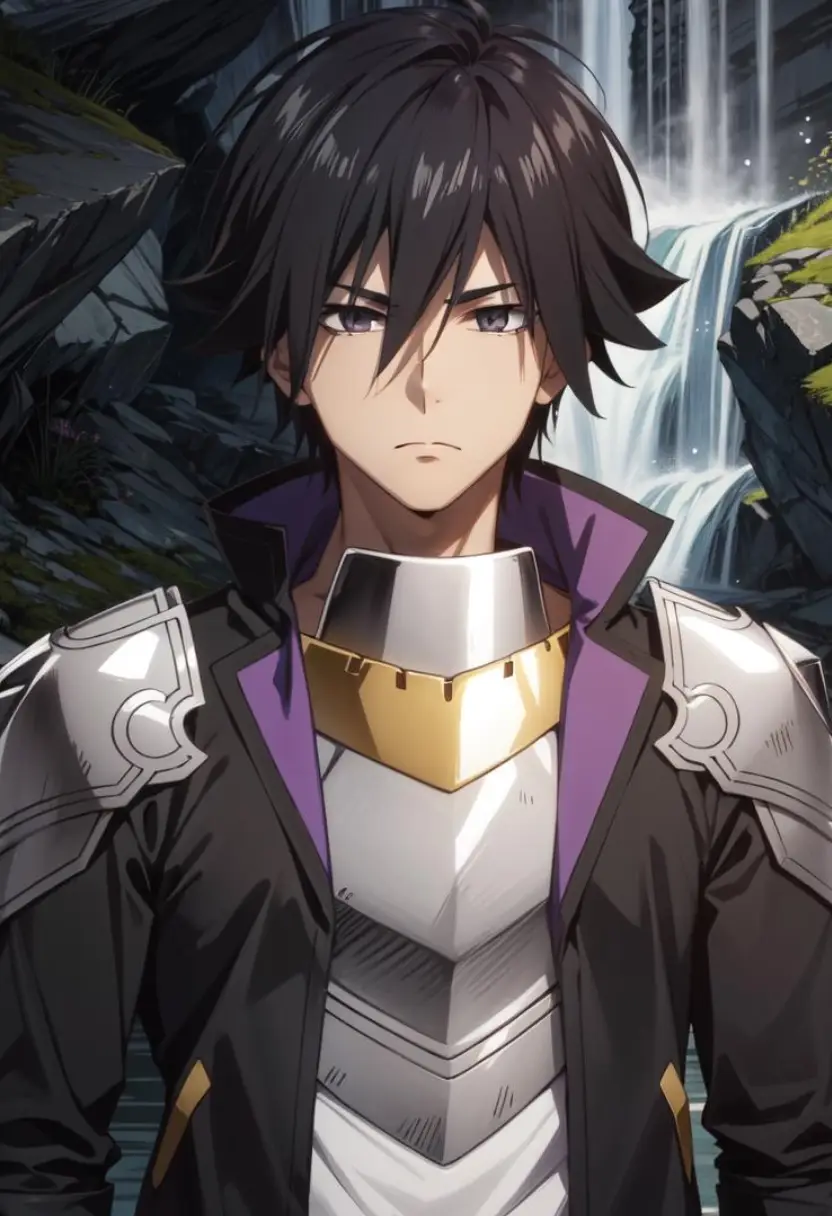
Cautious Hero: The Hero Is Overpowered but Overly Cautious
Seiya Ryūgūin
YPS-4

Overlord
Shalltear Bloodfallen
YPS-3

Wise Man's Grandchild
Shin Wolford
YPS-4
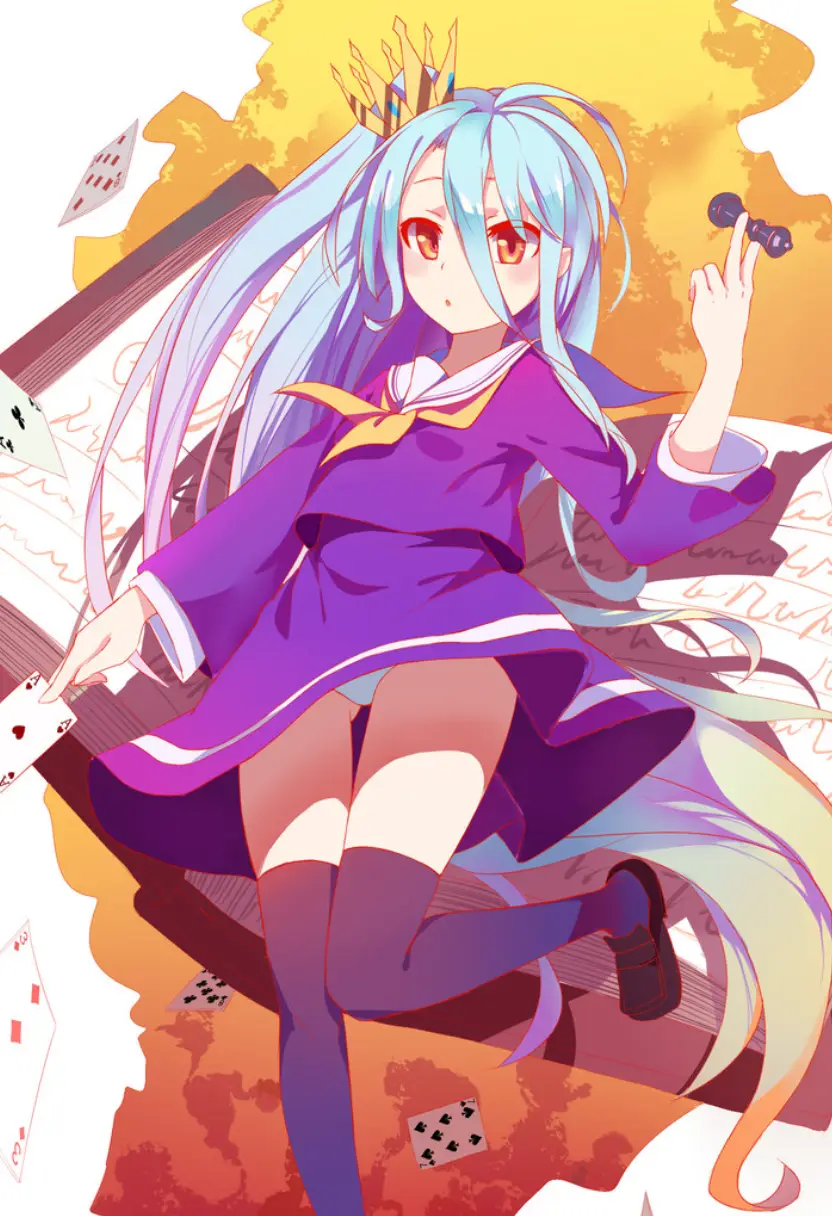
No Game No Life
Shiro
YPS-2
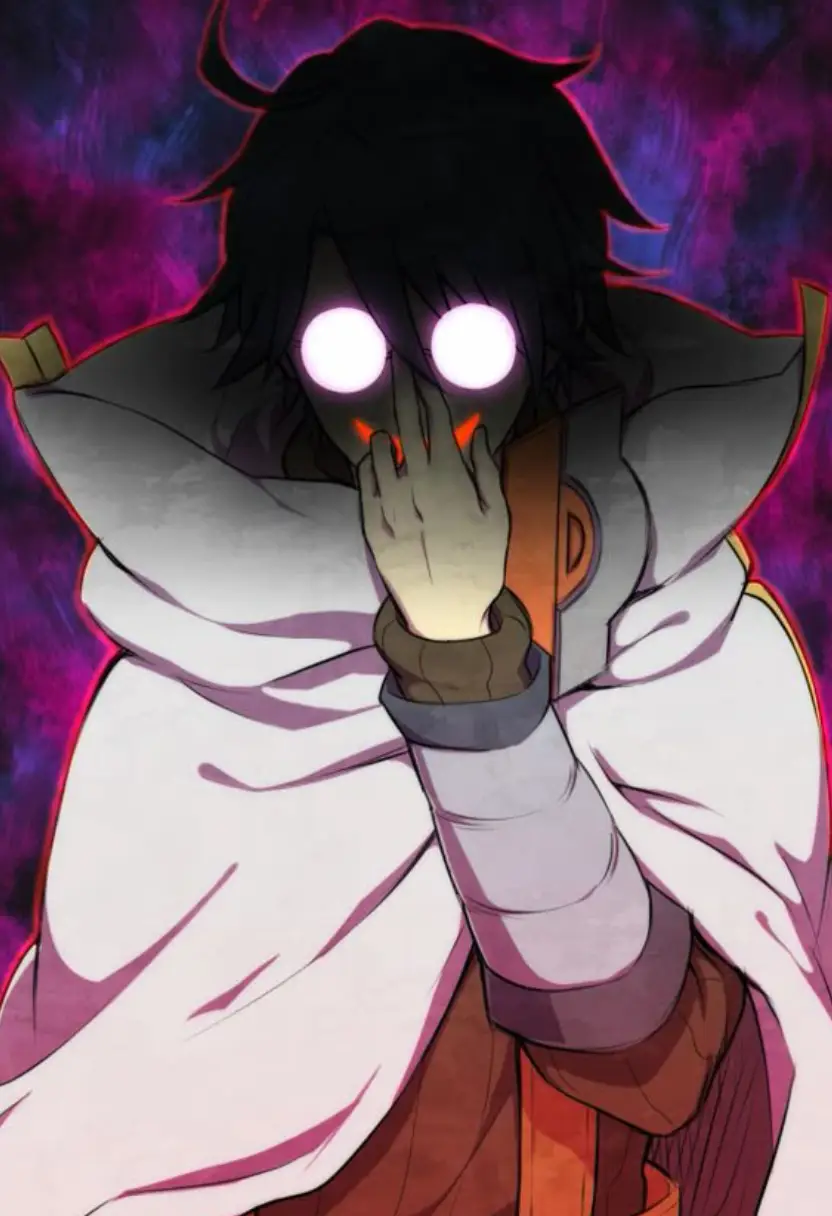
Log Horizon
Shiroe
YPS-2
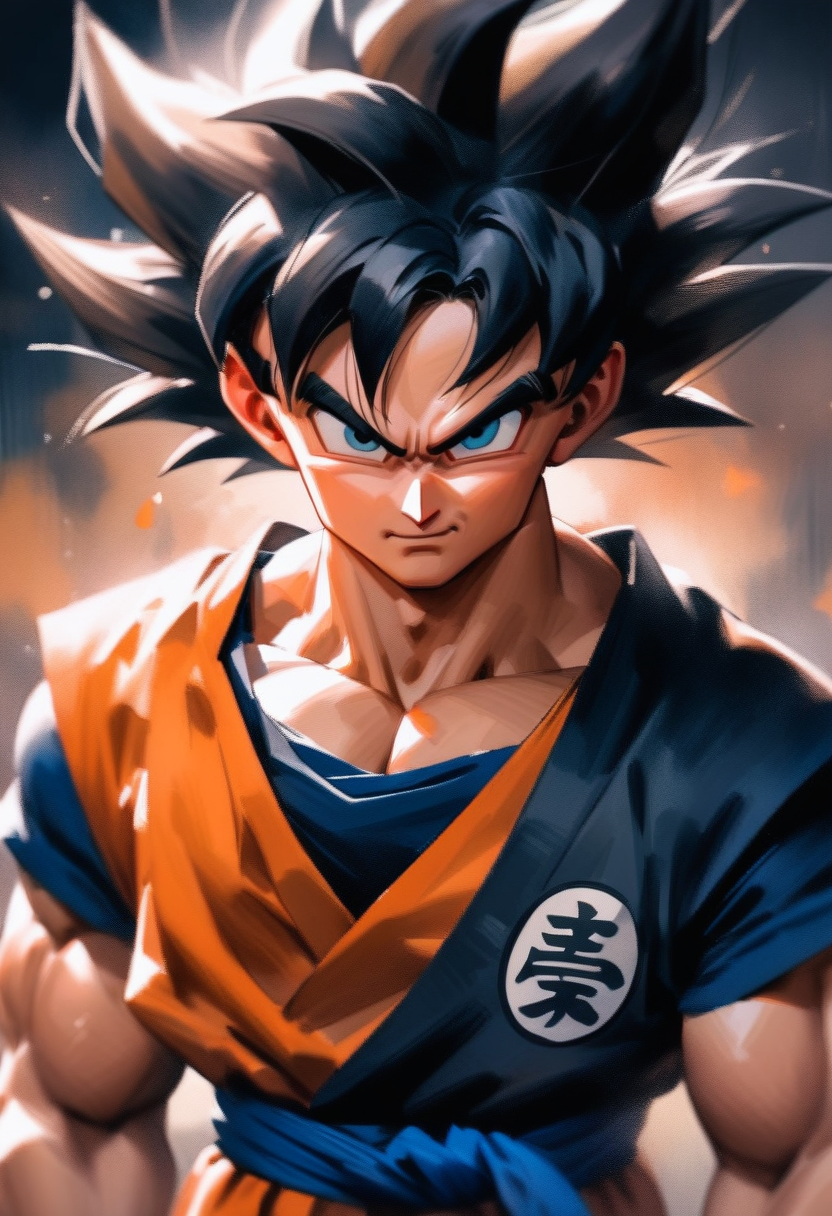
Dragon Ball
Son Goku
YPS-7
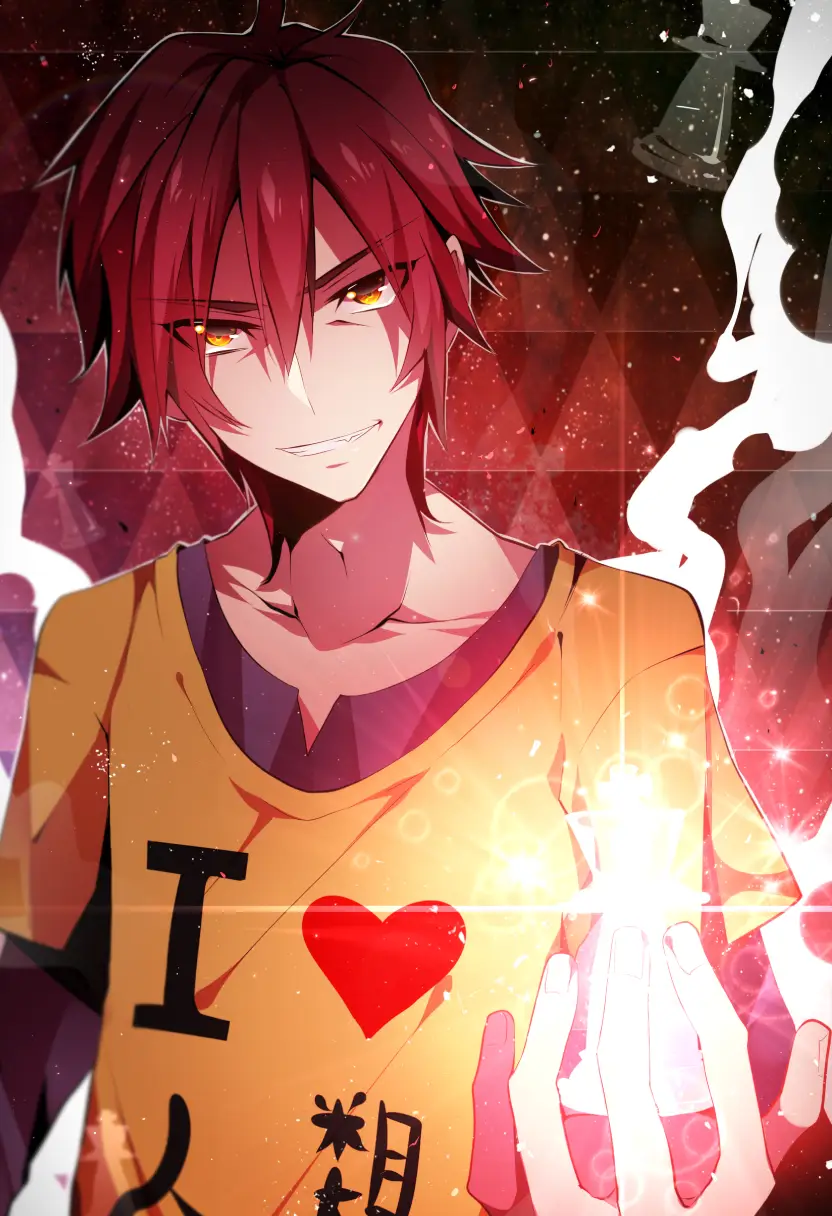
No Game No Life
Sora
YPS-1
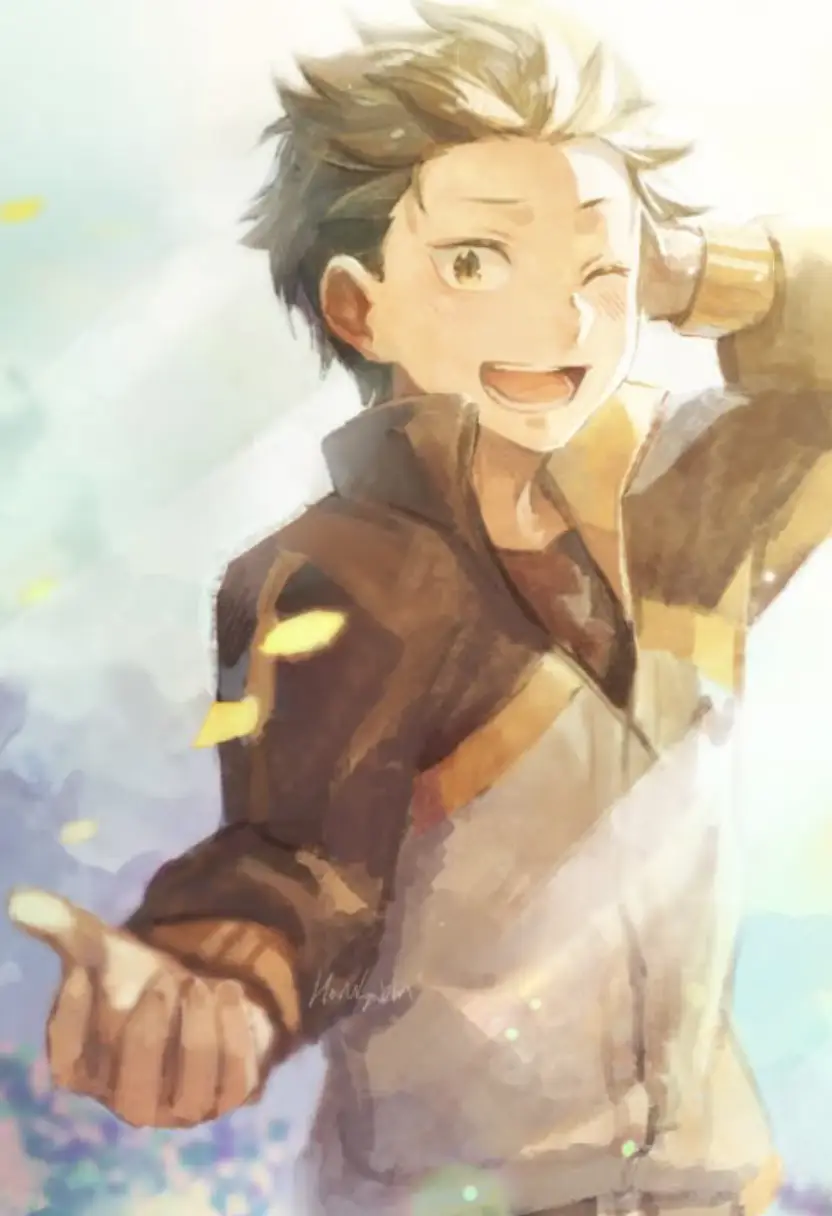
Re:Zero − Starting Life in Another World
Subaru Natsuki
YPS-2
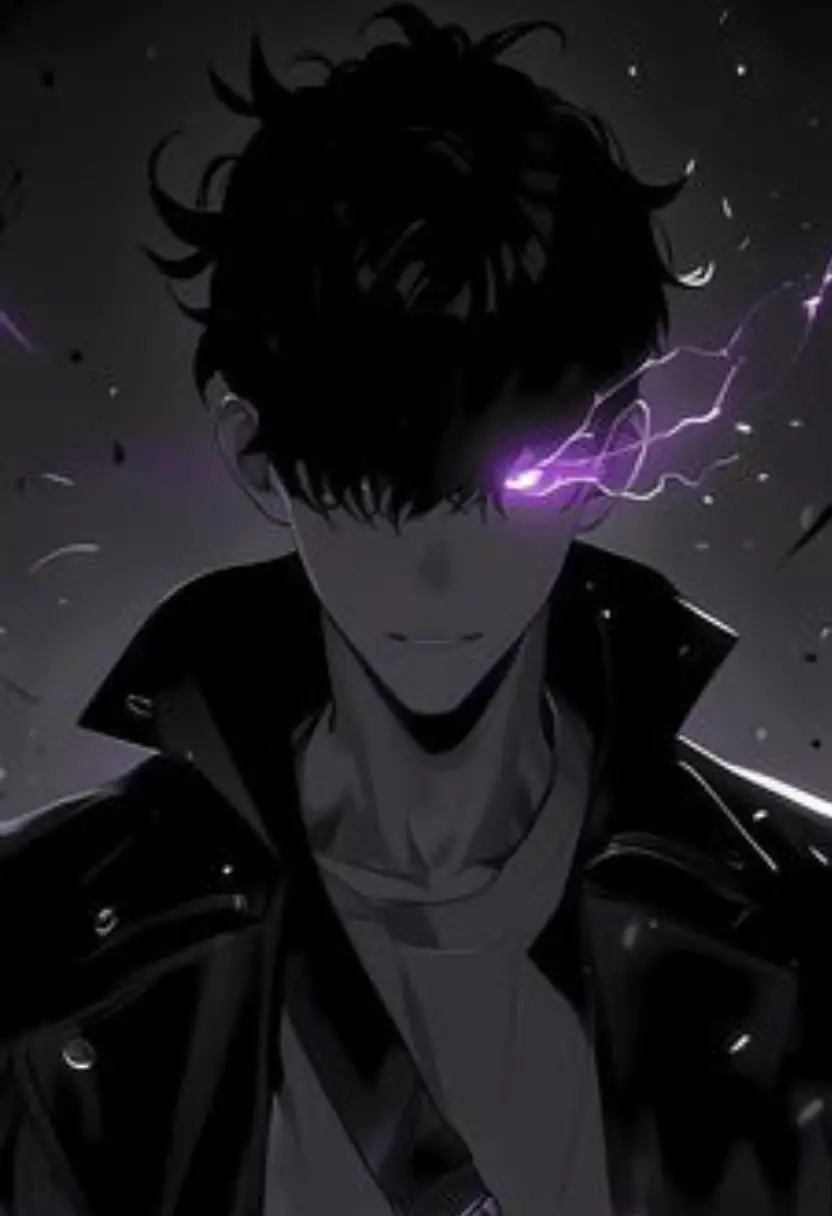
Solo Leveling
Sung Jinwoo
YPS-6
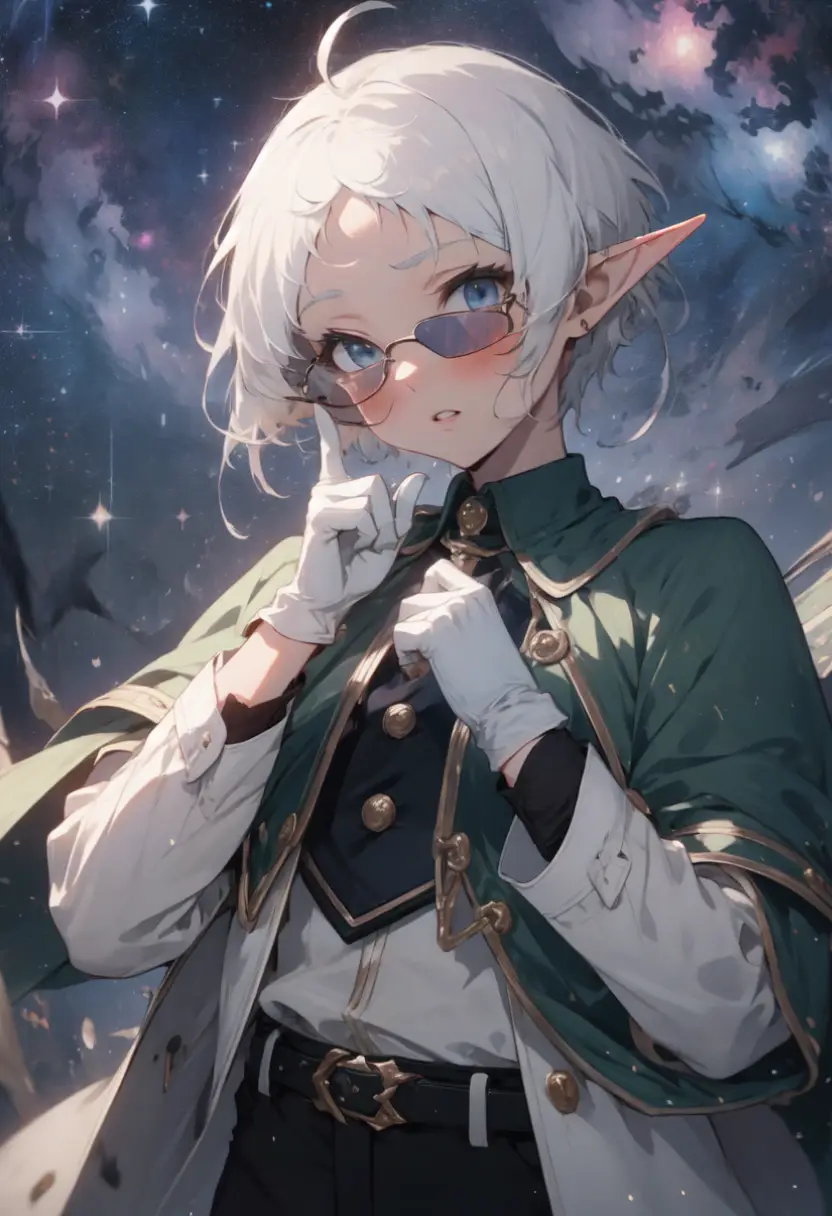
Mushoku Tensei: Jobless Reincarnation
Sylphiette
YPS-3
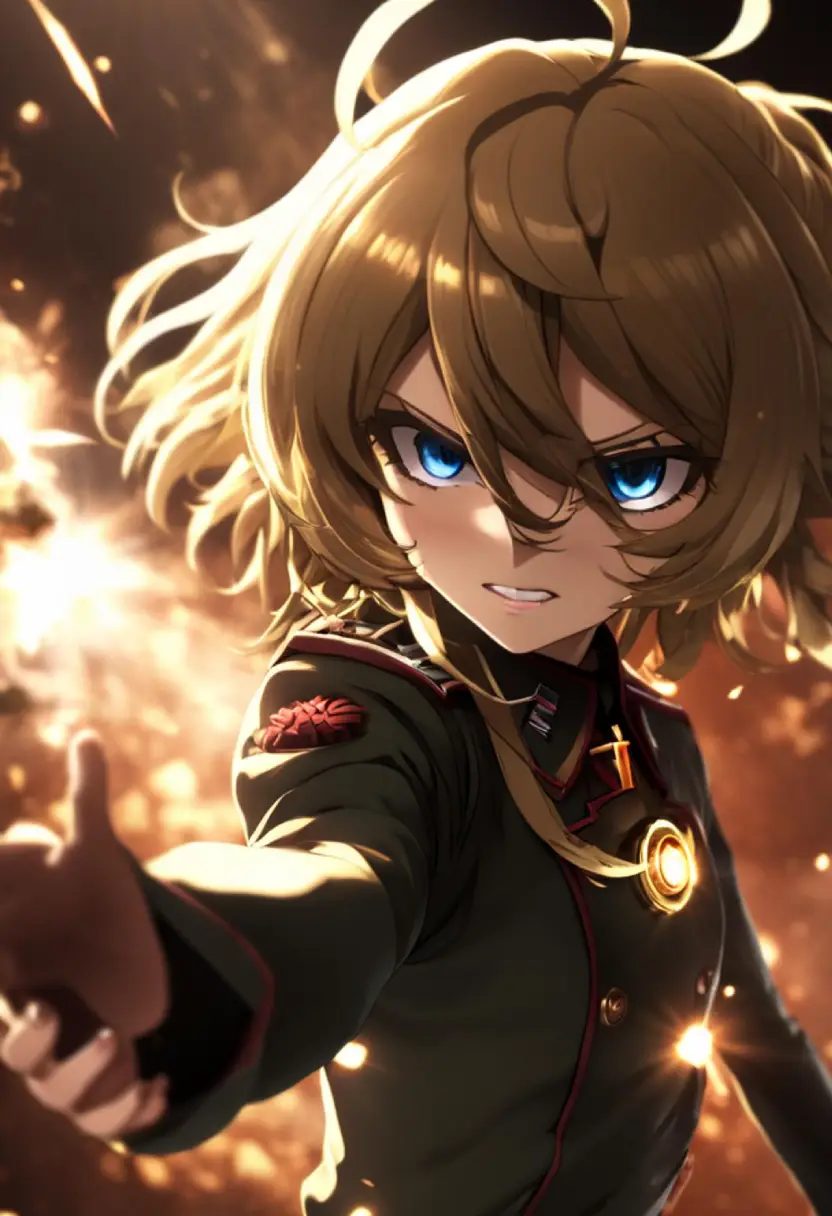
Saga of Tanya the Evil
Tanya Degurechaff
YPS-3

In Another World With My Smartphone
Touya Mochizuki
YPS-7
Characters Like ThisBy DNA distance
Re:Zero − Starting Life in Another World
Rem
YPS-2 · 23.4 DNA · same isekai
Re:Zero − Starting Life in Another World
Emilia
YPS-4 · 25.0 DNA · same isekai
Mushoku Tensei: Jobless Reincarnation
Rudeus Greyrat
YPS-4 · 31.6 DNA · same isekai
charm
KonoSuba: God's Blessing on This Wonderful World!
Kazuma Satō
YPS-3 · 36.3 DNA · same isekai
charmruthless
The Rising of the Shield Hero
Raphtalia
YPS-3 · 36.3 DNA · same isekai
charmruthless