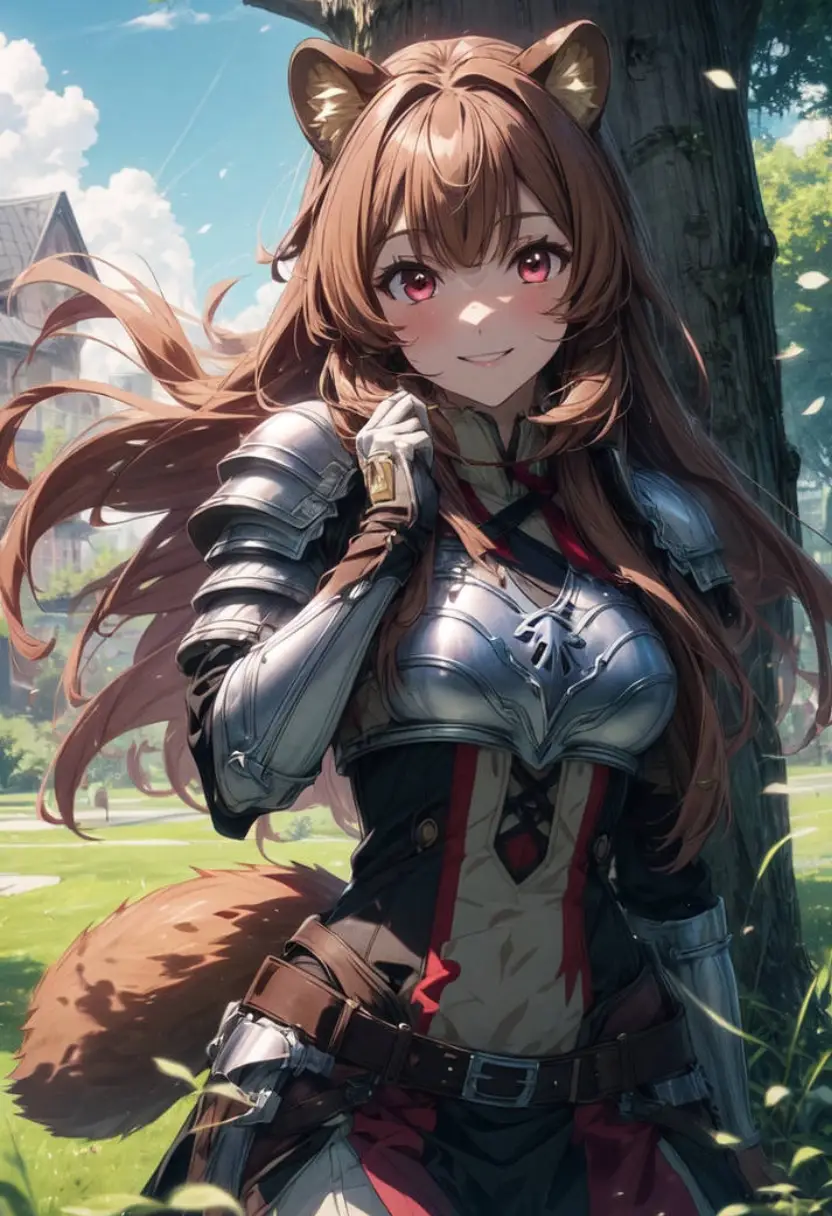
Raphtalia embodies the paradox of agency within subjugation—a character whose growth is defined by escaping systemic oppression while remaining emotionally tethered to a savior figure. Unlike typical isekai companions who exist as passive supports, she undergoes a radical transformation from traumatized slave to sovereign ruler, challenging the genre’s tendency to sideline female characters. Her arc rejects linear dependency: separation from Naofumi forces self-reliance, culminating in her becoming the Katana Hero and Heavenly Emperor of Q'ten Lo, positions of power she neither seeks nor desires but accepts out of duty. This tension between earned autonomy and reluctant leadership distinguishes her. She repeatedly chooses responsibility over revenge, protecting even those who enslaved her, which subverts the common revenge-driven narrative. Her combat growth is tied not to sudden power-ups but to psychological healing, making her victories symbolic of internal resolution. The removal of her slave crest via the Vassal Katana is both literal and metaphorical liberation, yet she retains loyalty not out of obligation but conviction. Raphtalia bends isekai conventions by being a heroine whose strength emerges from resilience rather than destiny, and whose romantic subplot remains secondary to her political and personal evolution.
ScoresCompareRaphtalia vs ...
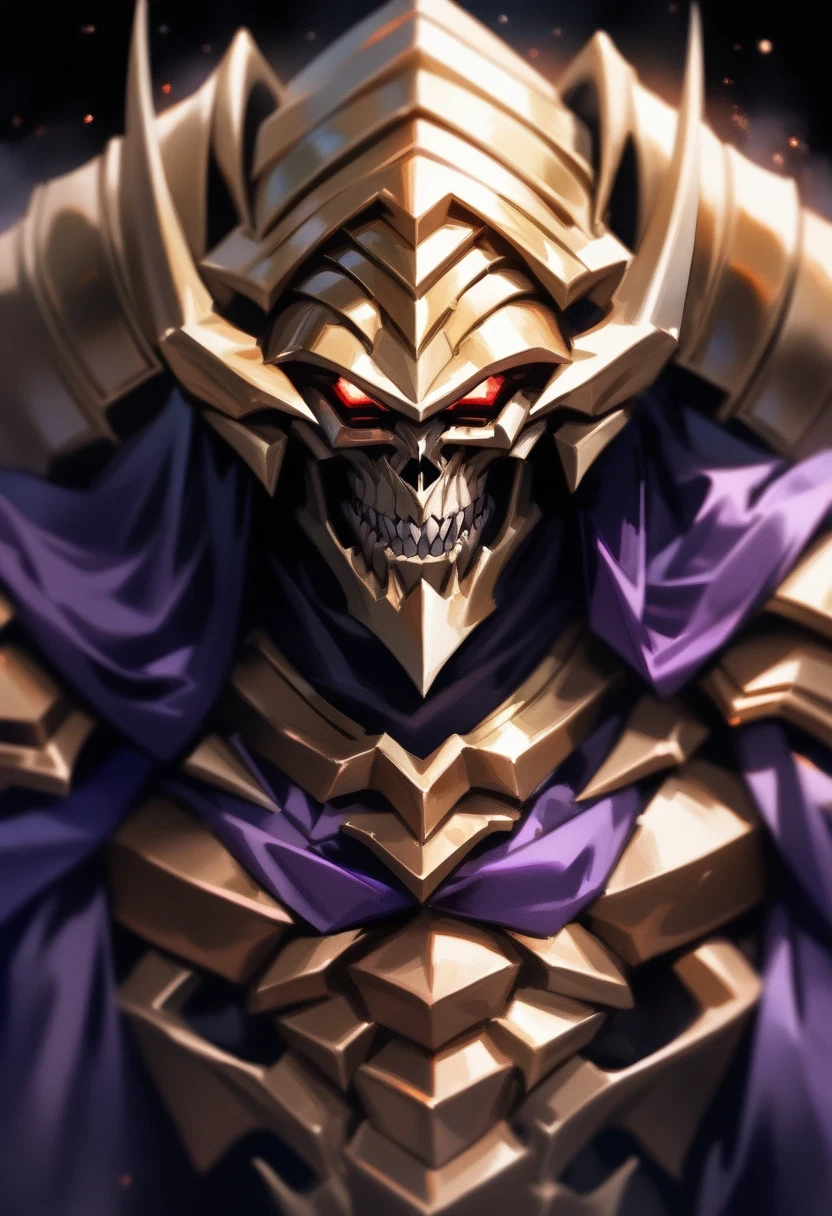
Overlord
Ainz Ooal Gown
YPS-4
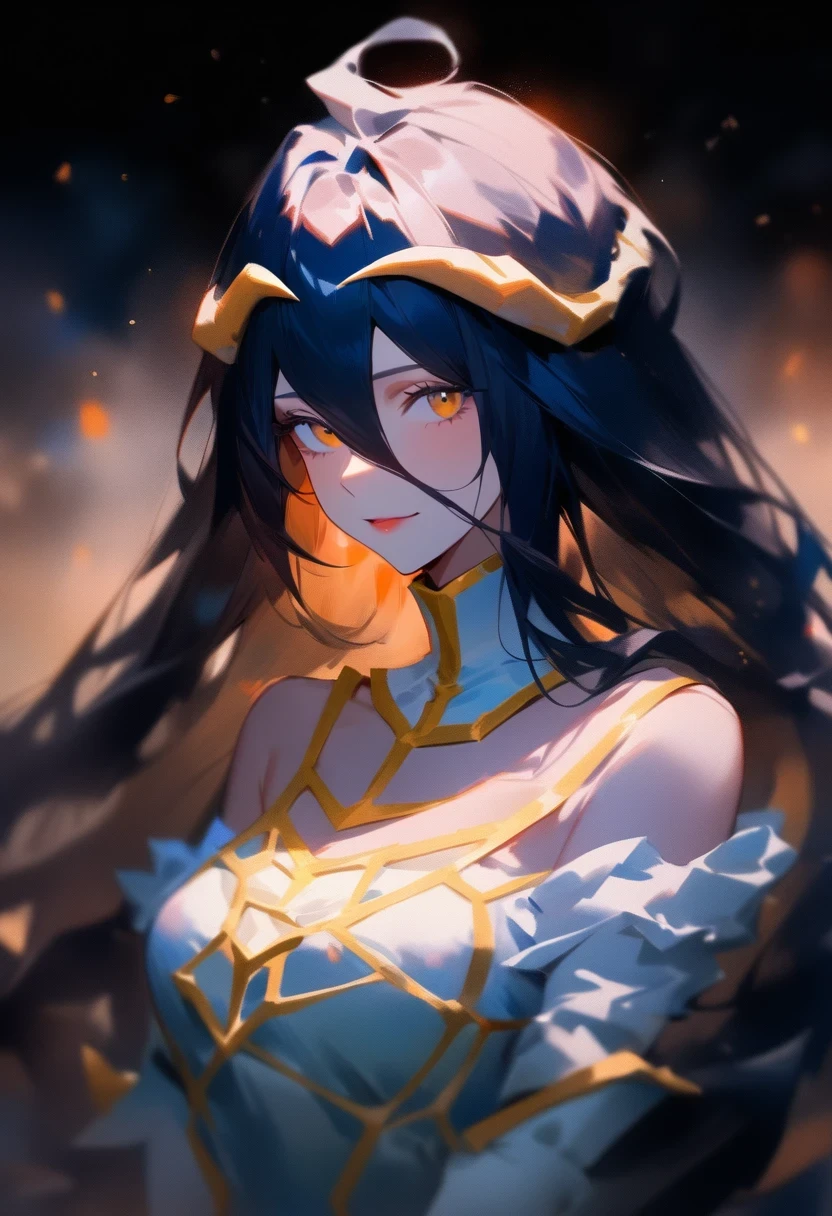
Overlord
Albedo
YPS-4
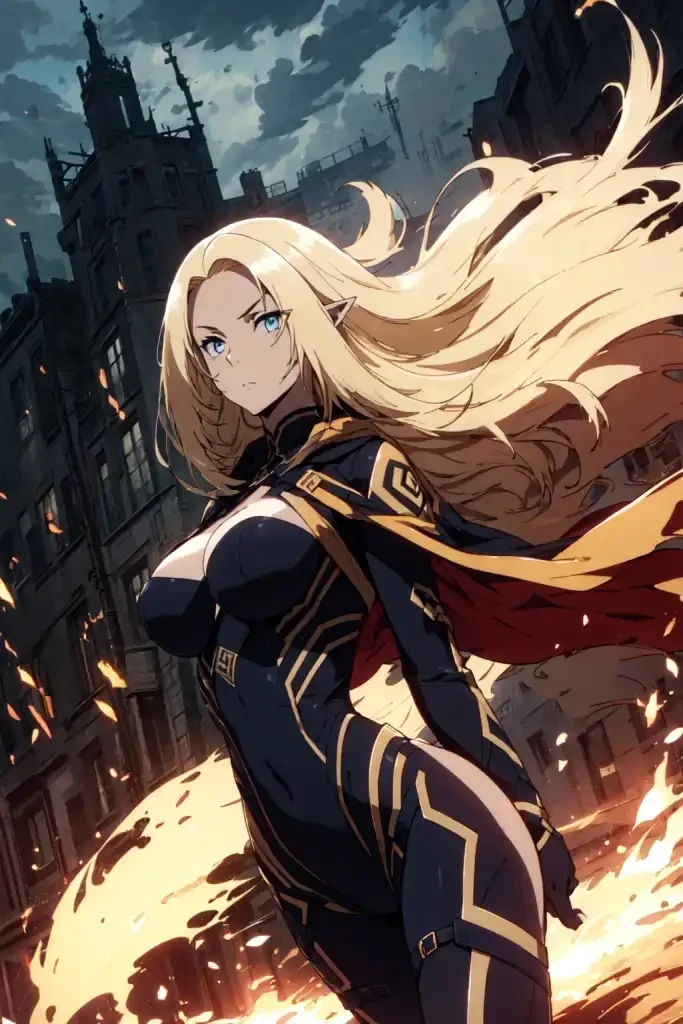
The Eminence in Shadow
Alpha
YPS-4
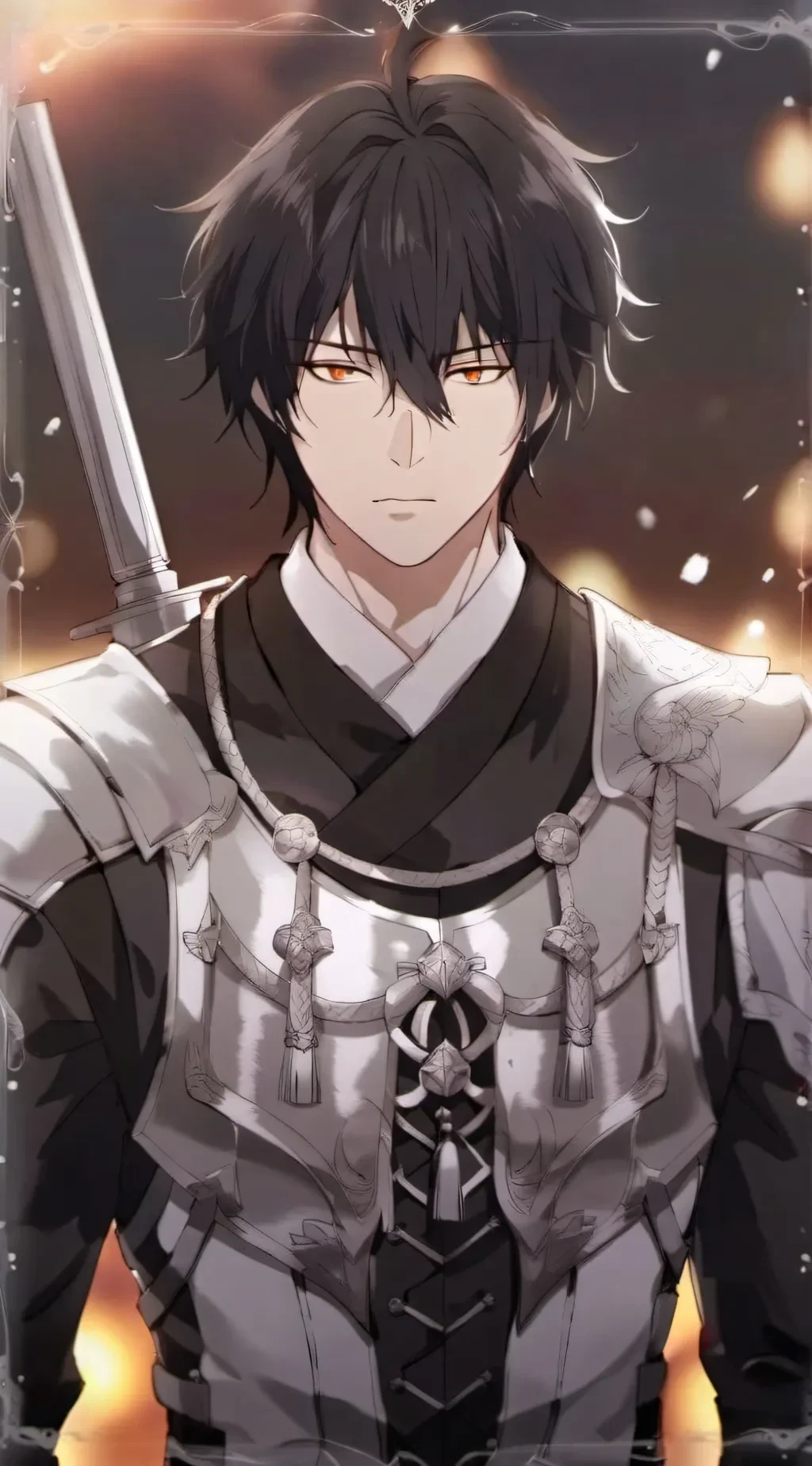
The Misfit of Demon King Academy
Anos Voldigoad
YPS-7

KonoSuba: God's Blessing on This Wonderful World!
Aqua
YPS-3

Sword Art Online
Asuna Yuuki
YPS-4
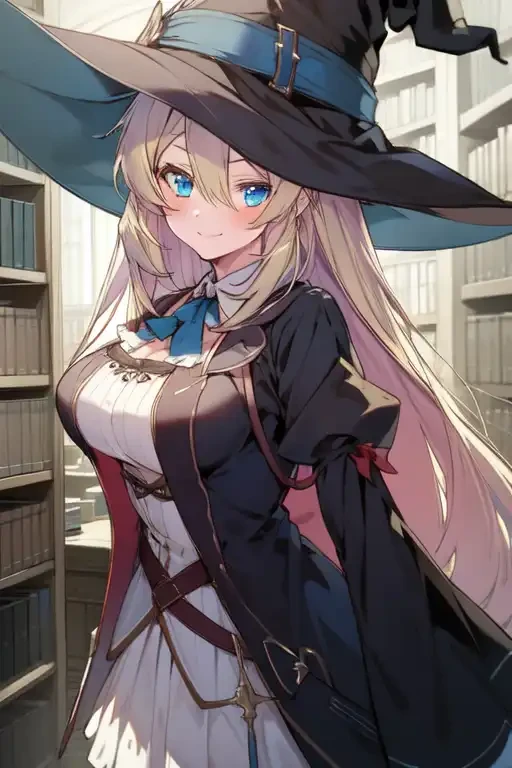
I've Been Killing Slimes for 300 Years
Azusa Aizawa
YPS-4

Re:Zero − Starting Life in Another World
Beatrice
YPS-3
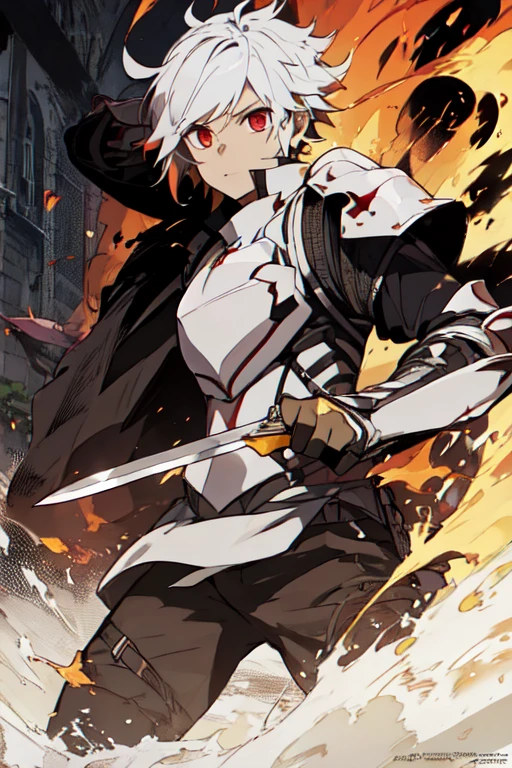
Is It Wrong to Try to Pick Up Girls in a Dungeon?
Bell Cranel
YPS-4

That Time I Got Reincarnated as a Slime
Benimaru
YPS-5

My Next Life as a Villainess: All Routes Lead to Doom!
Catarina Claes
YPS-1
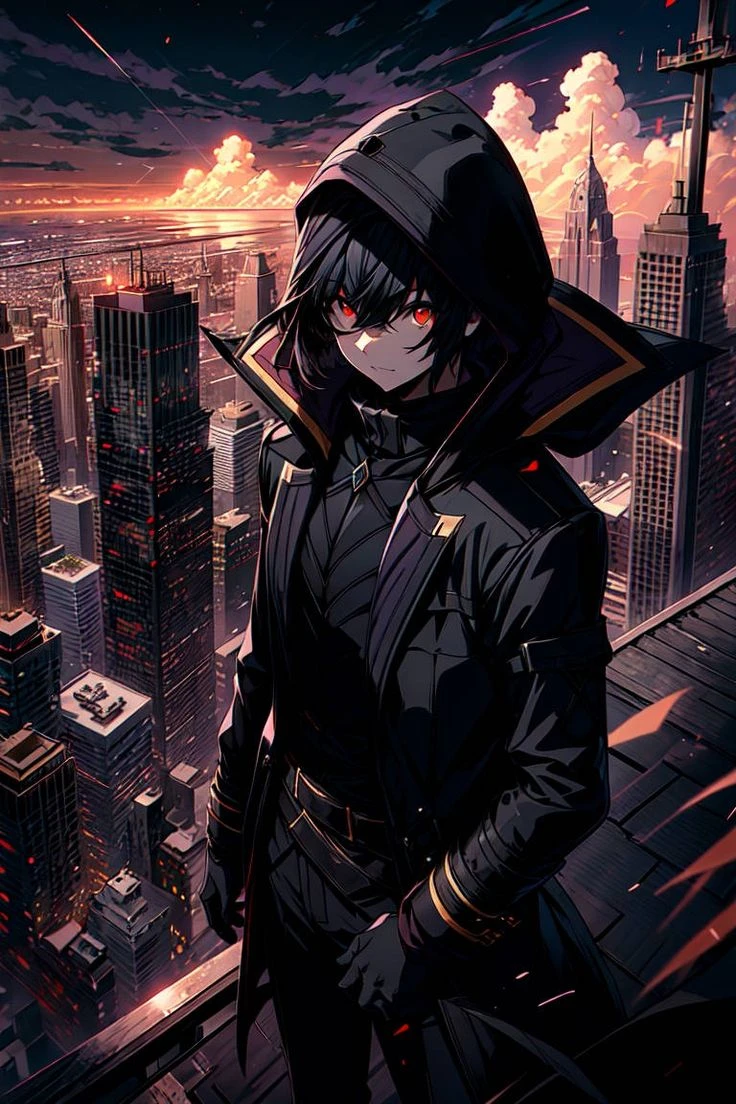
The Eminence in Shadow
Cid Kagenou
YPS-3
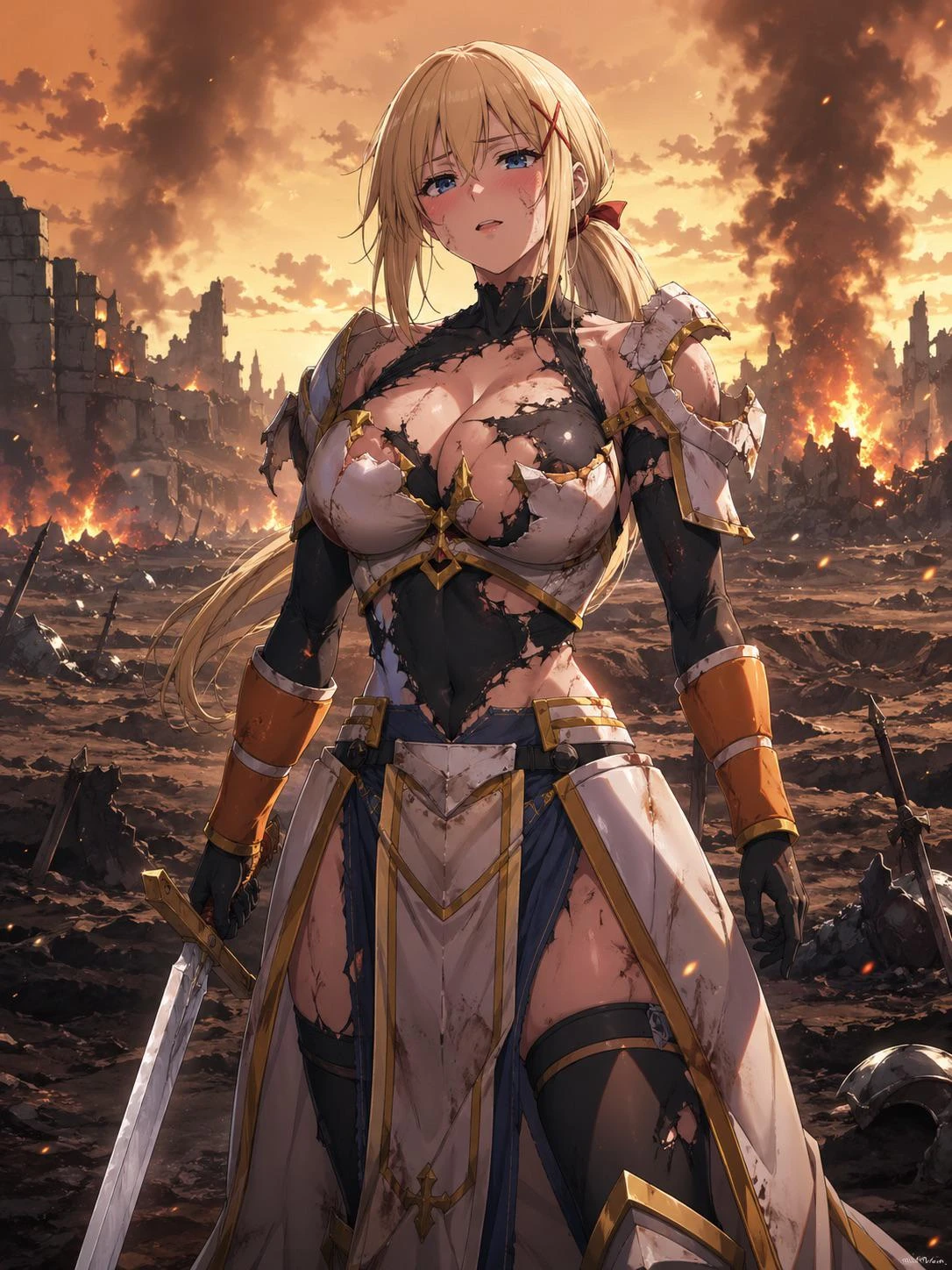
KonoSuba: God's Blessing on This Wonderful World!
Darkness
YPS-2
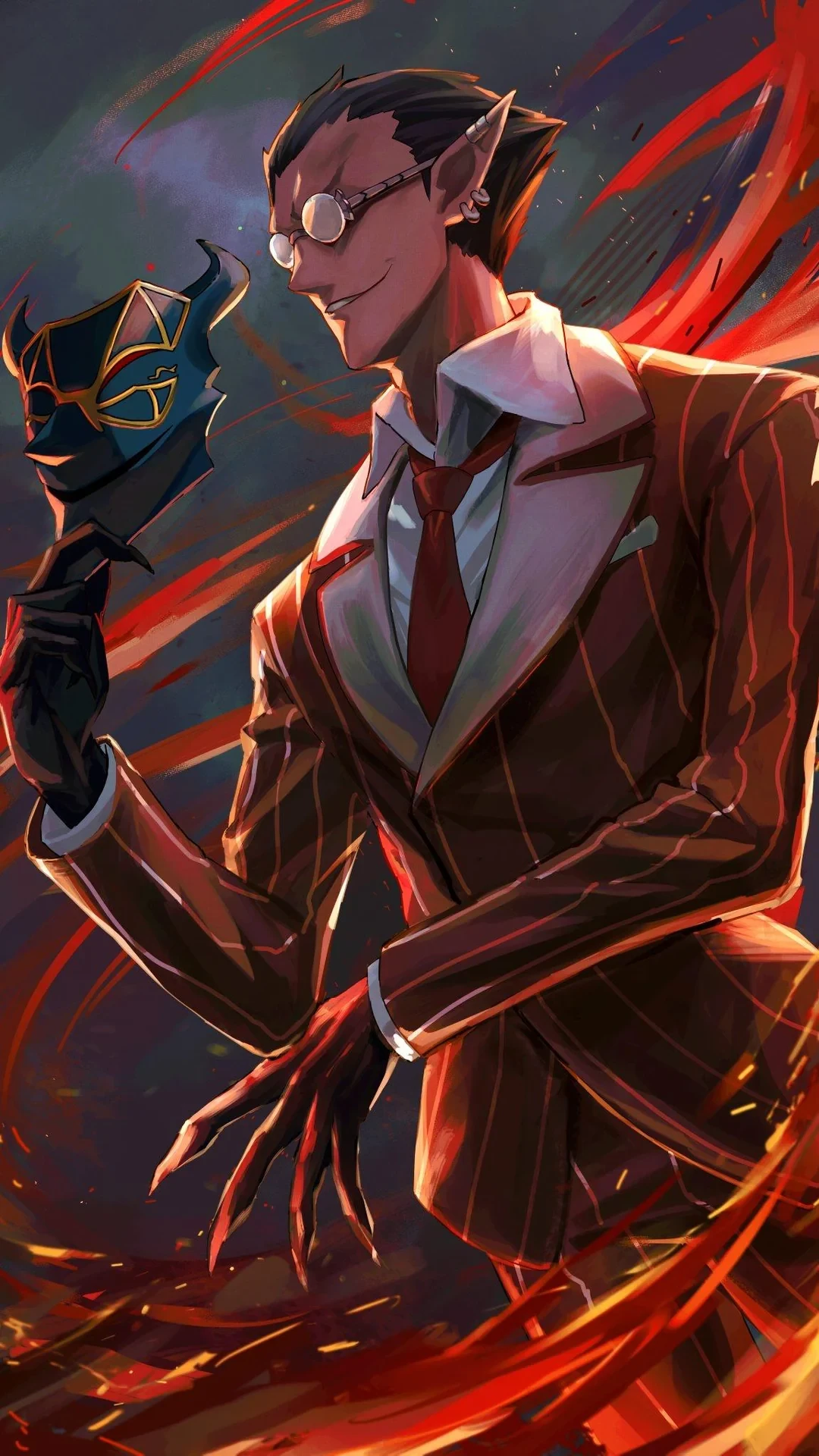
Overlord
Demiurge
YPS-4
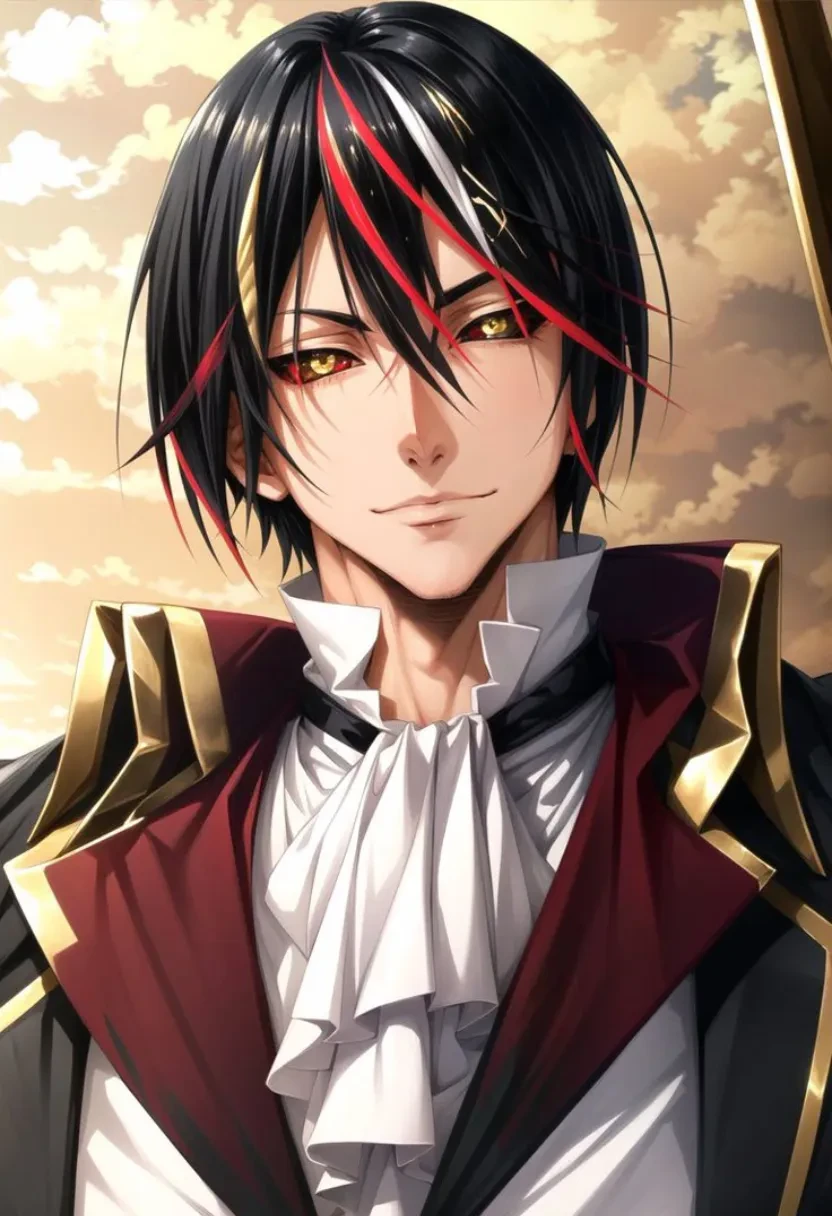
That Time I Got Reincarnated as a Slime
Diablo
YPS-5

Re:Zero − Starting Life in Another World
Emilia
YPS-4
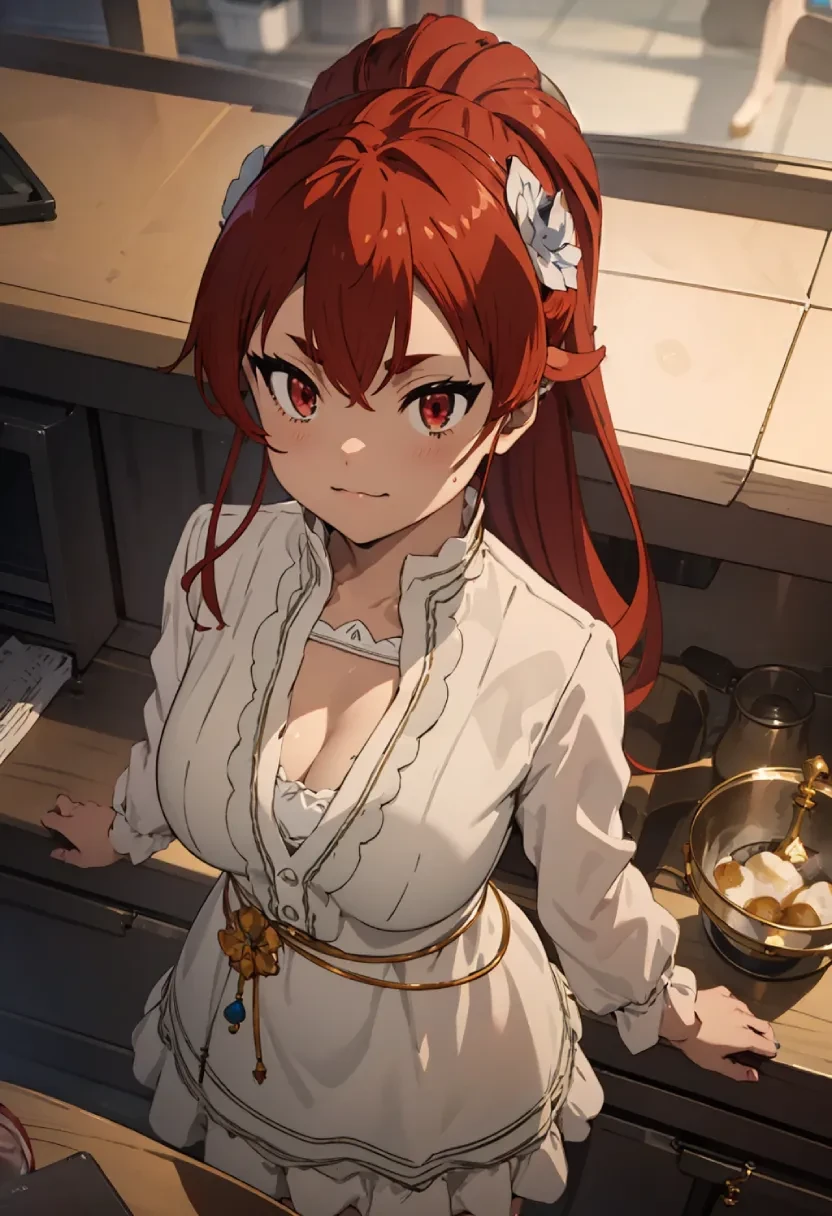
Mushoku Tensei: Jobless Reincarnation
Eris Boreas Greyrat
YPS-3

The Rising of the Shield Hero
Filo
YPS-2

Arifureta: From Commonplace to World's Strongest
Hajime Nagumo
YPS-7

Demon Lord, Retry!
Hakuto Kunai
YPS-3

A Record of a Mortal's Journey to Immortality
Han Li
YPS-7
Welcome to Demon School! Iruma-kun
Iruma Suzuki
YPS-1
KonoSuba: God's Blessing on This Wonderful World!
Kazuma Satō
YPS-3
Sword Art Online
Kirito
YPS-4

The World's Finest Assassin Gets Reincarnated in Another World as an Aristocrat
Lugh Tuatha Dé
YPS-3
Tsukimichi: Moonlit Fantasy
Makoto Misumi
YPS-6
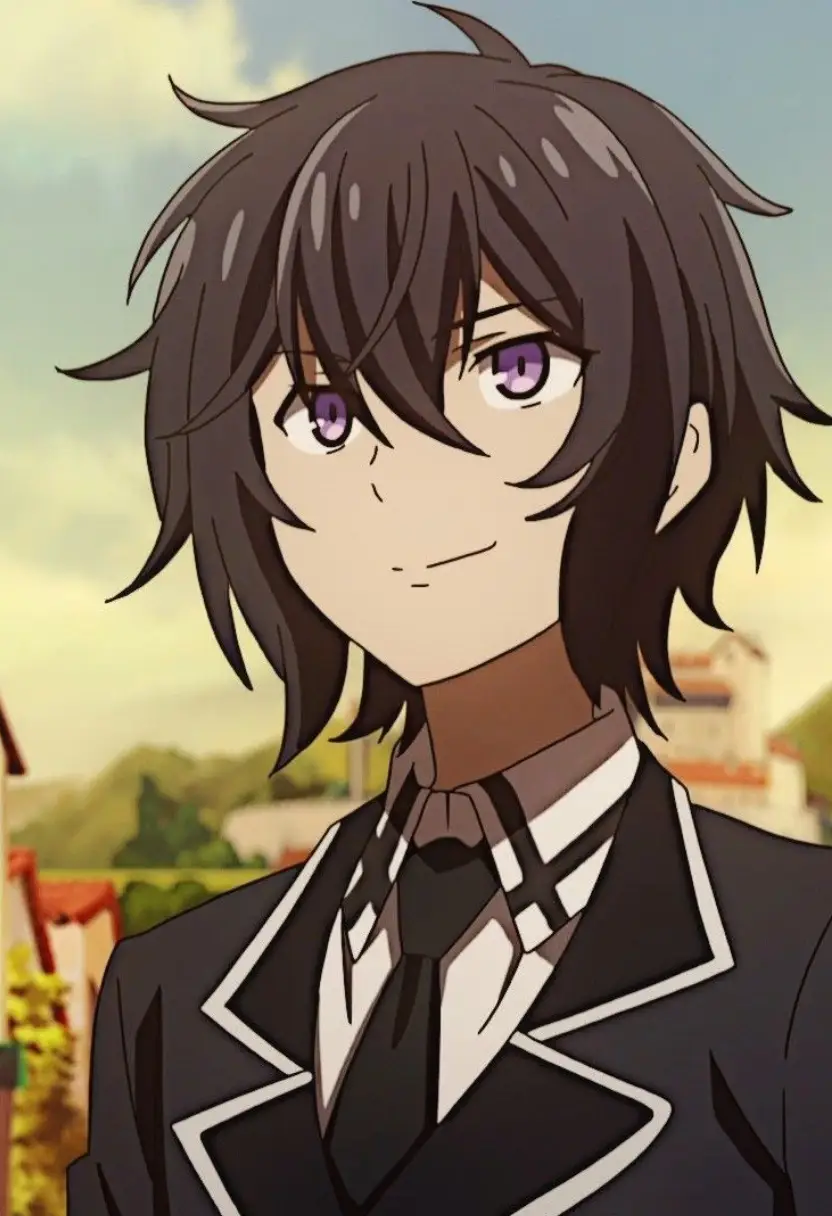
The Strongest Sage with the Weakest Crest
Mathias Hildesheimer
YPS-4
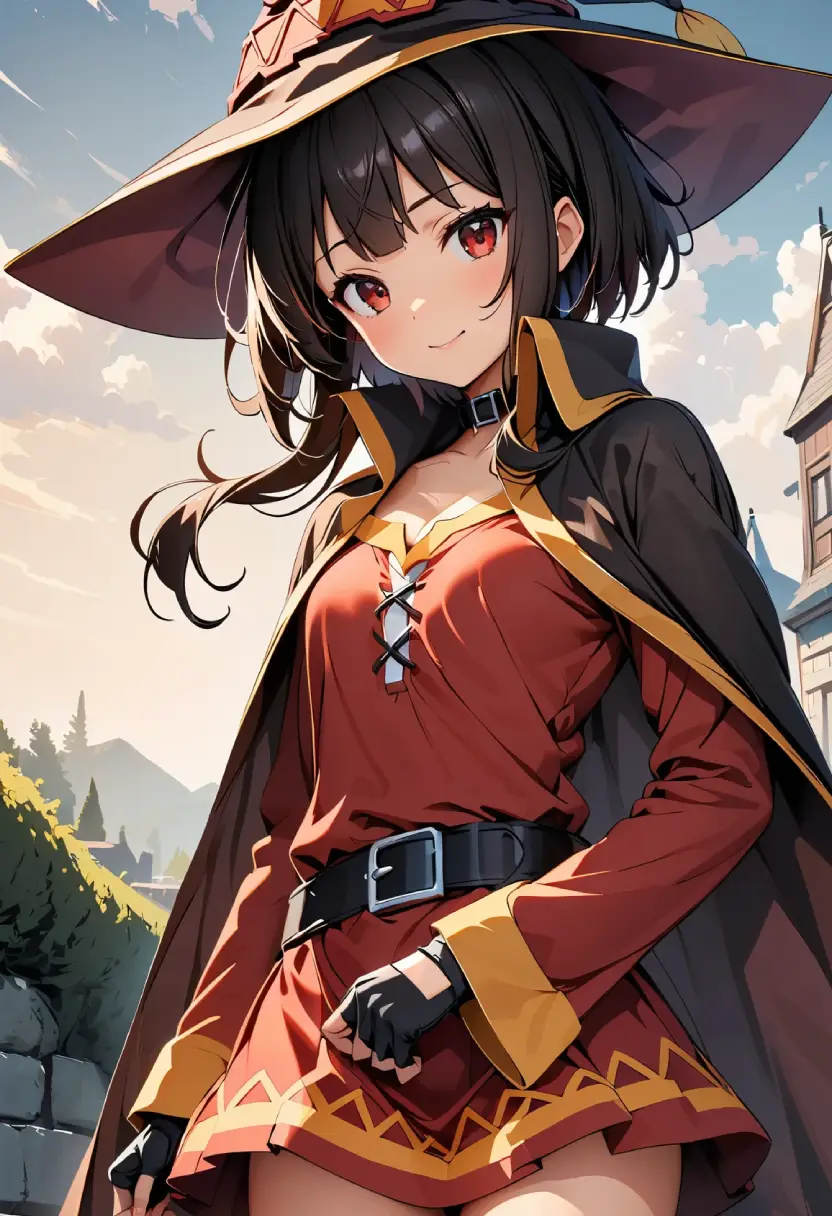
KonoSuba: God's Blessing on This Wonderful World!
Megumin
YPS-3

Didn't I Say to Make My Abilities Average in the Next Life?!
Mile
YPS-5

That Time I Got Reincarnated as a Slime
Milim Nava
YPS-6
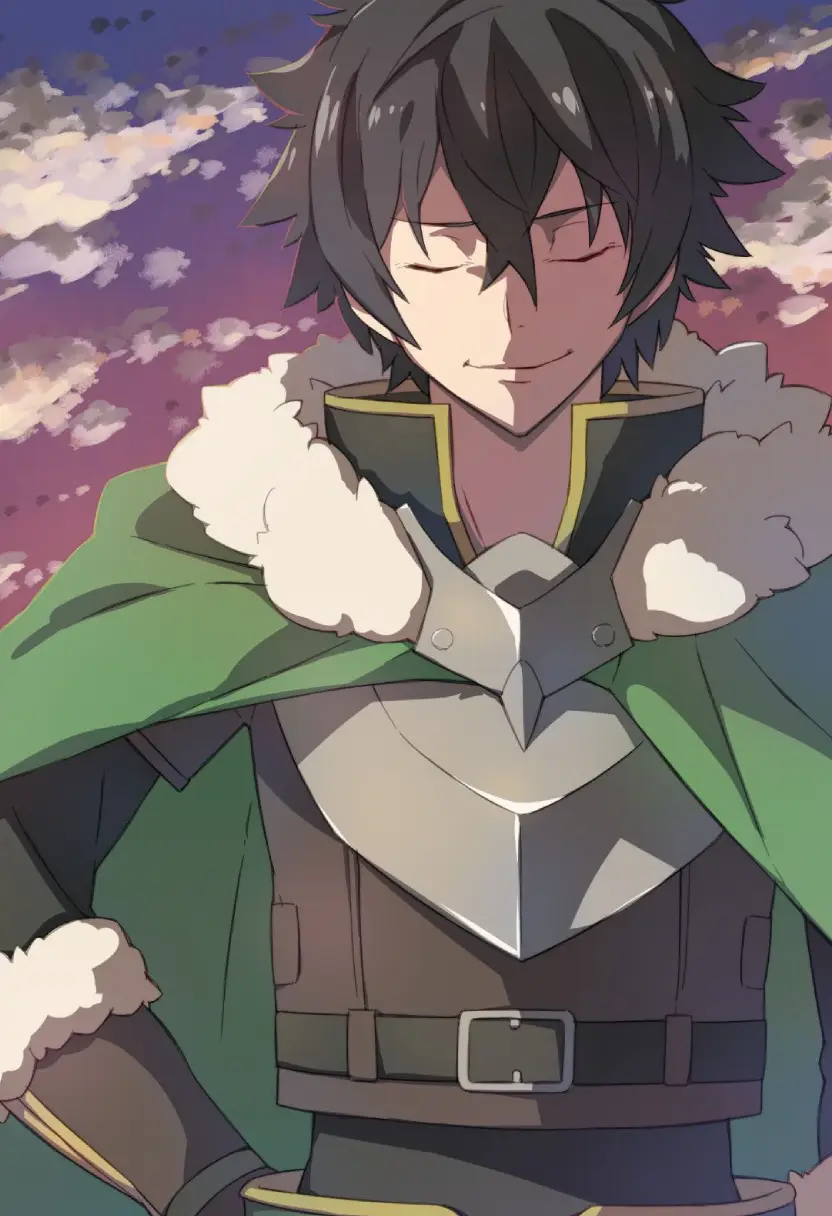
The Rising of the Shield Hero
Naofumi Iwatani
YPS-4

Re:Zero − Starting Life in Another World
Rem
YPS-2

That Time I Got Reincarnated as a Slime
Rimuru Tempest
YPS-6
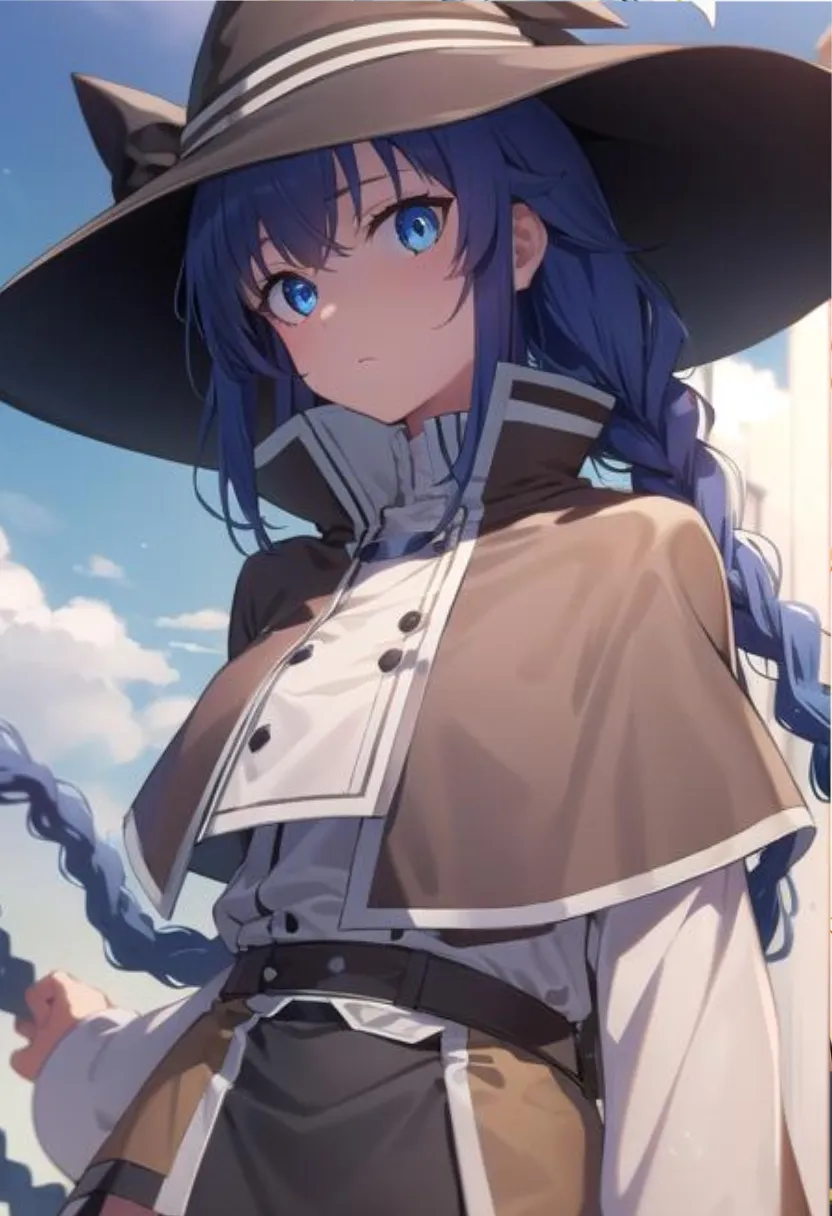
Mushoku Tensei: Jobless Reincarnation
Roxy Migurdia
YPS-3
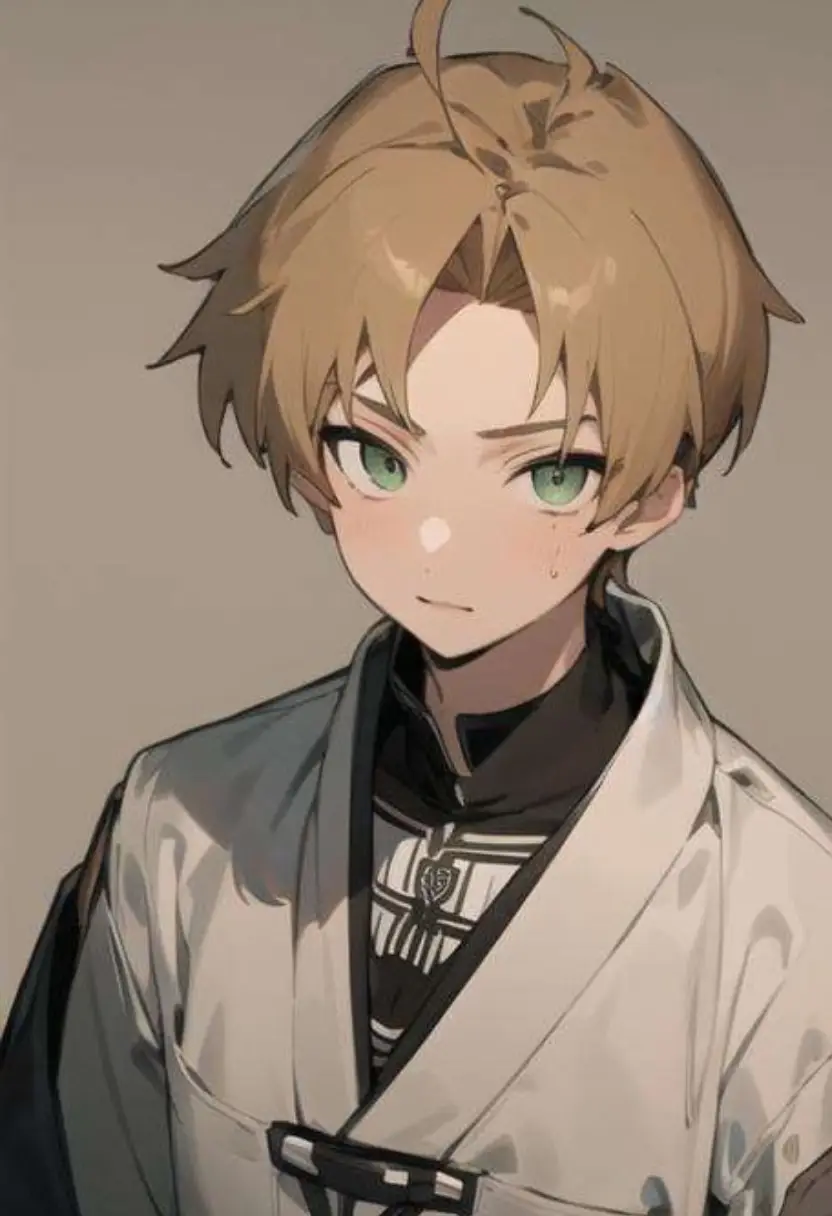
Mushoku Tensei: Jobless Reincarnation
Rudeus Greyrat
YPS-4
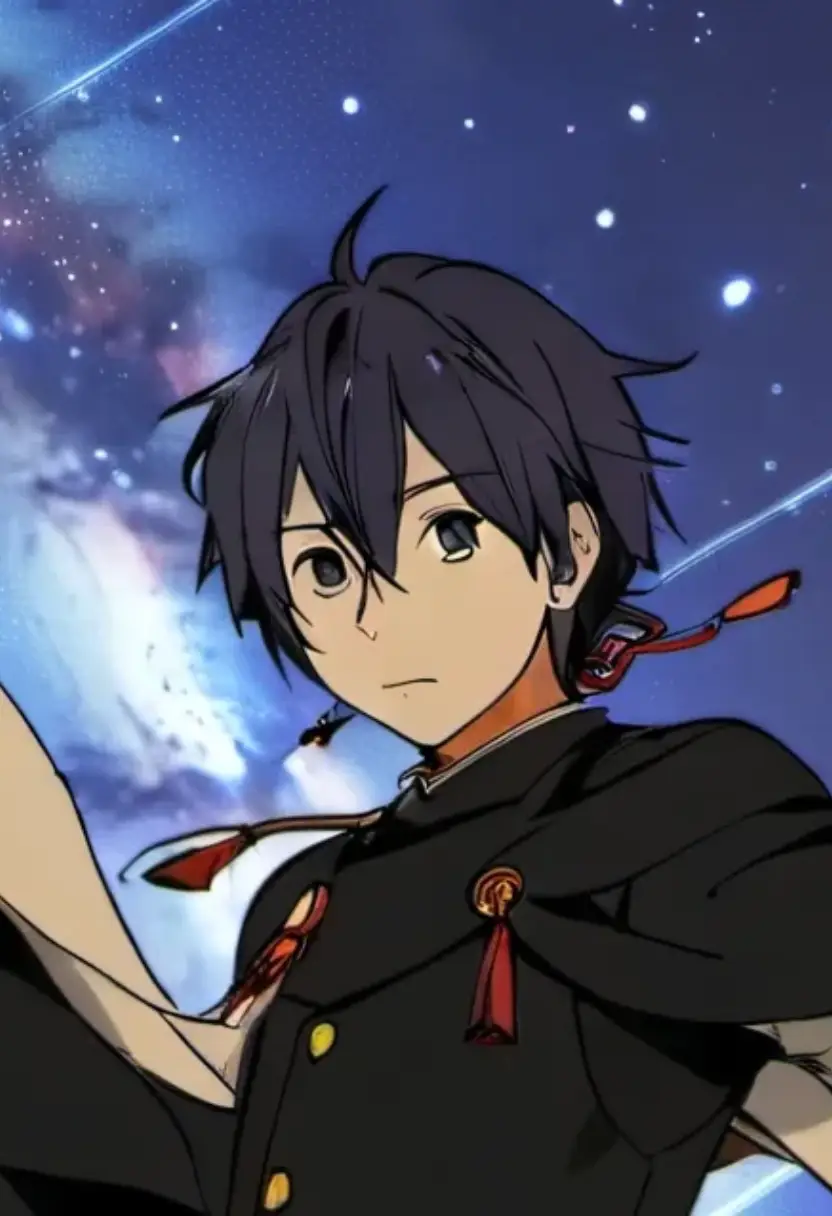
Death March to the Parallel World Rhapsody
Satou Pendragon
YPS-7
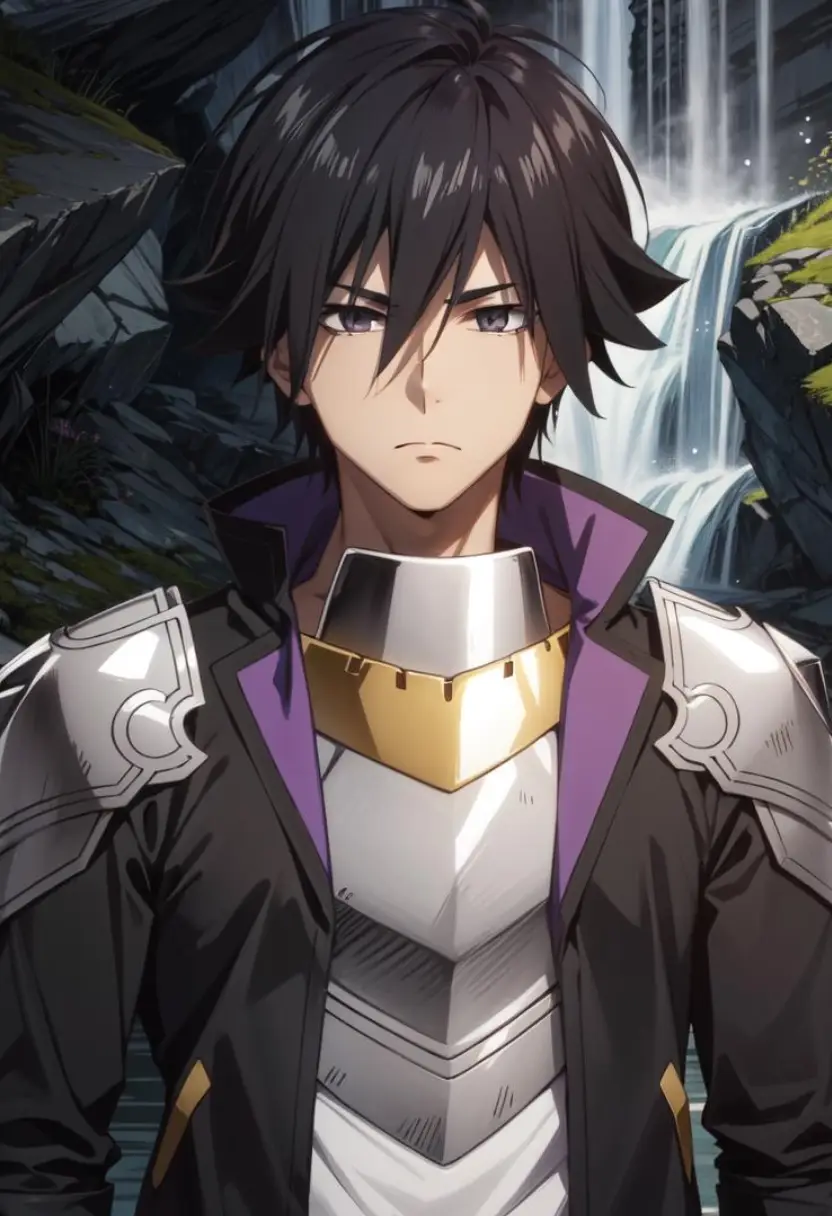
Cautious Hero: The Hero Is Overpowered but Overly Cautious
Seiya Ryūgūin
YPS-4

Overlord
Shalltear Bloodfallen
YPS-3
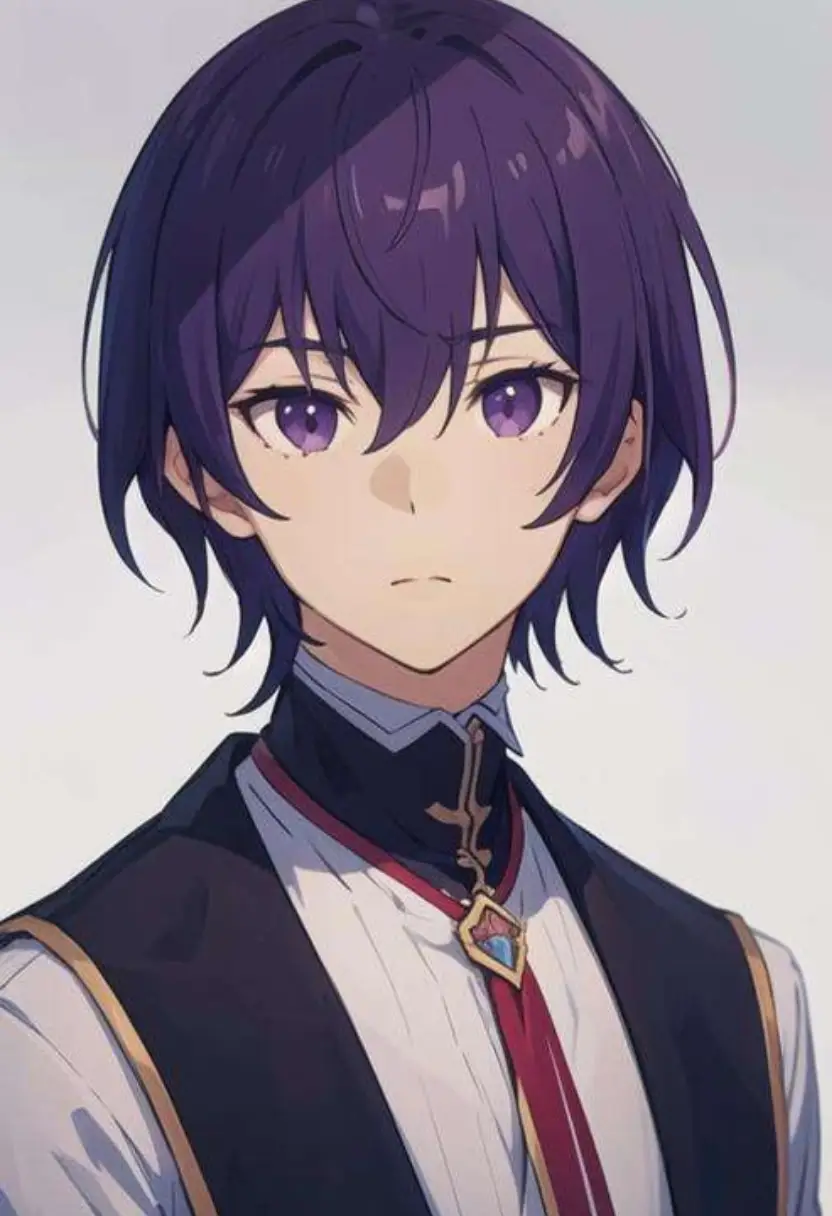
Wise Man's Grandchild
Shin Wolford
YPS-4
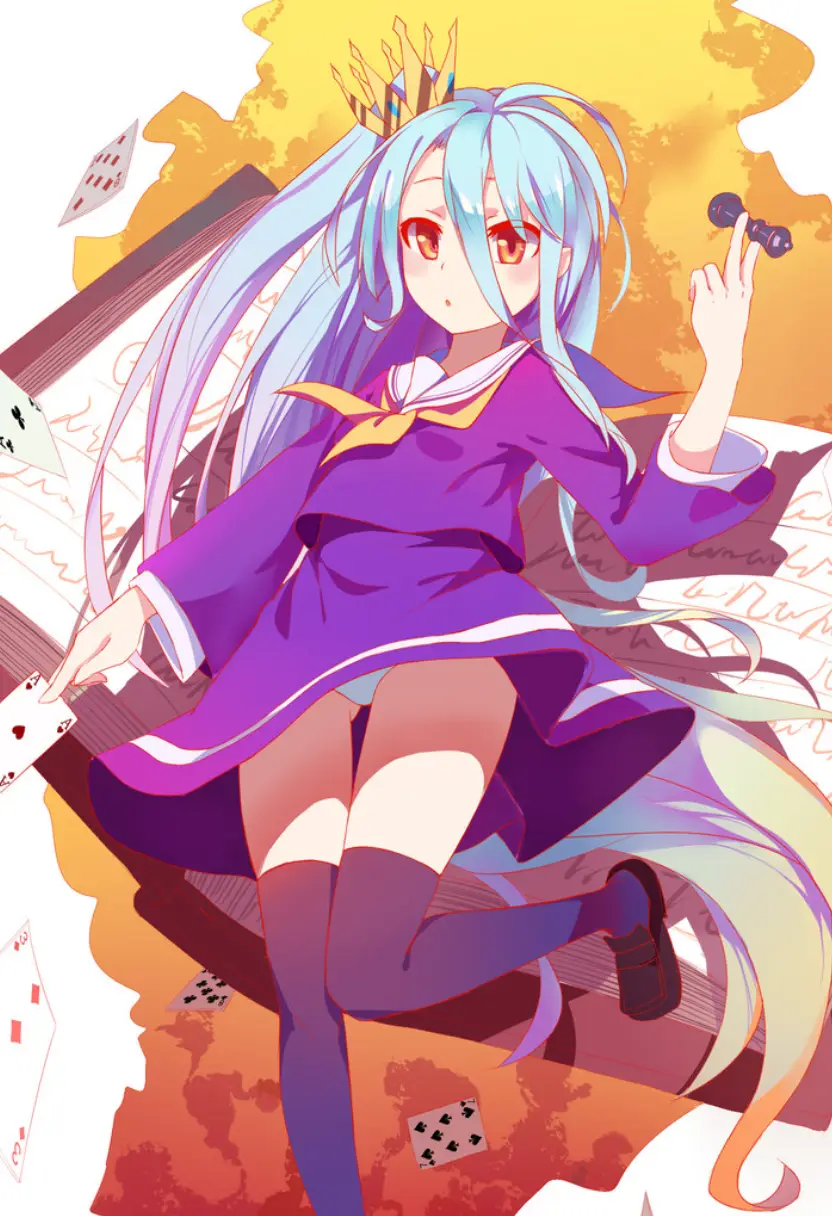
No Game No Life
Shiro
YPS-1
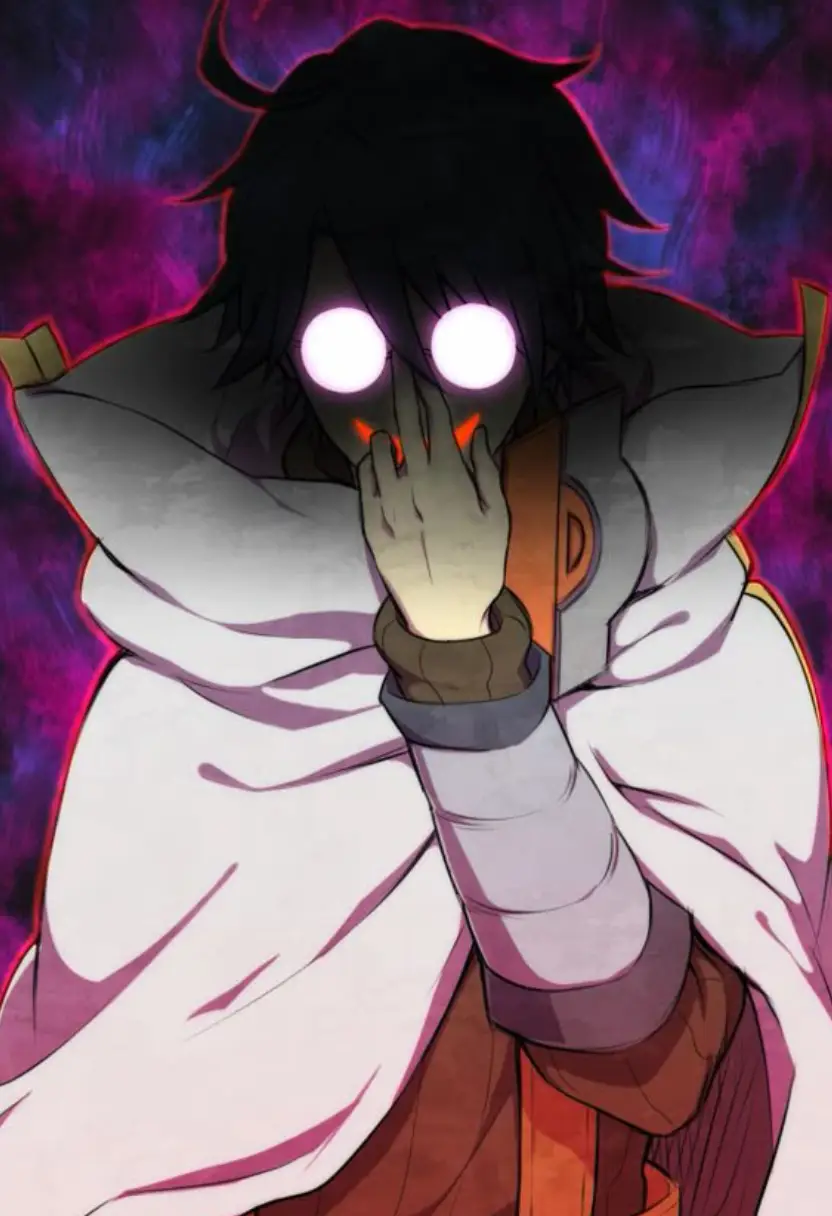
Log Horizon
Shiroe
YPS-2
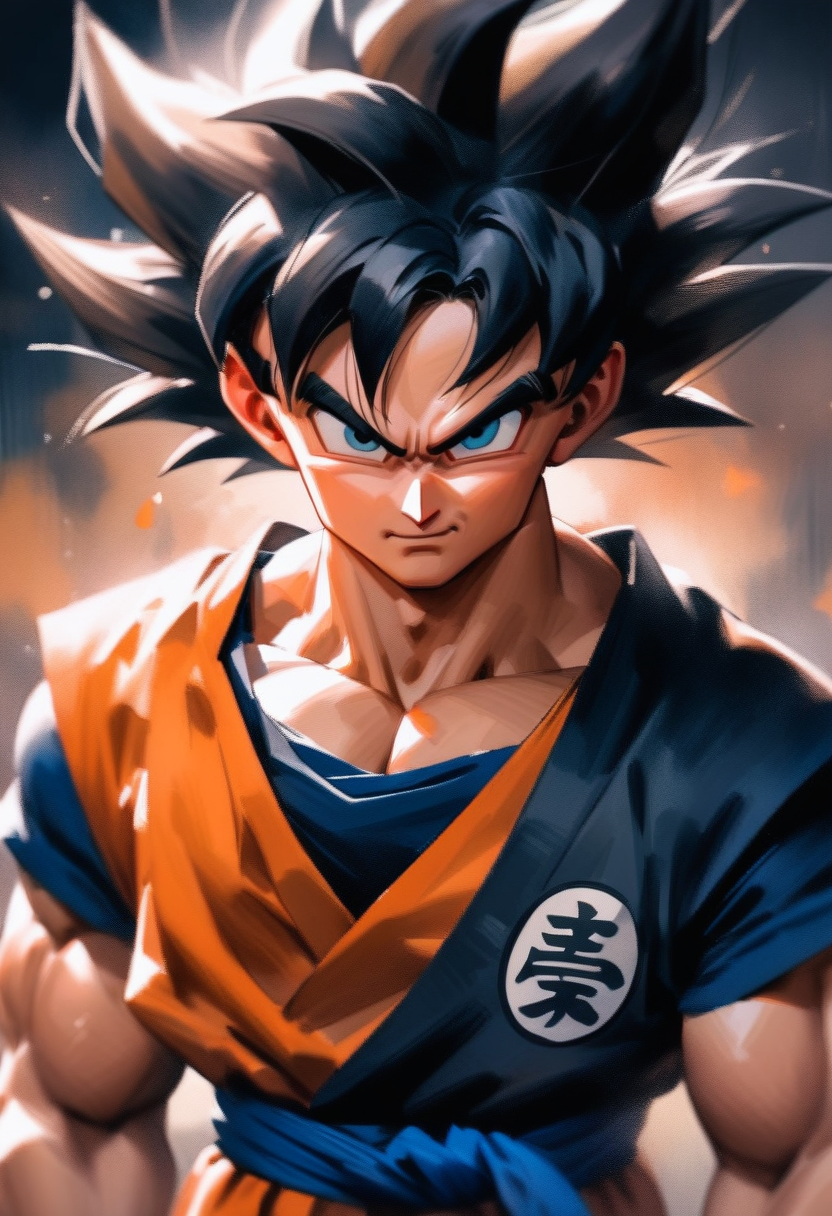
Dragon Ball
Son Goku
YPS-7
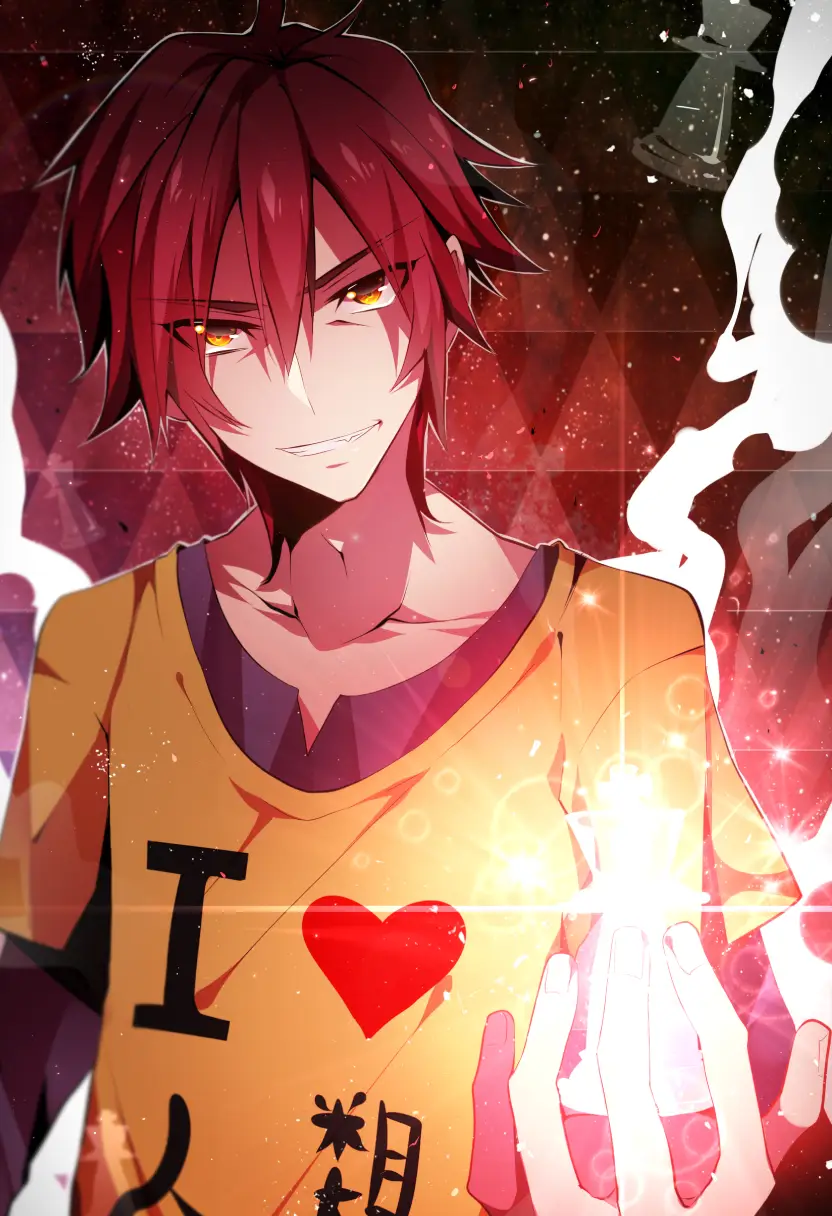
No Game No Life
Sora
YPS-1
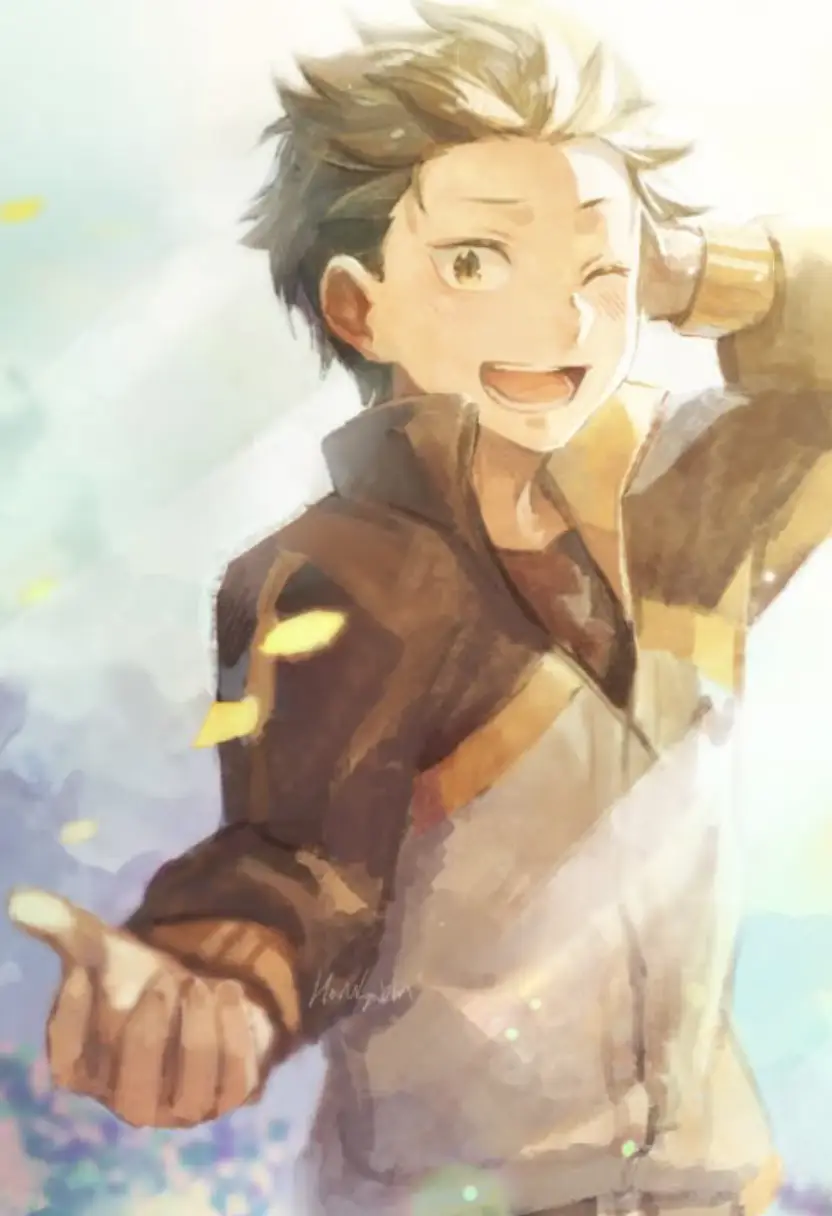
Re:Zero − Starting Life in Another World
Subaru Natsuki
YPS-2
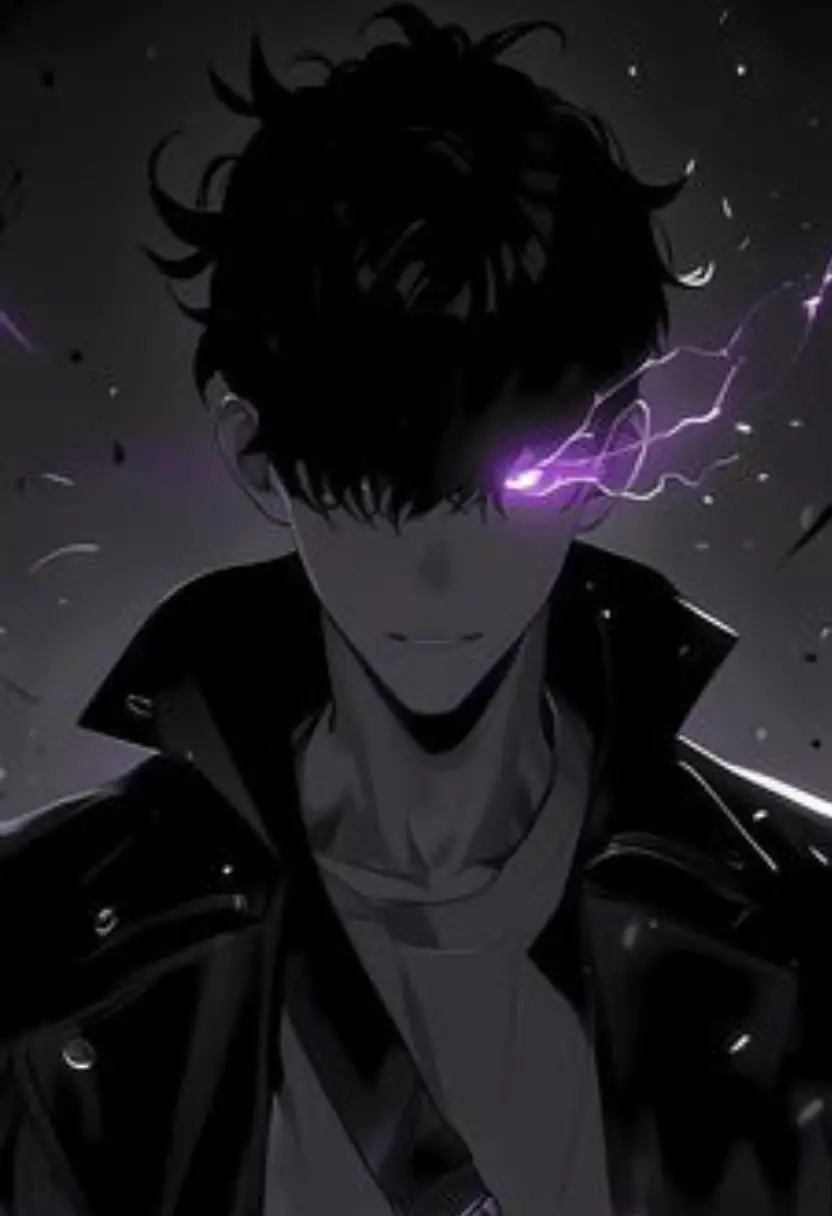
Solo Leveling
Sung Jinwoo
YPS-6
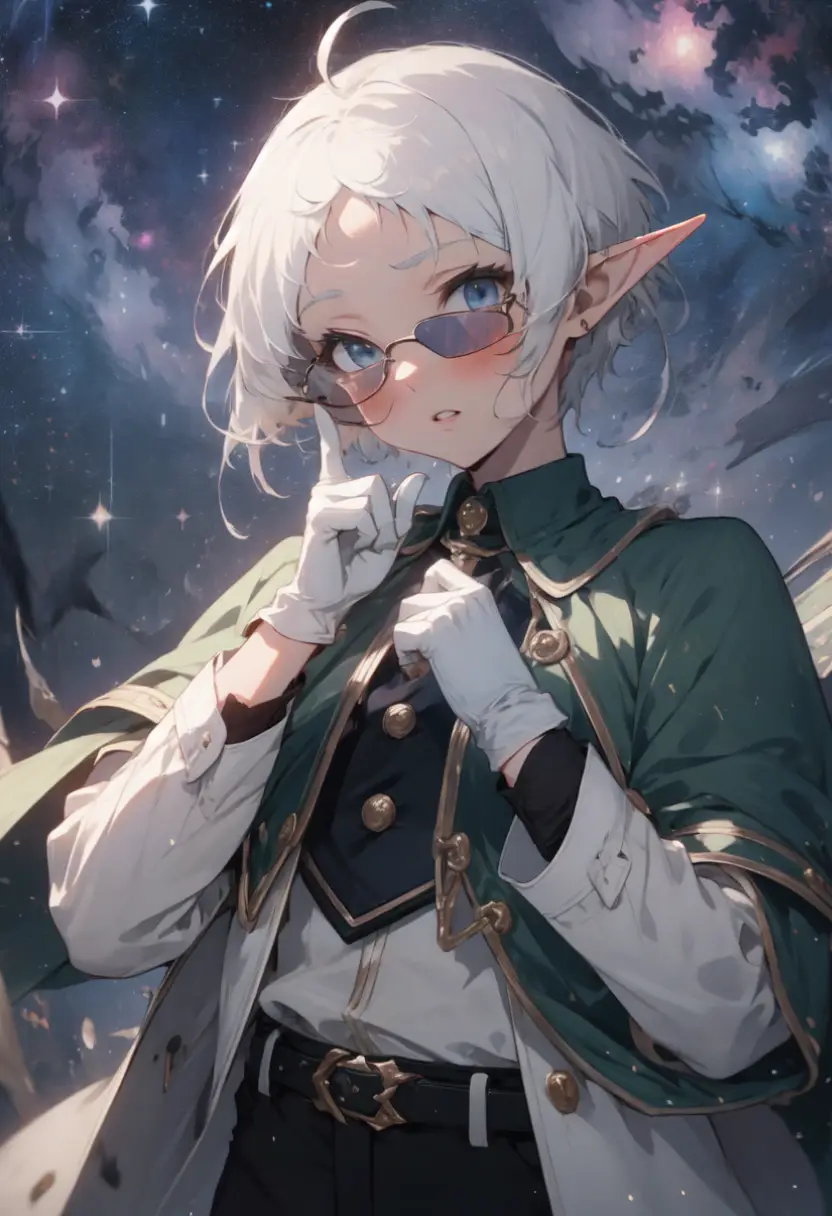
Mushoku Tensei: Jobless Reincarnation
Sylphiette
YPS-3
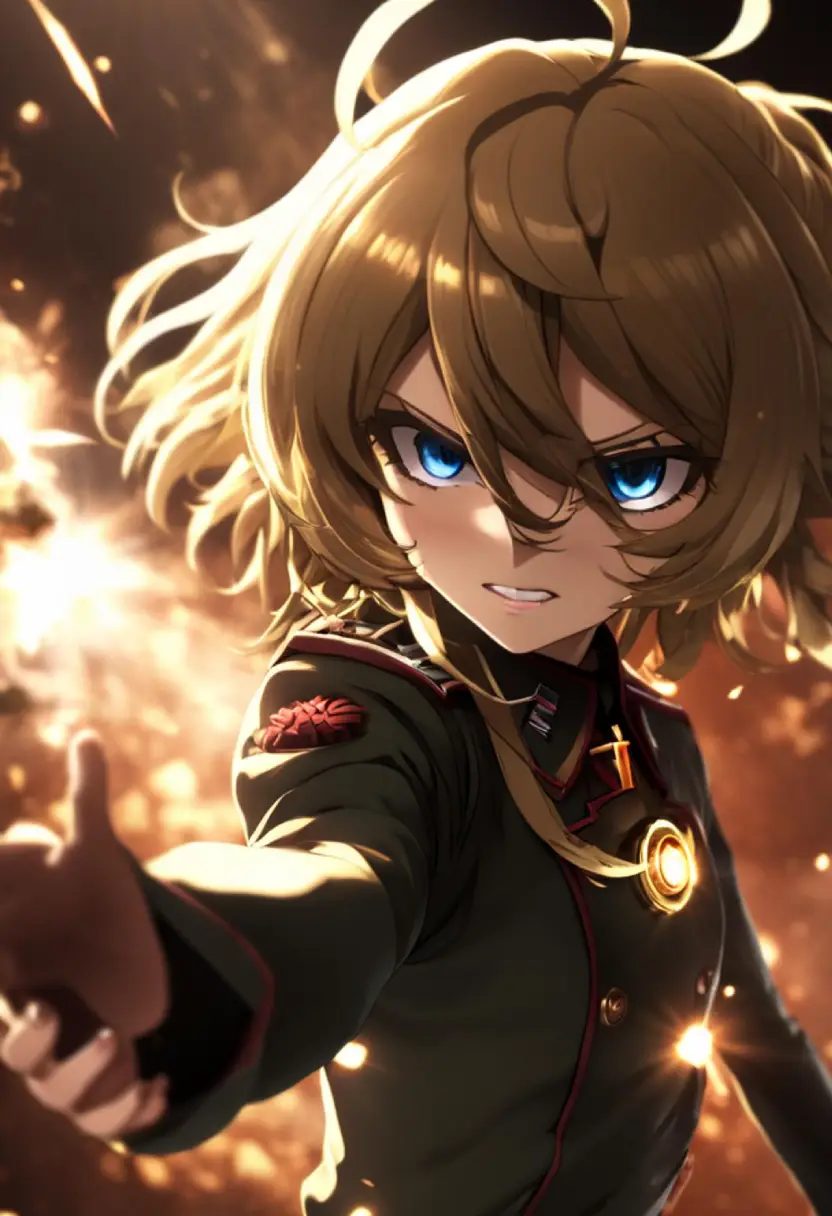
Saga of Tanya the Evil
Tanya Degurechaff
YPS-3

In Another World With My Smartphone
Touya Mochizuki
YPS-7

Saga of Tanya the Evil
Viktoriya Serebryakov
YPS-2
Characters Like ThisBy DNA distance
Re:Zero − Starting Life in Another World
Rem
YPS-2 · 34.9 DNA · same isekai
Welcome to Demon School! Iruma-kun
Iruma Suzuki
YPS-1 · 38.4 DNA · same isekai
charm
Death March to the Parallel World Rhapsody
Satou Pendragon
YPS-7 · 39.1 DNA · same isekai
charmruthless
Mushoku Tensei: Jobless Reincarnation
Rudeus Greyrat
YPS-4 · 40.9 DNA · same isekai
charm
Sword Art Online
Asuna Yuuki
YPS-4 · 42.4 DNA · same isekai