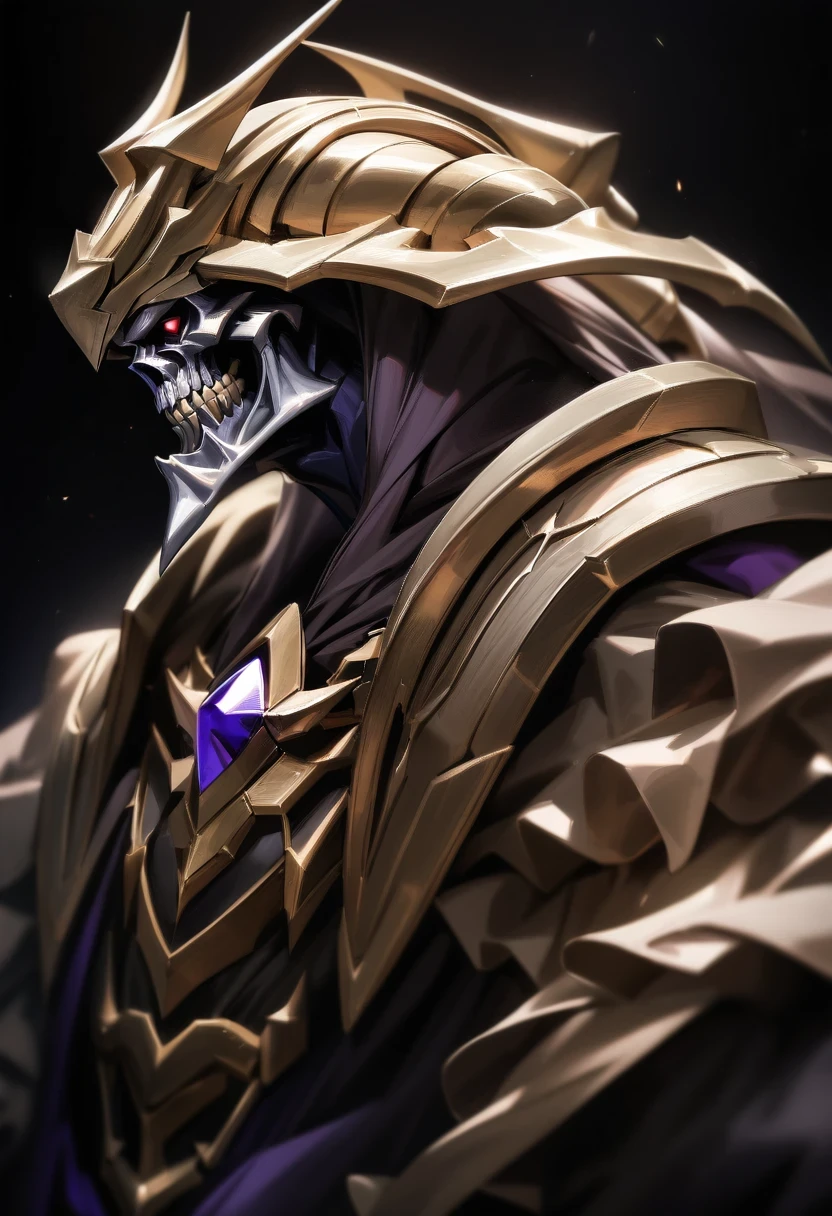

Performance in these narratives functions as a mechanism of survival versus a mechanism of play, rendering a direct YPS comparison between authority and physical power types fundamentally mismatched. While one operates as a YPS-4 strategic deterrent and the other as a YPS-3 tactical force, the real divergence lies in the direction of their delusions. Ainz is a prisoner of his own persona, a corporate middle manager terrified that his subordinates will discover his incompetence. His authority is a gilded cage; every decree is a desperate attempt to maintain a facade of omniscience. In contrast, Cid treats the world as a sandbox, utilizing his physical dominance not to rule, but to achieve a specific aesthetic. He does not fear the gap between his internal reality and external perception—he actively cultivates it for sport. This creates a stark contrast in their DNA: Ainz suffers a slow erosion of empathy to sustain his role, whereas Cid remains emotionally untouched because he refuses to acknowledge the reality of the world he is reshaping. Ainz is a man forced to become a monster to lead monsters, while Cid is a man playing monster because he finds the alternative boring. The tragedy of the former is the mirror image of the absurdity of the latter, proving that in the isekai genre, the most oppressive force is not a magical spell, but the expectation of the people following you.
Archetype breakdowns and dispute court land in later phases.