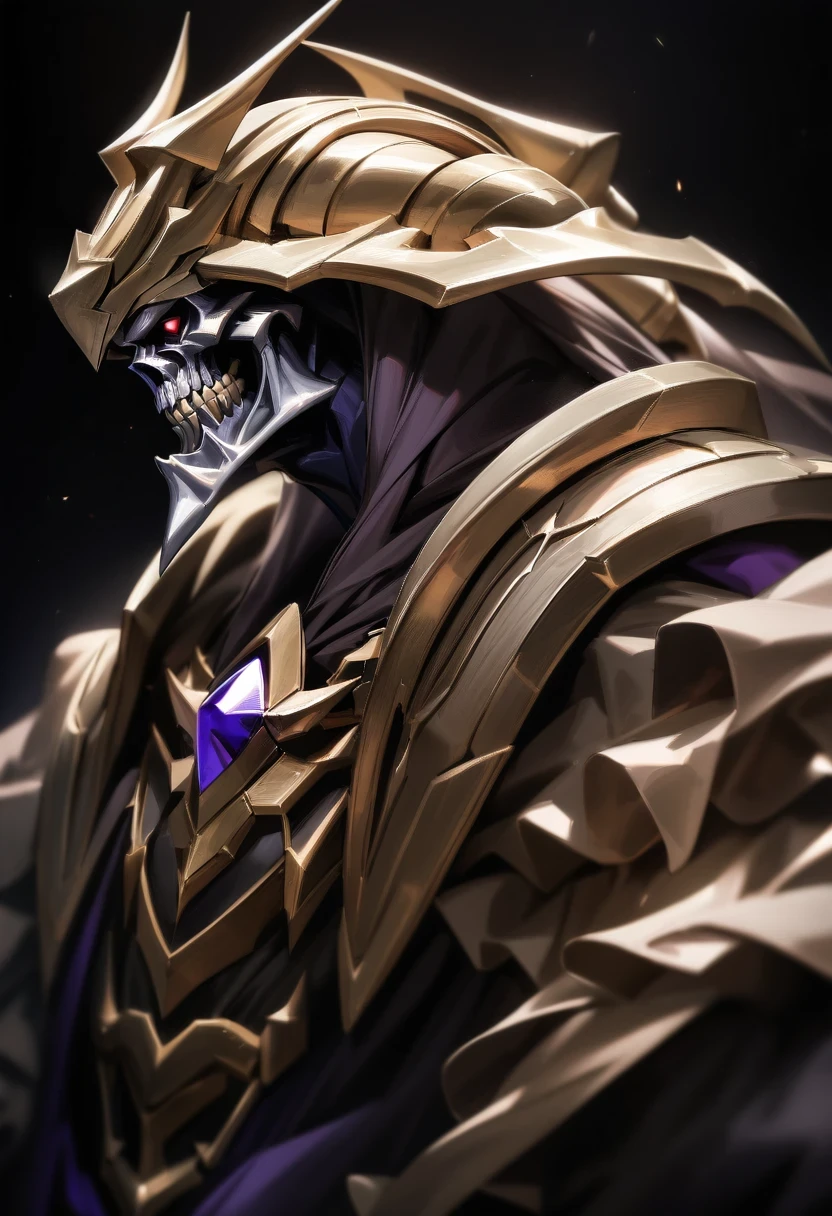

The fundamental disconnect between authority-based power and raw physical capability renders a direct YPS comparison meaningless here. A YPS-4 strategic deterrent and a YPS-2 superhuman operate on different planes of existence, but their DNA profiles reveal a deeper truth about the nature of agency in isekai. The real tension lies in the inverse relationship between power and autonomy. While one manages a nation through the performative stress of a corporate middle manager, the other evolves through simple, uncomplicated devotion. Ainz is a prisoner of his own image, trapped by the expectations of the NPCs in Nazarick and the cold logic of his undead nature. His authority is not a tool of liberation, but a set of golden handcuffs that force him to roleplay a god while his human empathy erodes. Conversely, Filo’s trajectory is defined by Growth. She does not lead; she follows, yet her evolution into a Filolial Queen is a natural extension of her bond with the Shield Hero. One is a master who wishes he were a subordinate, and the other is a subordinate whose growth is the only honest thing in her world. This contrast proves that in isekai, the higher the YPS tier and the more complex the authority, the more the character often loses their original self to the system.
Archetype breakdowns and dispute court land in later phases.