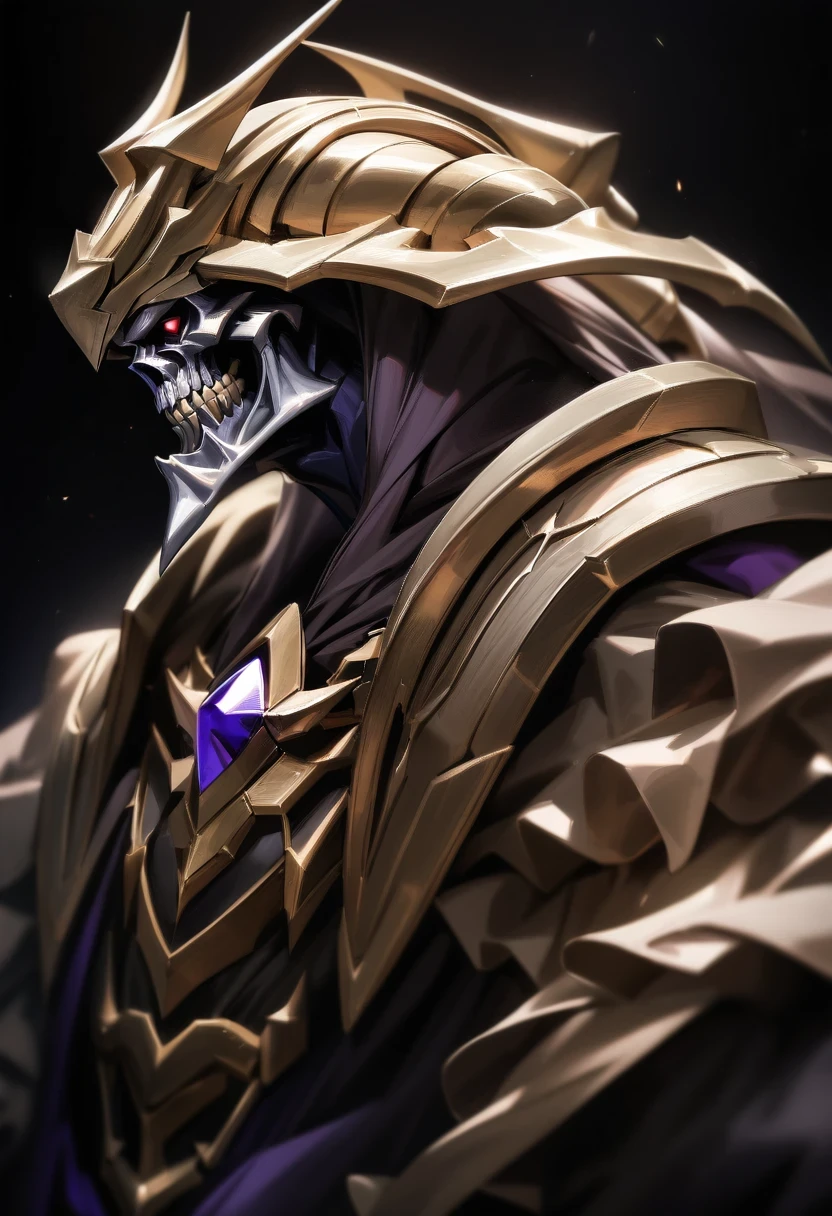
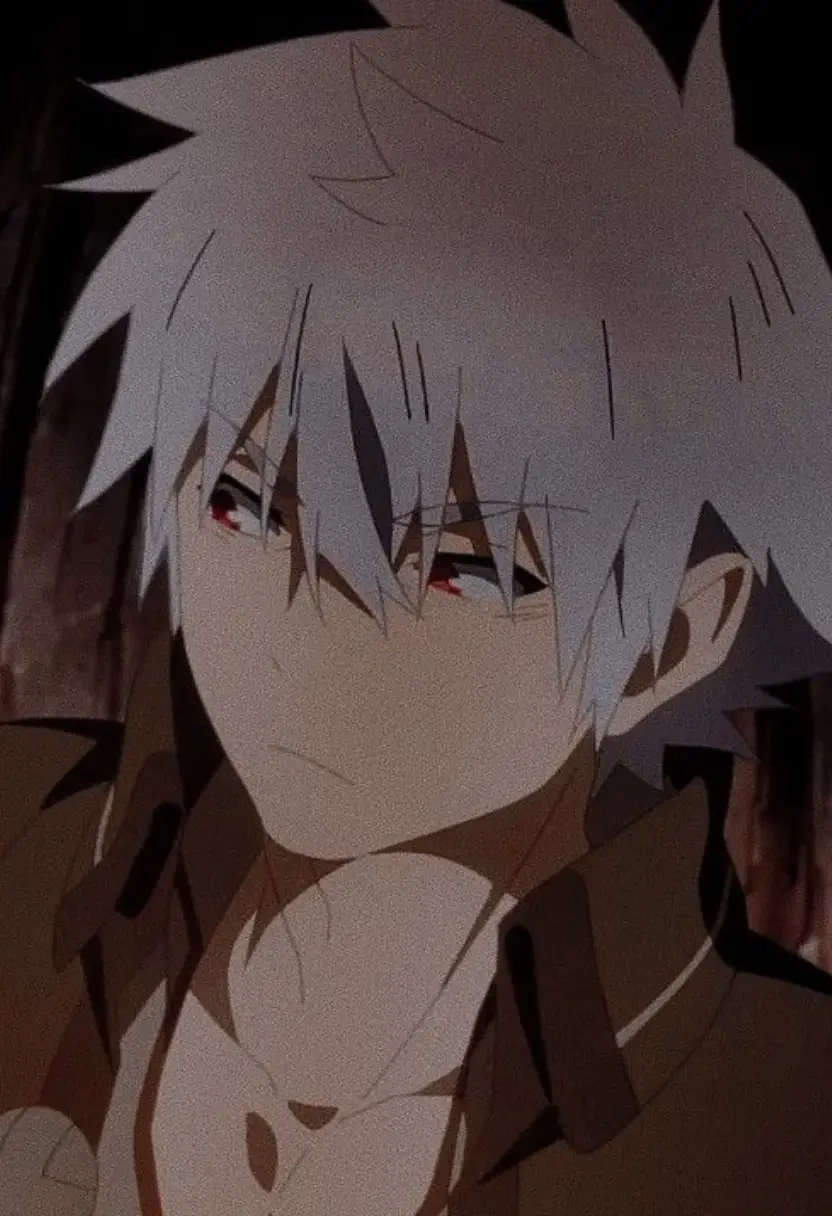
The true divide between these two is not a matter of scale, but of direction. Comparing a YPS-4 authority-type like Ainz to a YPS-7 physical-law manipulator like Hajime is fundamentally meaningless in terms of combat output; they operate on different axes of existence. The real story lies in their DNA profiles, specifically the inverse relationship between their Ego and their identity. Ainz is a study in erosion. He possesses the trappings of a god but operates with the anxiety of a middle manager, his internal self shrinking as he performs the role of the Overlord. His Bonds are an inheritance, a corporate structure he must maintain to avoid failure. Hajime, conversely, represents a study in synthesis. His ascent from the Great Orcus Labyrinth is not just a power spike but a complete demolition of his former self. While Ainz hides behind a mask of omnipotence, Hajime’s Ego is a weapon forged in trauma, driving him to reject the gods themselves. Ainz’s tragedy is that he is becoming the monster everyone believes he is, while Hajime’s triumph is that he became a monster by choice to protect the only people he trusts. One is a man disappearing into a role; the other is a man building a fortress around his soul.
Archetype breakdowns and dispute court land in later phases.