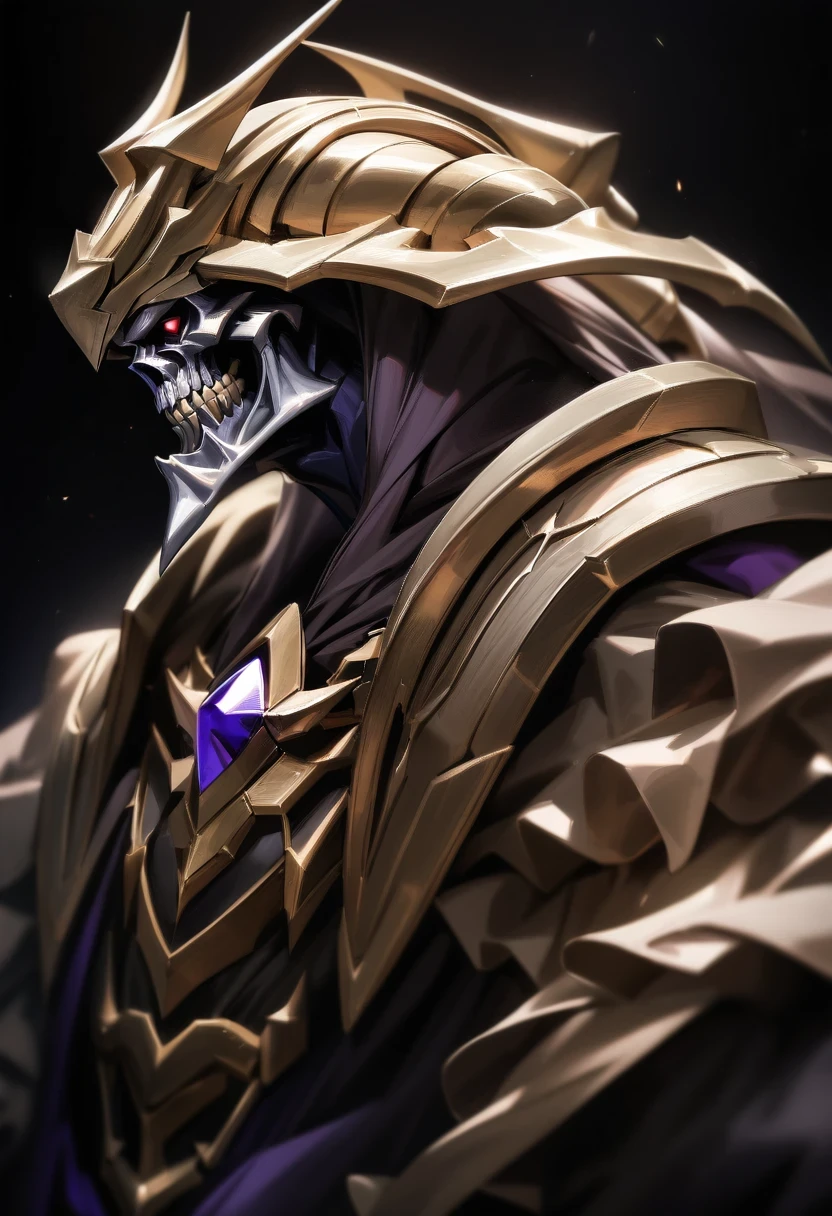
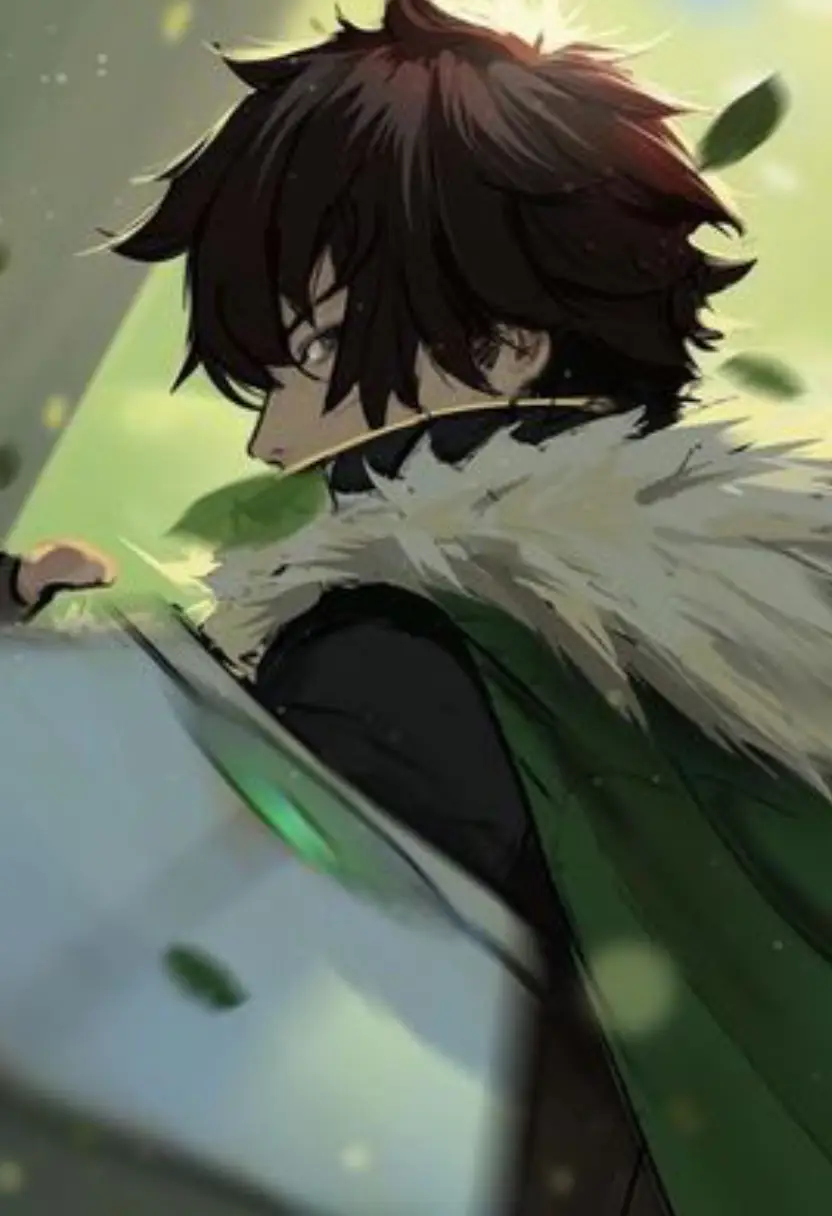
The true tension in this matchup lies in the inverse relationship between social standing and internal evolution. Because Ainz operates through systemic Authority and Kazuma relies on Narrative probability, their YPS rankings—YPS-4 versus YPS-3—are functionally irrelevant; one commands the board while the other manipulates the dice. The real divergence appears in their DNA profiles, specifically the trade-off between Growth and Darkness. Ainz represents a tragedy of administrative success. His arc is a steady erosion of the human self, where the corporate caution of a middle manager merges with the coldness of an undead lich. He does not grow in the traditional sense; he settles into a role, trading his identity for the stability of the Great Tomb of Nazarick. Conversely, Kazuma embodies a comedy of failure that yields genuine maturity. While he lacks a destructive ceiling, his Growth score hits the ceiling because he evolves from a cynical escapist into a leader who accepts the burden of his dysfunctional party. Ainz uses his bonds as a shield for his insecurity, whereas Kazuma allows his bonds to dismantle his ego. One character descends into a god-like void of detachment, and the other climbs out of a basement of apathy. This comparison reveals that isekai handles non-physical power as a mirror: for the one who has everything, the cost is the soul; for the one who has nothing, the reward is the self.
Archetype breakdowns and dispute court land in later phases.