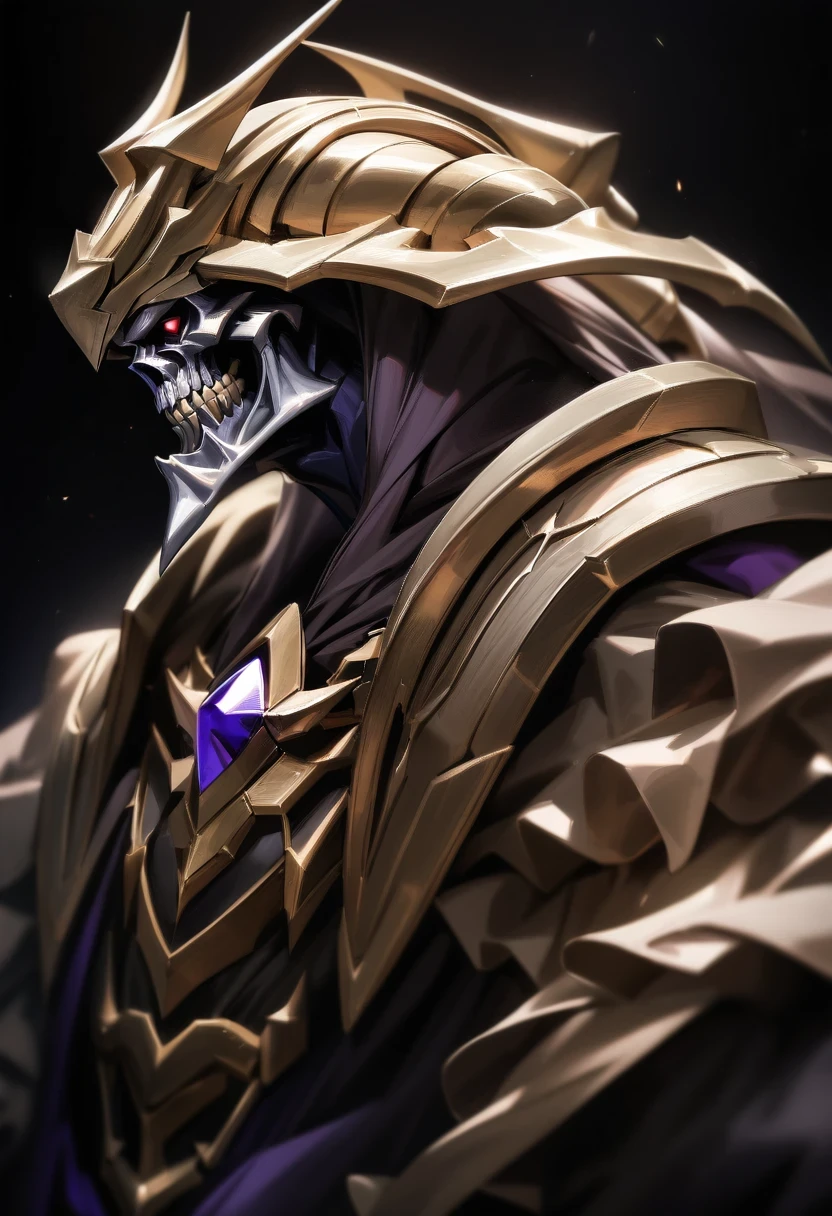
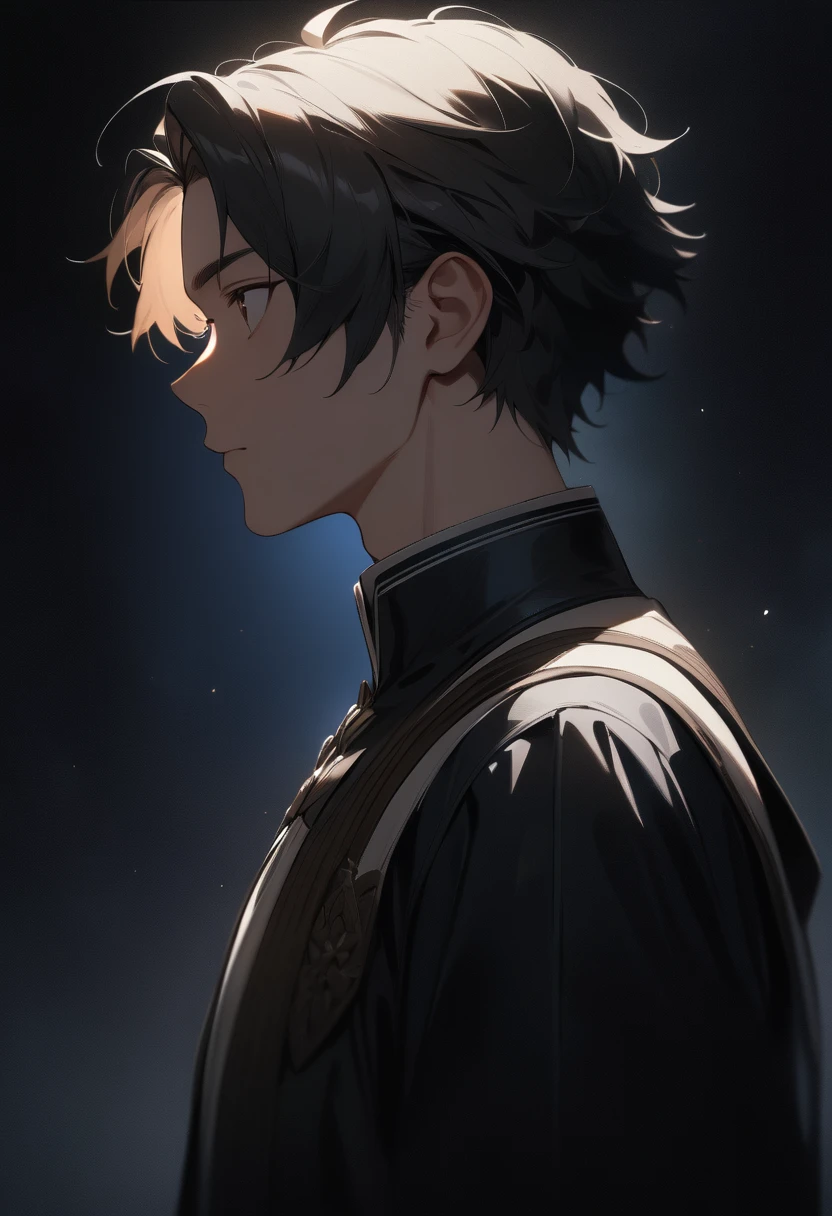
The paradox of the isekai second chance is that power often functions as a shield against the self rather than a tool for liberation. While both characters occupy the YPS-4 tier, their power types—authority versus physical—render direct combat comparisons meaningless. One governs through the systemic weight of Nazarick, the other through raw mana capacity and casting. The real divergence lies in how they process the trauma of their former lives. Ainz utilizes his status as an Overlord to perform a role, effectively erasing his salaryman identity to satisfy the expectations of his NPCs. This is a trajectory of detachment, where the mask of the undead ruler eventually consumes the man beneath. In contrast, Rudeus employs his magical aptitude not to escape his past, but to earn a place in a world where he finally feels seen. His narrative is one of painful integration, merging the shame of a former NEET with the responsibilities of a father and husband. Ainz’s higher Ego score reflects a desperate drive to maintain a facade, while Rudeus’s superior Growth score marks the difference between roleplaying a god and actually becoming a human. One builds an empire to hide his insecurity; the other builds a household to cure it.
Archetype breakdowns and dispute court land in later phases.