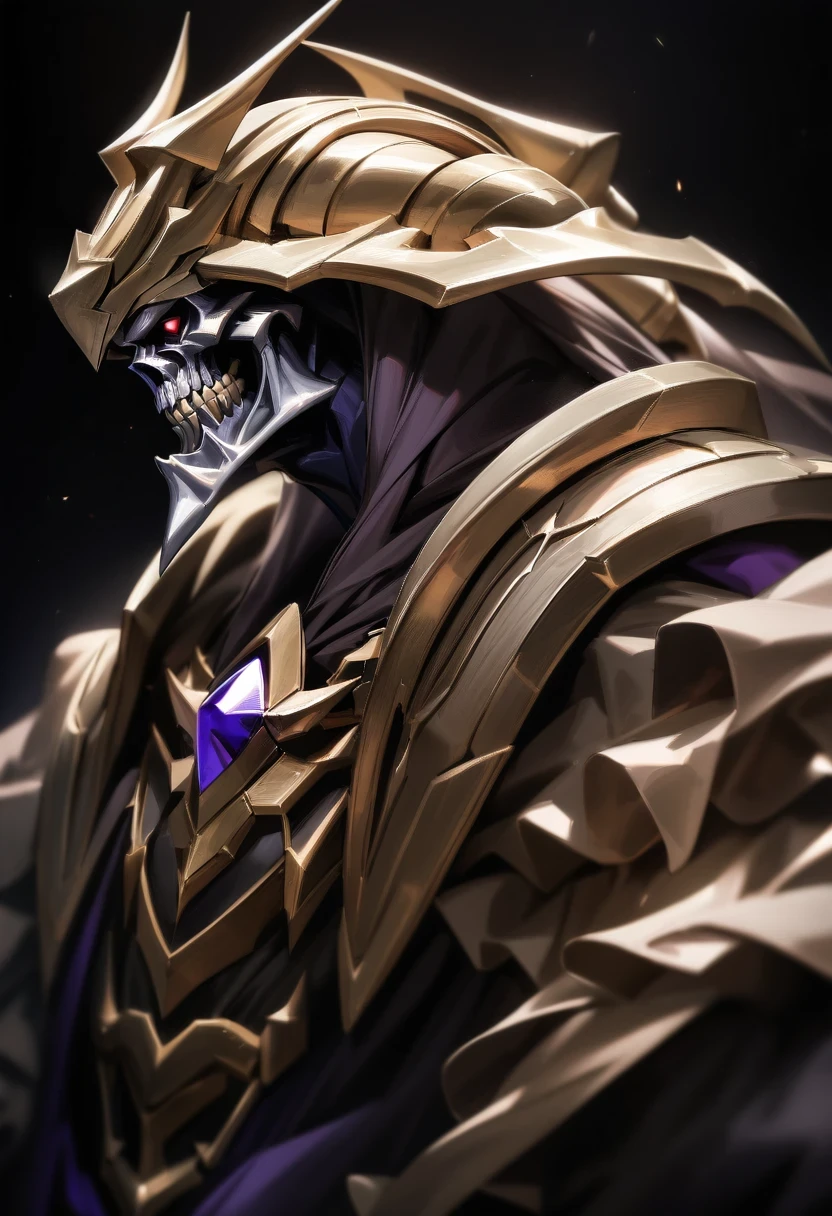

The gap between a YPS-4 nation-level entity and a YPS-7 world-ender is an analytical dead end if viewed solely through combat output, but the real tension lies in how they weaponize their agency. Satou Pendragon possesses the ability to rewrite physical laws, yet he uses this omnipotence as a logistical tool to secure a quiet life as a tourist. His power is a shield against conflict, rendering his narrative trajectory a flat line of domestic curation. In contrast, Ainz Ooal Gown operates at a lower scale of raw destruction but carries far more psychological weight. Ainz is trapped in a perpetual performance, forced to reconcile his internal identity as a middle-manager with the external demand for an omniscient tyrant. While Satou avoids the Chevalier Peerage to maintain anonymity, Ainz leans into the role of the Overlord, knowing that any slip in his persona could collapse the loyalty of Nazarick. The tragedy of Ainz is that his power actively erodes his humanity; his undead nature suppresses the very empathy that would make him a traditional hero. Satou treats the world as a sandbox for comfort, but Ainz treats it as a corporate merger where the stakes are existential. This reveals a fundamental isekai truth: the character who can do everything is often the least interesting, while the character limited by the expectations of his subordinates becomes a complex study in identity loss and performative cruelty.
Archetype breakdowns and dispute court land in later phases.