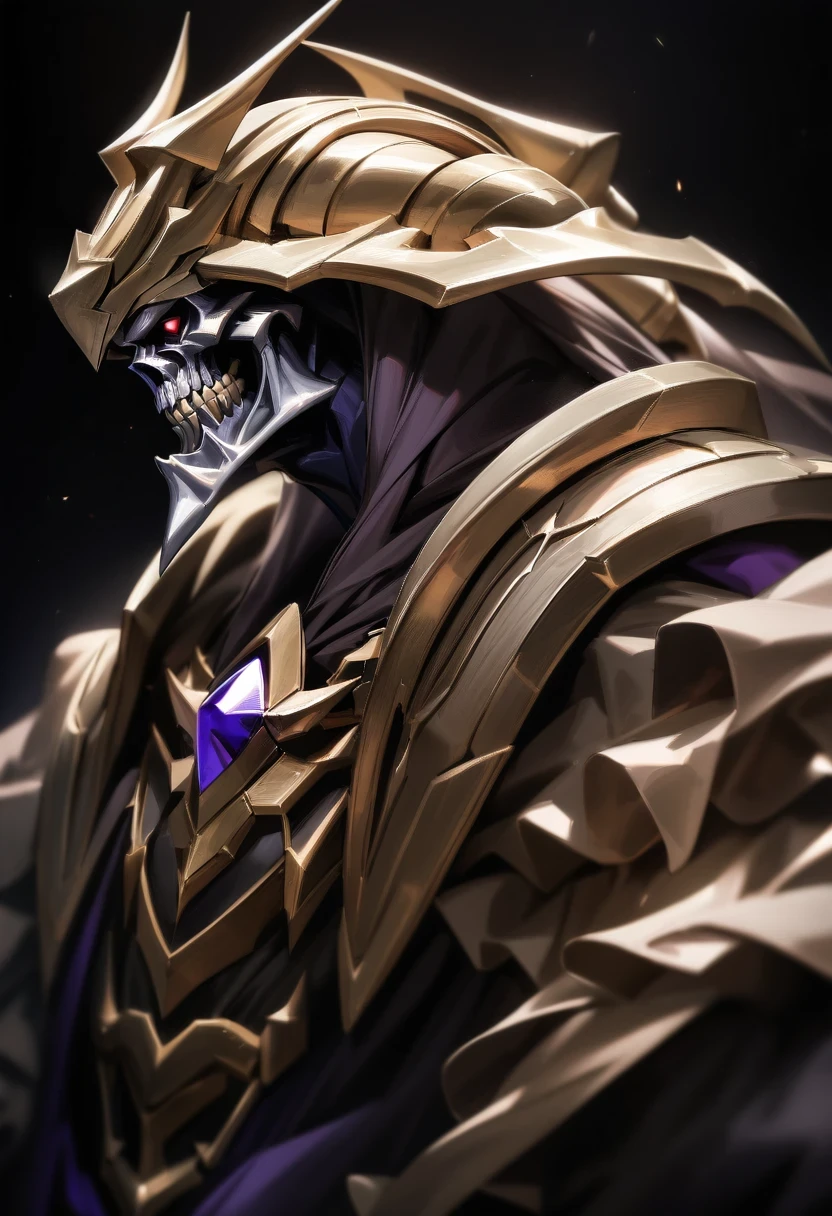

Agency in the Great Tomb of Nazarick is a luxury reserved for the displaced human, not the engineered monster. While the gap between a YPS-4 sovereign and a YPS-3 asset is numerically small, it represents a fundamental divide in existence. Ainz operates through a corporate lens, utilizing a high Ego score to navigate the performative burden of leadership. He is a salaryman playing a god, but the play is his own choice; his internal panic is the only honest thing about him, yet it is the engine of his survival. Shalltear, conversely, is a prisoner of her own settings. Her narrative is not one of self-discovery but of recalibration. Even her significant Growth score—driven by the trauma of her mind-control rebellion—does not signal an awakening of will, but rather a desperate attempt to return to the safety of her programmed devotion. This contrast reveals the systemic cruelty of the world's hierarchy: the "monster" in charge is merely a man in a costume, while the "loyal servant" is a biological machine incapable of desiring anything other than the approval of her creator. The tension is not found in the difference between their destructive ceilings, but in the distance between the freedom to fail and the obligation to obey. In this ecosystem, the only thing more tragic than a man losing his humanity to an undead shell is a creature born without humanity who believes her servitude is love.
Archetype breakdowns and dispute court land in later phases.