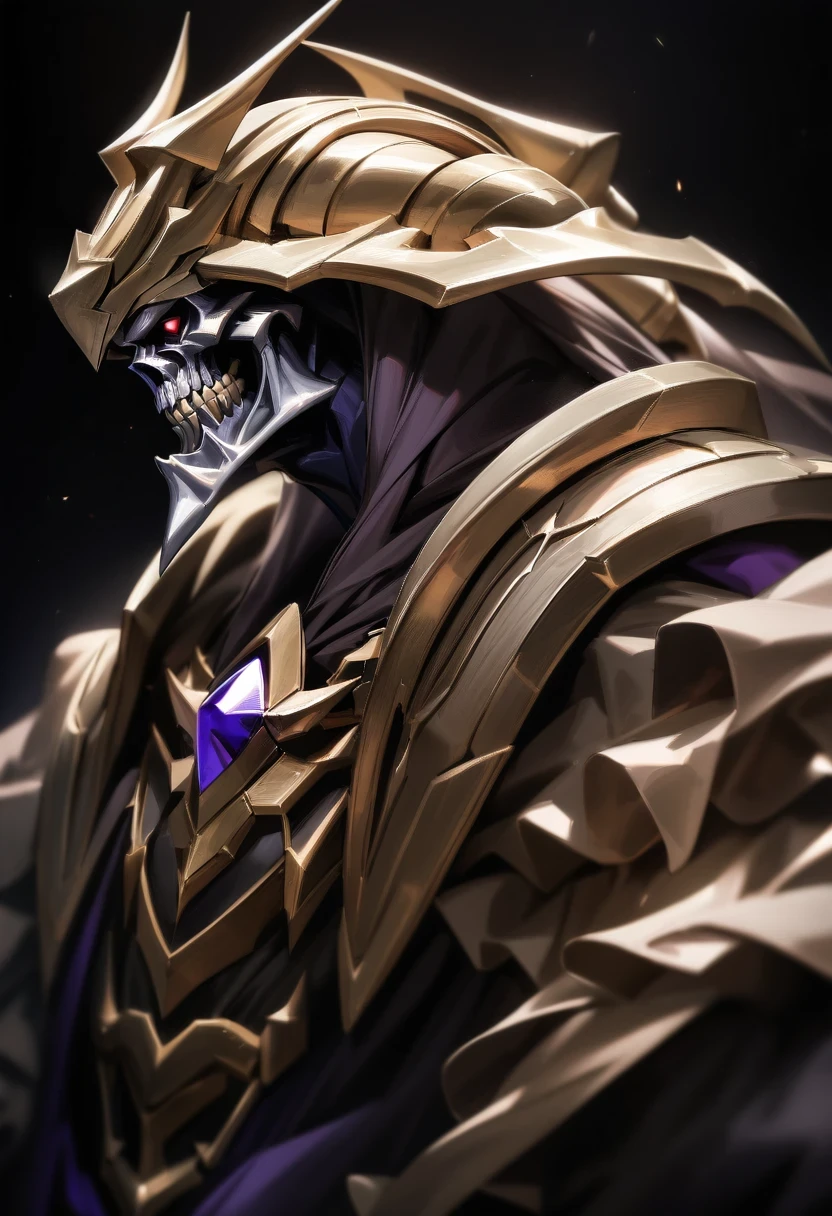

The shared YPS-4 classification for these two characters is a mathematical coincidence that obscures a fundamental clash in how the genre conceptualizes influence. Because one wields authority through top-down dominance and the other wields narrative through iterative failure, their power types operate on entirely different axes, making a direct combat comparison meaningless. The real tension lies in the cost of their respective strategic weights. Ainz uses the corporate logic of Nazarick to simulate a god, where the cost is an emotional detachment that replaces human empathy with the cold efficiency of an undead ruler. His struggle is the anxiety of a middle manager terrified of being exposed as a fraud. Conversely, Subaru achieves nation-level impact through the brutal accumulation of trauma, using Return by Death to map out every failure until a path to victory emerges. While Ainz hides behind a mask of omnipotence to protect his subordinates, Subaru strips away every layer of his ego to save those he loves. One is a salaryman playing a king; the other is a failure playing a savior. This reveals a sharp divide in isekai philosophy: power can either be a shield that isolates the user from reality or a blade that carves the user into something new. Ainz pays for his sovereignty with his identity, while Subaru pays for his results with his sanity.
Archetype breakdowns and dispute court land in later phases.