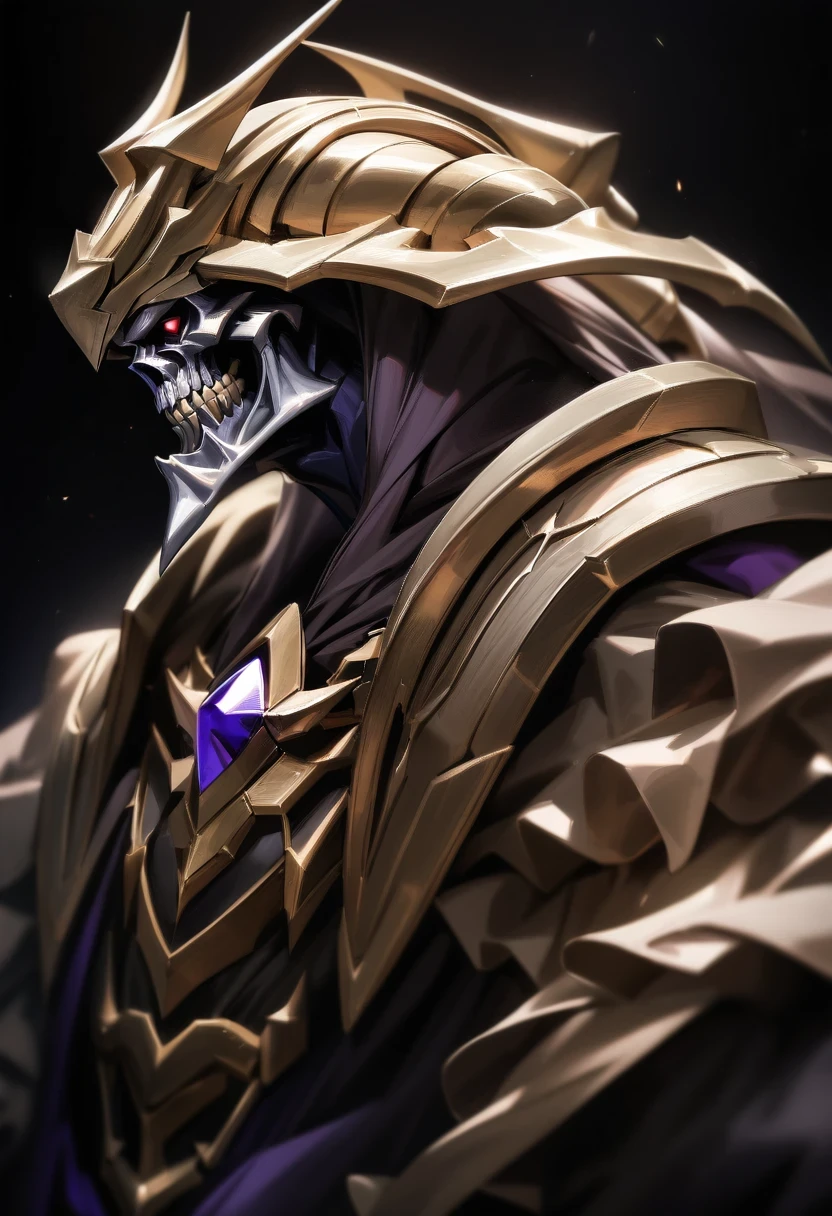
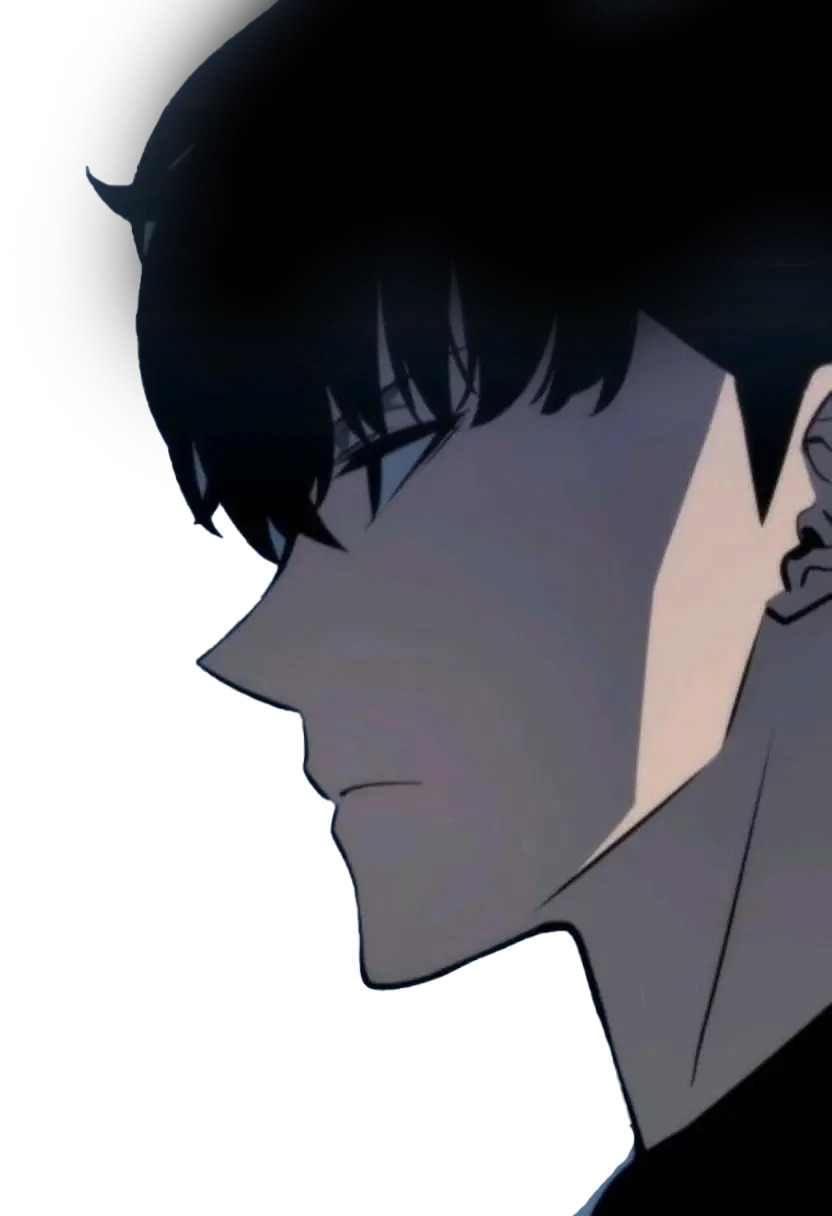
The tragedy of the ascended protagonist lies not in the scale of their power, but in the erosion of their original self. Comparing a YPS-4 authority-type like Ainz Ooal Gown to a YPS-6 hybrid-type like Sung Jinwoo is a category error; one operates as a systemic anchor for an entire organization, while the other is a singular, escalating force of nature. Because their power axes diverge—one managing a kingdom through bureaucratic terror and the other conquering reality through a leveling grind—the YPS gap is less important than their opposing relationships with identity. Ainz is a man pretending to be a monster to satisfy the expectations of his subordinates in Nazarick, maintaining a precarious facade of omniscience that masks a terrified salaryman. In contrast, Jinwoo is a man who became a monster to survive a meritocratic slaughterhouse, eventually shedding his humanity entirely to embrace the role of the Shadow Monarch. While Ainz suffers from the stress of a performance he cannot stop, Jinwoo suffers from the isolation of a peak he cannot descend. This reveals a fundamental divide in how isekai handles non-physical power: Ainz represents the horror of corporate assimilation where the role consumes the person, whereas Jinwoo represents the loneliness of absolute self-reliance where the power deletes the need for others. Jinwoo’s perfect Growth score reflects a total metamorphosis, but Ainz’s moderate Growth highlights a more poignant struggle—the attempt to remain human while the system systematically strips away his empathy. One is a god who forgot he was a man; the other is a man who is terrified that he is becoming a god.
Archetype breakdowns and dispute court land in later phases.