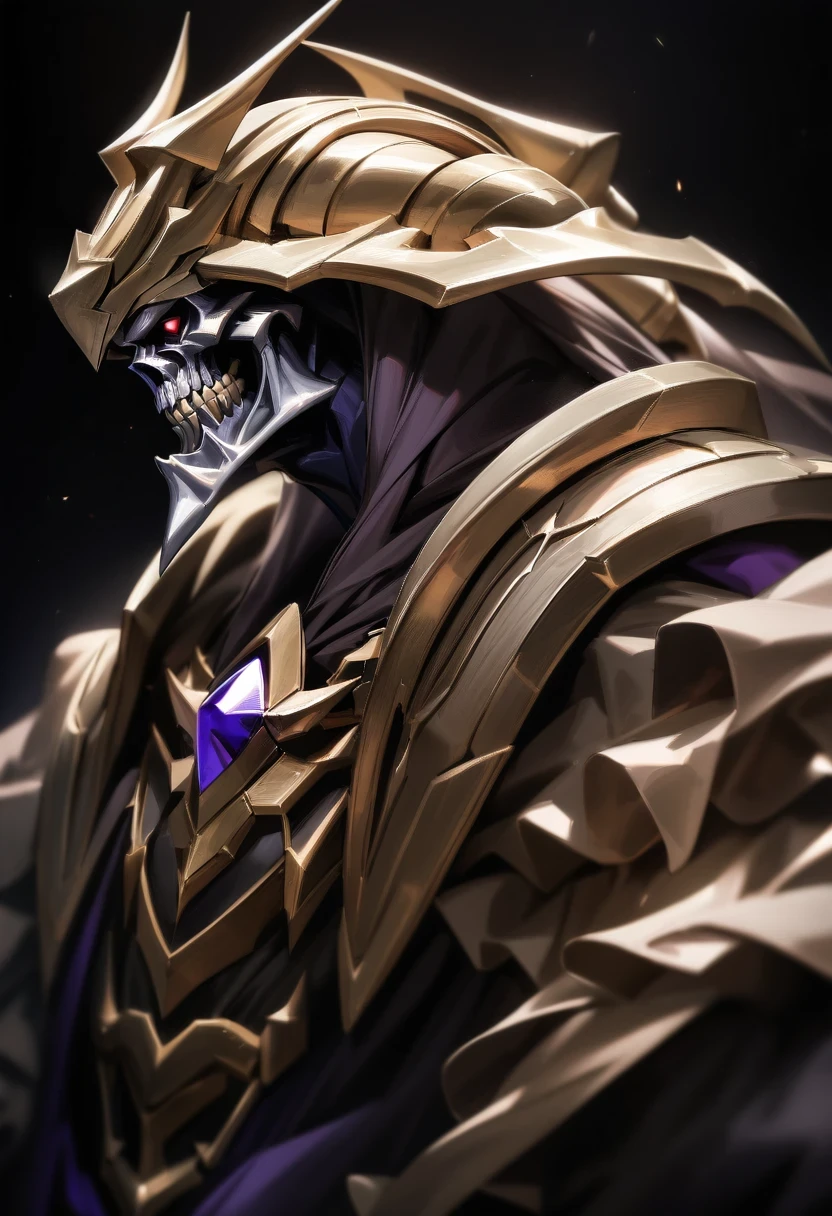

The distance between a strategic deterrent and a reality-warping deity is an unbridgeable chasm, yet the narrative value of a character inversely correlates with their proximity to omnipotence. While Touya Mochizuki operates at YPS-S, effectively deleting conflict through divine administration, he is a hollow vessel compared to the psychological complexity of Ainz Ooal Gown. Ainz sits at YPS-4, capable of crushing nations, but his true struggle is internal—the exhausting performance of a middle manager pretending to be a god to satisfy his subordinates. This friction creates a tension that Touya lacks entirely. Touya’s existence is a frictionless slide toward a predetermined apex; he possesses the power to reshape existence but lacks the ego to want anything other than domestic stability. He has solved the game of his world, rendering his growth a mere checklist of acquisitions. In contrast, Ainz’s narrative is driven by the terror of being found out. Every decree he issues is a calculated risk, every victory a reinforcement of a mask he can never remove. The moral erosion of Ainz—the slow fade of human empathy as his undead nature takes hold—provides a darkness that gives the story weight. Touya’s lack of internal darkness is not a virtue; it is a narrative void. The comparison reveals a fundamental truth of the isekai genre: when the power scale reaches YPS-S, the character often ceases to exist, replaced by a benevolent utility. The lower-tier YPS-4 entity remains the more compelling study because he still has something to lose: his identity.
Archetype breakdowns and dispute court land in later phases.