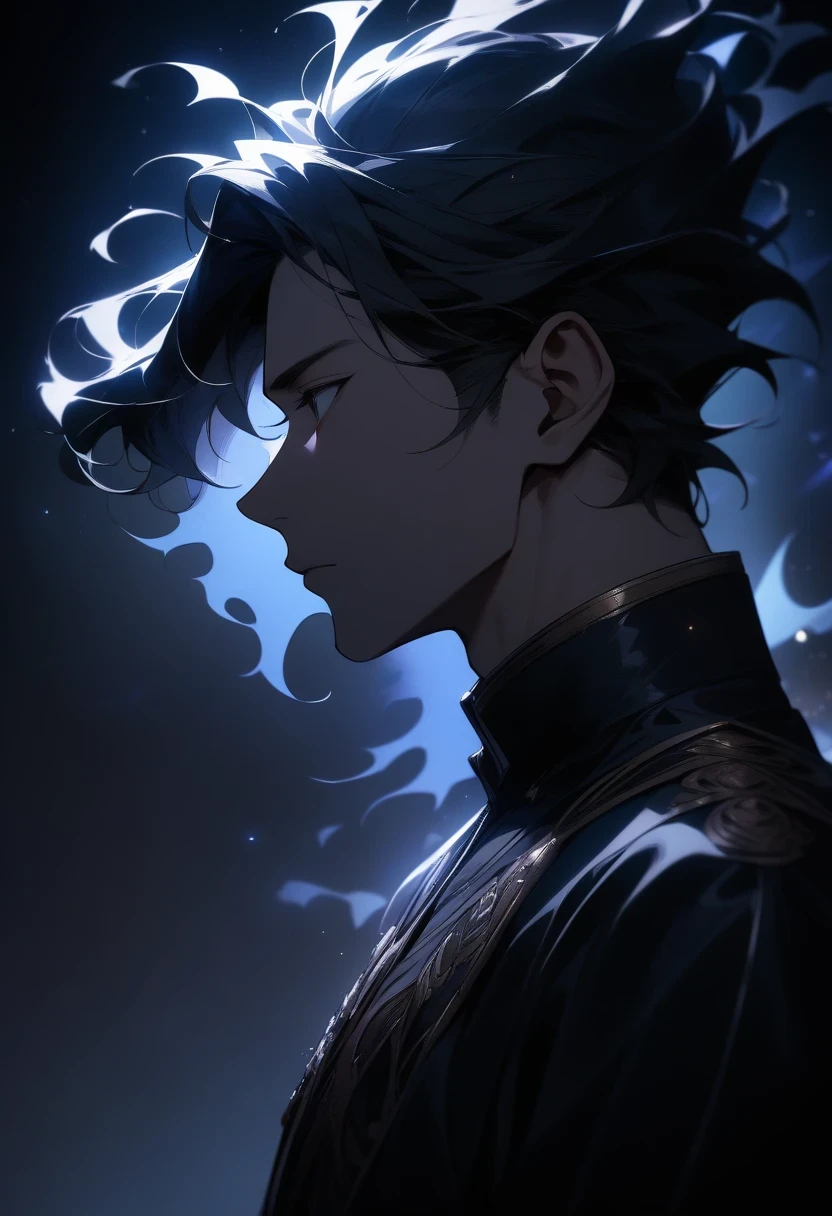
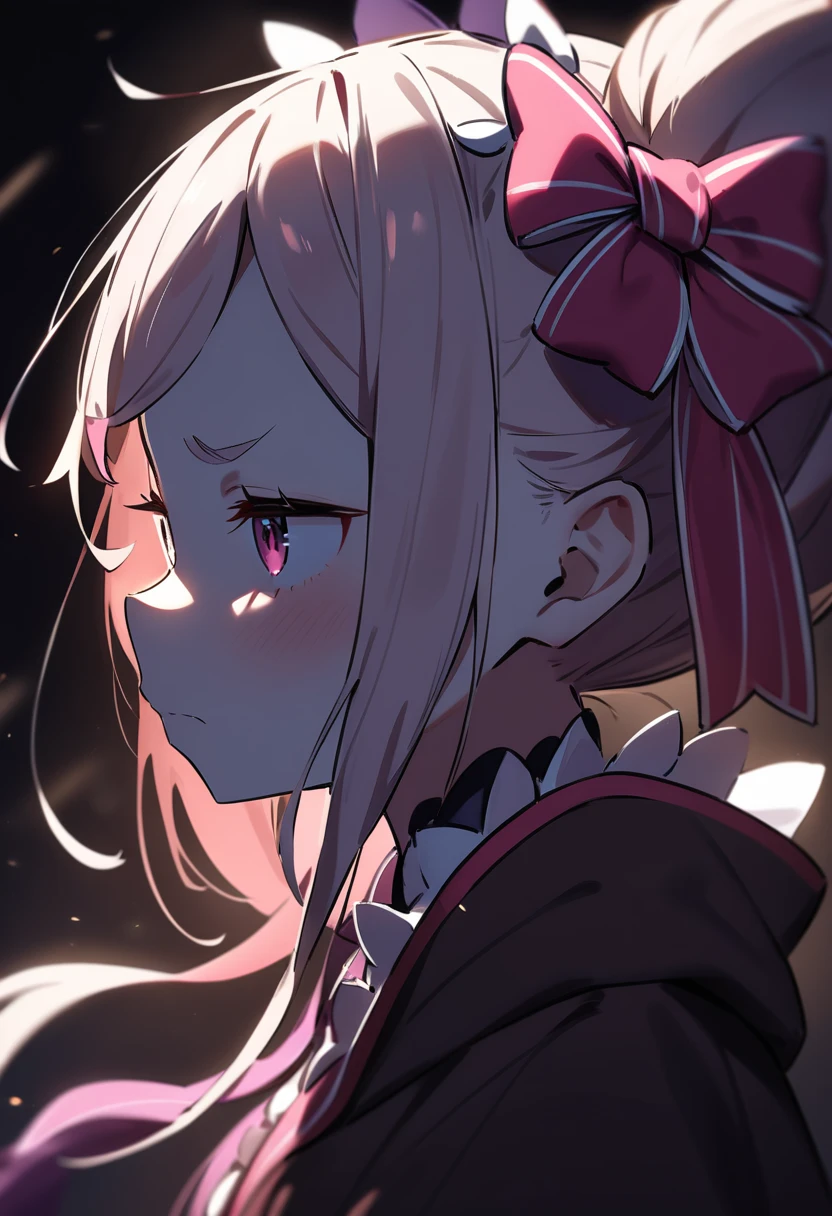
Power in isekai usually serves as a vehicle for agency, but for these two, it functions as a restrictive boundary. Comparing a YPS-7 hybrid to a YPS-3 authority is a categorical error; one rewrites the laws of the universe while the other manages a library's arcane reserves. Because the YPS gap is so wide, the analysis must shift from destructive output to the relationship between capability and will. Anos operates with a total Ego score, meaning he dictates the terms of his existence, yet his narrative tension arises from the necessity of self-suppression. He adopts the persona of a student not because he is fooled, but to navigate a world that would shatter under his unfiltered presence. His struggle is the burden of a sovereign who must engineer peace through restraint. Beatrice represents the opposite extreme, where power is a gilded cage. Her high arcane knowledge is useless because her Ego is paralyzed by a centuries-old directive to wait for "That Person." Her arc is not about ascending the YPS scale, but about the psychological liberation required to form a contract with Subaru. While Anos proves that total power requires discipline to avoid nihilism, Beatrice demonstrates that even city-level capability is void without the will to act. Their roles reveal a fundamental genre truth: the primary growth in isekai is not the acquisition of more power, but the reclamation of the self from the constraints that power imposes.
Archetype breakdowns and dispute court land in later phases.