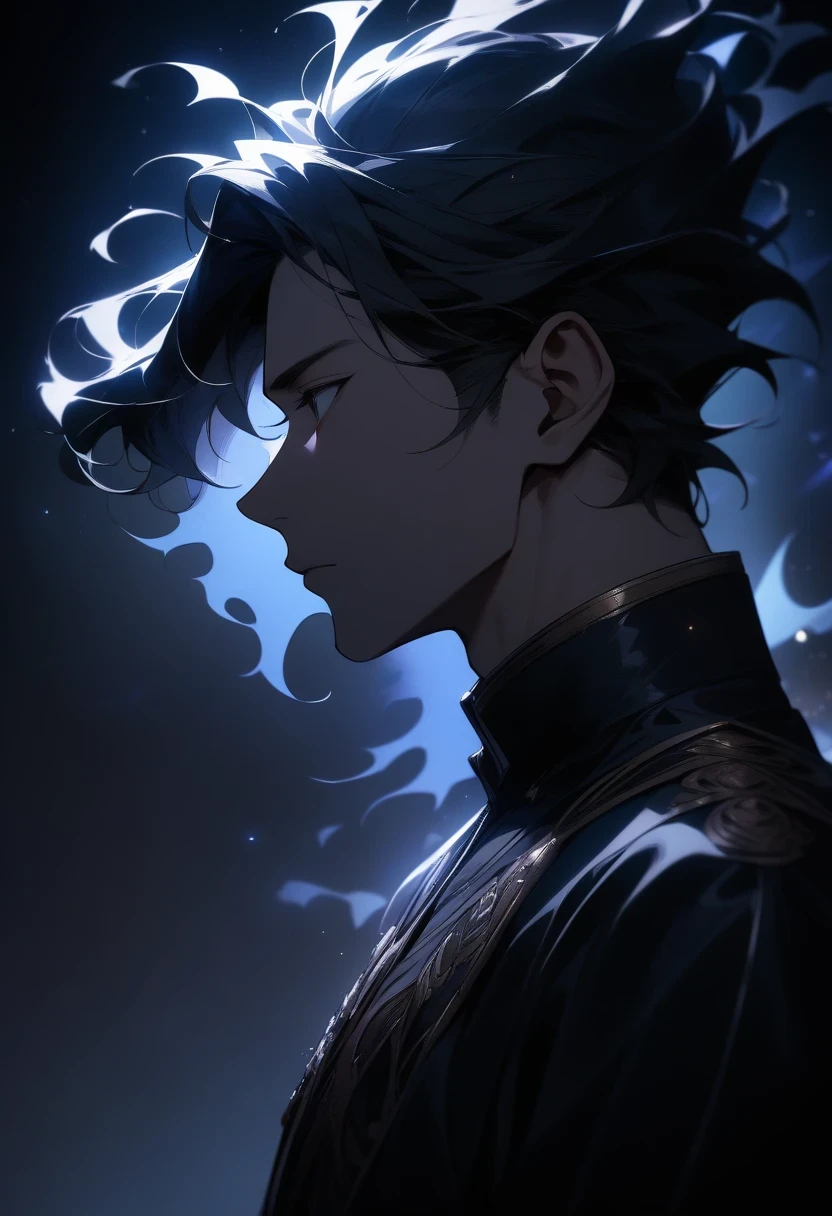
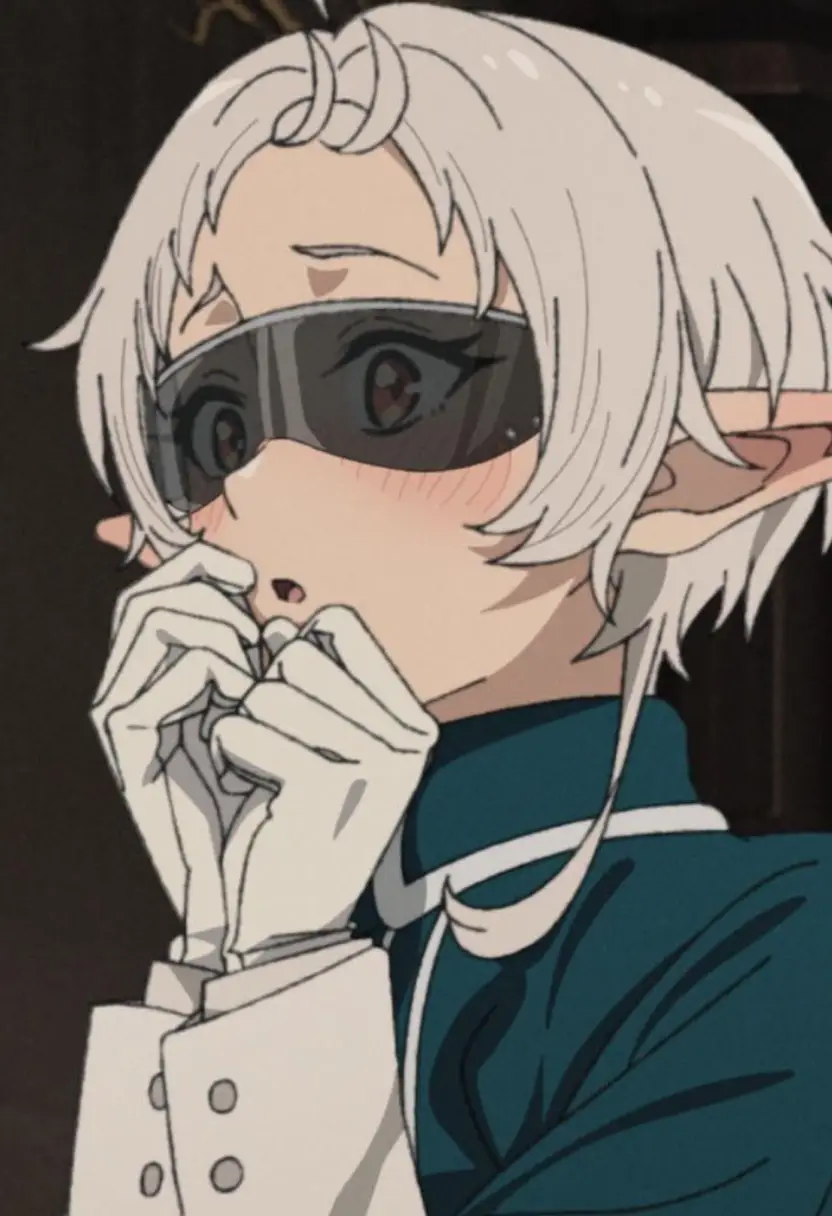
The fundamental tension in isekai power scaling often overlooks the psychological cost of aptitude, and comparing a YPS-7 law-rewriter to a YPS-3 combatant proves that raw output is a distraction. This cross-type gap renders combat analysis irrelevant; instead, the real divergence lies in how these characters utilize power to secure emotional belonging. Anos operates from a position of absolute saturation, where the central conflict is not the acquisition of strength but the deliberate suppression of it to avoid obliterating the world he wishes to inhabit. His zero-score aptitude test is a manifesto of self-control, turning an apex existence into a quest for genuine bonds. Conversely, Sylphiette treats power as a bridge to close a perceived gap in worth. Her transformation into the masked warrior Fitts is a calculated sacrifice of identity, using the Laplace Factor not for conquest, but to evolve into a partner capable of standing beside Rudeus. While Anos manages the burden of being too much for the world, Sylphiette manages the fear of being too little for the person she loves. One fights against the gravity of his own omnipotence to find humanity; the other climbs a steep trajectory of growth to escape the invisibility of her childhood. This reveals a core isekai truth: power is rarely about the destination, but about the distance between who the character is and who they need to be to be loved.
Archetype breakdowns and dispute court land in later phases.