
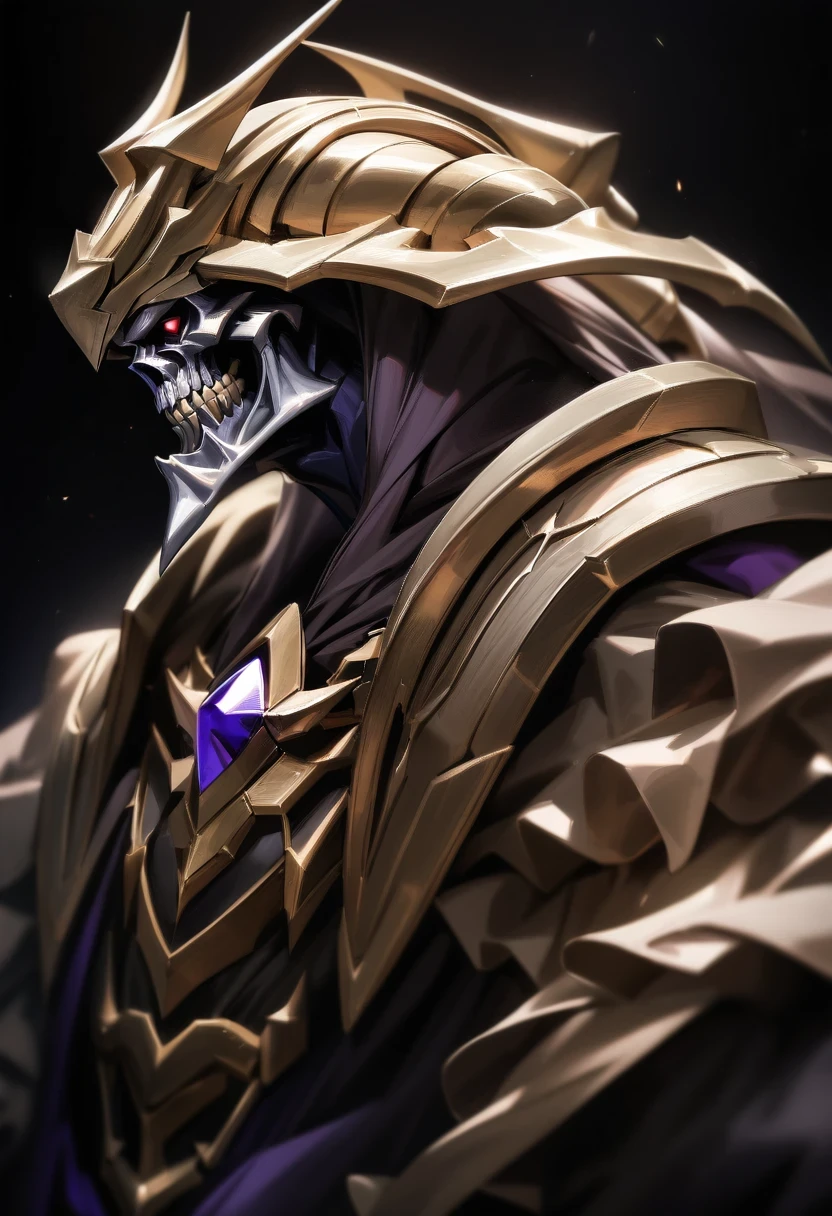
Comparing a master of systemic authority to a specialist in physical execution renders the YPS-4 designation a superficial metric. While both operate at a nation-level scale, their power functions on perpendicular axes: one dictates the rules of engagement, while the other optimizes within them. This gap exposes a fundamental divergence in how isekai handles agency and identity. Ainz's narrative revolves around the performance of power; he is a middle manager roleplaying a god to satisfy his subordinates, using his authority to mask a fragile internal ego. His dominance is a bureaucratic exercise in risk management. Conversely, Asuna's trajectory is defined by the erasure of self for the sake of others. Her zero Ego score highlights a character who finds meaning not in self-determination, but in radical empathy and tactical reliability. Where Ainz uses his status to distance himself from humanity—accelerated by his undead nature—Asuna uses her combat proficiency to bridge the gap between digital artifice and genuine connection. The tension for the former is the fear of being found out; for the latter, it is the fear of being left behind. Ultimately, the comparison reveals that YPS-4 capacity means nothing without a clear objective. Ainz possesses the crown but lacks a vision, whereas Asuna possesses the blade but lacks a throne. Their intersection proves that in isekai, the primary divide is not between the physical and the authoritative, but between those who lead by design and those who lead by necessity.
Archetype breakdowns and dispute court land in later phases.