
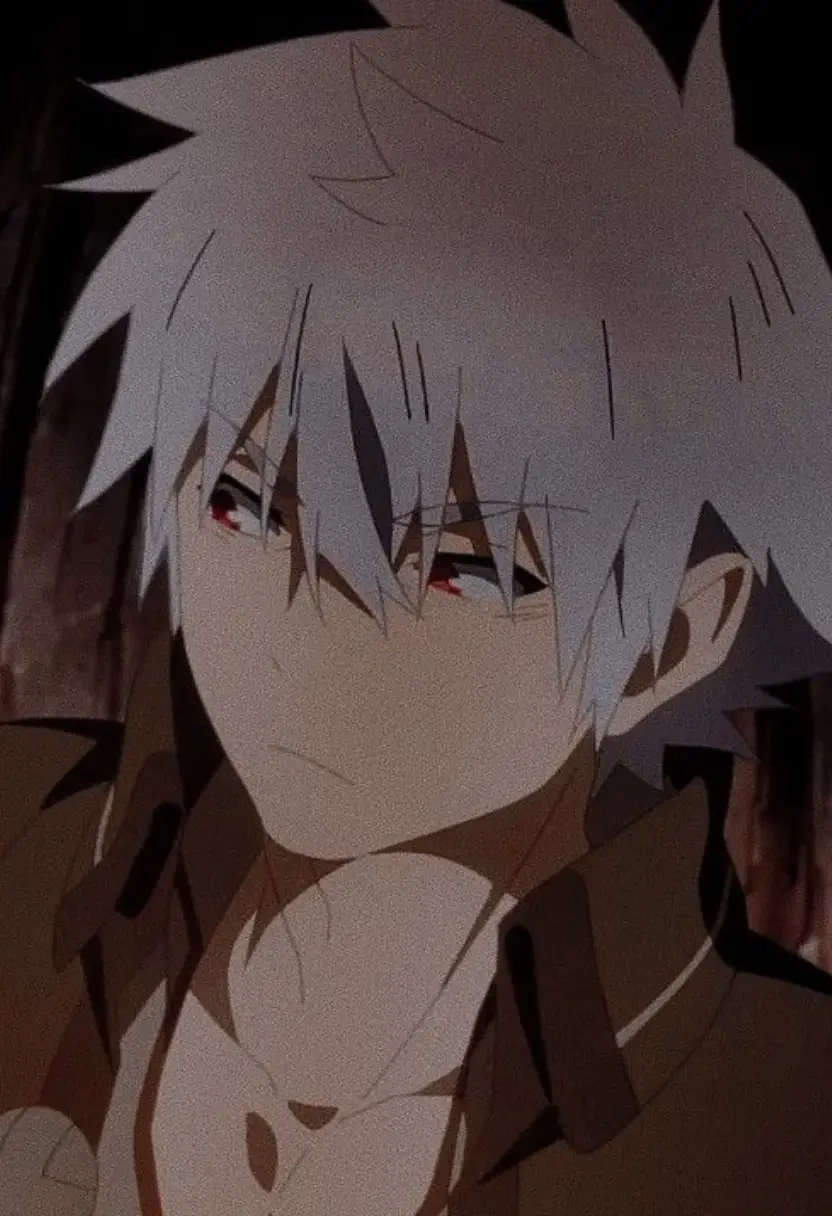
The massive chasm in capability between these two does not suggest a contest of force, but rather a sharp divergence in how the genre treats the concept of reality itself. While one commands the literal physics of his universe, the other operates within the structural confines of hers, making their comparison a study in why raw output rarely correlates with narrative resonance. Asuna navigates the system as a participant, finding meaning in the tenuous bonds she forms within the rigid, often cruel parameters of a simulated death game. Her power serves as a tether to the people around her, defining her humanity in a world that denies it. Conversely, Hajime’s arc is one of total rejection, where he uses his nearly absolute control over reality to carve out a space where he and his chosen few are the only authority that matters. The irony is that as his power scales toward the infinite, his circle of concern contracts, whereas Asuna’s growth is defined by the expansion of her empathy despite her relative limitations. In this light, the character anchored to the rules of the system carries the weight of a far more complex moral struggle, proving that being a world-ending force of nature often simplifies a character’s journey, while surviving within a system makes them fundamentally human.
Archetype breakdowns and dispute court land in later phases.