
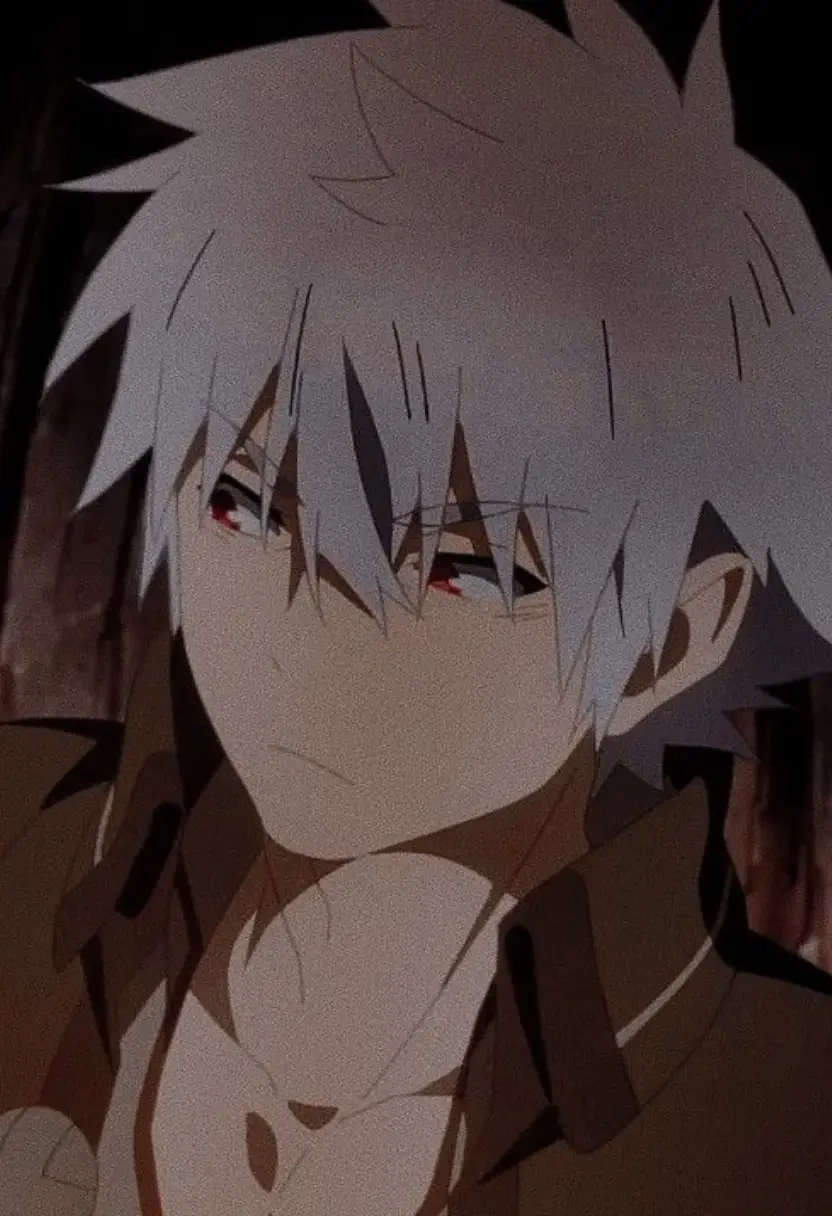
The gap between a YPS-4 and a YPS-7 is absolute, rendering any direct combat comparison a waste of analysis. The real tension lies in how these two treat the concept of the end game. Hajime’s trajectory is a violent escalation of self-reliance born from the betrayal in the Great Orcus Labyrinth, using his power to dismantle the world's physical laws so he can simply leave. In contrast, Azusa uses her strength to enforce a boundary of stillness. Her victory over the Blue Dragon tribe was not a stepping stone toward a throne, but a method of ensuring her tea time remains uninterrupted. While both characters share a maximum score in Bonds, the nature of those connections reveals a fundamental divide in their internal logic. Hajime’s bonds are a fortress built for a few trusted survivors, a defensive perimeter against a hostile universe. Azusa’s bonds are a gravitational pull, turning former rivals and stowaways into a chosen family. The irony is that the character with the lower power ceiling achieves a more profound mastery over her environment. Hajime spends his existence fighting the world to escape its constraints, yet Azusa achieves total autonomy by ignoring the world's expectations entirely. This reveals a core truth of the isekai genre: the radical act of refusing the traditional ascent is more disruptive to the narrative than the act of conquering it. The hermit is a more complex character study than the world-ender because her power serves a purpose that the system cannot quantify—the preservation of peace.
Archetype breakdowns and dispute court land in later phases.