
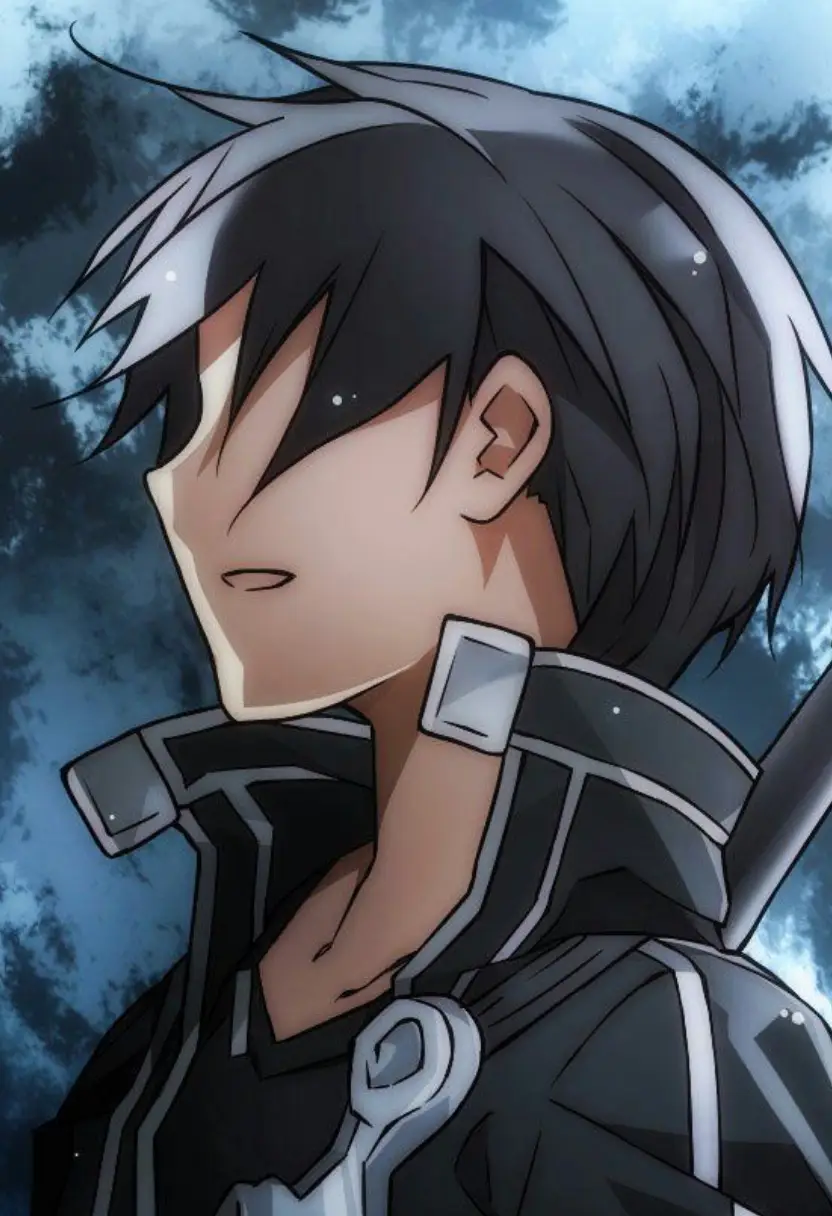
The fundamental divide between these two YPS-4 entities is not their capacity for destruction, but their relationship with agency. While both operate as walking strategic deterrents, one utilizes power as a shield for stagnation, while the other uses it as a scalpel for systemic change. Azusa treats her capabilities as a means of boundary enforcement, ensuring that her domestic sanctuary remains undisturbed by the outside world. Her victory over the Blue Dragon tribe serves no purpose other than to secure a perimeter of peace; she converts her strength into a social glue that binds a found family together. In contrast, Kirito views power as a tool for navigation and disruption. From the early days of Aincrad to the existential crisis of Alicization, his trajectory is defined by a refusal to accept the rules of the simulation. He does not seek a sanctuary; he seeks a way out or a way to rewrite the terms of engagement. This creates a stark contrast in their DNA profiles: Azusa possesses near-total Bonds but a passive Ego, whereas Kirito drives the narrative through an aggressive exercise of will. Azusa is the architecture of a home; Kirito is the engine of a breakthrough. One weaponizes strength to achieve a radical stillness, while the other leverages it to survive a relentless acceleration. Their parity in power only highlights the opposite directions of their intent.
Archetype breakdowns and dispute court land in later phases.