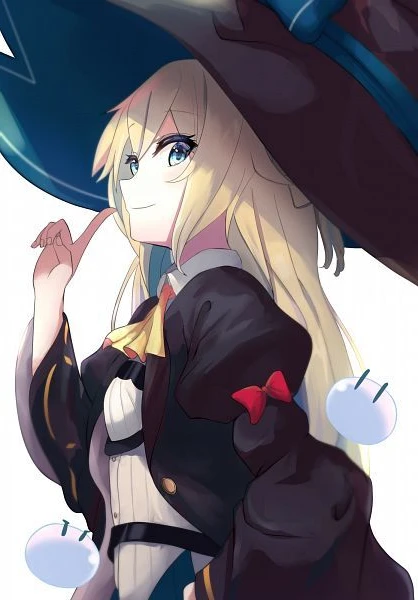

Domestic stability in isekai is often framed as a reward, but it functions differently when power is earned through attrition versus granted by divine decree. Comparing a YPS-4 physical combatant to a YPS-S authority figure is a category error; the gap between nation-level force and systemic reality-warping renders traditional power scaling irrelevant. Instead, the meaningful comparison lies in how these characters utilize overwhelming capacity to manufacture peace. Azusa uses her strength as a boundary, turning her conflict with the Blue Dragon tribe into a tool for isolation that ironically attracts more kinship. Her bonds are a gravitational consequence of her refusal to engage in ambition, making her domesticity a hard-won sanctuary. Touya, conversely, experiences a frictionless ascent. His rise to the status of a lower-rank god is not a struggle for boundaries but an expansion of administration. While Azusa fights to stay put, Touya expands to encompass. The divergence is rooted in Ego. Azusa’s desire for peace is a conscious choice born from corporate burnout, giving her a defined will. Touya possesses zero Ego in the DNA profile because he accepts every gift without internal friction. He does not seek peace; he is simply the administrator of a world that has already been solved. One is a hermit protecting a garden; the other is a god who owns the soil.
Archetype breakdowns and dispute court land in later phases.