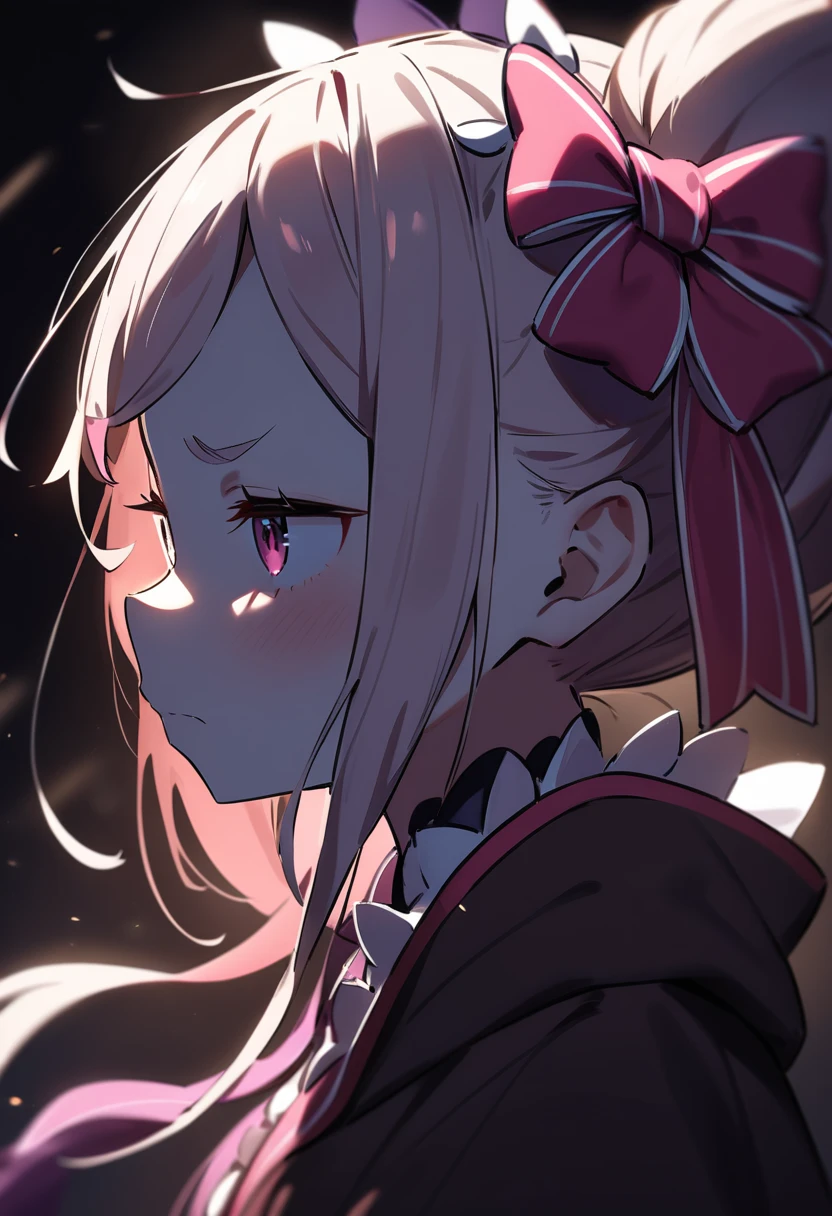

Dependency serves as a catalyst for evolution in one instance and a permanent anchor in the other. While both characters operate through a lens of extreme codependency, the trajectory of their agency diverges sharply. Beatrice transitions from a state of centuries-long paralysis to active participation in the world, transforming her reliance on a contractor from a spiritual necessity into an emotional choice. This shift explains the significant gap in their Growth scores; her journey is a conscious reclamation of self from the ruins of abandonment. Conversely, Shiro exists as one half of a binary system. Her reliance on Sora is not a hurdle to be cleared but the very foundation of her identity as part of "Blank." Where the YPS-3 capacity of a Great Spirit provides the tools for city-level destruction, it is the emotional vulnerability of choosing a new bond that drives the narrative forward. The comparison breaks down if viewed through combat output, as a YPS-1 human cannot compete with an authority-type spirit. However, the DNA profiles reveal a deeper truth: intellectual perfection often leads to stagnation, while emotional fragility allows for expansion. Shiro remains a static masterpiece of logic, whereas Beatrice evolves from a stunted relic into a person. The tragedy of the former is the lack of a need to change, while the victory of the latter is the courage to do so.
Archetype breakdowns and dispute court land in later phases.