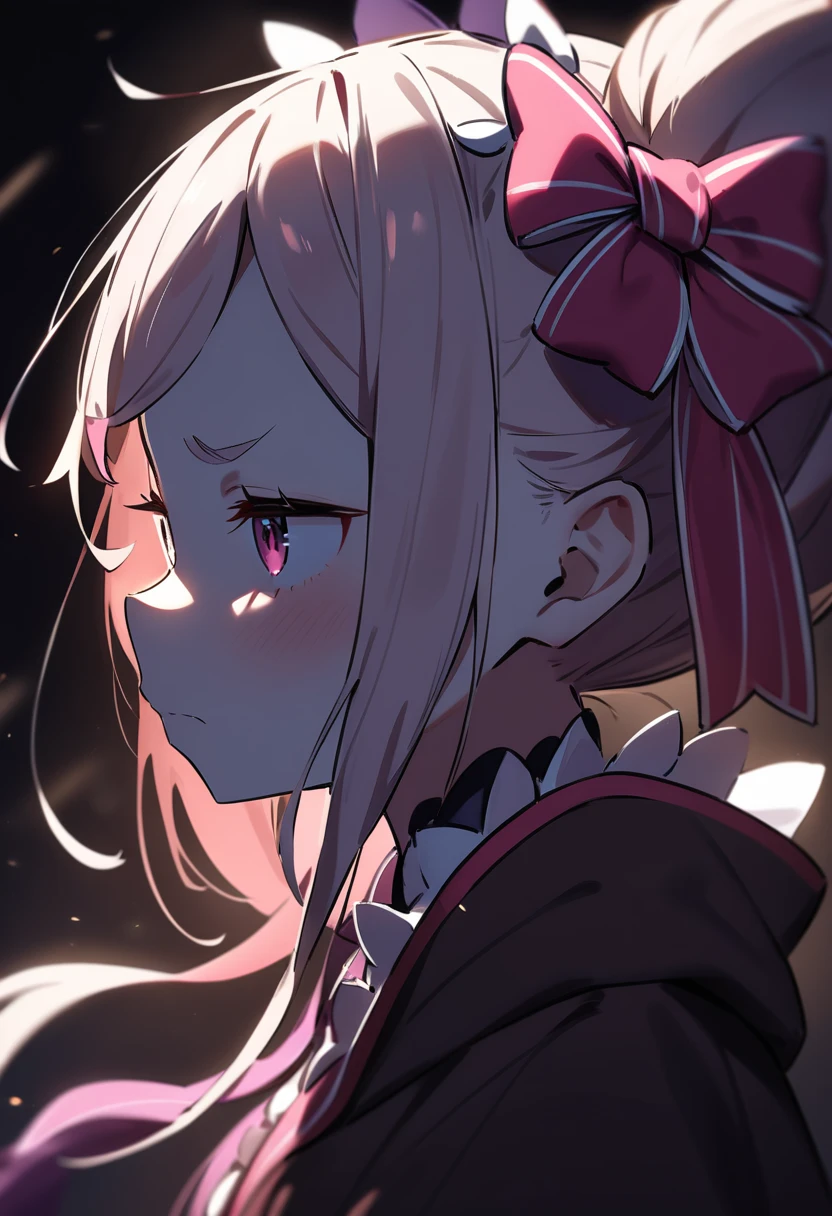

The intersection of these two authority-type characters exposes a fundamental truth about isekai power: arcane capacity is a liability when disconnected from agency. While Beatrice operates at a YPS-3 level, capable of threatening an entire city, her centuries of isolation in the Forbidden Library prove that destructive potential is a cage without a will to use it. She possesses the knowledge of a god but the ego of a prisoner, remaining a static asset until a contractor grants her a reason to exist. In contrast, Shiroe operates at a YPS-2 level, lacking the raw output to level a building, yet he wields more actual influence through systemic manipulation. He transforms the mechanical rules of a game into the legal framework of a new civilization, proving that administrative labor is more transformative than arcane mastery. The gap between a city-level spirit and an awakened strategist is wide in terms of raw output, but the comparison reveals a reversal of utility. Beatrice represents the tragedy of the over-qualified tool, while Shiroe represents the triumph of the under-powered architect. One waited for a savior to unlock her door; the other rewrote the code of the world to ensure no one had to wait. Their shared authority type highlights that the ability to command the world is meaningless if the character lacks the internal drive to define their own place within it.
Archetype breakdowns and dispute court land in later phases.