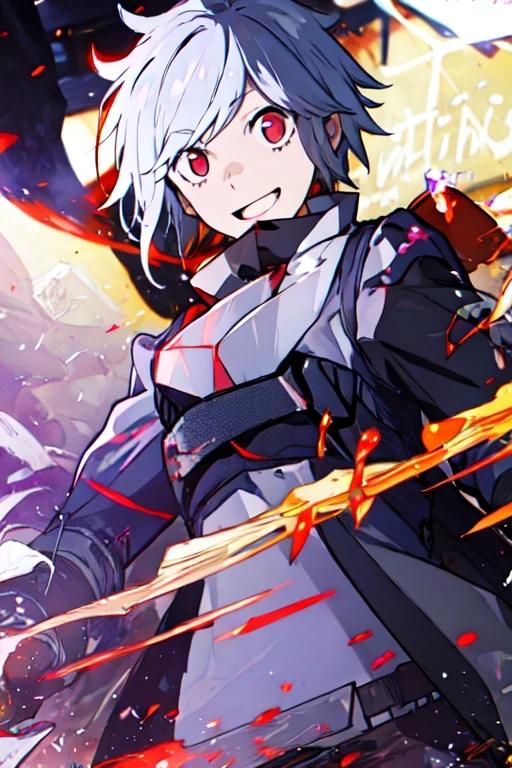

Comparing a YPS-3 physical combatant to a YPS-1 narrative agent renders traditional power scaling irrelevant because they operate on entirely different axes of influence. One manages the physical risks of a dungeon; the other manages the social risks of a scripted destiny. The real distinction lies in how they utilize their Bonds to bypass the limitations of their Power. Bell’s growth is a vertical climb, fueled by a romantic obsession that allows him to bridge the gap between a novice and a city-level threat. He survives the Dungeon by becoming a weapon. In contrast, Catarina’s growth is a horizontal expansion, transforming her environment so that the threats—the so-called doom flags—simply cease to exist. While Bell’s high Ego drives him to conquer the trials set before him, Catarina’s low Ego makes her a vacuum of oblivious charisma, pulling allies toward her in a way that fundamentally rewrites the world's social architecture. Bell optimizes himself to fit into a heroic mold, but Catarina accidentally destroys the mold entirely. This reveals a core truth about isekai: physical escalation is a tool for survival, but narrative manipulation through relational weight is a tool for systemic liberation. Bell is a master of the game's mechanics, but Catarina is the glitch that breaks the game's logic.
Archetype breakdowns and dispute court land in later phases.