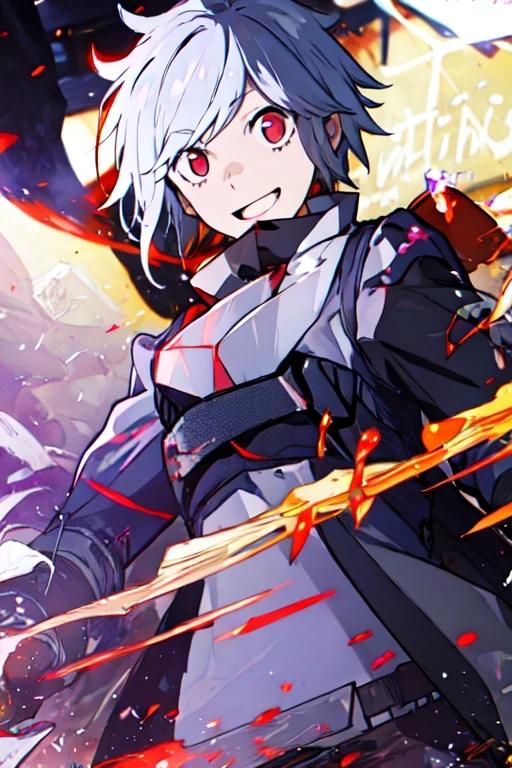
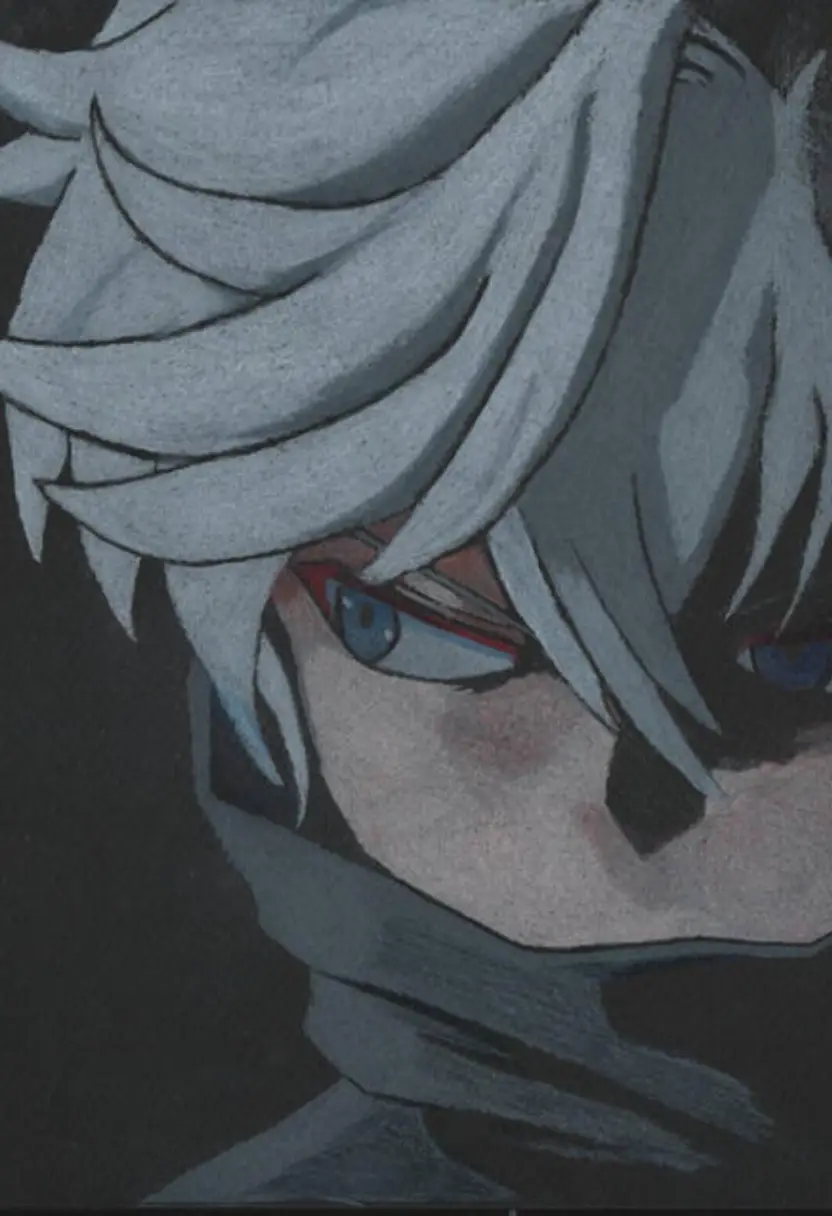
The true divergence between an aspirational hero and a professional killer is not found in their combat output, but in the direction of their psychological evolution. One character moves from the center of his own desire toward the weight of external responsibility, while the other attempts to graft a soul onto a pre-programmed mission. Bell Cranel scales toward YPS-4 status by leaning into his connections, using his inherent vulnerability to fuel a growth trajectory that defies the mechanical rigidity of the Dungeon. He is a person learning how to navigate a world that demands he be a monster. Lugh Tuatha Dé, operating at a YPS-3 level, approaches his existence as a high-stakes optimization problem. His growth is not an expansion of his will, but a clinical refinement of his utility. While Bell’s journey is one of expanding his ego to protect his bonds, Lugh’s journey is a desperate attempt to reclaim an ego that was surrendered to his predecessor’s conditioning. The comparison reaches a structural impasse when examining their power scales; Bell is a strategic deterrent capable of national-level influence, whereas Lugh remains a precision instrument for city-level operations. However, this gap in destructive capacity is secondary to their fundamental inversion: Bell is a humanizing force attempting to survive a dehumanizing world, whereas Lugh is a dehumanized force attempting to manufacture a human identity.
Archetype breakdowns and dispute court land in later phases.