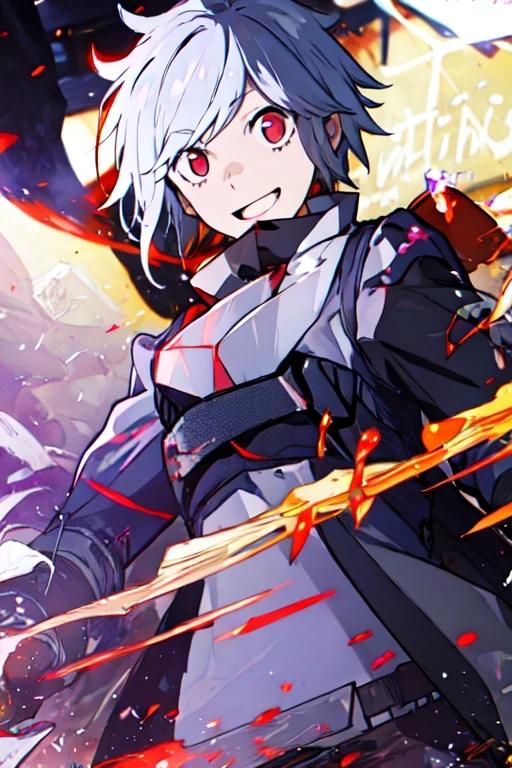

The tension between innate perfection and earned evolution defines the divide in how isekai treats agency. Comparing a YPS-3 physical combatant to a YPS-1 intellectual authority is a categorical error; the YPS scale measures destructive output, but these characters operate on entirely different axes of influence. Bell’s journey is a study in the moral cost of acceleration. His high Growth score is not a gift but a burden, forcing him to reconcile his naive kindness with the brutal reality of killing sentient monsters to survive. He earns his power through the willingness to be a hypocrite for the sake of his bonds. Shiro represents the opposite extreme: the stagnation of the absolute. Because her analytical capability is a baseline constant, she possesses zero Growth or Ego in the traditional sense. She does not evolve because there is no gap between her current self and the requirement for victory. While Bell’s story is driven by the desperate need to bridge the distance between a novice and a hero, Shiro’s narrative function is to be the bridge itself. This reveals a fundamental truth about the genre: physical power at a YPS-3 level creates a character arc through struggle, while authority-based power at YPS-1 creates a plot device through efficiency. One is a story about becoming; the other is a story about being.
Archetype breakdowns and dispute court land in later phases.