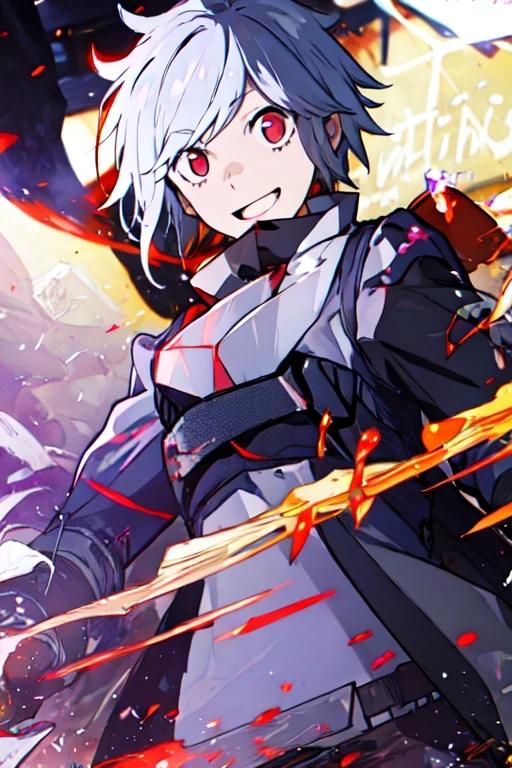

The fundamental tension in isekai power dynamics lies in the choice between individual ascension and systemic mastery. Comparing Bell Cranel’s YPS-3 physical output to Shiroe’s YPS-2 authority-based influence is a category error; they operate on different axes where raw combat capacity is irrelevant to the other's primary objective. While Bell pursues a vertical trajectory of growth, fueled by a romantic obsession that transforms his vulnerability into a catalyst for rapid maturation, Shiroe pursues a horizontal expansion of control. Bell’s high Ego score reflects a protagonist who forces the world to acknowledge his idealism through sheer effort, transitioning from a naive boy to a captain who accepts the moral cost of killing sentient monsters. In contrast, Shiroe’s zero Ego score reveals a character who does not seek power but is consumed by the administrative necessity of it. He does not fight monsters; he rewrites the laws governing them. This reveals a core genre dichotomy: the "Hero" who overcomes the system through willpower versus the "Architect" who stabilizes the world by manipulating the system's code. Bell’s strength is an expression of his heart, making him a symbol of hope for others. Shiroe’s strength is an expression of his intellect, making him a foundational pillar of civilization. Ultimately, Bell demonstrates that kindness can function as a tactical asset in a gamified world, while Shiroe proves that the ability to negotiate a social contract is more enduring than any physical feat.
Archetype breakdowns and dispute court land in later phases.