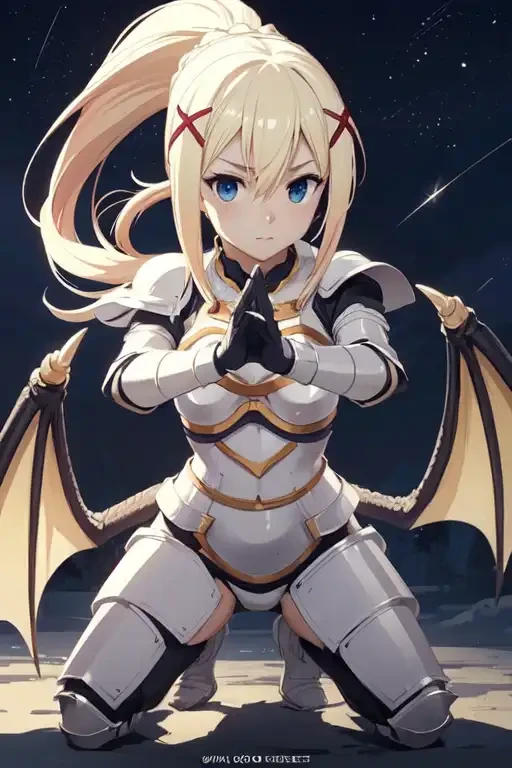
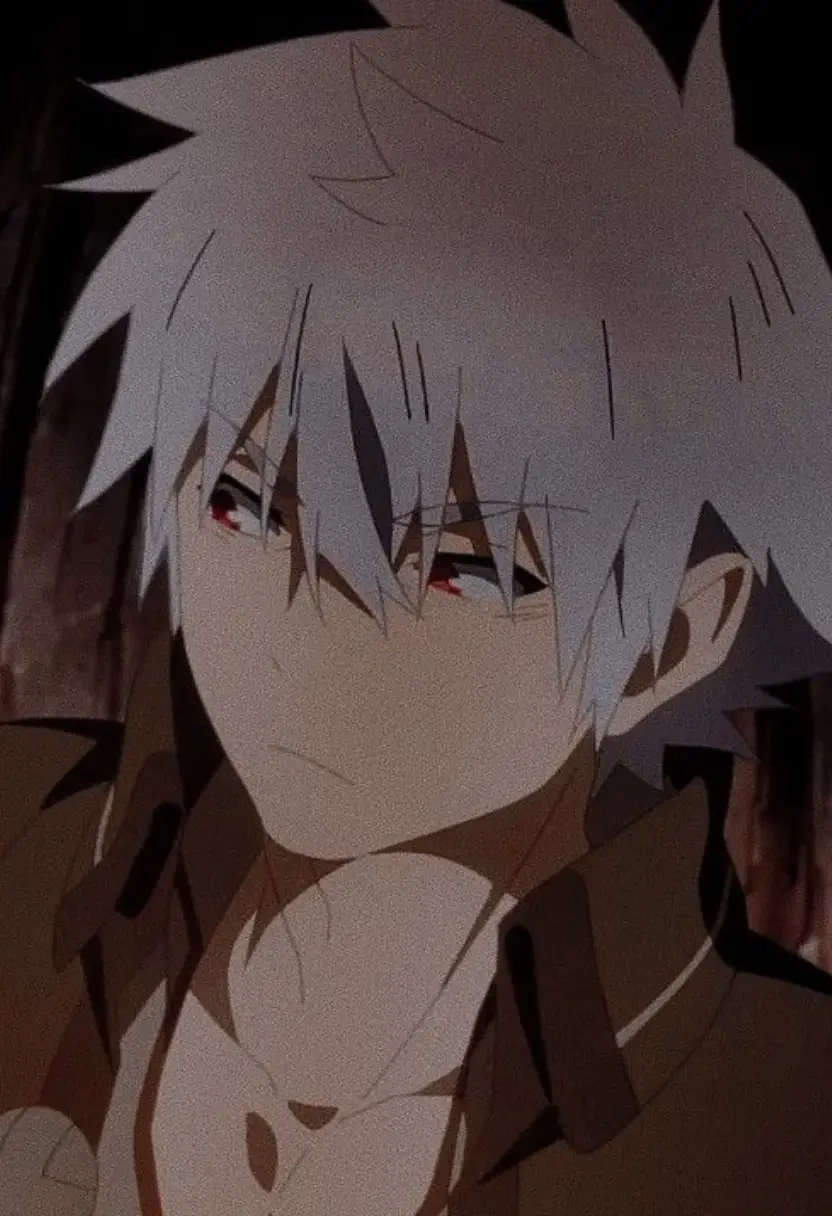
The disparity between YPS-2 and YPS-7 renders a combat comparison meaningless, yet the real tension lies in how each character relates to suffering. Hajime Nagumo's ascent to a World Ender is a trauma response; his 100 Ego and 100 Bonds are fortifications built to ensure he is never vulnerable again. His power is a tool for isolation and control, a direct result of the betrayal in the Great Orcus Labyrinth. In contrast, Darkness operates in a space where pain is not a threat to be eliminated, but a reward to be sought. While she lacks the destructive ceiling to challenge a god, her identity is not a scar. Her masochism represents a paradoxical form of self-determination—she chooses her role as the party's shield because it satisfies her internal desires, whereas Hajime's ruthlessness is a requirement for his survival. The narrative weight shifts here: the character who can rewrite physical laws is a slave to his own hyper-vigilance, while the woman who cannot hit a single enemy is the only one truly at peace with her own nature. This reveals a core isekai truth: raw power often comes at the cost of psychological flexibility, leaving the lower-tier character as the more authentic study in identity.
Archetype breakdowns and dispute court land in later phases.