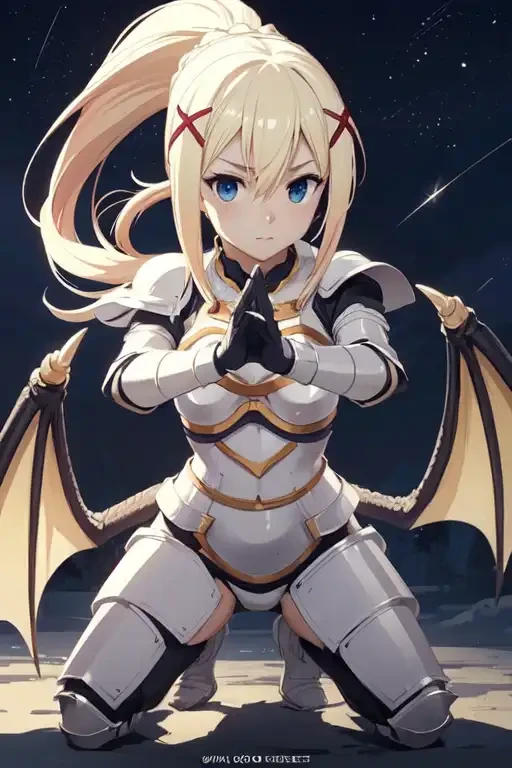
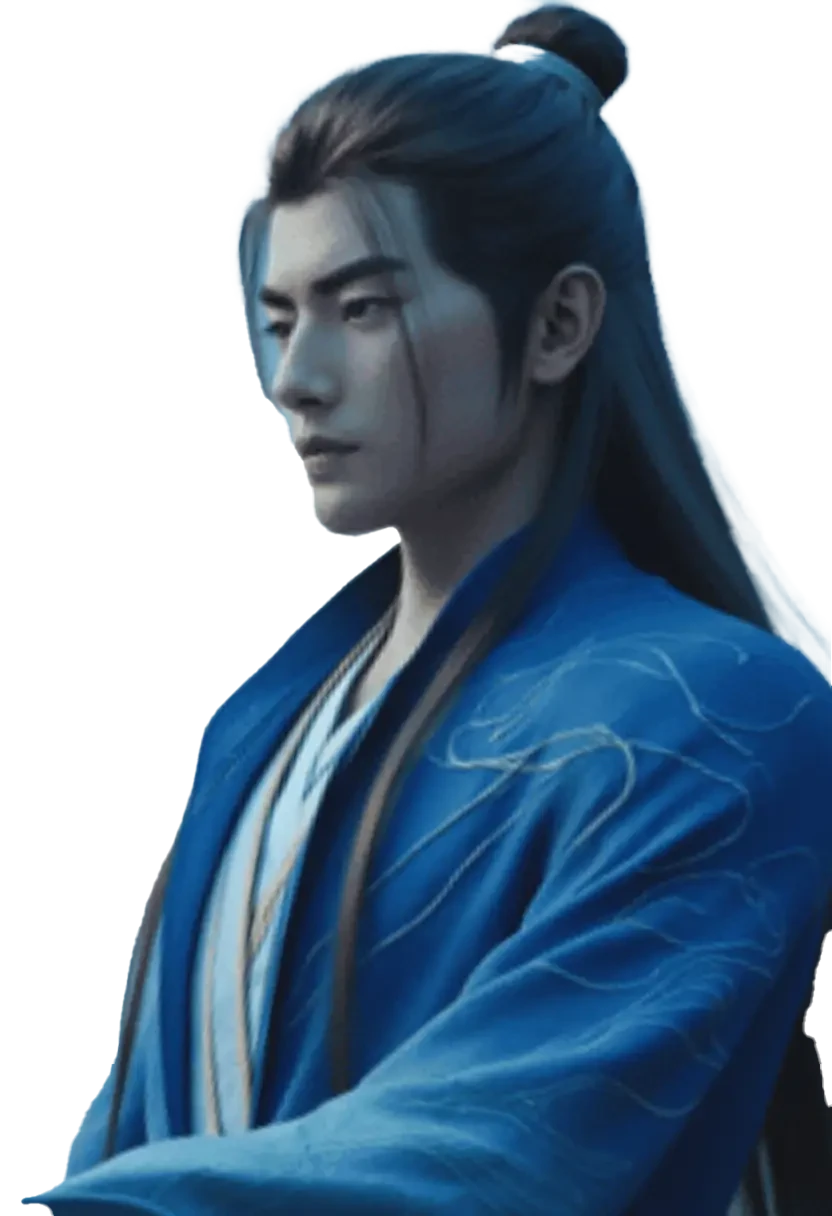
The power gap between a YPS-2 Awakened and a YPS-7 World Ender is an unbridgeable chasm, rendering any tactical comparison meaningless. Han Li's trajectory is a clinical exercise in technical ascension, moving from a farmer with False Spiritual Roots to a cosmic architect who rewrites physical laws. This journey is defined by the erasure of vulnerability; he optimizes every variable to ensure survival, effectively trading human spontaneity for celestial efficiency. However, this pursuit of perfection creates a narrative vacuum. In contrast, Darkness exists as a functional failure. As a Crusader, she possesses the durability to withstand immense punishment but lacks the basic competence to land a single blow. This gap in skill is not a flaw in the writing, but the core of her character. While Han Li's YPS-7 status represents the completion of a goal, Darkness's YPS-2 status is the site of a complex psychological struggle. She actively seeks the pain and humiliation that Han Li spends millennia avoiding. The tension here reveals a fundamental isekai truth: the character who can reshape the universe is often less compelling than the one who finds liberation in her own limitations. Han Li achieves immortality by escaping the human condition, whereas Darkness finds her identity by leaning into her most absurd human impulses. The narrative weight shifts entirely to the lower-tier character because her conflict is internal and emotional, while Han Li's is merely a matter of resource acquisition and scaling.
Archetype breakdowns and dispute court land in later phases.