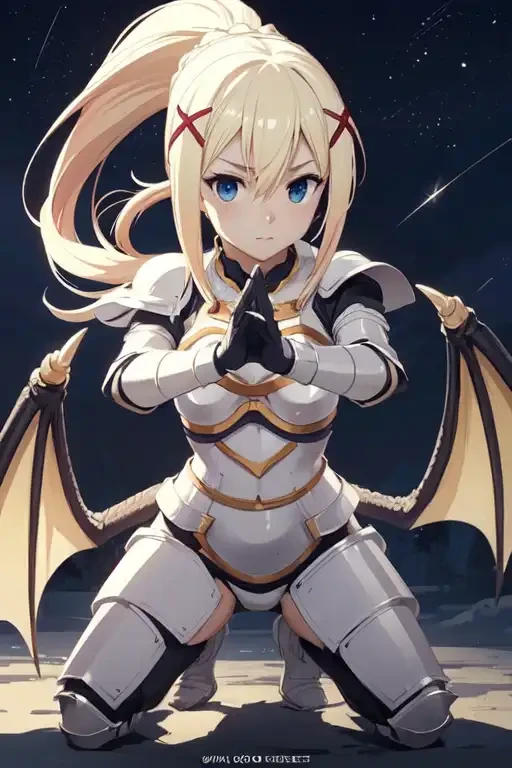

True utility in a fantasy world is often mistaken for combat efficacy, but the divide between physical endurance and systemic authority renders a direct YPS-2 comparison functionally meaningless. Comparing a Crusader who exists to absorb punishment with a strategist who rewrites societal laws is a clash of axes, not a measurement of strength. The real insight lies in how these two characters treat the concept of the "shield." For Darkness, the shield is a physical and psychological sanctuary; her role as a tank is a manifestation of her desire to be overwhelmed by the world. She transforms the trauma of combat into a personal reward, making her high Bonds score a result of her willingness to suffer for others. Shiroe, conversely, treats the shield as a political instrument. His power isn't about taking hits, but about ensuring no one has to take a hit they cannot afford. While Darkness finds freedom in submission to the battlefield's chaos, Shiroe seeks freedom through the elimination of chaos via administrative labor. Their identical YPS-2 classification hides a fundamental philosophical split: one character finds purpose in being the primary object of the world's violence, while the other finds purpose in becoming the architect of the world's peace. This contrast exposes the isekai genre's obsession with role specialization, proving that the ability to endure a blow is qualitatively different from the ability to prevent one.
Archetype breakdowns and dispute court land in later phases.