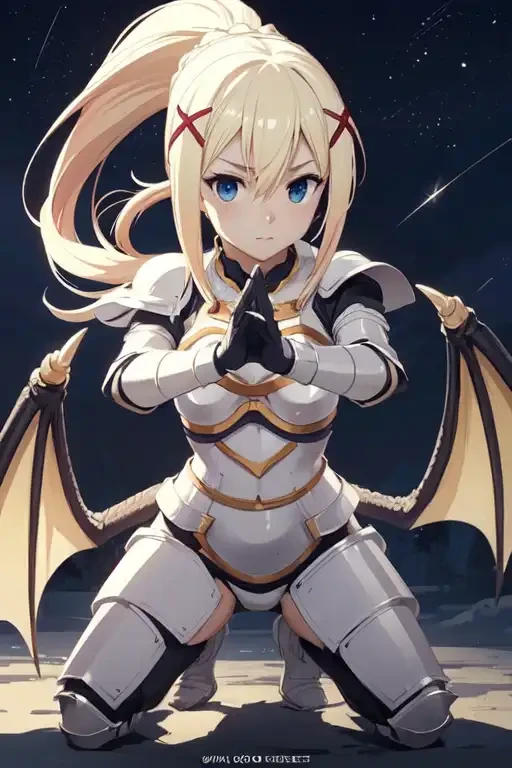
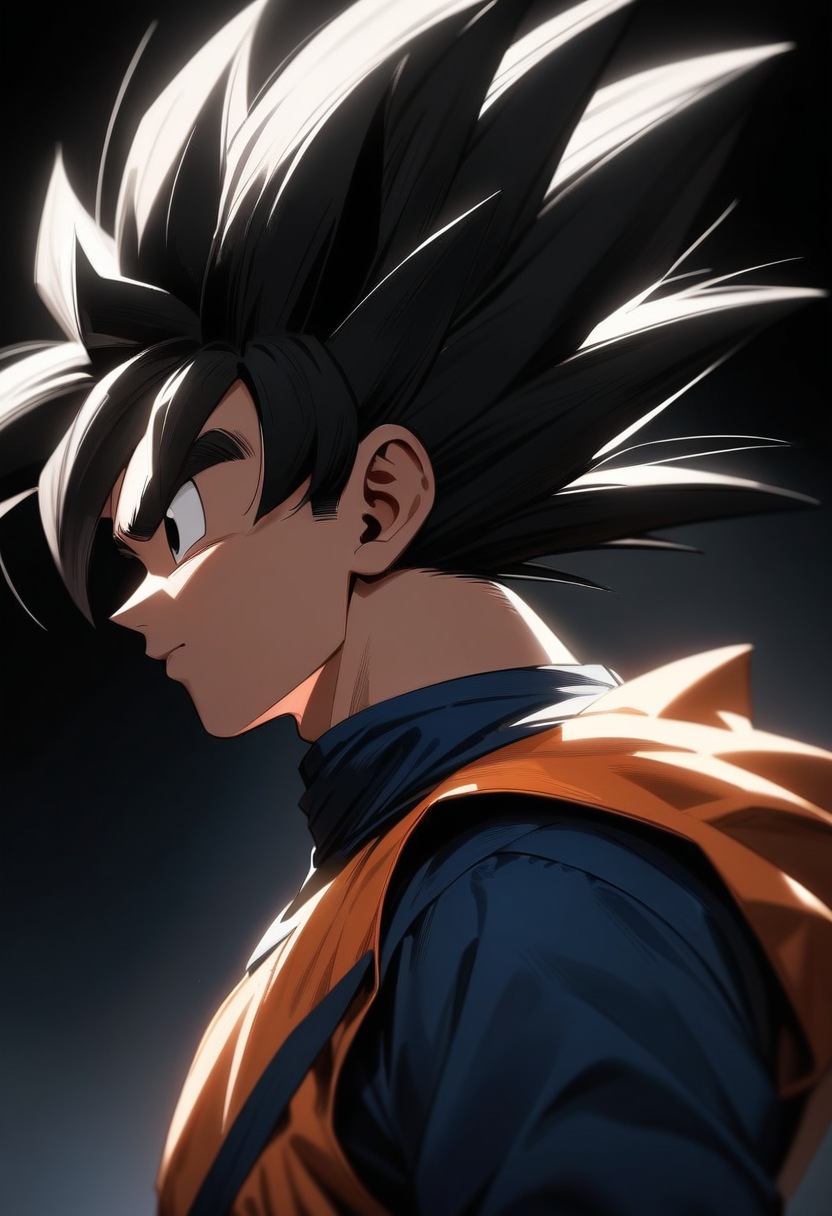
The gulf between these two characters is not merely a matter of YPS tier—a seven-level difference separates a world-ender like Goku from Darkness’s awakened physicality—it’s a fundamental disconnect in how isekai narratives function. Goku’s story operates on a scale where personal stakes are almost entirely subsumed by planetary threats, his power so immense it renders conventional character development secondary to escalating conflict. Darkness, conversely, exists within a tightly-focused, comedic world where her comparatively limited abilities are the source of constant narrative friction and surprisingly poignant emotional resonance. While Goku’s arc is about exceeding limits, Darkness’s is about *accepting* hers, and finding a strange, fulfilling purpose within them. This disparity highlights a core tension within the isekai genre itself: the allure of power fantasy versus the appeal of relatable, flawed characters. Goku’s journey is inspiring in its ambition, but it’s also distant. We watch him save the world; we experience Darkness’s embarrassment, her longing, her quiet heroism in the face of overwhelming odds. Her low Ego score isn’t a weakness, but a testament to her genuine connection to her party, a bond forged not through shared power, but through shared vulnerability. The story isn’t about what Darkness *can* do, but about who she *is*, and that’s a far more compelling question when the stakes are human-sized. It’s a reminder that sometimes, the most interesting isekai characters aren’t the ones rewriting reality, but the ones navigating it with all their messy, imperfect humanity.
Archetype breakdowns and dispute court land in later phases.