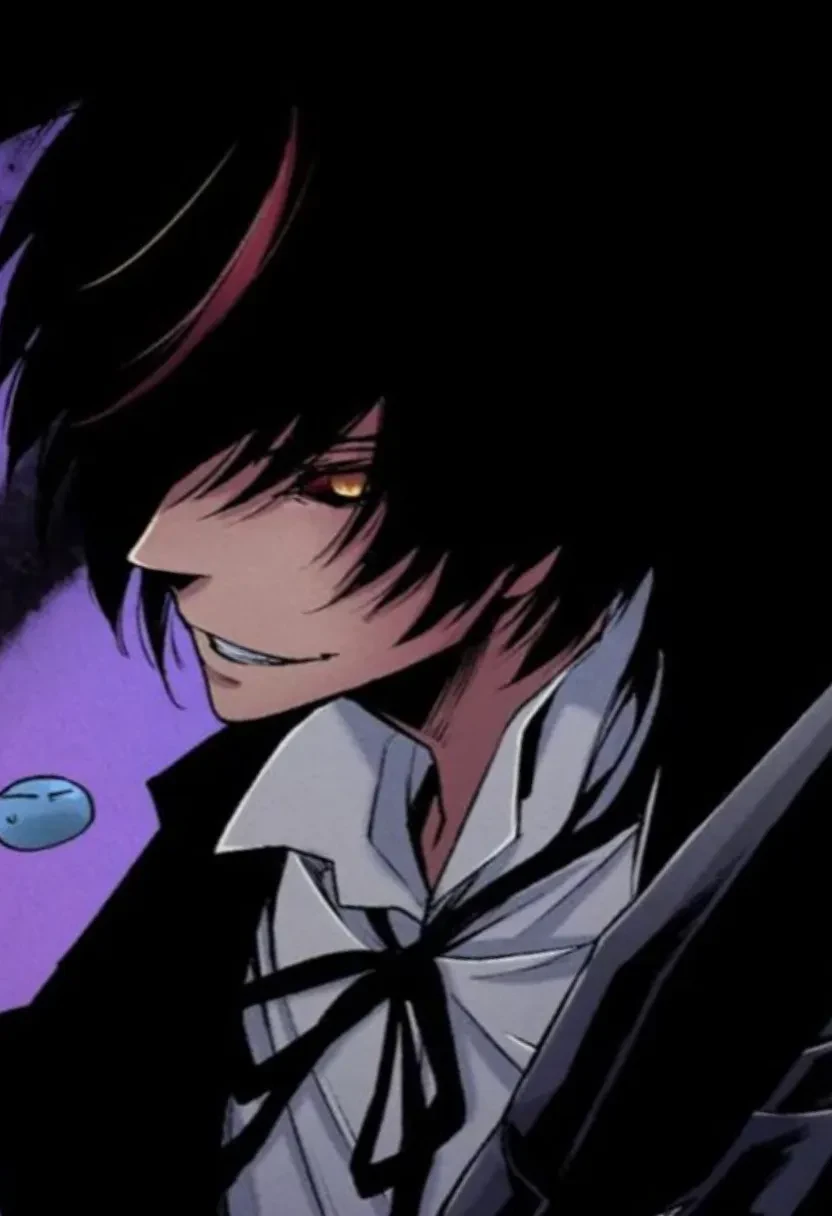
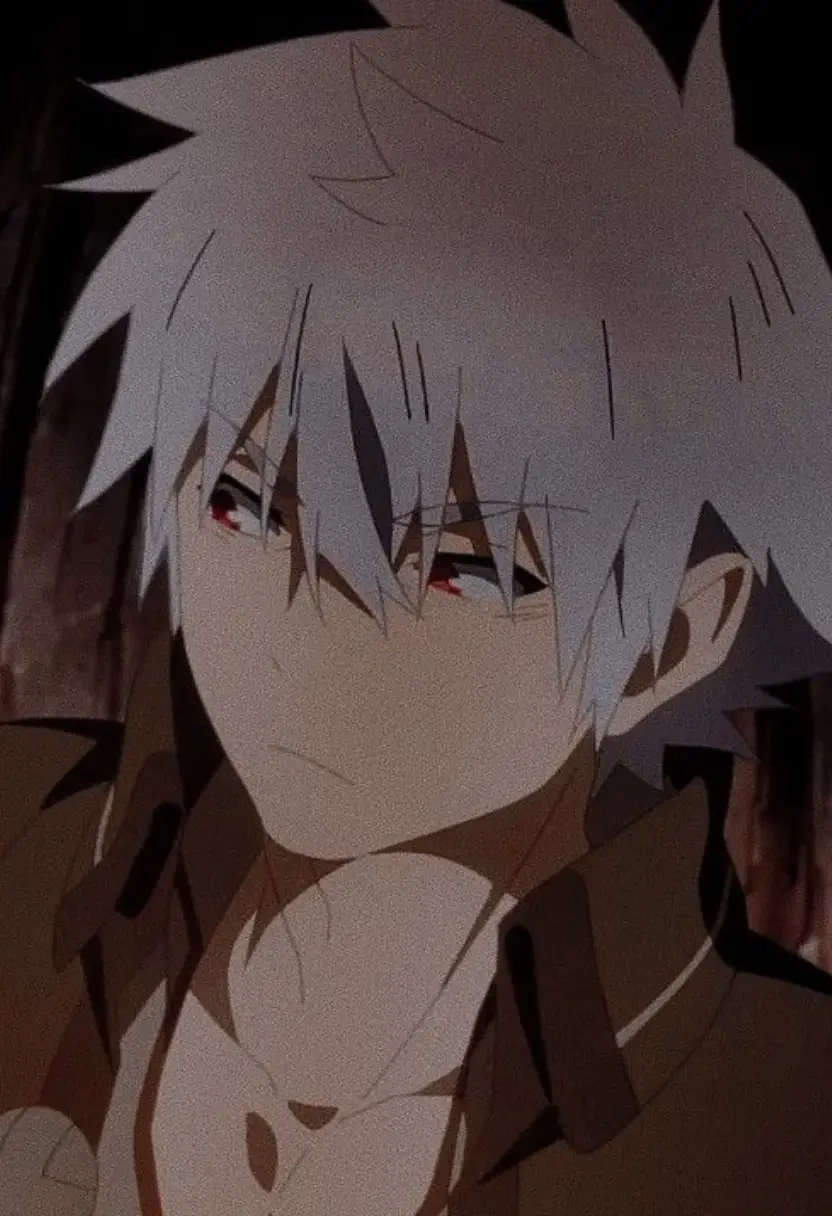
The comparison between these two characters isn’t about who is “stronger” – a question rendered almost meaningless when one operates at a continental scale and the other threatens the fabric of reality. Instead, it reveals a fundamental divergence in how isekai narratives handle the burden of overwhelming power. Hajime Nagumo’s ascent is defined by a relentless, internal drive to *earn* his capabilities, each new ability a direct response to a perceived threat and a testament to his unwavering self-reliance. His bonds are not freely given, but meticulously constructed through shared hardship and proven loyalty. Diablo, conversely, *possesses* power on a scale that dwarfs nations, yet his narrative arc isn’t about acquiring it, but about finding a suitable outlet for it. He doesn’t need to prove himself; his very existence is a demonstration of force. This difference highlights a crucial tension within the genre. Hajime embodies the power fantasy of overcoming adversity, of becoming capable through effort. Diablo embodies the power fantasy of *being* capable, of having the solution to every problem already within reach. The low Ego score for Diablo isn’t a weakness, but a consequence of this: his will is entirely subsumed by his devotion to Rimuru, a deliberate abdication of self-determination. While Hajime’s story is about forging an identity, Diablo’s is about finding a purpose for one that already exists, ancient and terrifying. The contrast isn’t about strength, but about the very nature of agency when faced with godlike abilities – whether to strive for power, or to find a worthy vessel for it.
Archetype breakdowns and dispute court land in later phases.