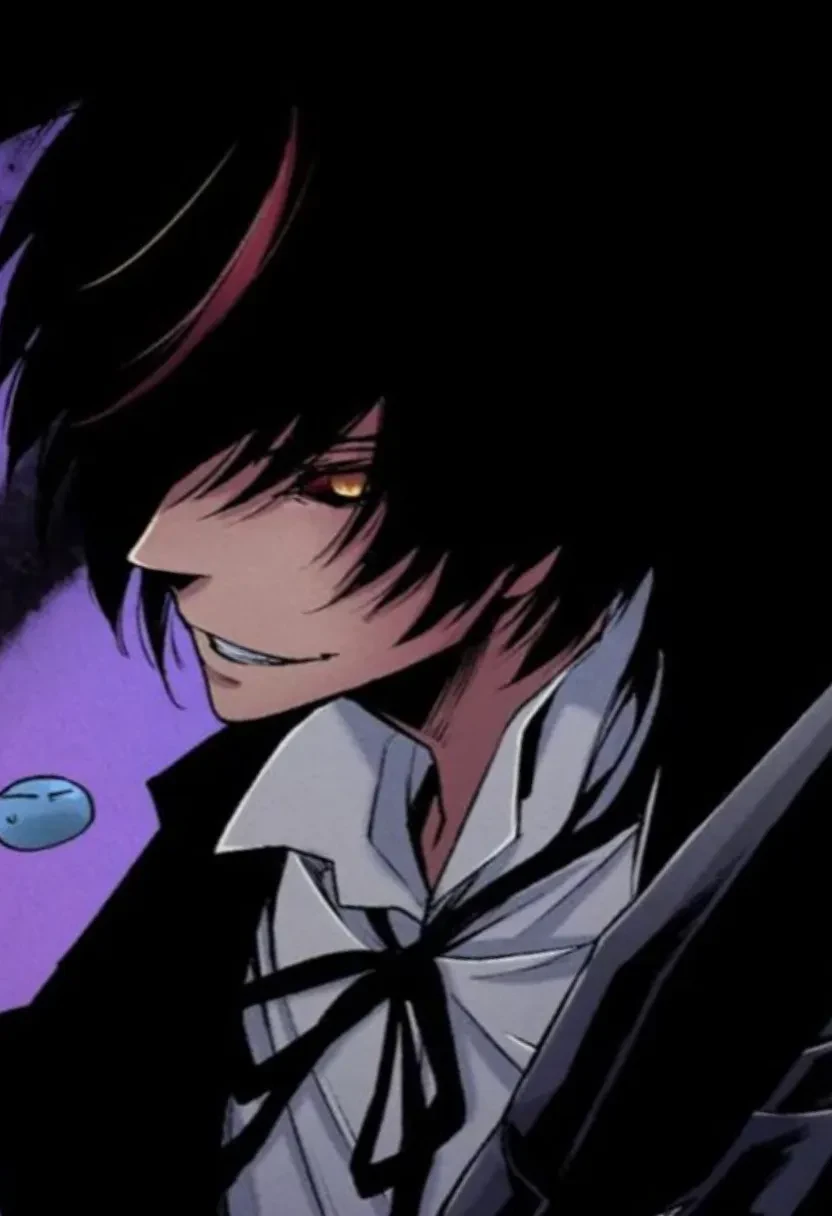
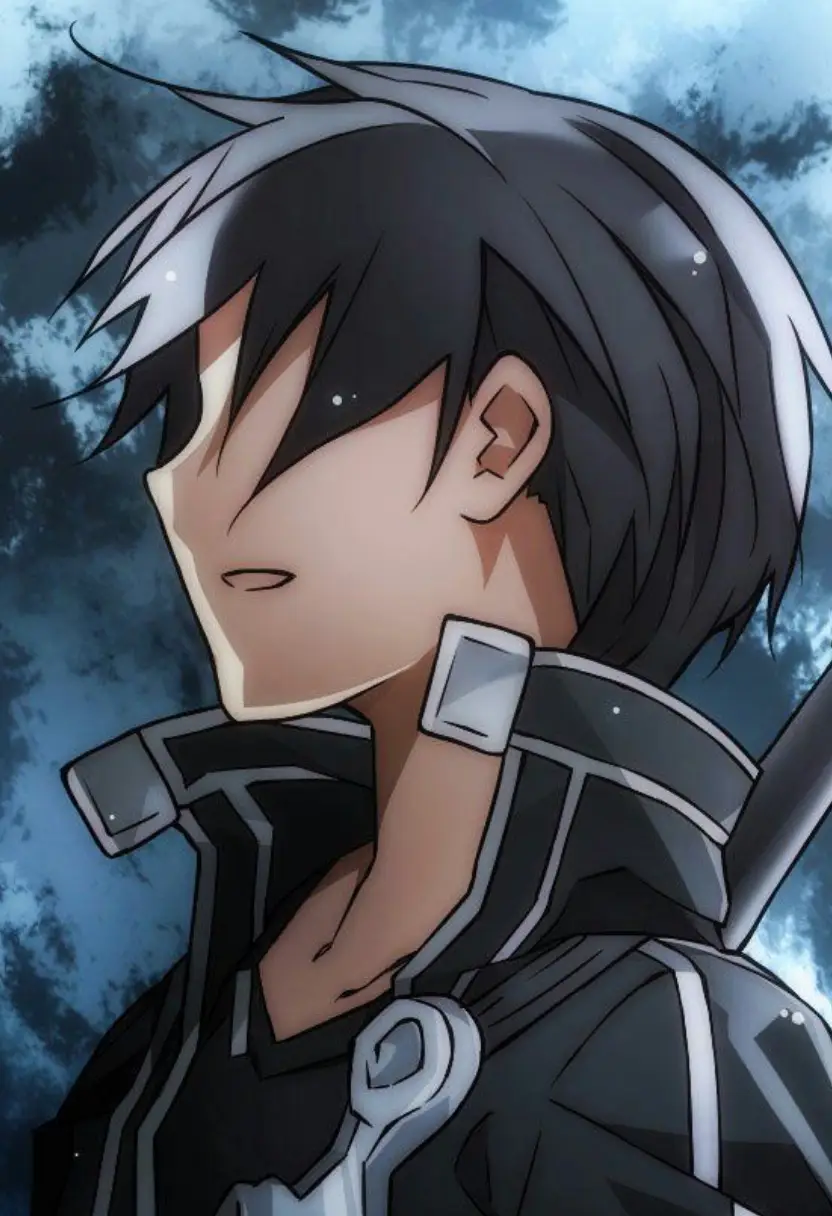
True devotion in isekai rarely looks like the stark opposition of these two figures. While one exists as a projection of pure, aesthetic obsession and the other as a vessel for human trauma and responsibility, their side-by-side comparison reveals that narrative agency is inversely proportional to systemic status. Diablo operates at a YPS-5 continent-level scale, yet his absolute lack of ego—his total surrender to the administrative whims of a master—renders him a static, fixed point in his narrative, almost like a piece of high-functioning infrastructure. Conversely, Kirito, despite occupying a lower YPS-4 tier, wields an overwhelming degree of ego that forces the systems he inhabits to bend around his personal morality. This creates a fascinating contradiction: the character with the capacity to destroy continents is fundamentally more shackled than the protagonist struggling with the weight of digital consciousness. The lesson here is that raw power in this genre is often a form of narrative imprisonment, while the true drivers of story are those who refuse to serve, even when the simulated worlds they inhabit are designed explicitly to force that subservience upon them.
Archetype breakdowns and dispute court land in later phases.