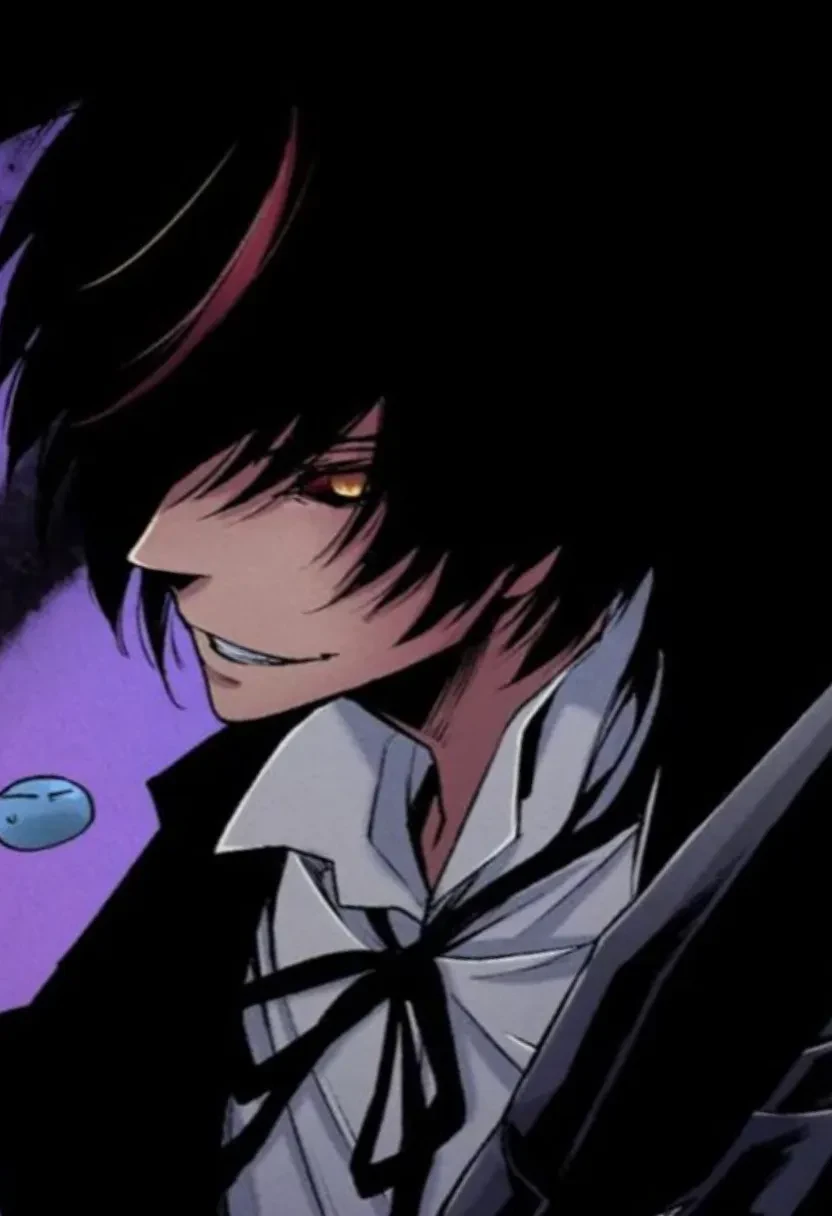

True agency in an isekai setting often manifests as the inverse of one's raw capability. A direct YPS comparison between a YPS-5 physical powerhouse and a YPS-2 authority strategist is fundamentally meaningless because they operate on different axes of influence. Diablo possesses the capacity to level continents, yet his narrative function is entirely reactive, defined by a total surrender of ego to Rimuru Tempest. He represents the paradox of the "perfect tool"—an entity of primordial chaos who finds purpose in the rigid constraints of butlering. Conversely, Shiroe lacks the destructive ceiling to challenge a world-boss alone, but his authority allows him to rewrite the social and mechanical laws of Elder Tale. Where Diablo optimizes a world for one person, Shiroe organizes a world for thousands. This reveals a core tension in how isekai handles non-physical power: Diablo's loyalty is a luxury afforded by his immense strength, while Shiroe's leadership is a necessity born from his limitations. Shiroe's higher Growth and Bonds scores reflect a man forced to dismantle his own isolation to survive, whereas Diablo's stagnation is a choice of devotion. One serves as the shield of a god; the other serves as the brain of a civilization.
Archetype breakdowns and dispute court land in later phases.