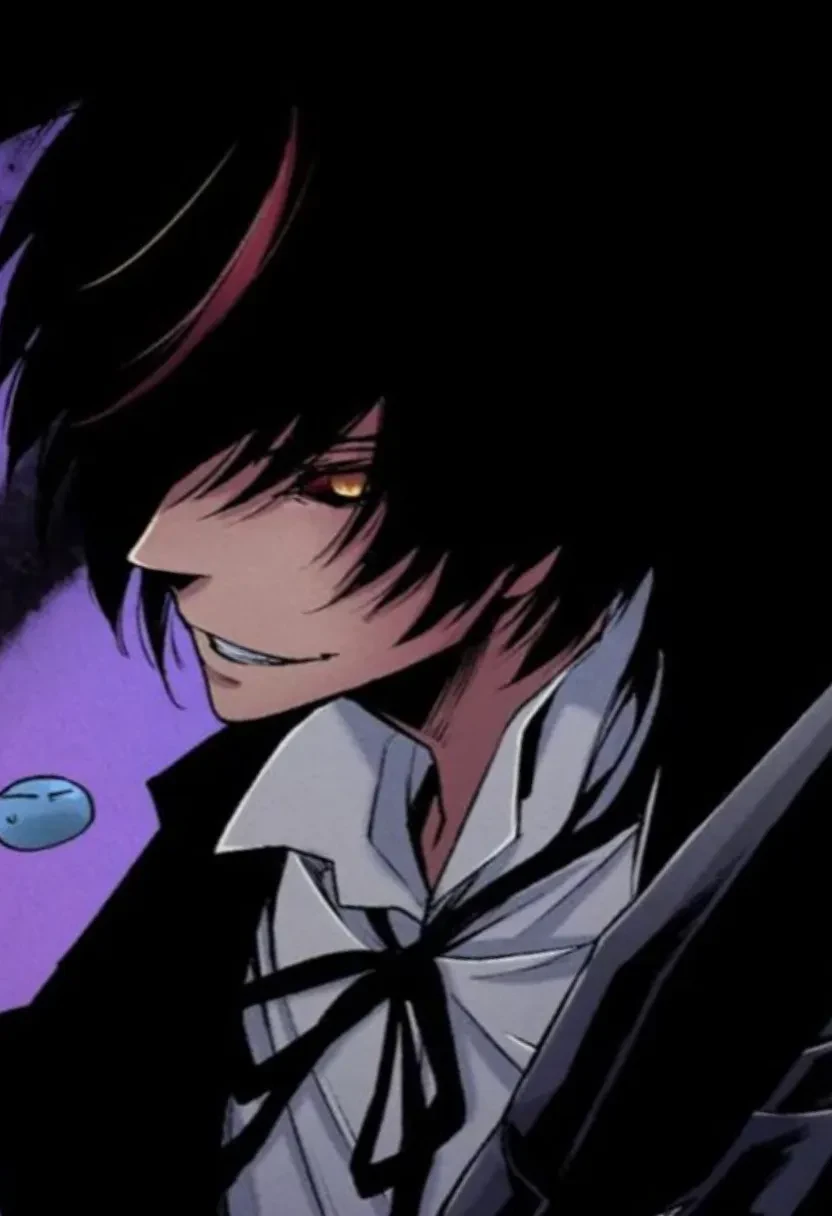
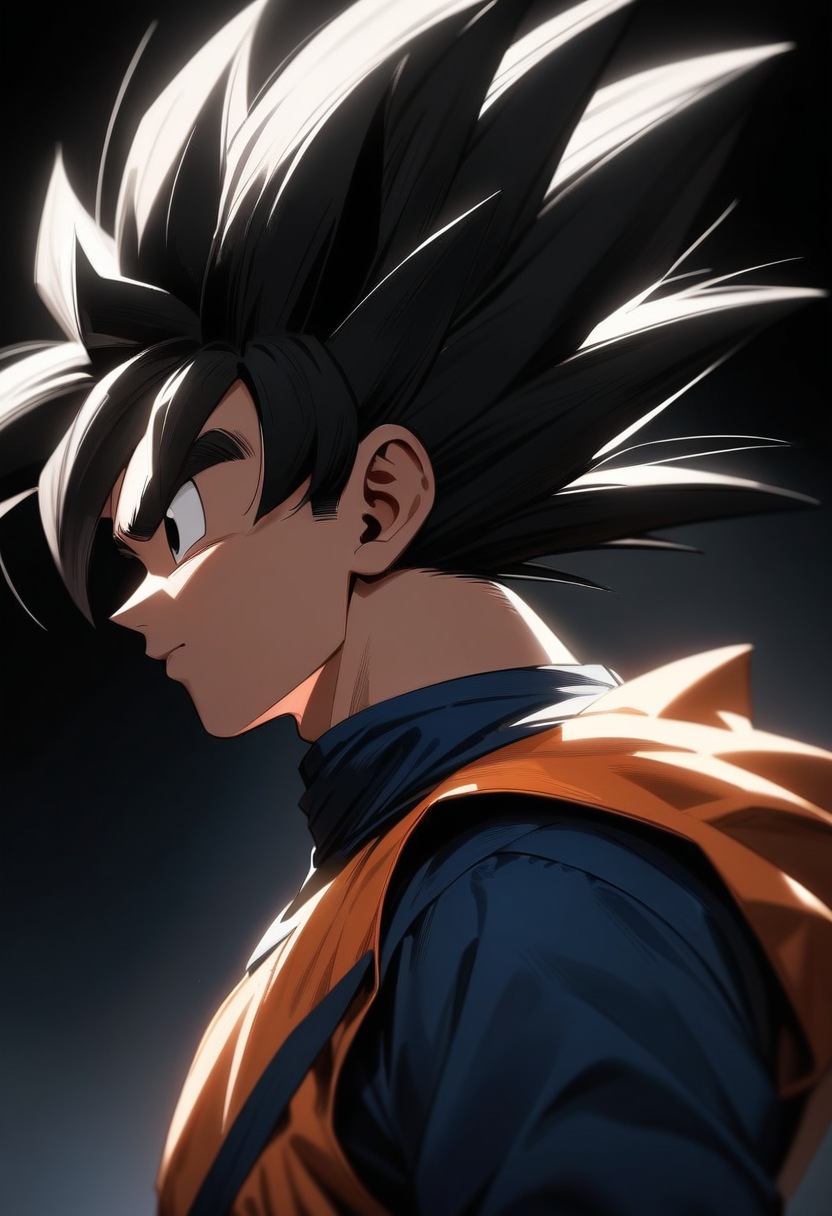
The comparison of these two figures reveals a fundamental divergence in how isekai and shonen narratives approach the problem of overwhelming power. Both Diablo and Son Goku operate at scales that functionally break the conventional rules of their worlds, yet their relationship to that power is almost inverse. Goku’s relentless pursuit of strength is explicitly *about* escalation, a constant drive to test and exceed limits, fueled by an ego that demands validation through combat. His luck and bonds actively reinforce this trajectory, bending the narrative to provide ever-greater challenges. Diablo, conversely, possesses a destructive capacity that dwarfs Goku’s, yet actively *suppresses* it. His power isn’t a goal, but a resource to be meticulously managed in service of another. This isn’t simply a matter of differing motivations; it’s a reflection of genre priorities. Goku’s story is built on the promise of further escalation, a power fantasy where the protagonist’s growth is the central engine. Diablo’s narrative, rooted in isekai’s nation-building framework, treats immense power as a logistical problem. How do you contain it? How do you redirect it? His low Ego score isn’t a weakness, but a deliberate design choice—a demonstration that absolute power can be rendered inert by absolute loyalty. While Goku *is* the story, Diablo is a force *within* the story, a constant reminder of the apocalyptic potential simmering beneath the surface of Rimuru’s idyllic kingdom. The contrast isn’t about who is “stronger,” but about what strength *means* to each narrative.
Archetype breakdowns and dispute court land in later phases.