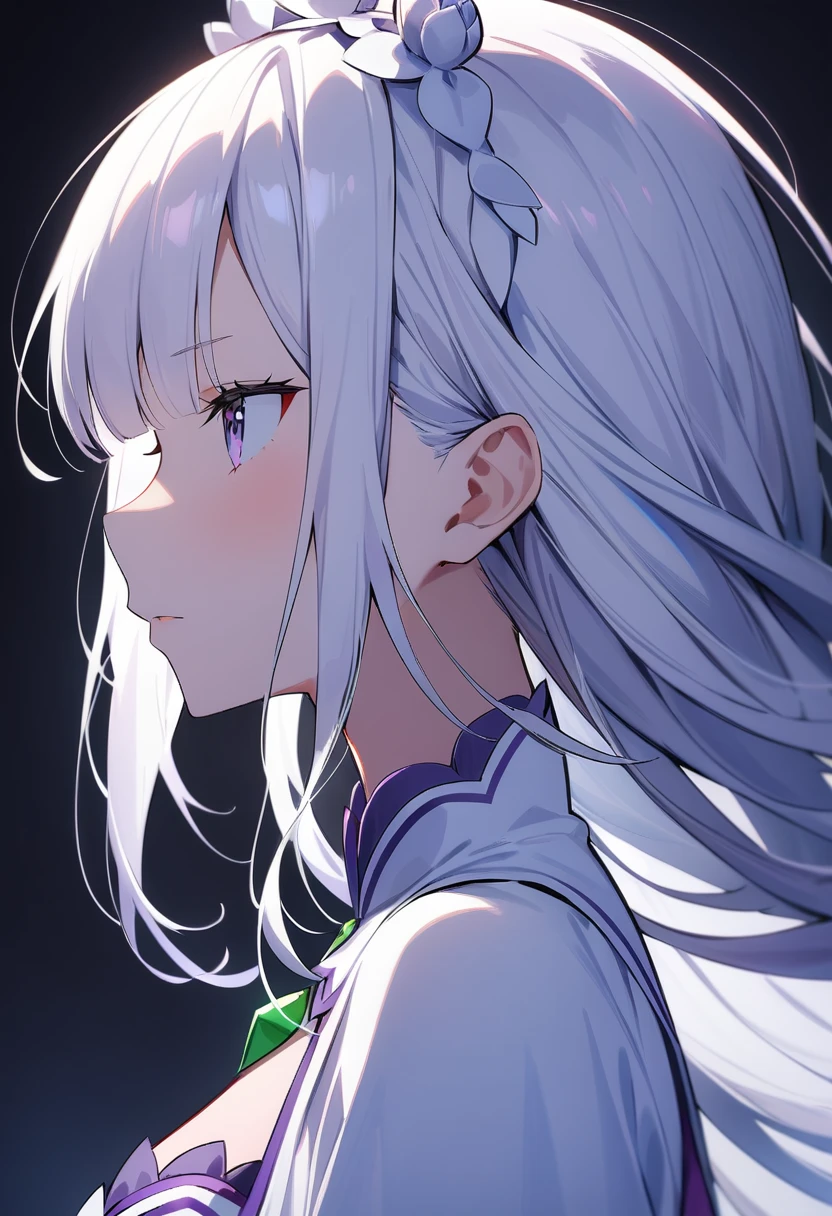

The disparity between inherent potential and actual agency defines the tragedy and comedy of the gifted isekai character. Because these two operate on entirely different axes—one wielding divine authority (YPS-3) and the other commanding physical ice manipulation (YPS-4)—a direct combat comparison is meaningless. Instead, the real tension lies in their DNA profiles, specifically the inverse relationship between their Power and Ego. Aqua possesses the tools of a deity but lacks the internal drive to be anything other than a liability. Her divine status is a punchline because she refuses to evolve, turning her high-tier magic into a source of collateral damage rather than a solution. In contrast, Emilia possesses a level of power that makes her a strategic asset, yet she begins her journey as a hollow shell, stripped of memory and autonomy. While Aqua is a god who acts like a child, Emilia is a powerhouse forced into the role of a victim by a society that fears her resemblance to the Witch of Envy. The narrative shift here is profound: one character uses her divinity to avoid growth, while the other fights through systemic hatred to reclaim her identity. This reveals a core truth about the genre: power is irrelevant without the ego to direct it. For Aqua, the gap between her status and her utility is a choice of laziness; for Emilia, it is a battle for survival. One subverts the guide trope by being useless; the other dismantles the damsel trope by becoming a leader.
Archetype breakdowns and dispute court land in later phases.