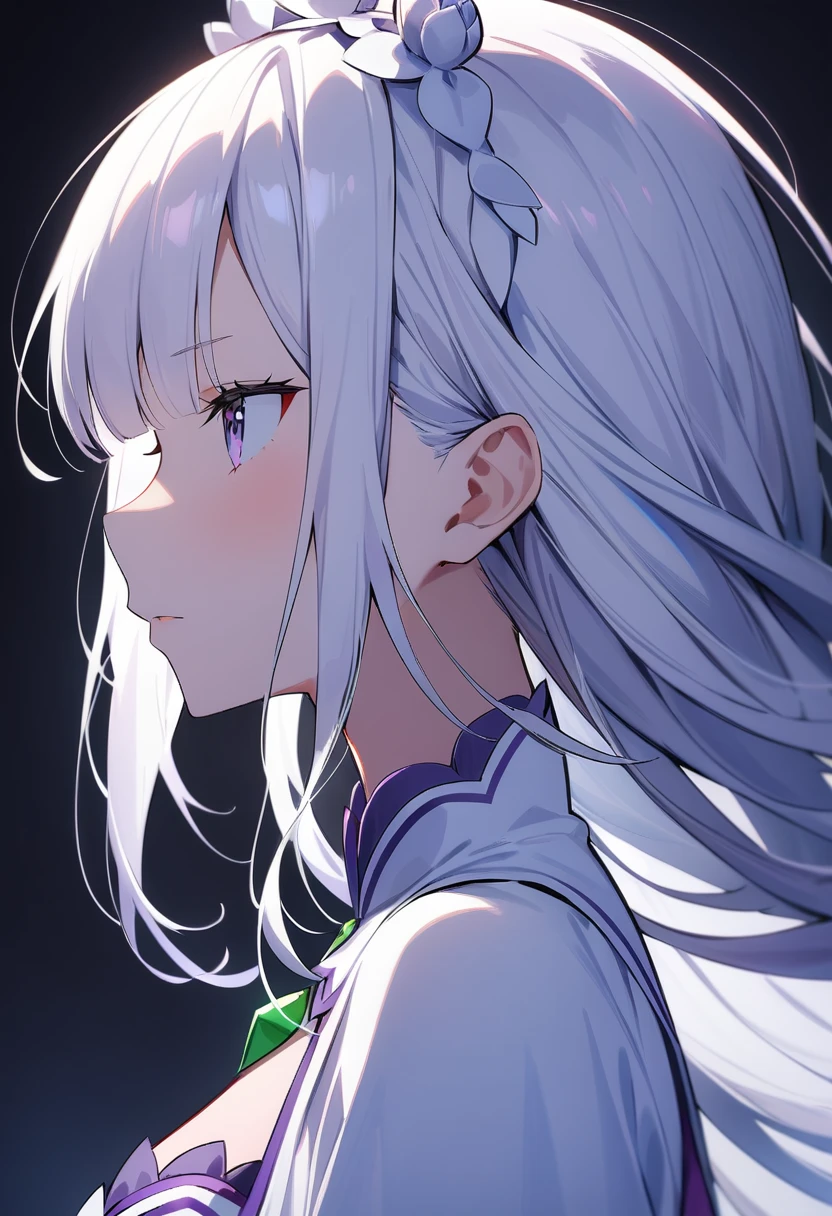
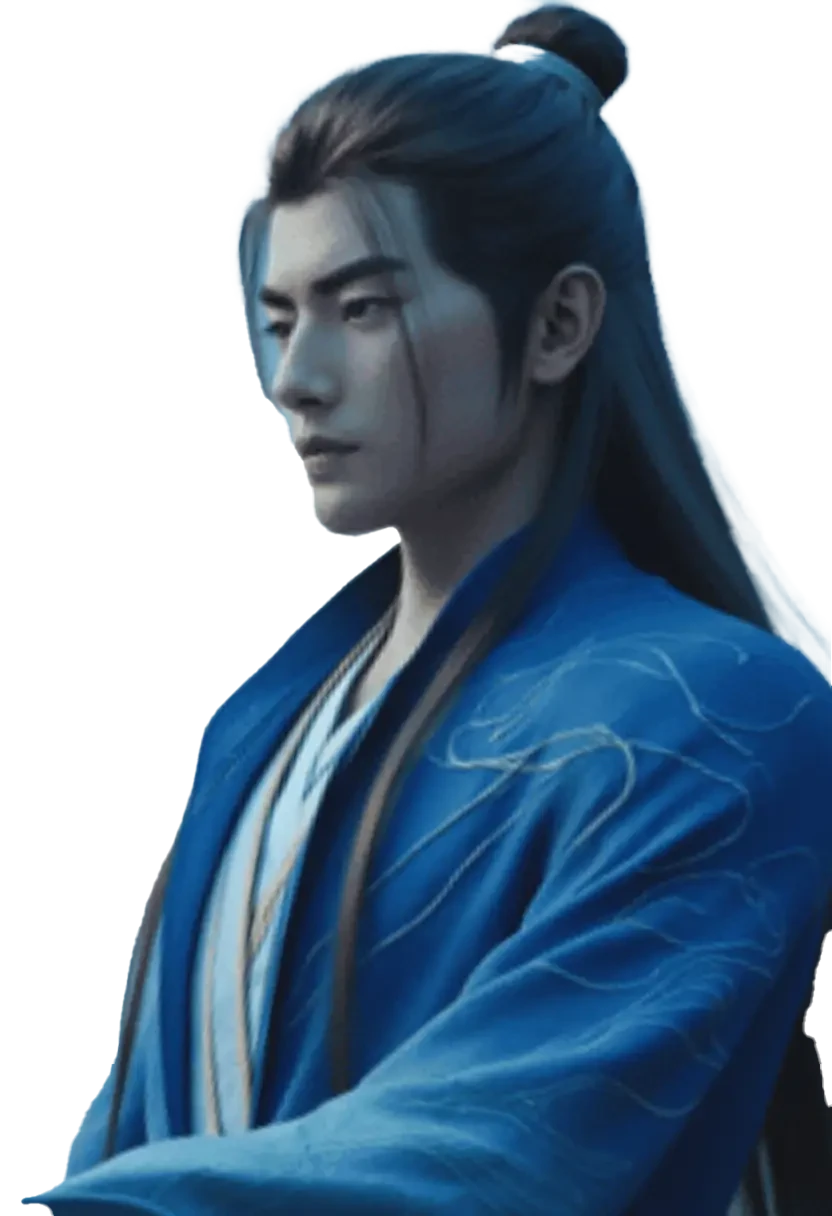
The chasm between a YPS-4 Nation Level combatant and a YPS-7 World Ender renders a direct combat comparison meaningless, yet this disparity exposes a fundamental trade-off between cosmic authority and narrative intimacy. While Han Li achieves a state where he rewrites physical laws, his trajectory is an exercise in the erasure of vulnerability. He transforms from a cautious farmer into a celestial architect, trading the friction of human existence for the efficiency of a machine. His Ego score of 100 reflects a total mastery of self, but this mastery eliminates the very conflict that drives character depth. In contrast, Emilia operates in a world that actively rejects her, turning her YPS-4 capabilities into a burden rather than a tool for dominance. Her struggle is not about ascending a ladder of power, but about reclaiming a stolen identity amidst the prejudice of the Lugnica Kingdom. Because she lacks the ability to simply overwrite her detractors, her growth is measured in emotional resilience and the slow dismantling of her dependency on Puck and Subaru. Han Li’s journey is a vertical line of acquisition, but Emilia’s is a horizontal struggle for acceptance. This reveals a recurring isekai truth: the characters who lack the power to force the world to bend to their will are the ones who actually change. The YPS-7 tier offers sovereignty, but the YPS-4 tier offers a story.
Archetype breakdowns and dispute court land in later phases.