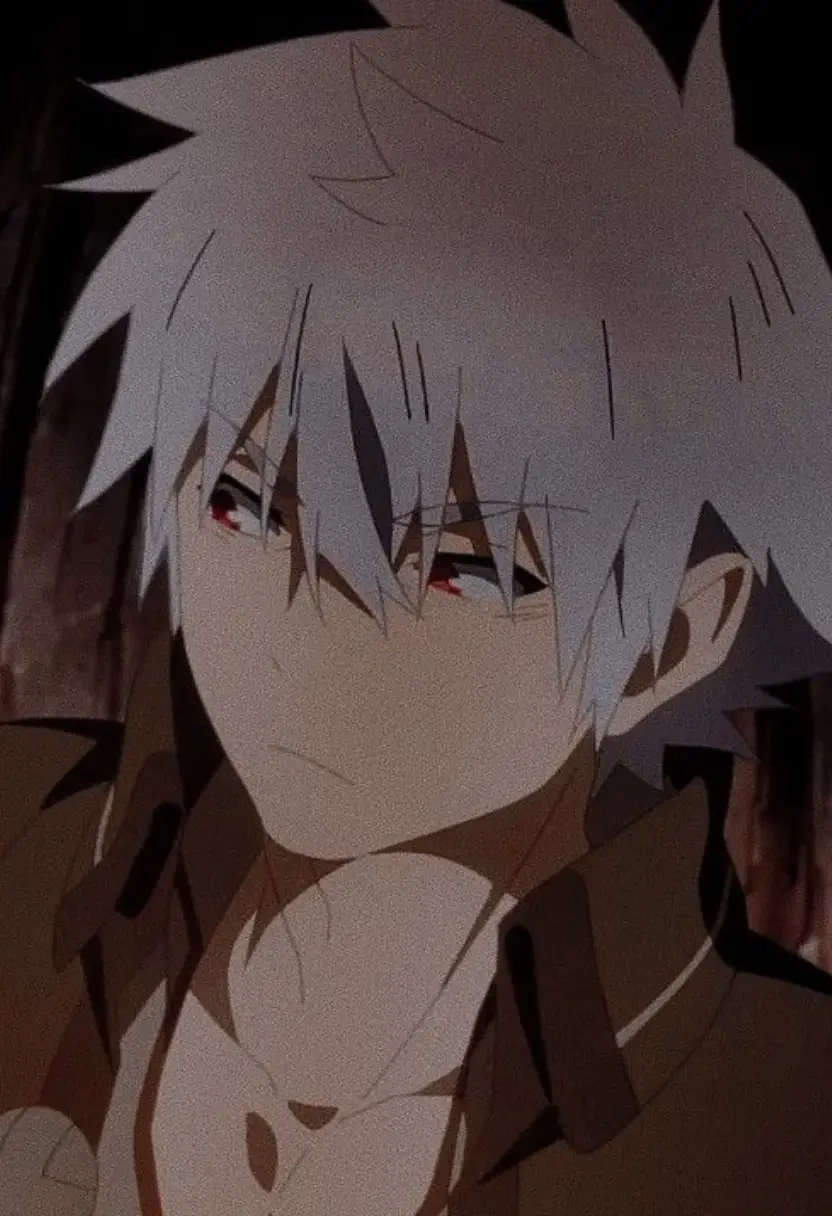

Survival in isekai is often framed as a quest for power, but this comparison reveals that survival is actually a negotiation with trauma. A direct YPS comparison is meaningless here; one character operates on a physical axis of world-altering destruction at YPS-7, while the other functions on a narrative axis of social integration at YPS-2. When physical output is stripped away, the real conflict is between the wall and the bridge. One survivor responds to betrayal by weaponizing his identity, using a 100 Ego score to carve a path through the Great Orcus Labyrinth and reject the gods entirely. He transforms his trauma into a fortress, where Bonds are not about warmth but about absolute, conditional loyalty. Conversely, the other survivor responds to neglect by becoming a mirror, using a 100 Growth score to adapt to the desires of the demon world. While one rewrites physical laws to ensure he is never again a victim, the other allows the narrative to rewrite him into a leader he never asked to be. This reveals a fundamental truth about the genre: power is not the goal, but the mechanism. For the survivor who trusts no one, power is a shield; for the survivor who fears rejection, power is the social capital required to belong. The gap between YPS-7 and YPS-2 is a distraction from the fact that both are simply trying to find a place where they are no longer disposable.
Archetype breakdowns and dispute court land in later phases.