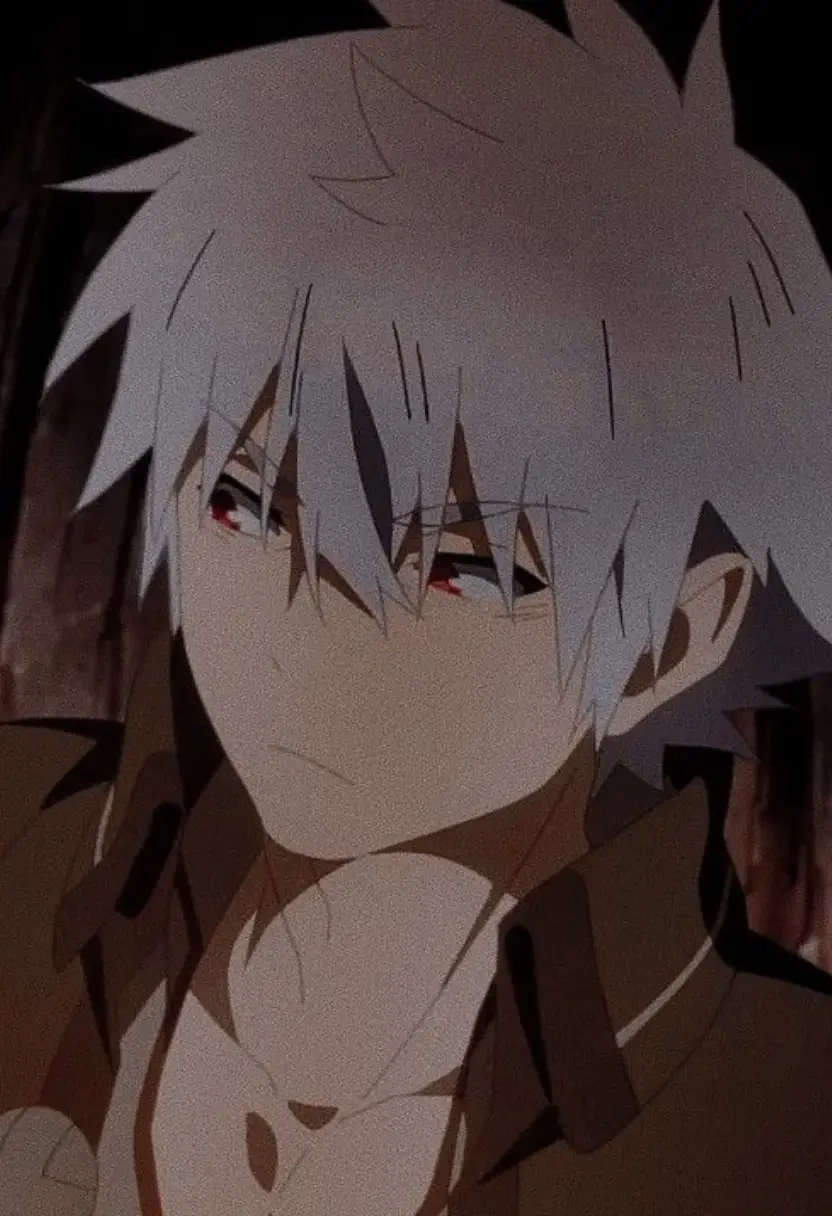
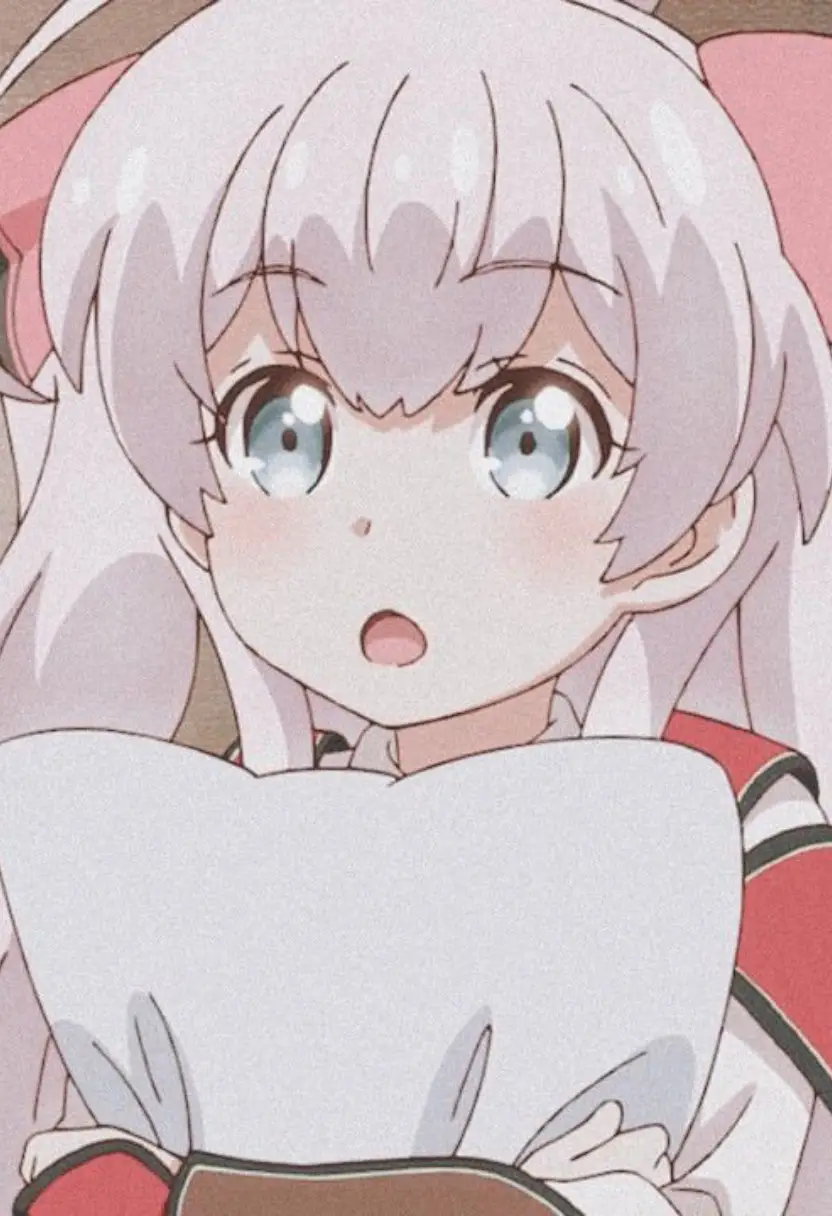
The fundamental tension in isekai power lies not in the scale of destruction, but in whether that power is a manifestation of will or a cosmic imposition. Because one operates via physical law manipulation and the other through inherent authority, a direct YPS comparison between a YPS-7 and a YPS-5 fails to capture the operational reality. Instead, the divergence appears in their DNA profiles, specifically regarding Ego and Growth. For the survivor of the Great Orcus Labyrinth, power is a hard-won weapon forged from trauma and betrayal; every increase in his YPS tier is a deliberate act of defiance against a world that discarded him. His Ego is the engine of his ascent, turning a physical power type into a tool for self-determination. Conversely, the "average" seeker experiences power as a restrictive cage. Her abilities are not an achievement but a clerical error by a deity, rendering her Growth irrelevant because she already possesses a ceiling she never requested. While the former uses his capacity to rewrite reality to carve out a space for his chosen few, the latter uses her authority to erase her own presence. This contrast reveals that isekai treats power as either a ladder for the broken or a mask for the gifted. One character fights to become the center of his own universe, while the other fights to remain a footnote in someone else's.
Archetype breakdowns and dispute court land in later phases.