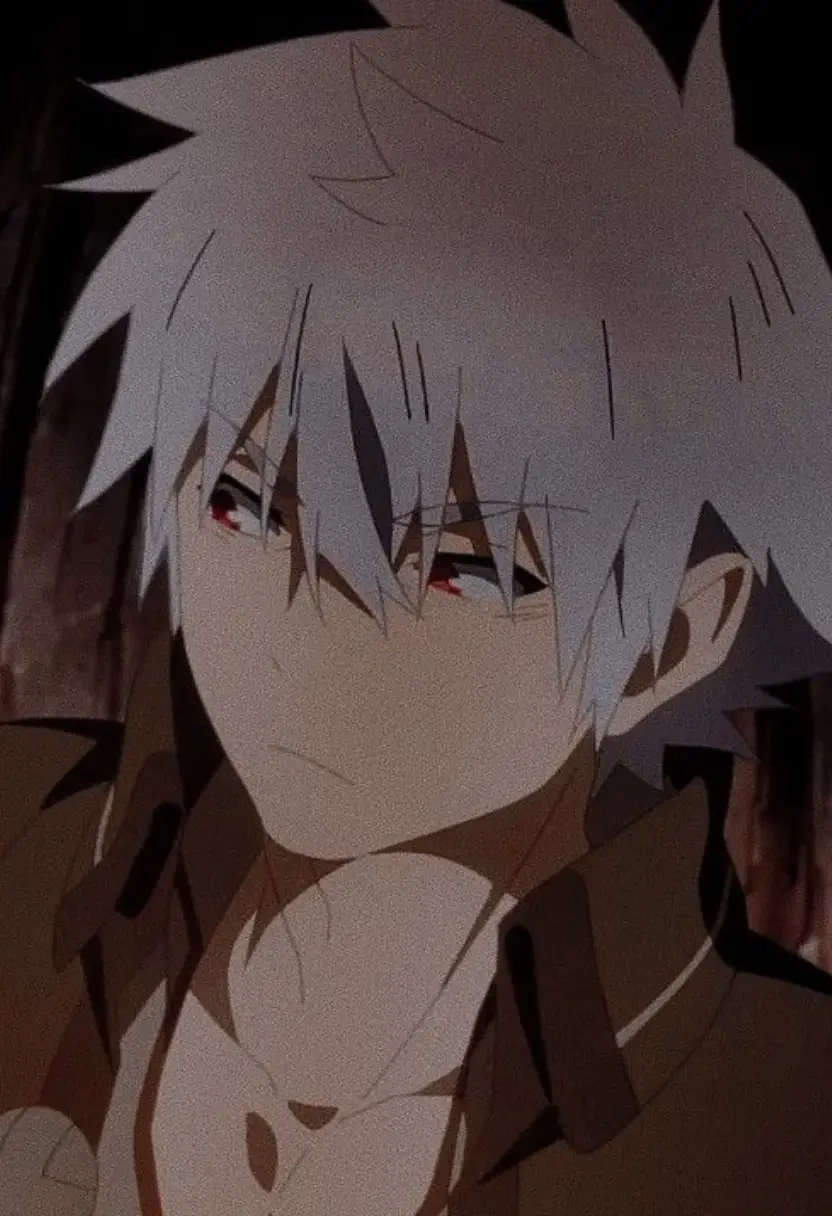
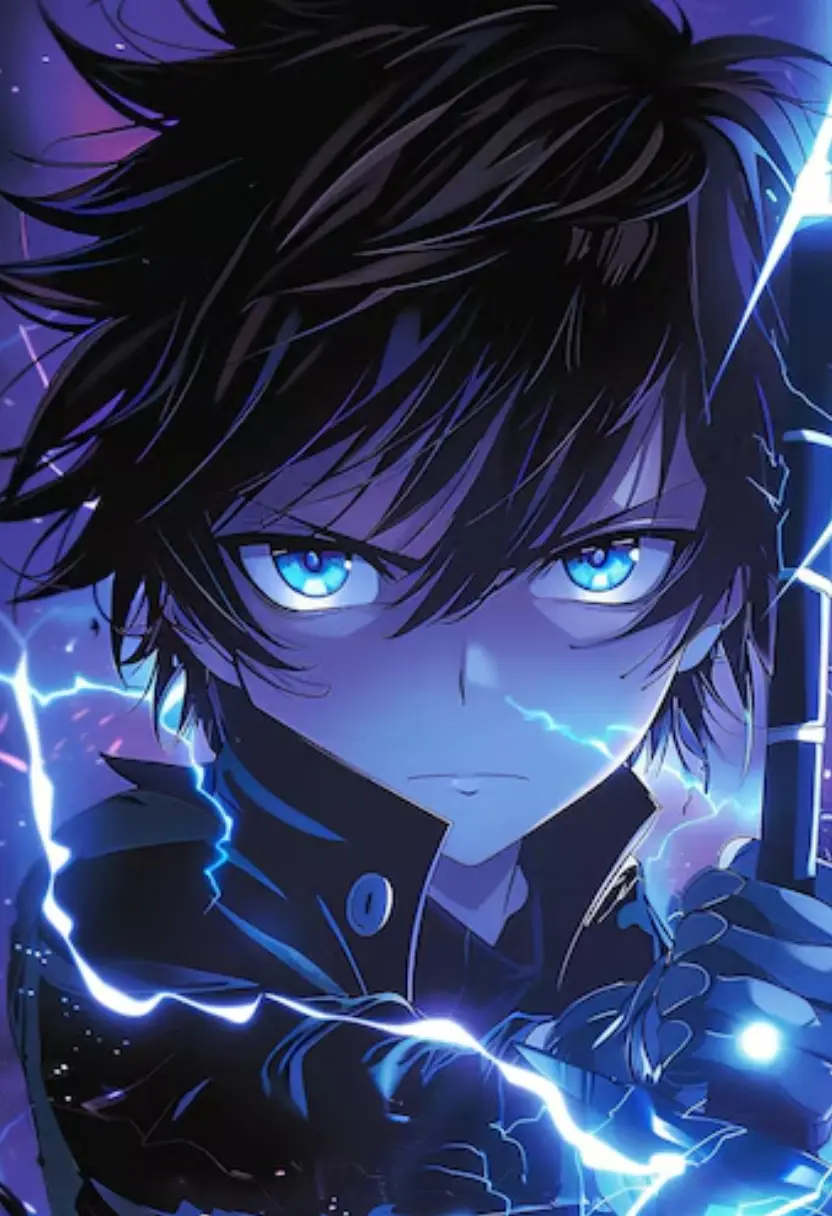
True agency in a world of absolute power manifests as either a weapon or a veil. Comparing these two YPS-7 entities through raw combat is a categorical error because they operate on different axes: one wields physical destruction while the other exercises systemic authority. The real distinction lies in their relationship to the world's structures. For Hajime, power is a scar. His ascent from the Great Orcus Labyrinth transforms his YPS-7 status into a tool for total autonomy, where his maximum Ego reflects a refusal to submit to any god or king. He does not integrate; he overrides. Conversely, Satou treats his omnipotence as a logistical convenience. His "Meteor Shower" jump provided a ceiling that renders conflict trivial, yet his low Ego drives him to hide this fact. While Hajime builds a fortress of trust to keep the world out, Satou builds an orphanage and a tourist itinerary to blend in. One uses reality-warping capabilities to ensure he is never again a victim; the other uses them to ensure he is never a protagonist. This reveals a fundamental split in the isekai genre's approach to godhood: power as a means of liberation through conflict versus power as a means of liberation through invisibility. The gap isn't in their capability, but in their desire to be seen.
Archetype breakdowns and dispute court land in later phases.