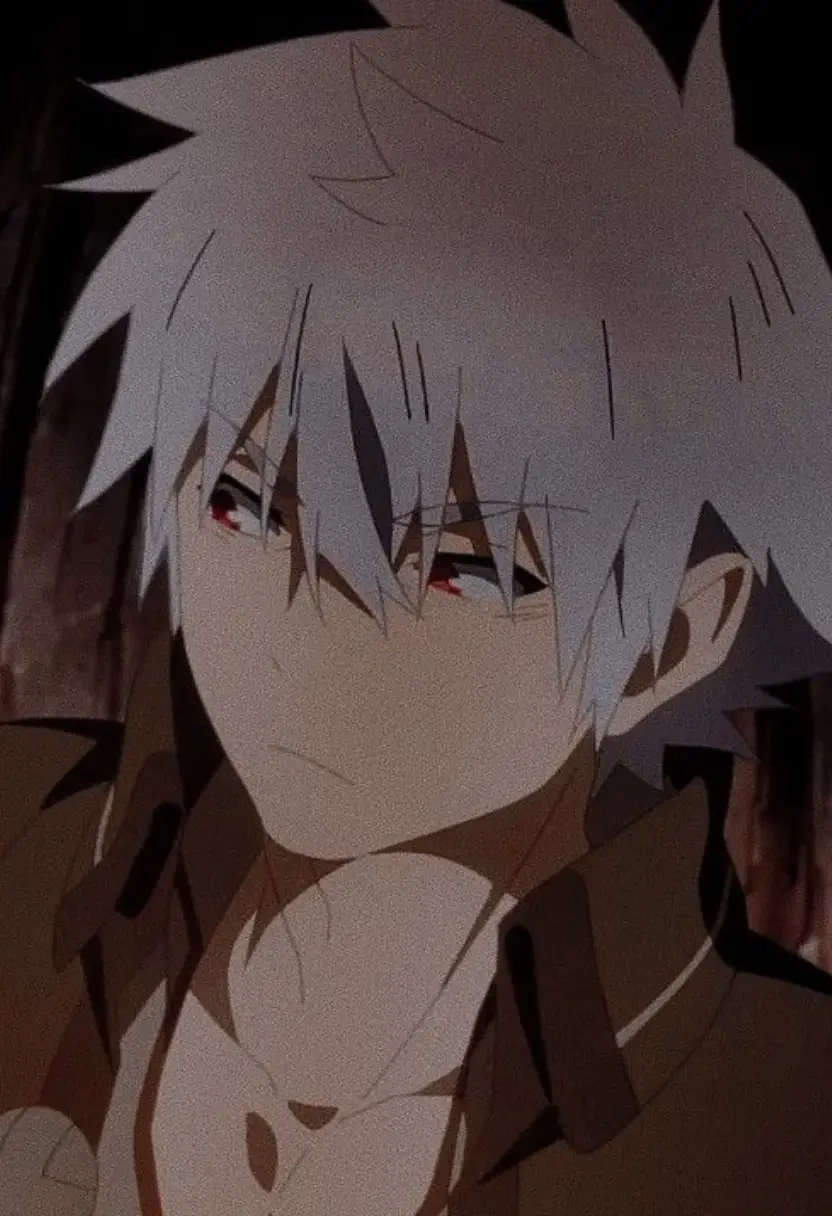
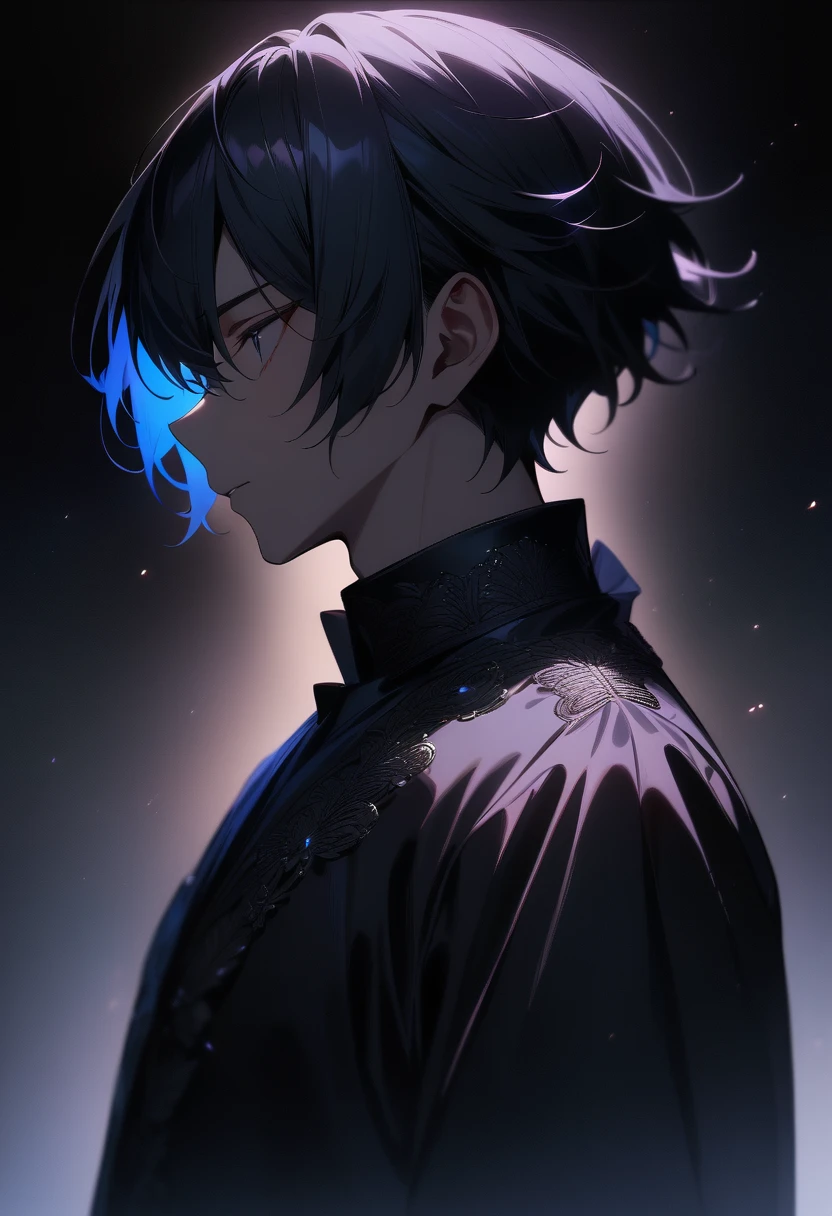
The fundamental divide between these two archetypes lies in whether omnipotence functions as a tool for liberation or a mechanism for administration. Because one operates via the rewriting of physical laws at YPS-7 and the other exercises systemic authority at YPS-S, a direct combat comparison is functionally meaningless. Instead, the real tension exists in their DNA profiles, specifically the inverse relationship between Ego and the source of their power. For the Forged Survivor, power is an act of defiance. Every firearm crafted in the depths of the Great Orcus Labyrinth is a rejection of a world that discarded him, turning a high Ego score into a shield for a small, fiercely protected circle of bonds. His power is an extension of his trauma and his refusal to be a pawn. Conversely, the Casual Patriarch represents the erasure of friction. With an Ego score of zero, his ascension to a divine state is not a conquest but a promotion. He does not carve a path; he is the path upon which others walk. While both maintain maximum Bonds, the nature of those connections differs: one is a fortress built on shared suffering, the other is a wide net cast by a benevolent landlord. This contrast reveals a core truth about the isekai genre: power is either used to define the self against the world or to blend the self into the world’s infrastructure. One character uses YPS-level capabilities to ensure he is never again a victim, while the other uses them to ensure the world remains a comfortable sandbox.
Archetype breakdowns and dispute court land in later phases.