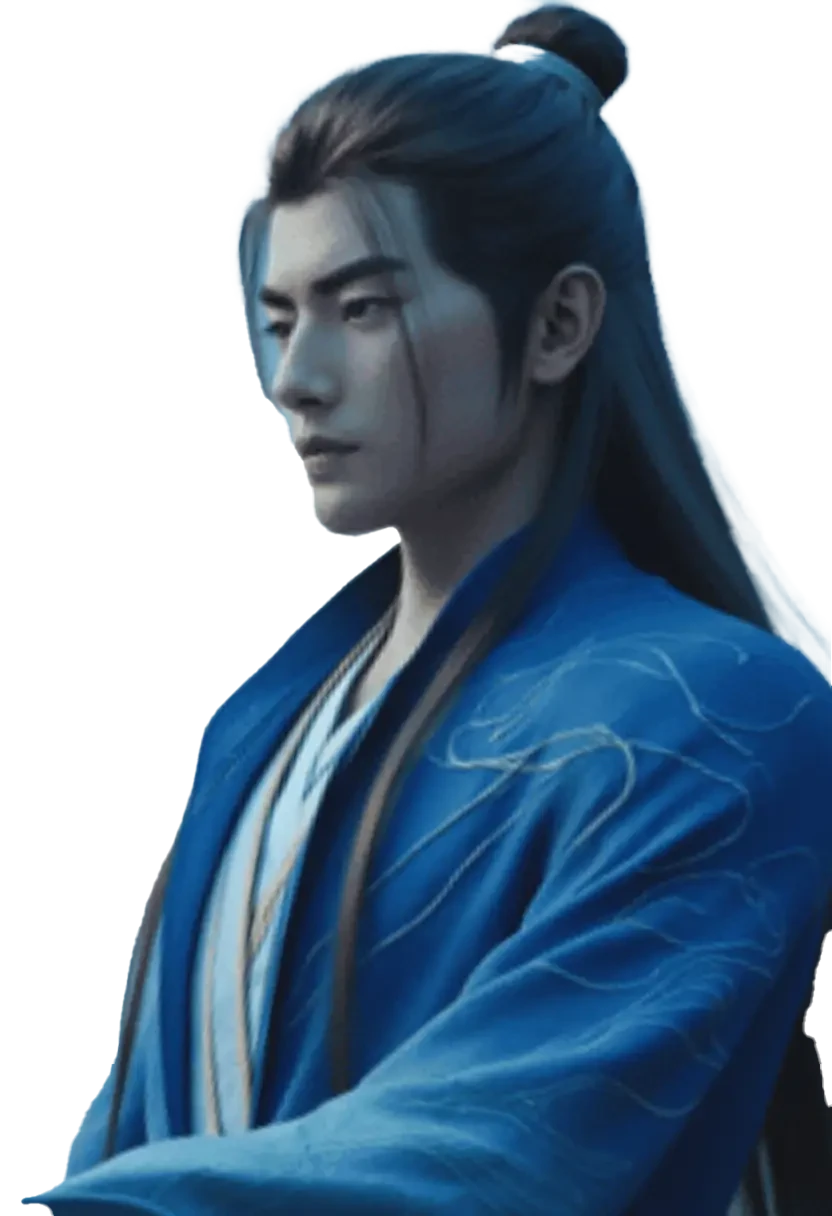

Survival in a hostile world manifests as either the conquest of the system or the mastery of its social fabric. Comparing a YPS-7 physical law-shifter to a YPS-2 narrative survivor is a category error because their powers operate on different axes: one manipulates the cosmos, while the other manipulates social expectations. However, their identical Growth scores reveal a shared trajectory of transformation from passive victims to active agents. Han Li represents the path of total autonomy. His ascent from a farmer with flawed spiritual roots to a cosmic architect requires an Ego that treats morality as a secondary resource. He survives by distancing himself from the world, ensuring that no entity can dictate his fate. Conversely, Iruma survives by collapsing the distance between himself and others. His growth is not a climb toward a destructive ceiling but an expansion of relational weight. While Han Li uses his Ring of Storage to hoard the means of survival, Iruma uses his Ring of Gluttony to accidentally catalyze the loyalty of an entire demon school. This contrast exposes a fundamental truth about the isekai genre: the transition from a fragile outsider to a pillar of the world occurs either through the ruthless acquisition of power or the radical cultivation of kindness. One replaces the celestial order; the other becomes the heart of a demon society. Both paths lead to the same result—the end of vulnerability—but they define "strength" in mutually exclusive terms.
Archetype breakdowns and dispute court land in later phases.