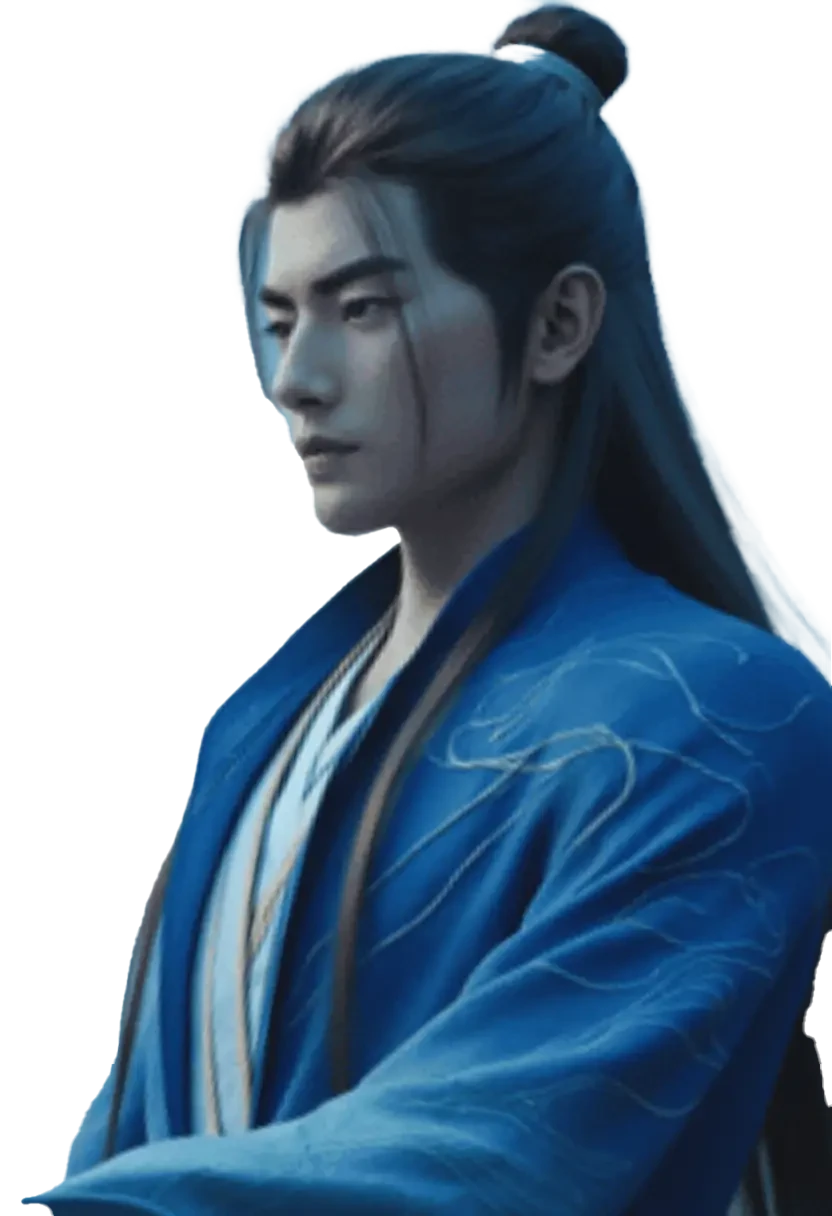

The divergence between these two YPS-7 entities is not found in their destructive ceiling, but in the source of their agency. Because one operates on a purely physical cultivation axis and the other utilizes a hybrid system of skill absorption, a direct power comparison is functionally meaningless. Instead, the real contrast lies in the cost of their ascent. Han Li represents the triumph of the individual ego, turning a disadvantage like False Spiritual Roots into a weapon through millennia of calculated ruthlessness. His growth is a vertical climb where every gain is paid for in solitude and risk mitigation. In contrast, Rimuru functions as a vacuum of identity, absorbing entities like the Orc Disaster to build a corporate-style federation. Where the cultivator views morality as a luxury for the weak, the slime views it as a tool for diplomatic stability. One seeks to transcend the system by mastering its laws; the other seeks to replace the system by becoming its administration. This reveals a core tension in isekai: whether power serves to liberate the self from the world or to anchor the self as the world's center. Han Li’s path is a grueling exercise in self-reliance, while Rimuru’s is an iterative expansion of influence. The result is two different versions of divinity—one an architect of laws, the other a manager of populations.
Archetype breakdowns and dispute court land in later phases.