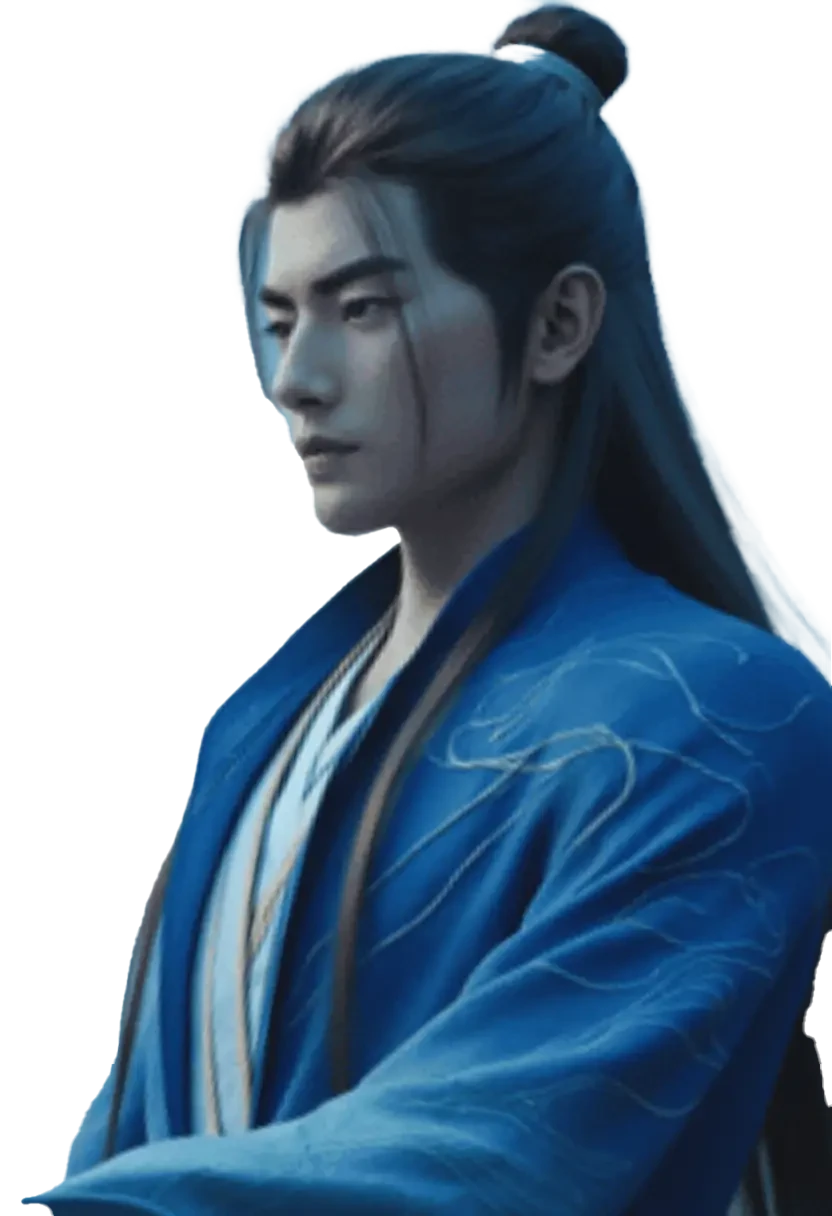
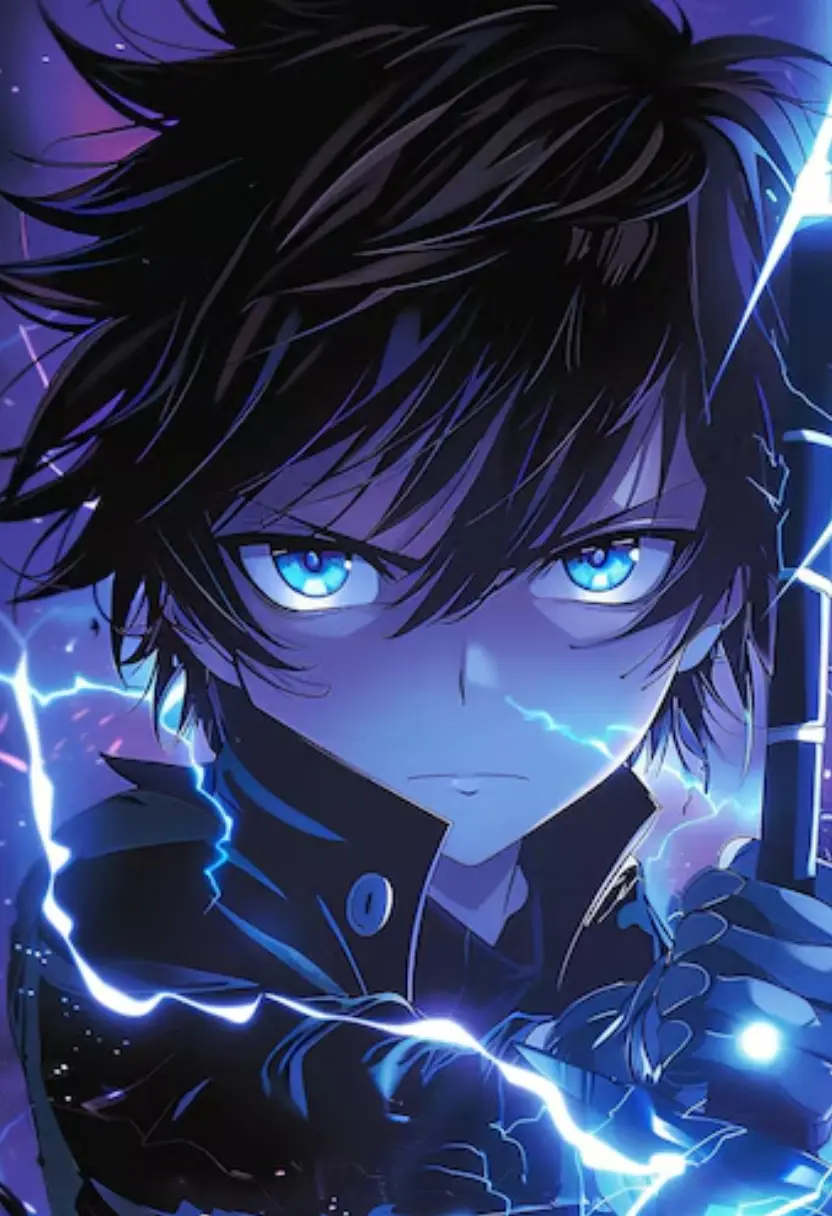
The fundamental disconnect between these two YPS-7 entities lies in their relationship with agency. Because one operates via physical law-rewriting and the other via systemic authority, a direct combat comparison is a category error. Instead, the real divergence appears in their DNA profiles, specifically the inverse relationship between Ego and Bonds. Han Li treats the universe as a predatory mechanism, spending millennia in a grueling climb from a farmer with False Spiritual Roots to a cosmic architect. His journey is a testament to the belief that safety is earned through absolute autonomy and the ruthless accumulation of technical mastery. For him, power is a shield forged in solitude. Satou, conversely, treats his omnipotence as a logistical tool for domesticity. He uses his authority not to ascend, but to curate a comfortable perimeter, building orphanages in Labyrinth City and dodging political titles to maintain a tourist's anonymity. While Han Li fights to escape the system's constraints, Satou simply uses the system's admin privileges to opt out of the narrative entirely. This reveals a core truth about the isekai power fantasy: there is a vast difference between the god who climbed the mountain and the god who woke up at the summit. One finds meaning in the struggle for sovereignty; the other finds meaning in the luxury of irrelevance.
Archetype breakdowns and dispute court land in later phases.