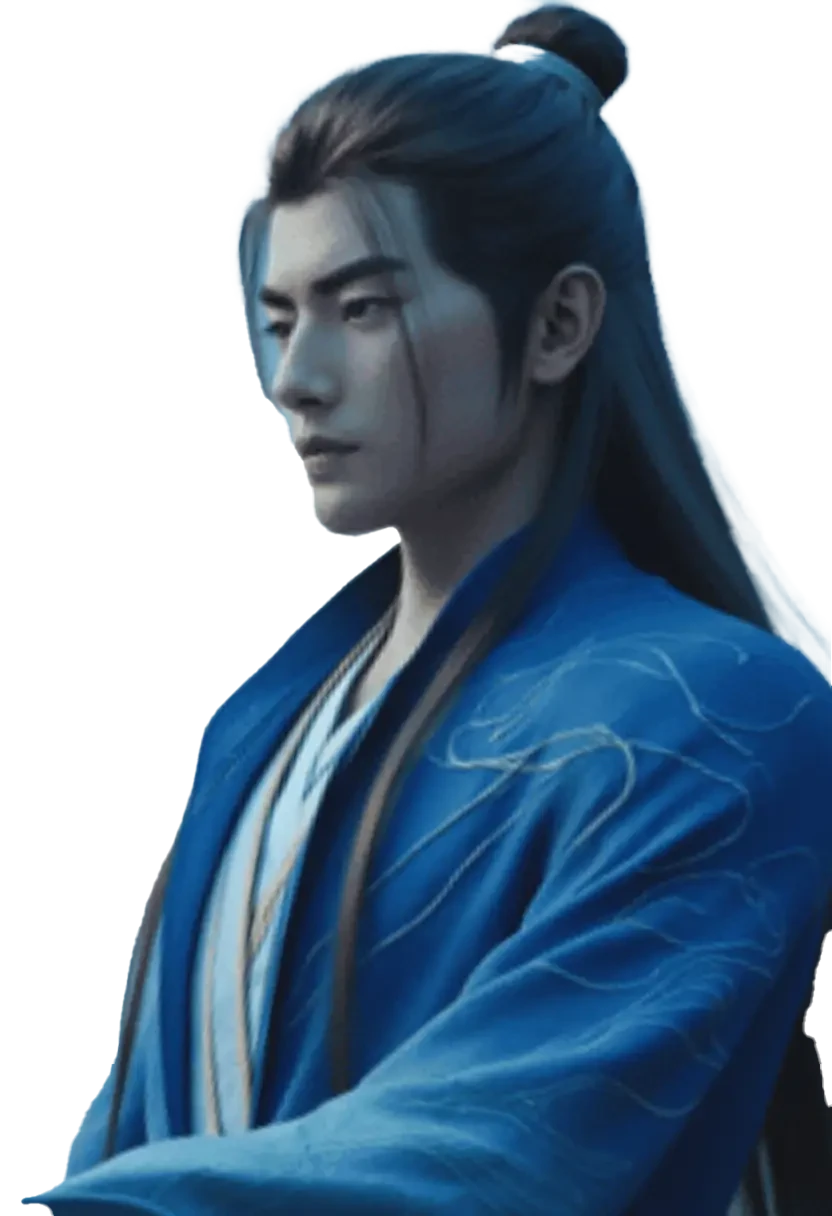

The divide between a YPS-7 World Ender and a YPS-4 Nation Level asset is too vast for a traditional power scaling exercise. When one character rewrites physical laws and the other merely threatens national armies, the conversation shifts from combat output to the cost of ascension. This comparison reveals a fundamental trade-off between cosmic sovereignty and relational weight. Han Li’s trajectory is a clinical exercise in isolation. His ascent to YPS-7 is fueled by a relentless Ego and a refusal to be a pawn in anyone else's game, transforming him from a cautious farmer into the architect of his own reality. He treats morality as a resource to be managed, not a code to live by. Conversely, Shin Wolford operates as a social instrument. His high Bond score reflects a character whose utility is defined by his proximity to others, specifically his devotion to Sicily and his role within the kingdom. While Shin possesses high growth, his low Ego ensures he remains a protector rather than a ruler. The tension here is that Han Li’s technical mastery requires the systematic shedding of the very attachments that give Shin’s narrative its emotional gravity. In the isekai framework, the climb to upper YPS tiers often necessitates a transition from a person to a force of nature. Han Li achieves the peak of existence by becoming an island, whereas Shin remains human by accepting his role as a shield. The gap is not just in their destructive capacity, but in what they were willing to sacrifice to obtain it.
Archetype breakdowns and dispute court land in later phases.