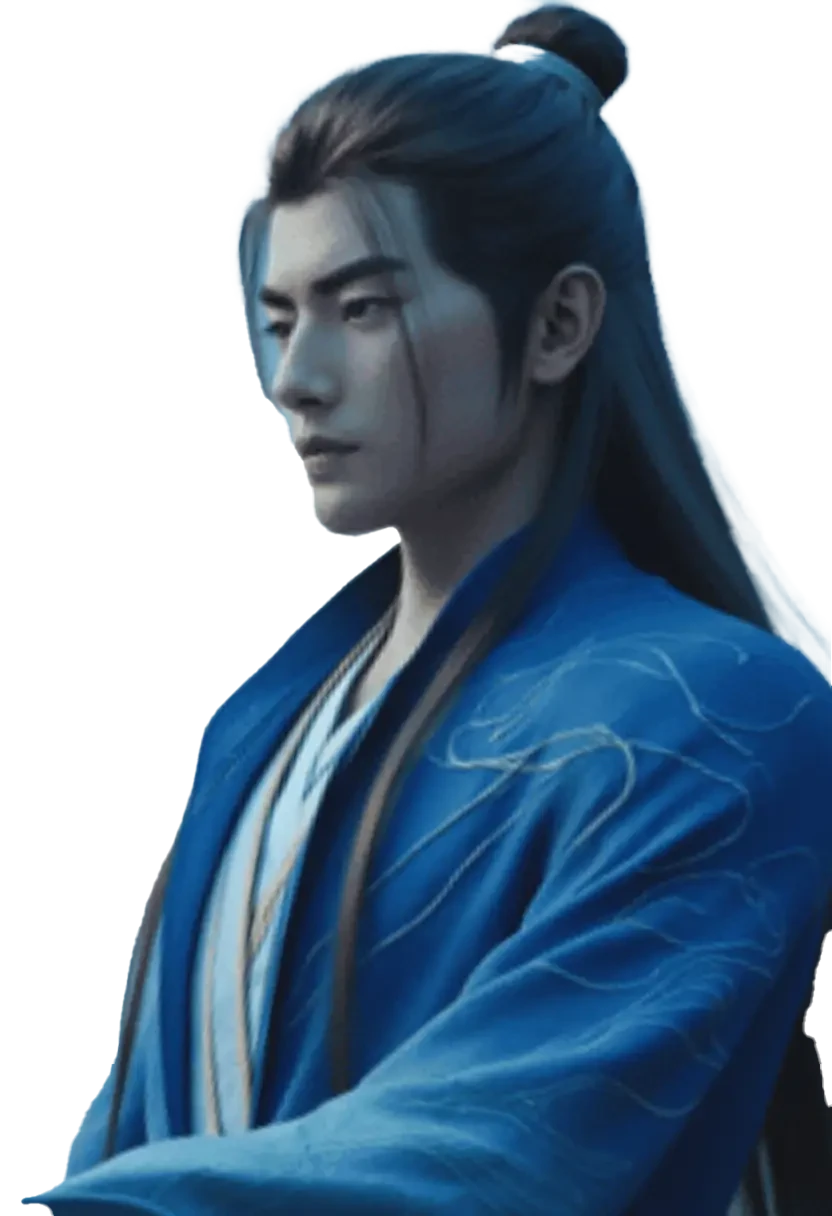

Agency in the isekai narrative functions either as a hard-won destination or a static prerequisite. Comparing a YPS-7 physical powerhouse to a YPS-1 authority-based intellect is a categorical error; one rewrites the laws of the universe while the other manipulates the rules of a game. The YPS scale breaks down here because their conflict does not exist on a shared axis of force. Instead, the real divergence lies in their DNA profiles regarding self-determination. Han Li embodies the meritocracy of survival, where a Growth score of 100 reflects a multi-millennial transition from a disposable farmer to a cosmic architect. His Ego is absolute because every scrap of power is a result of calculated risk and resource management. He is the author of his own ascension. Shiro, conversely, operates as a static peak of cognition. Her lack of Growth and Ego reveals a dependency that defines her role; she is a processing engine for Sora's will. While Han Li uses his solitary nature to insulate himself from the world's cruelty, Shiro's vulnerability is her defining trait, making her a passenger in her own genius. This comparison exposes a fundamental genre divide: one story treats power as a ladder to be climbed through ruthlessness, while the other treats it as a puzzle to be solved through synergy. Han Li’s journey is about escaping the system, whereas Shiro’s existence is about mastering the system from within the constraints of a shared identity.
Archetype breakdowns and dispute court land in later phases.