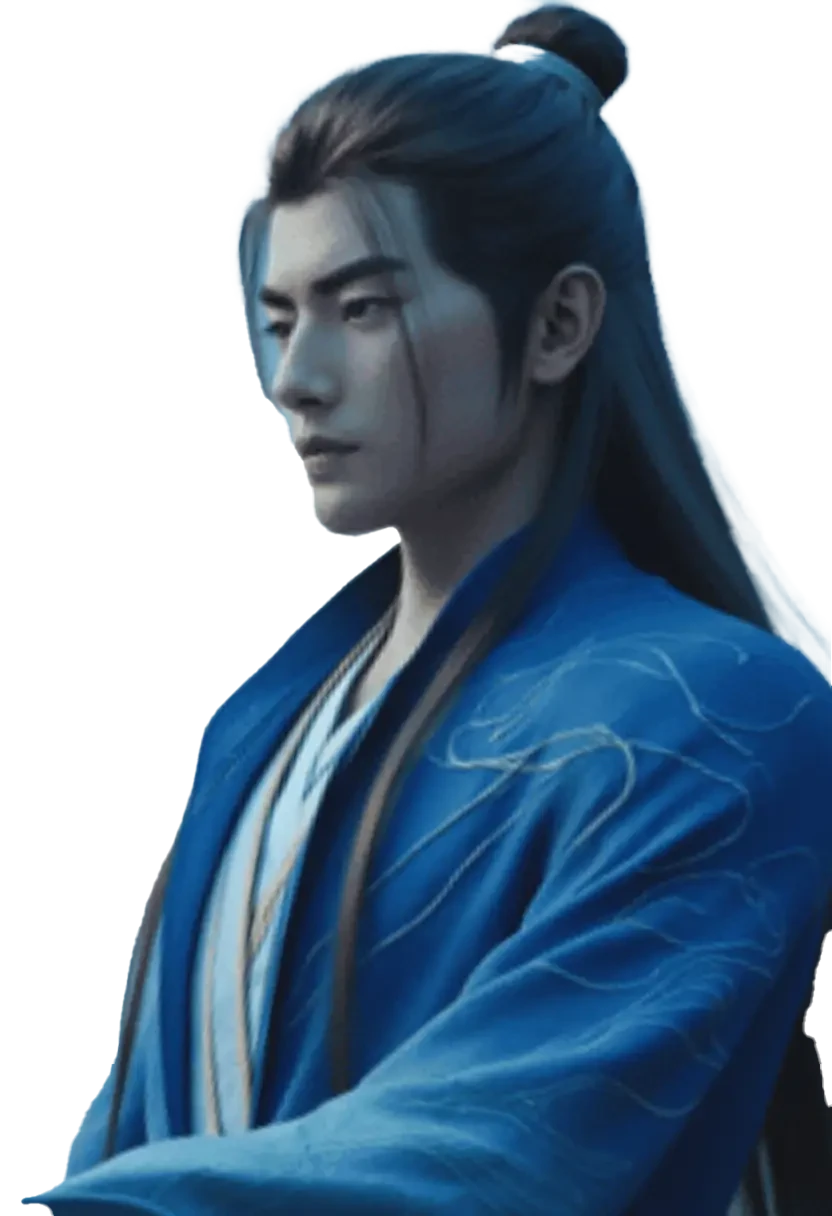

True sovereignty in an isekai setting manifests not as the ability to destroy, but as the capacity to redefine the rules of existence. Comparing a YPS-7 physical powerhouse to a YPS-2 authority user renders traditional combat metrics irrelevant; the gap in destructive output is an ocean, but the gap in systemic influence is a mirror. While one spends millennia refining his internal essence to transcend the heavens, the other spends his days drafting treaties and managing economic zones to stabilize a city. The divergence lies in their DNA Ego scores. Han Li is the definitive expression of self-determination, transforming himself from a farmer with False Spiritual Roots into an architect of cosmic law through sheer, solitary will. Shiroe, conversely, operates with a zero Ego score, finding power only when he surrenders his isolation to become a pillar for others. Han Li’s path proves that total power requires the erasure of the world’s influence over the self, while Shiroe’s path proves that total influence requires the self to be entirely subsumed by the world’s needs. One escapes the system to rule it; the other enters the system to save it. This reveals the genre's central tension: the choice between the lonely peak of the immortal and the crowded burden of the administrator.
Archetype breakdowns and dispute court land in later phases.