
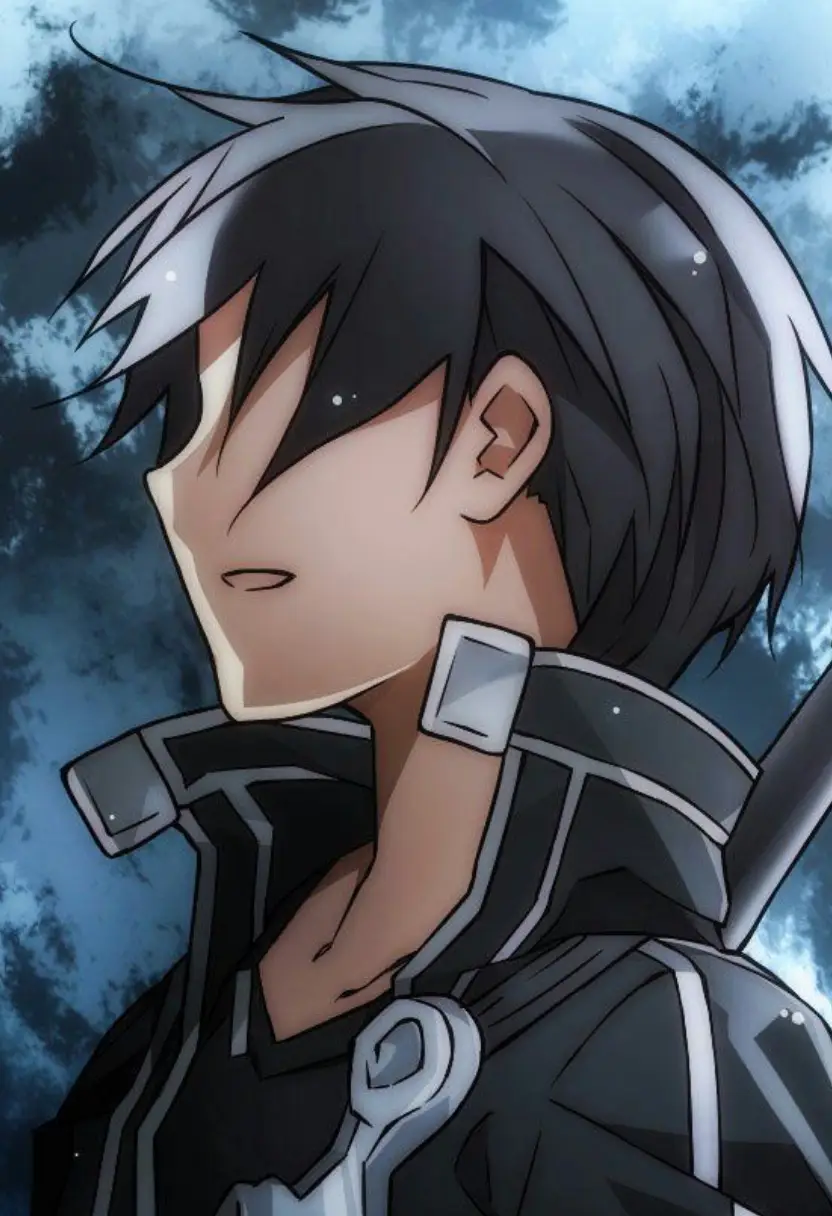
Comparing a YPS-2 narrative-type catalyst to a YPS-4 physical-type combatant renders traditional power rankings irrelevant. The gap between an Awakened student and a Nation Level swordsman is a category error because their abilities operate on different axes: one bends social expectations, the other bends digital physics. The real friction lies in the inverse relationship between Ego and Growth. Kirito enters his worlds with a dominant will, using high Ego to overwrite system limitations through technical mastery and willpower. His journey is one of expanding responsibility, yet he remains a master of the environment. In contrast, Iruma begins as a void of agency, a passive survivor with negligible Ego who is shaped by the desires of those around him. However, this lack of self-determination is exactly what fuels his perfect Growth score. While Kirito optimizes his existence within a game, Iruma transforms the nature of the demon society itself through radical kindness and the Ring of Gluttony's chaotic interventions. The narrative reveals that a potent form of isekai power is not the ability to solo an army, but the capacity to be fundamentally changed by one's environment. Kirito protects the world he inhabits, but Iruma allows the world to rewrite him into a leader. This suggests that in the isekai genre, low YPS tiers often harbor significant character arcs because they possess substantial room to evolve.
Archetype breakdowns and dispute court land in later phases.