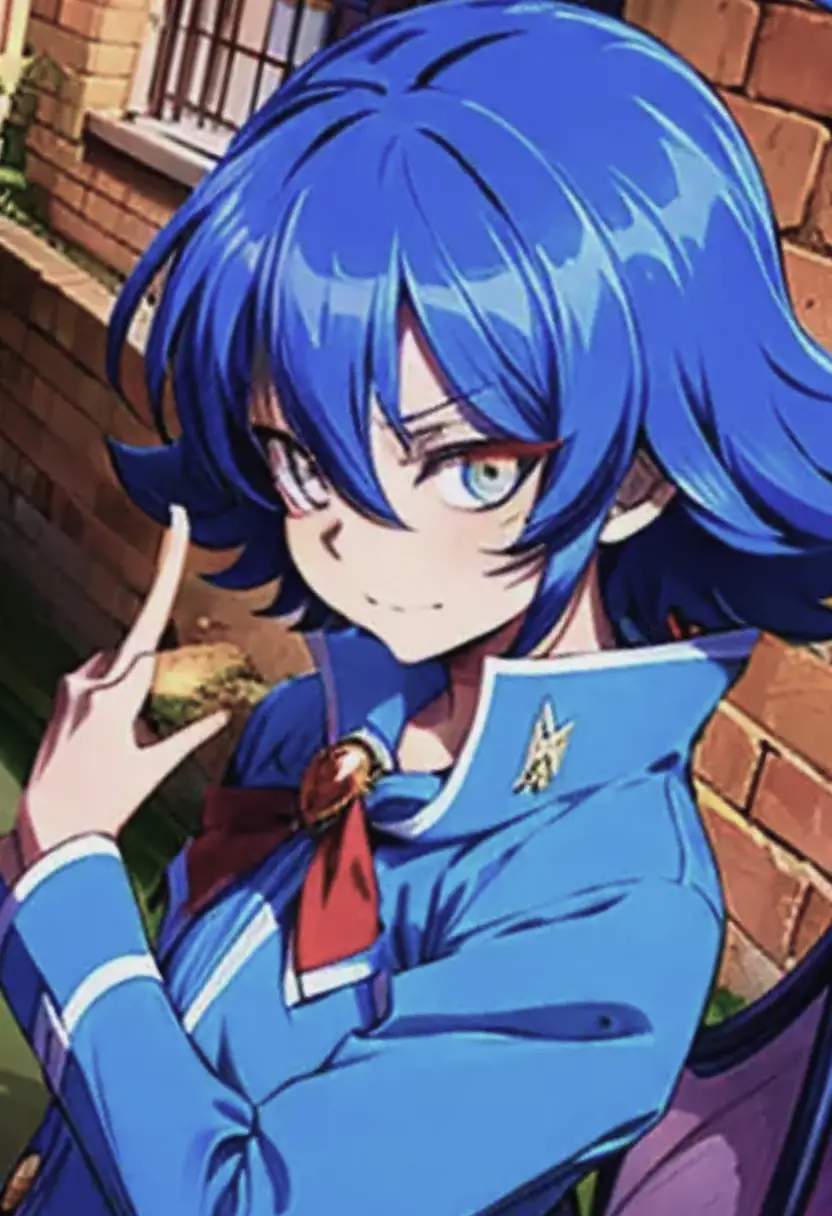

Comparing a narrative-driven social climber to a tactical physical juggernaut renders YPS tiers irrelevant; the gap between YPS-2 and YPS-4 is a category error because these characters solve survival through opposing philosophies. The real tension lies in how they handle the trauma of vulnerability. Iruma treats the demon world as a puzzle of social integration, where the Ring of Gluttony serves as a tool for adaptability rather than destruction. In contrast, Seiya views the world as a series of lethal variables to be neutralized. Their identical Growth scores reveal a shared obsession with self-improvement, but the direction is mirrored. Iruma’s growth is outward, expanding his Bonds to create a safety net of mutual affection. He transforms from a passive victim of his parents into a leader who earns loyalty through kindness. Seiya’s growth is inward and restrictive, a systematic hardening of the self to prevent the repeat of his Ixphoria failure. While Iruma’s low Ego reflects a desire to fit in, Seiya’s moderate Ego is a burden of responsibility—the belief that only he can ensure survival. One seeks to be loved to survive; the other seeks to be untouchable to protect. This reveals that isekai handles power not just as a combat stat, but as a psychological shield against the fear of loss.
Archetype breakdowns and dispute court land in later phases.